Connect with us

Entertainment

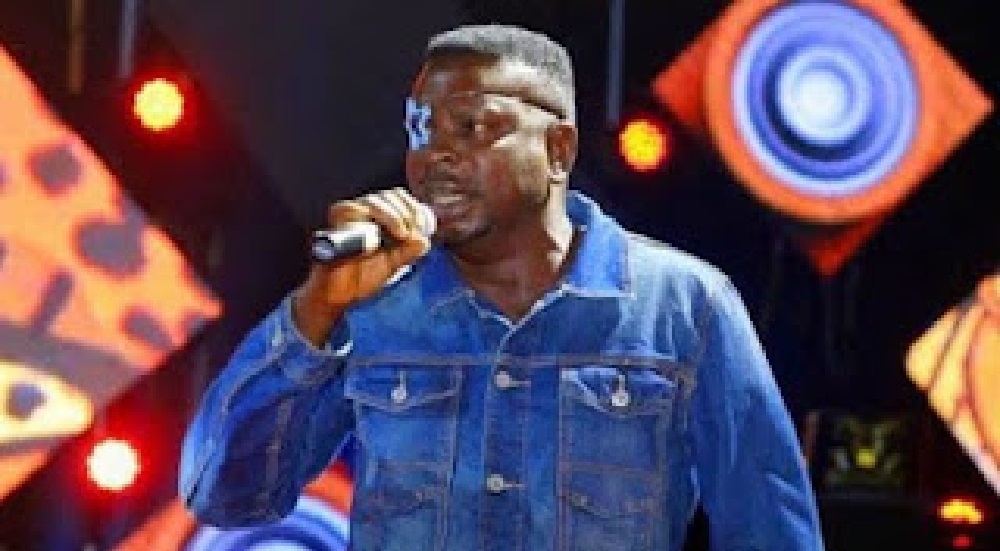
Baba Fryo Reflects On ‘Denge Pose’, Galala Culture, And Life & Stardom

Published

on

ADVERTISEMENT
Zoom Ad
ADVERTISEMENT
Zoom Ad

Before streaming platforms reshaped global music, before international record deals became a benchmark for success, and before Afrobeats stars began selling out venues like the O2 Arena, there was Ajegunle in Lagos—a dense, vibrant neighbourhood where street culture produced some of Nigeria’s most influential musical voices.


Among those voices was Baba Fryo, born Friday Igwe, a musician who didn’t just entertain but chronicled everyday street life through rhythm and lyrics. His 1996 hit “Denge Pose” became a defining anthem of its era, introducing a dance style and cultural expression that spread far beyond Ajegunle.

But behind the success story lies a more complicated reality. While the streets danced to his music, the music industry struggled to protect him. Piracy eroded his earnings, and the commercial rewards of fame fell far short of expectations.

More than two decades later, Baba Fryo reflects on his journey—the rise, the setbacks, and his continued resilience—in a conversation with TheCable Lifestyle’s Testimony Adebisi.

Advertisement

Explaining the origin of his stage name, Baba Fryo traces it back to everyday life in Ajegunle.

“In Ajegunle in those days, anyone who bears Friday, you’d call him Fryo. You abbreviate the name,” he said, describing how community slang shaped his identity.

Baba Fryo also revisited the era when Galala music and dance dominated the streets, clarifying common misconceptions about its origins and evolution.

According to him, Galala is primarily a dance style, not a genre of music in itself. He credited dancer and performer Daddy Showkey with popularising the movement.

Advertisement

“Galala is a dance. That dance was created by Daddy Showkey,” he explained. “When Father U-Turn released his songs, he said his songs were Galala, but Galala is a dance.”

He added that several street dance styles existed at the time, including “Tear Am,” “Swo,” and “Konto,” all of which influenced performances and music expression in the community.

Baba Fryo noted that his own sound evolved differently from his peers, blending influences rather than strictly aligning with one style.

“For my own style of music, I would say I just chose to create different kinds of music,” he said. “Mine is an Afro Reggae beat because my song has been mixed with Reggae music and Afro music.”

Advertisement

Reflecting on the broader music scene in Ajegunle during his rise, Baba Fryo highlighted the trio that helped define the era: himself, Daddy Fresh, and Daddy Showkey. Each artist, he said, developed a distinct identity while contributing to a shared cultural movement that helped bring street music into national consciousness.

Though the sounds differed—ranging from reggae-infused rhythms to highlife-inspired influences—the impact was collective: a new wave of Nigerian street music that shaped the foundation for later generations.

While “Denge Pose” remains a cultural landmark, Baba Fryo’s story also reflects the challenges faced by many early Nigerian music pioneers, particularly issues of piracy and lack of industry structure at the time.

Yet despite financial setbacks and shifting industry dynamics, his influence endures in Nigeria’s evolving music landscape, where street-inspired sounds have become a global export.

Advertisement

Over twenty years after his breakout moment, Baba Fryo’s story is not just one of fame, but of endurance—an artist still standing, still reflecting, and still part of the cultural conversation.
Continue Reading
Advertisement

Entertainment

Headies dismiss claims of sidelining gospel artistes

Published

on

By

ADVERTISEMENT
Zoom Ad
ADVERTISEMENT
Zoom Ad

Organisers of The Headies have refuted allegations that gospel and inspirational musicians are excluded from the award’s major categories.

In a statement released on Monday via its official Instagram page, the organisers said the claim does not reflect the award’s history.

They cited previous winners such as Lara George, Kefee, Nikki Laoye and Timi Dakolo as gospel artistes who have won mainstream honours at The Headies.

The statement also noted that the Inspirational Single category was created to recognise songs that promote faith, hope and positive values.

Advertisement

The clarification followed an open letter from Afrogospel artiste Gaise Baba, who raised concerns about the treatment of gospel music at the awards.

Gaise Baba argued that songs should be judged on quality, sound and impact, rather than the message in the lyrics.

“A rap record is a rap record,” he wrote in part.

The singer further questioned whether commercially successful gospel songs like ‘Favour’ and his collaboration with Lawrence Oyor, ‘No Turning Back II’, receive the same consideration as mainstream Nigerian songs.

Advertisement

Gaise Baba also recalled his experience as a nominee, stating that the Inspirational Music category was not presented during the main ceremony at one edition.

He said nominees commit time and resources to the process and deserve proper recognition.

Continue Reading

Entertainment

BBNaija S11: 15 housemates face possible eviction in week six

Published

on

By

ADVERTISEMENT
Zoom Ad
ADVERTISEMENT
Zoom Ad

Fifteen housemates have been put up for possible eviction in week six of Big Brother Naija Season 11.

The nominees are Chimsom Chuka, Flora, Aikou, Bells, Tram, Gerard, Oyin, Ricky, Barry, Temi Nkem, Araga, Yusuf, Nomy, Bluethopia and Keivo.

The list was confirmed during Monday’s nomination proceedings in the house.

Head of House Abi is immune from eviction this week following her win in the week six HOH challenge.

Advertisement

She also becomes a two-time HOH this season.

Also safe from eviction is Sheba, who emerged as the Most Influential Player for week five.

The title comes with immunity for the following week.

With Aikou and Flora’s gambit status now revoked, both housemates are eligible for nominations and eviction for the first time this season.

Advertisement
Continue Reading

Entertainment

Headies 2026: Davido, Wizkid, Burna Boy, Ayra Starr, Fola Battle For Top Honours

Published

on

By

ADVERTISEMENT
Zoom Ad
ADVERTISEMENT
Zoom Ad

The race for honours at the 18th Headies Awards has intensified following the release of nominees for the 2026 edition, with some of Nigeria’s biggest music stars set to battle across several competitive categories.

Davido, Wizkid, Burna Boy, Adekunle Gold, Ayra Starr, Tems, Asake and Rema are among the leading names on the nomination list unveiled by the organisers on Tuesday.

The ceremony is scheduled to hold in Toronto, Canada, on October 25, under the theme, “Africa to the World”.

The nominations recognise music released between August 1, 2024, and April 30, 2026, with 213 nominations spread across 35 categories.

Advertisement

Fola emerged as the biggest individual nominee with 10 nominations, while Omah Lay followed with eight. Mavo and Wizkid secured seven nominations each, setting the stage for a fiercely competitive awards season.

Wizkid is in contention in major categories, including Best Male Artiste, Digital Artiste of the Year, Afrobeats Album of the Year and Song of the Year. His album, Morayo, is also nominated for Afrobeats Album of the Year.

Davido also features prominently, with his album 5ive nominated for Afrobeats Album of the Year. His collaboration with Omah Lay, With You, earned nominations in Song of the Year, Afrobeats Single of the Year, Best Recording of the Year, Best Headies Collaboration and Viewers’ Choice.

Adekunle Gold joins the heavyweight contenders with Fuji nominated for Afrobeats Album of the Year. He is also nominated for Best Male Artiste and Best Performer (Live) for his performance at the National Theatre in Lagos.

Advertisement

Among the female stars, Ayra Starr and Tiwa Savage lead with five nominations apiece. Ayra Starr is also in contention for Best Female Artiste, Digital Artiste of the Year and Best Performer (Live).

The Next Rated category is equally expected to attract significant attention, with Fido, Fola, Llona, Mavo and Shoday competing for the coveted prize. The category has traditionally served as a major platform for identifying the next generation of Nigerian music stars.

The organisers have also announced special honours, with veteran Congolese singer, Awilo Longomba, set to receive the Headies Hall of Fame Award, while Nigerian entertainment executive, Cecil Hammond, will receive the Special Recognition Award for his contributions to African entertainment.

With established superstars, rising acts and a new crop of contenders spread across the categories, attention will now shift to the October ceremony in Toronto, where the nominees will battle for one of Africa’s most recognised music honours.

Advertisement
Continue Reading

Trending

Copyright © 2024 Naija Blitz News