
News
Nigeria remains committed to curbing drug scourge through innovative interventions- President Tinubu(Photos)

- /home/naijuinz/public_html/wp-content/plugins/mvp-social-buttons/mvp-social-buttons.php on line 27
https://naijablitznews.com/wp-content/uploads/2026/06/382fd7ab-c197-4c3b-9a01-d66462954c1b-2-1000x600.jpeg&description=Nigeria remains committed to curbing drug scourge through innovative interventions- President Tinubu(Photos)', 'pinterestShare', 'width=750,height=350'); return false;" title="Pin This Post">
- Share
- Tweet /home/naijuinz/public_html/wp-content/plugins/mvp-social-buttons/mvp-social-buttons.php on line 72
https://naijablitznews.com/wp-content/uploads/2026/06/382fd7ab-c197-4c3b-9a01-d66462954c1b-2-1000x600.jpeg&description=Nigeria remains committed to curbing drug scourge through innovative interventions- President Tinubu(Photos)', 'pinterestShare', 'width=750,height=350'); return false;" title="Pin This Post">


• Commends NDLEA’s leadership, officers’ courage and professionalism
. 5.3m kilograms of drugs worth N1.5trillion seized in 18 months, says Marwa
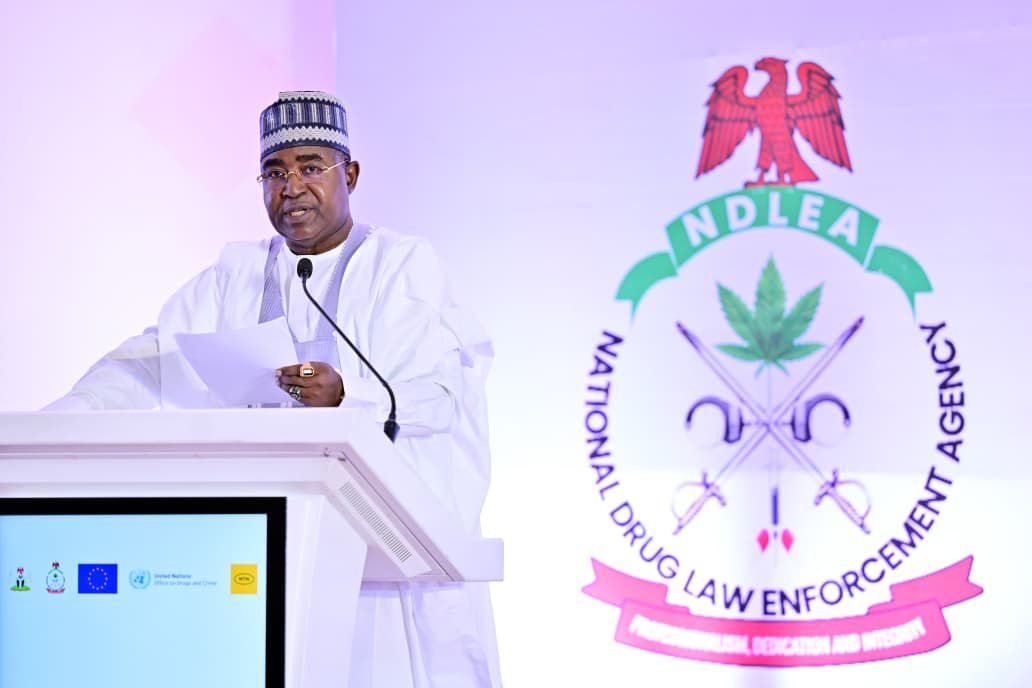
President Bola Ahmed Tinubu has reaffirmed Nigeria’s unwavering commitment to eliminating the menace of substance abuse and illicit drug trafficking through evidence-based, innovative interventions.
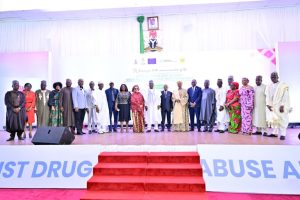
The President gave this assurance on Friday 26th 2026 in Abuja during the grand finale of celebrations, marking the 2026 International Day Against Drug Abuse and Illicit Trafficking. President Tinubu was represented at the event by the Hon. Attorney General of the Federation and Minister of Justice, Prince Lateef Fagbemi SAN.
Reflecting on this year’s theme, “The World Drug Problem: Persisting Issues, New Challenges, Innovative Responses,” the President emphasized that the evolving nature of the global drug problem demands constant vigilance, adaptability, and collective action. He noted that the consequences of the drug scourge extend far beyond individual users, severely disrupting families, schools, workplaces, and overall national security.
According to the President, the federal government is confronting these challenges through a well-coordinated, multi-faceted approach. His words: “My administration remains committed to creating an environment in which young Nigerians can thrive and succeed. Through the Renewed Hope Agenda, we are expanding access to education, promoting skills development, supporting entrepreneurship, creating employment opportunities and implementing social interventions that address some of the underlying factors that make individuals vulnerable to substance abuse and criminal recruitment.
“At the same time, we recognize that reducing demand must be matched by decisive action to disrupt supply. This requires stronger border management, enhanced surveillance of ports, airports, seaports and land crossings, improved intelligence gathering and closer collaboration among national, regional and international law enforcement agencies. Criminal organizations operate across borders, and our response must be equally coordinated and effective.”
The President noted that science, technology and reliable data have become indispensable tools in this effort, adding that “We must continue to strengthen our capacity to collect, analyse and apply data so that emerging trends are identified early, interventions are properly evaluated and strategic decisions are informed by facts.”
“As illicit drug markets evolve, our ability to detect and identify drugs and precursor chemicals must evolve as well. Strengthening forensic laboratories, enhancing technological capabilities and supporting scientific research will remain essential if we are to stay ahead of emerging threats. Our criminal justice system must continue to receive the support it needs to deal effectively with drug-related crimes. Law enforcement officers, investigators, prosecutors and the courts all have important roles to play in ensuring that criminal organizations are disrupted and offenders are held accountable under the law”, he added.
A major highlight of the presidential address was the high praise showered on the leadership and personnel of the NDLEA for their relentless crusade against drug cartels.
“I wish to commend the officers, men and leadership of the National Drug Law Enforcement Agency under the able leadership of Brig Gen Mohamed Buba Marwa (Rtd). Their dedication, courage and professionalism have yielded remarkable achievements in both drug supply reduction and drug demand reduction efforts which have earned Nigeria recognition and respect both within Africa and across the international community,” President Tinubu stated.
The President reminded the audience that the world drug problem is a shared challenge requiring a shared response. He called on civil society, international partners, and individual citizens to reinforce their commitments to creating safer, healthier, and drug-free societies for future generations.
In his welcome remark, Chairman/Chief Executive Officer of NDLEA, Brig Gen Mohamed Buba Marwa stated that Nigeria stands in lockstep with the global community, while reaffirming the country’s unyielding resolve against one of the most persistent threats to public health, national security, social stability, and human development.
According to him, “in the face of these sophisticated threats, the NDLEA has not blinked. We remain resolute. Over the past year, the Agency has recorded monumental operational successes through intelligence-driven enforcement, dismantling seemingly untouchable syndicates and executing unprecedented seizures across our airports, seaports, land borders, and deep in the forests in communities.
“To those who think they can operate with impunity, our recent spectacular operational breakthroughs send an unmistakable message: there is no safe haven. In a masterclass of transnational intelligence sharing, the NDLEA, in seamless collaboration with the US-DEA, and law enforcement authorities from Greece, France, and Switzerland, successfully dismantled the notorious Amadi Simon drug cartel.
“With same zeal and vigour, we have effectively neutralized a highly sophisticated, cross-continental methamphetamine cartel. This operation led to the historic arrest of a 63-year-old Nigerian drug baron, Innocent Anochili, alongside three Mexican nationals and six other Nigerian accomplices, completely disrupting a major synthetic drug pipeline.
“And closely coming on the heels of this was the discovery of yet another industrial scale clandestine meth laboratory deep in the forest of Tapa village, Ibarapa North LGA, Oyo state, where a Mexican and four others were arrested and their multibillion-naira infrastructure of death shut down and dismantled.”
The NDLEA boss noted that the Agency’s achievements are backed by an aggressive, relentless five-year campaign that has fundamentally broken the spine of drug trafficking in the country with the arrest of no fewer than 234 drug barons coordinating the operations of major drug networks dismantled during the period.
He said in the last 18 months alone, the Agency has made a total of 29,262 arrests leading to the seizure of 5,305,484.88 kilograms of assorted illicit drugs valued at over N1.5 Trillion and the conviction of 5,225 offenders. “These numbers represent more than just data; they represent millions of lives saved, billions of naira in criminal wealth confiscated, and a future reclaimed for our youths.”
While noting that enforcement alone cannot solve the drug problem, Marwa said the NDLEA has aggressively expanded its Drug Demand Reduction (DDR) initiatives. “Through our War Against Drug Abuse (WADA) campaign, we have conducted 6,645 drug use prevention focused sensitization and awareness creation programmes in schools, worship centres, work places, markets, motor parks and communities, and correctional facilities, among others, equipping nearly five million Nigerians with the life skills to resist drug abuse. Equally significant is the counselling, treatment and rehabilitation of 13,508 drug users across our 31 rehab centres spread all over the country within the same period.”
He said in line with this year’s focus on innovative responses, “we are strengthening our use of technology, deep-web intelligence gathering, and advanced data analytics to identify emerging drug trends before they hit the streets”, adding that “we are radically upgrading our forensic and chemical analysis capabilities to improve the detection of precursor chemicals and new, exotic psychoactive substances.”
“Also important is our first in Africa Alternative Development Programme. This significant game-changing strategy is an initiative fully aligned with the Renewed Hope Agenda of President Bola Ahmed Tinubu, GCFR. Alternative Development is about giving illicit cannabis growers an alternative source of legitimate income through the growing of licit crops like cassava, maize, cowpeas, cocoa etc thereby achieving sustainable livelihoods and economic empowerment.”
While expressing sincere appreciation to “President Bola Ahmed Tinubu for his support and encouragement to the Agency and demonstrated immense political will towards the fight against drug abuse and trafficking”, he equally thanked local and international partners; civil society organizations, the media and community leaders for supporting the work of the Agency. He also commended NDLEA personnel, calling them “ the thin green line standing between safety and chaos, working tirelessly day and night to protect our nation.”
He expressed confidence that through sustained cooperation, cutting-edge innovation, and shared responsibility, “we can overcome current challenges, neutralize emerging threats, and build a safer, healthier, and more prosperous Nigeria for generations to come.”
Delivering the guest lecture titled “Celebrating Progress and Inspiring Collective Actions against Drug Abuse”, Prof Oluwatoyin Odeku of the Department of Pharmaceuticals and Industrial Pharmacy, University of Ibadan, noted that there’s a reason to celebrate the milestones achieved in the fight against illicit drugs in the past five years. “First, let us celebrate. Because celebration fuels courage. When NDLEA was re-energised in 2021, many thought the drug war was unwinnable. Today, the data tells a different story, and we have reasons to celebrate”, she stated.
In his remark at the event, United Nations Office on Drugs and Crime (UNODC) Country Representative, Chiekh Touré who was represented by Dr. Akanidomo Ibanga commended the Federal Government for its continued commitment to addressing the drug problem through a balanced and coordinated approach. “The leadership of institutions such as the National Drug Law Enforcement Agency (NDLEA), the Federal Ministry of Health, and other critical stakeholders demonstrates a growing recognition that effective drug control must integrate both supply and demand reduction, underpinned by evidence and respect for human rights. At UNODC, we are privileged to support these national efforts by advancing innovative, evidence-based responses that align with global standards and national priorities.”
He reaffirmed UNODC’s unwavering commitment to supporting Nigeria in this critical endeavor, adding that “we stand ready to continue providing technical expertise, fostering partnerships, and promoting innovative solutions that respond to the realities on the ground.”
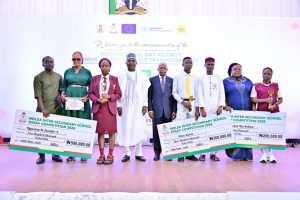
Another highpoint of the event was the presentation prize gifts to three winners of NDLEA inter-secondary school essay competition. The first prize of N500,000 and trophy went to Ikpeamachi Jennifer of Federal Government College, Enugu; while Aliyu Kama of General Murtala Muhammed College, Yola got the second prize of N300,000 with trophy and Chiagoziem Ikechukwu of Mimshak Academy, Mbawsi, Abia state went with the third prize of N200,000 and trophy.
Others who spoke on their support for ongoing drug control efforts include the Senate President, Senator Godswill Akpabio represented by Senator Sadiq Sulaiman Umar; Hon. Lanre Okunola of the House of Reps Committee on Drugs and Narcotics; First Lady of Kwara state and Chairperson, Nigeria Governors Spouses Forum, Amb (Mrs) Olufolake Abdulrasaq; Coordinating Minister of Health and Social Welfare, Prof Ali Pate who was represented by Mrs. Adeola Olufowobi-Yusuf; Mandate Secretary, Health and Environment, FCTA, Dr. Adedolapo Fasawe; Chairman of MTN Foundation, Mrs Mosun Belo-Olusoga represented by Mrs. Odunayo Sanya; representatives of NACA, and NAFDAC, among others.

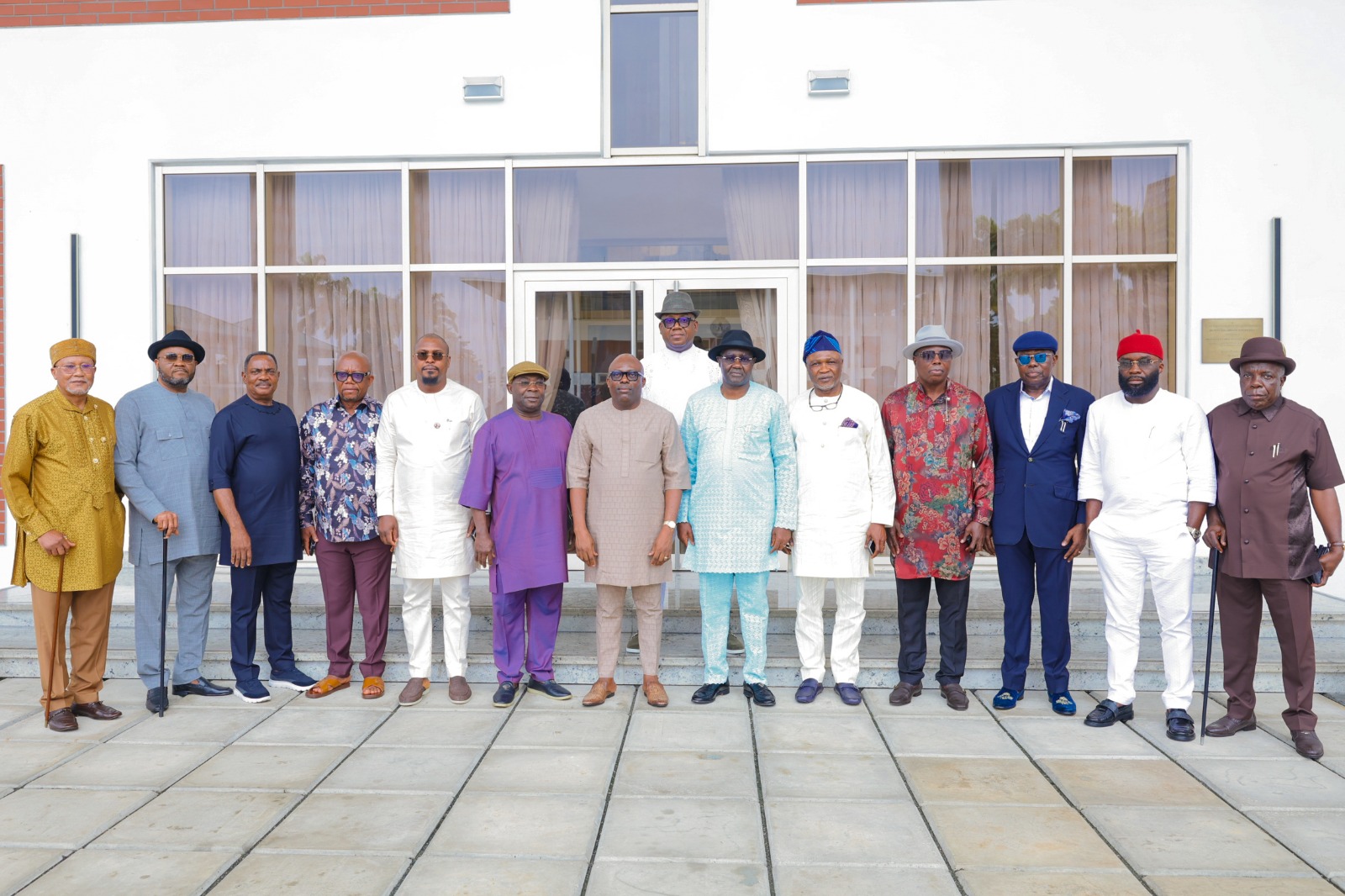
The Reconciliation Committee of the Rainbow Coalition has assured members of the political group that no one will be victimised or discriminated against as part of ongoing efforts to restore peace and unity in Rivers State.
The committee gave the assurance on Sunday after meeting with Rivers State Governor, Sir Siminalayi Fubara, at the Government House in Port Harcourt. The meeting was the second between the governor and members of the committee in about two weeks.
The committee said the reconciliation process was aimed at rebuilding the political family and creating a new atmosphere in which all members would be treated equally and with respect, regardless of their past political disagreements.
Speaking to journalists after the meeting, Chairman of the committee, Senator Magnus Abe, said the gathering was held to further deliberate on modalities for achieving lasting peace among the previously estranged political leaders.
The committee was constituted by the leader of the group, Nyesom Wike, Minister of the Federal Capital Territory and former governor of Rivers State.
Abe said the committee had held a series of meetings to develop a framework for bringing all members together, adding that significant progress had been made in the reconciliation process.
He said the development should reassure Rivers residents who have been concerned about the political divisions in the state.
“We are all in agreement and we have made very good progress,” Abe said.
He added that the renewed engagement marked “a significant shift in the political atmosphere of the state,” expressing optimism that the reconciliation would pave the way for greater unity, progress and prosperity in Rivers State.
Also speaking, the South-South Zonal Publicity Secretary of the All Progressives Congress, APC, Dr Samuel Nwanosike, commended Governor Fubara for receiving the delegation and providing an avenue for the stakeholders to engage in a spirit of brotherhood.
Nwanosike described the outcome of the meeting as a major step towards restoring unity within the political family.
“The family is back; sincerely back, and soon, they will see the working of the Rainbow Coalition,” he said.
He added that the coalition was committed to ensuring that Rivers residents enjoyed the dividends of democracy.
Another stakeholder, Chief Ambrose Nwuzi, said members who support Governor Fubara had embraced the reconciliation process, stressing that peace remained the best option for the state.
Nwuzi described the previous disagreements among the political actors as part of the challenges that could arise in any human society.
He said the leaders had agreed on the need to reconcile and that the process was already yielding results.
“I can tell you that we have reconciled. All that we are waiting for is for the Honourable Minister of the Federal Capital Territory to put the seal on the reconciliation process which has been going on for the past few weeks,” he said.
Other members of the delegation included the APC governorship candidate in Rivers State, Hon. Kingsley Ogundu Chinda, and Mr Tamosisi Gogo-Jaja, among others.
The latest development is expected to further strengthen the ongoing efforts to end the prolonged political differences among the stakeholders and restore unity within Rivers State’s political family.
News
FCT: Tinubu’s Govt Signs 26,272 Certificates of Occupancy To Aid Businesses, 17,575 More Than Those Signed in 13 Years


To aid the ease of doing business in the Federal Capital Territory (FCT), and in line with President Bola Ahmed Tinubu’s Renewed Hope Agenda, a total of 26,272 Certificates of Occupancy (C-of-O) have been signed by the FCT Minister, Nyesom Wike, since the President assumed office.
This is against a total of 8,697 produced and signed between 2010 and 2023.
During the five and half years administration of President Goodluck Jonathan, a total 5,500 Certificates of Occupancy were produced and signed while 3,197 were produced and signed during the eight years administration of President Muhammadu Buhari.
Many of the allottees who are beneciaries of the 26,272 Certificates of Occupancy produced and signed by the FCT Administration under Wike, got their allocations more than 10 years ago.
Certificate of Occupancy functions as trusted collateral for commercial loans, mortgages, or business expansion capital.
Inability of property owners to get Certificates of Occupancy when needed is one of the challenges facing small and medium businesses, as it restricts access to funding.
Senior Special Assistant to the FCT Minister on Public Communications and Social Media, Lere Olayinka, said in a statement on Sunday, that the FCT Administration under the present Government of President Tinubu, has streamlined the process to enable land allottees receive their documents within two weeks of completing payments.
“The moment necessary payments are made, land allottees can now get their C-of-O within two weeks.
“Also, an automated notifications has been introduced to ensure that land allottees are informed when their documents are ready for collection,” Olayinka said.
He attributed the delays under previous administrations to inefficiencies that discouraged landowners from completing payments.
Apart from producing and signing 26,272 Certificates of Occupancy, a total of 2,521 Consents to assign was granted while 177 Consents to Mortgage were granted in the last three years of President Tinubu’s administration, by the FCT Administration under Nyesom Wike.
This is against 753 Consents to assign and 180 Consents to Mortgage granted by the administration of President Jonathan as well as 684 Consents to assign and 164 Consents to Mortgage granted during the eight years government of President Buhari.
A consent to assign is a legal document required when selling a property, or shifting loan agreements while consent to mortgage is an official approval required before a property can be used as collateral for a loan.
News
3,000 Man O’War officers undergo intensive training in readiness for safe sch engagement (Photos)
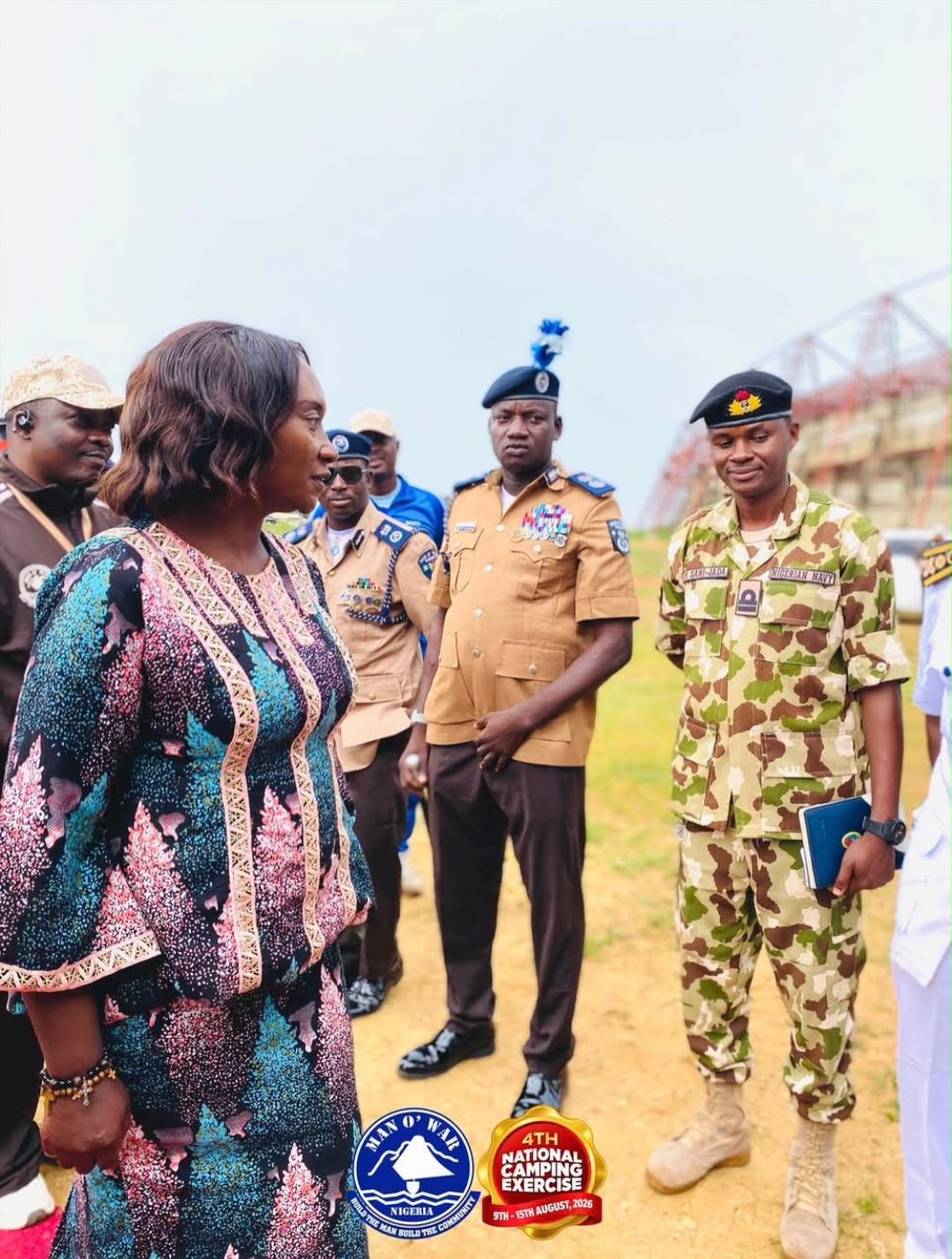
3,000 Man O’War officers undergo intensive training in readiness for safe sch engagement (Photos)
In a renewed demonstration of its commitment to strengthening community safety and supporting the implementation of the Safe School framework across Nigeria, approximately 3,000 officers and men of Man O’ War Nigeria from the 36 States, Federal Capital Territory (FCT) and Railway Commands are undergoing an intensive one-week capacity-building training at the Citizenship and Leadership Training Centre (CLTC), Mountain School, Shere Hills, Jos, Plateau State.
The training forms part of the organisation’s readiness towards its proposed engagement in community-based Safe School interventions and is designed to strengthen the capacity of Man O’ War personnel to operate effectively within diverse environments and respond appropriately to emergencies and security-related challenges around schools and host communities.
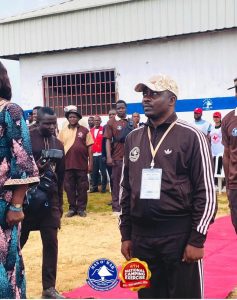
The comprehensive exercise combines land-surface, waterway and hill-terrain training, exposing participants to practical situations that require physical endurance, teamwork, discipline, situational awareness and effective decision-making. The programme recognises that schools and vulnerable communities across Nigeria are situated within different geographical environments, requiring volunteers to possess adaptable skills for effective community engagement.
Participants are also undergoing physical conditioning and mental alertness exercises, aimed at improving endurance, resilience, concentration, rapid response and the ability to remain composed while managing challenging situations. The combination of physical and mental preparedness is intended to ensure that personnel are better equipped to support communities during emergencies and other situations requiring organised volunteer intervention.
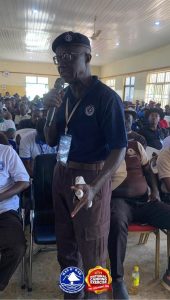
The waterway component of the training provides participants with practical exposure to safety considerations in riverine and aquatic environments, particularly in recognition of the vulnerabilities faced by communities where waterways form part of the daily transportation routes for children and other residents.
Similarly, the land and hill-terrain exercises are designed to strengthen mobility, endurance, navigation, teamwork and operational awareness in difficult terrains. These exercises are particularly relevant to community-based interventions in areas where schools and settlements are located within challenging geographical environments.
Speaking on the significance of the training, the National Commander of Man O’ War Nigeria, NC Adedamola Gbenga mss, mipm, msr, fwip, stated that the organisation was strengthening its personnel because effective Safe School engagement requires volunteers who are physically prepared, mentally alert, disciplined and capable of working collaboratively with communities and relevant authorities.

He noted that the training goes beyond physical exercises, stressing that participants are being prepared to understand their communities, identify potential risks, promote preventive measures and support appropriate response mechanisms within the limits of their volunteer responsibilities.
The National Commander further explained that the nationwide structure of Man O’ War Nigeria provides an opportunity to take community-based safety awareness and resilience-building initiatives closer to schools and vulnerable communities. He emphasised that the organisation’s personnel would continue to work within established legal and institutional frameworks while supporting government agencies, security stakeholders and community structures.
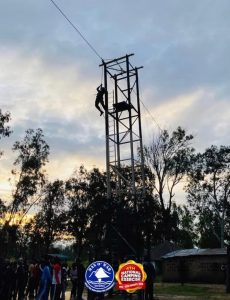
The training also reinforces the importance of preparedness, early warning, community awareness, emergency response, leadership, discipline and collective responsibility in strengthening the safety of schools and their surrounding communities.
Man O’ War Nigeria recognises that school safety is a shared responsibility that requires sustained collaboration among government institutions, security agencies, educational authorities, parents, traditional institutions, community leaders, civil society organisations and responsible citizens.
The organisation therefore views the one-week training as an important step towards preparing its personnel for effective community engagement under the Safe School framework, particularly in vulnerable communities where environmental, security and emergency-response challenges may require additional preparedness.
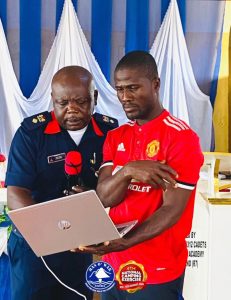
The exercise further demonstrates Man O’ War Nigeria’s commitment to its core philosophy of building disciplined, responsible and resilient citizens capable of contributing positively to the safety and development of their communities.
At the conclusion of the training, the participants are expected to return to their respective State, FCT and Railway Commands with enhanced knowledge, physical preparedness, mental alertness and practical skills that can contribute to safer schools and more resilient communities across Nigeria.
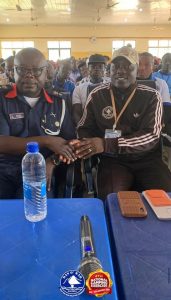
Man O’ War Nigeria remains committed to strengthening its partnership with the Safe School Initiative, government institutions, security agencies and other relevant stakeholders in advancing a coordinated and community-based approach to school safety.

Rainbow Coalition Moves to End Rivers Political Rift, Assures Members of No Victimisation

Arsenal Send Strong Premier League Warning, Flog Man City 3-0 to Win Community Shield

FCT: Tinubu’s Govt Signs 26,272 Certificates of Occupancy To Aid Businesses, 17,575 More Than Those Signed in 13 Years




-

 News21 hours ago
Jonathan, Oborevwori, Diri, Ibori Mourn 104-Year-Old Prince Penawou
-

 News21 hours ago
Ferran Torres Joins PSG From Barcelona
-

 News21 hours ago
“U No Try President Bola Tinubu’ – Davido Accuses Tinubu Of Planning To Withdraw Police, Military From Osun
-
 News21 hours ago
Adeleke Maintains Lead As Collation Of Osun Governorship Results Continues
-
News21 hours ago
Adeleke coasting to victory with 439,132 votes as Oyebanji trails behind
-

 News21 hours ago
Real reasons I left Christianity for Ifa – Ex-pastor
-
 News21 hours ago
INEC Plans To Declare Osun Election Inconclusive— Adeleke Camp
-

 News18 hours ago
BREAKING: Adeleke dismantles APC with 511,067 votes