By Gloria Ikibah


The House of Representatives has urged Nigerian youths to take a leading role in shaping the country’s democratic future by participating actively in the 2027 general elections, saying the strength of Nigeria’s democracy will depend largely on the decisions, conduct and civic engagement of young people.
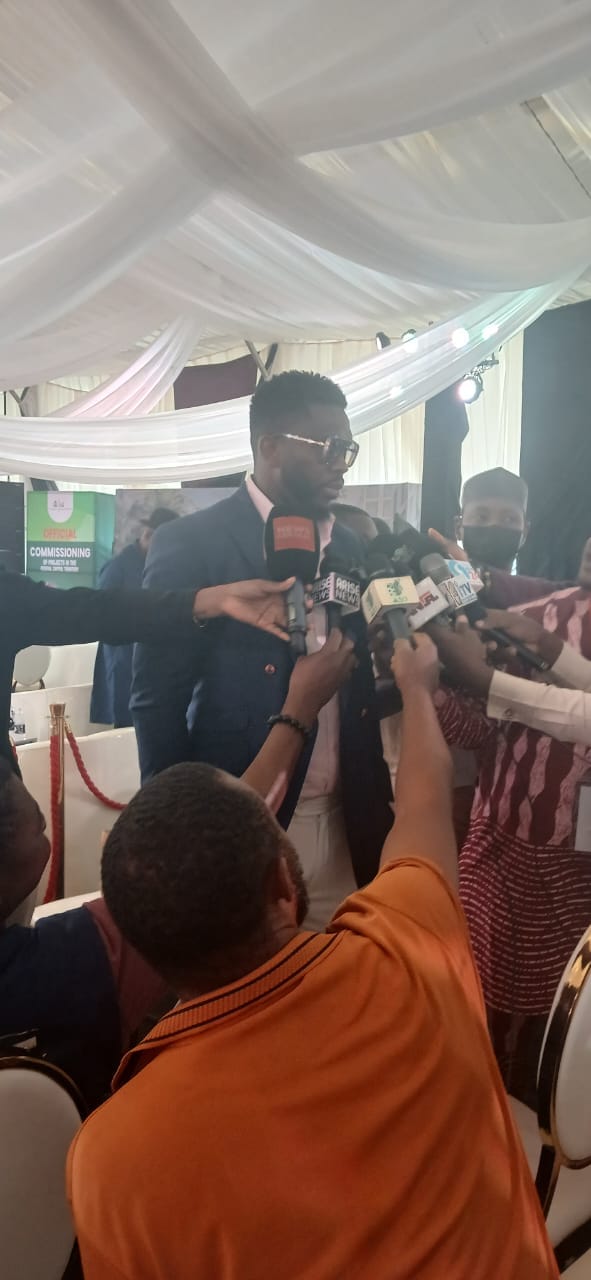
The appeal was made on Thursday during the Youth Town Hall, one of the flagship events of the 2026 National Assembly Open Week at the National Assembly Complex, Abuja. 
The gathering brought together lawmakers, senior government officials, development partners, youth leaders, civil society organisations and students to discuss ways of expanding youth participation in governance, strengthening democratic accountability and promoting nation-building.
Speaking on behalf of the Speaker of the House of Representatives, Rt. Hon. Abbas Tajudeen, the House Majority Leader, Rep. Julius Ihonvbere, said the 10th House had deliberately placed youth development, inclusion and leadership at the centre of its legislative agenda.
He noted that the Youth Town Hall had grown beyond a forum for dialogue into a recognised platform through which young Nigerians contribute directly to policymaking and legislative reforms.
According to him, several proposals now being considered as part of the ongoing constitutional amendment process and other national reforms were inspired by recommendations made at previous editions of the Youth Town Hall.
“Many of the ideas now reflected in the ongoing constitutional amendment proposals and other national policies were shaped by contributions made during previous editions of this Town Hall. Your voices have influenced outcomes, and that is precisely why this platform remains relevant,” Ihonvbere stated.
The Majority Leader highlighted a number of youth-focused legislative initiatives undertaken by the House, including the passage of the National Youth Service Corps (NYSC) Reform Bill, the proposed Nigerian Youth Welfare Scheme Fund Bill sponsored by Speaker Abbas, and the constitutional amendment bill seeking to reduce the minimum age for governorship candidates from 35 to 30 years.
He also pointed to reforms in education financing, taxation, electricity, cybersecurity and the digital economy, describing them as strategic interventions aimed at creating more opportunities for innovation, employment and economic empowerment.
With political activities ahead of the 2027 elections already gathering pace, Ihonvbere said young Nigerians, as the country’s largest voting bloc, would play a decisive role in determining the credibility and direction of the nation’s democracy.
“The quality of our elections and the future of our democracy will, to a large extent, be determined by the choices, conduct and active involvement of young Nigerians,” he said.
Minister of Youth Development, Ayodele Olawande, commended the National Assembly for institutionalising the Youth Town Hall, describing it as a landmark initiative that has opened the legislature to meaningful engagement with young people.
He observed that previous administrations had inadvertently created a disconnect between youths and public institutions but said the current administration was deliberately reversing that trend through inclusive governance and sustained dialogue.
“It is very important that young Nigerians are given the space to speak, ask questions, share ideas and take part in decisions that affect their future,” the minister said.
Olawande disclosed that the Ministry of Youth Development had established several platforms to promote direct engagement between government and young citizens while implementing programmes focused on entrepreneurship, digital skills, vocational training and access to affordable finance.
He listed the Nigerian Youth Academy, digital skills initiatives, youth enterprise support programmes and the proposed Youth Green Fund among the interventions designed to prepare young Nigerians for opportunities in the rapidly growing digital and green economies.
Also speaking, the Executive Vice Chairman and Chief Executive Officer of the National Agency for Science and Engineering Infrastructure (NASENI), Khalil Suleiman Halilu, challenged young Nigerians to embrace innovation, technology and artificial intelligence as tools for national development and global competitiveness.
Halilu argued that innovation, rather than natural resource endowment, would determine the future prosperity of nations. He disclosed that NASENI’s Innovate Nigeria programme is offering grants of up to ₦250 million to support innovators, inventors and technology-driven enterprises.
He encouraged young people to continually develop their knowledge and skills while creating practical solutions to Nigeria’s socio-economic challenges.
Yiaga Africa also urged Nigerian youths to move beyond discussions by translating their passion into sustained civic engagement before, during and after the 2027 general elections.
Representing the organisation, a speaker encouraged eligible young Nigerians to register to vote, participate actively in elections, reject misinformation, violence and hate speech, and hold elected officials accountable based on issues, performance and integrity rather than personalities or ethnic considerations.
The organisation, which supports the Youth Town Hall under the European Union Support to Democratic Governance in Nigeria Programme, also praised the National Assembly for promoting transparency, openness and greater citizen participation through the annual National Assembly Open Week.
Ihonvbere reaffirmed the House of Representatives’ commitment to ensuring that young Nigerians become active partners in governance rather than passive beneficiaries of government policies.
He said the House had intentionally pursued legislation aimed at expanding access to quality education, strengthening digital literacy, promoting entrepreneurship, encouraging innovation and modernising institutions capable of creating sustainable employment opportunities for millions of young Nigerians.
The House Leader also challenged youths to play constructive roles in safeguarding Nigeria’s democracy ahead of the 2027 elections.
“Register to vote. Reject violence. Reject vote-buying. Reject misinformation and political cynicism. Base your political choices on evidence and integrity rather than emotion,” he urged.
He stressed that democracy goes beyond voting on election day, noting that genuine democratic governance depends on continuous citizen participation in schools, communities, workplaces, civic organisations and public institutions.
He assured participants that the House of Representatives would continue to strengthen an open, transparent, accountable and inclusive parliament where the ideas, aspirations and voices of young Nigerians help shape national development and deepen democratic governance.