

News
Opposition Moves to Unseat Tinubu as G100, Reps Minority Caucus Begin Coalition Talks for 2027
- /home/naijuinz/public_html/wp-content/plugins/mvp-social-buttons/mvp-social-buttons.php on line 27
https://naijablitznews.com/wp-content/uploads/2026/08/IMG-20260818-WA0028-1000x600.jpg&description=Opposition Moves to Unseat Tinubu as G100, Reps Minority Caucus Begin Coalition Talks for 2027', 'pinterestShare', 'width=750,height=350'); return false;" title="Pin This Post">
- Share
- Tweet /home/naijuinz/public_html/wp-content/plugins/mvp-social-buttons/mvp-social-buttons.php on line 72
https://naijablitznews.com/wp-content/uploads/2026/08/IMG-20260818-WA0028-1000x600.jpg&description=Opposition Moves to Unseat Tinubu as G100, Reps Minority Caucus Begin Coalition Talks for 2027', 'pinterestShare', 'width=750,height=350'); return false;" title="Pin This Post">
By Gloria Ikibah
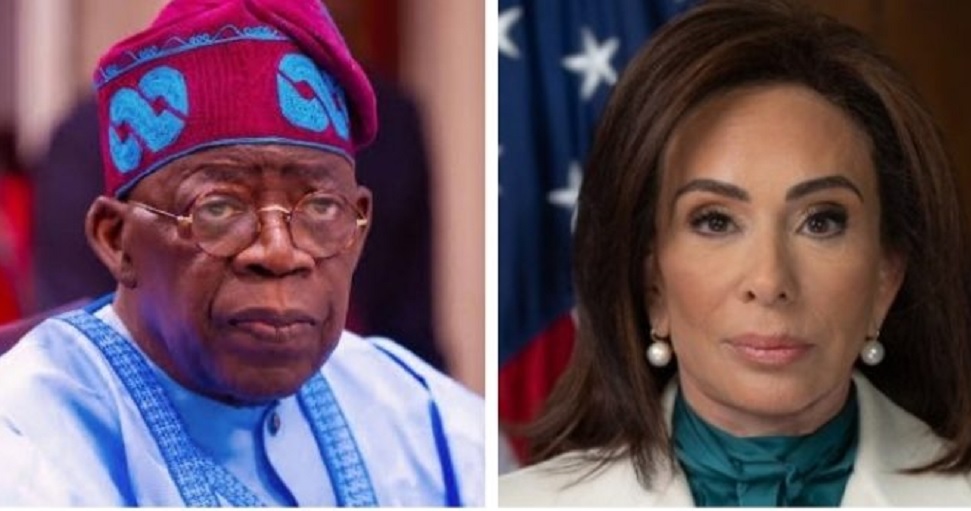
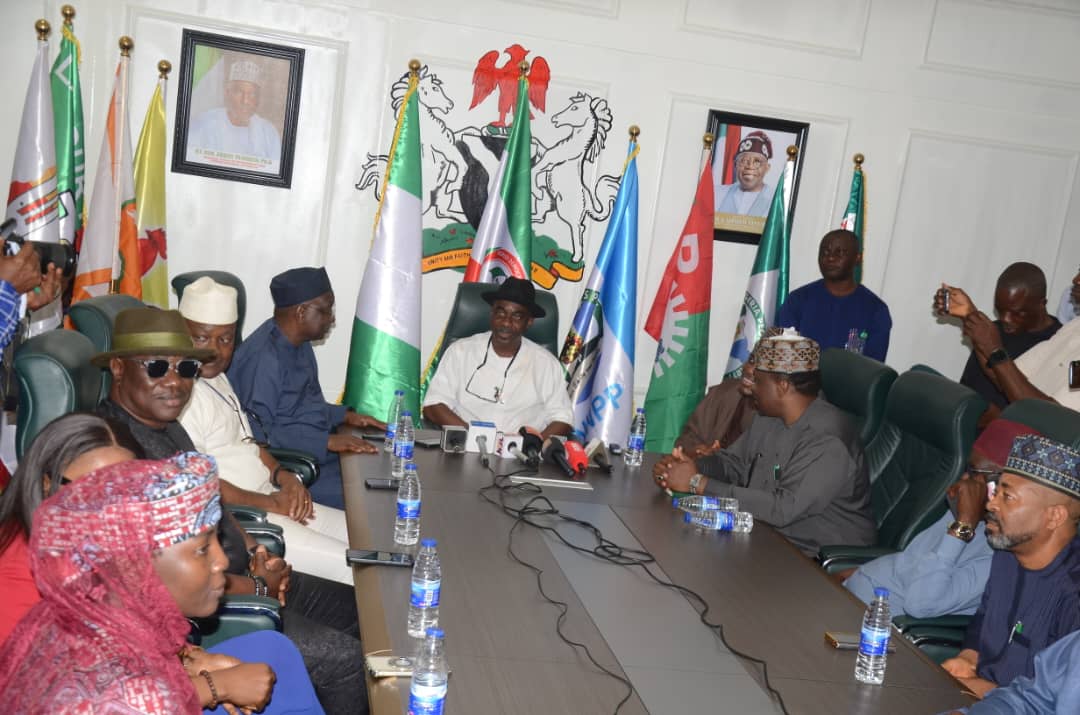
Efforts to build a formidable opposition coalition ahead of the 2027 general elections gathered momentum on Tuesday as the G100 delegation met with the Minority Caucus of the House of Representatives to chart a common strategy aimed at defeating President Bola Tinubu and the ruling All Progressives Congress (APC).
The strategic meeting, held in Abuja, centred on the need for opposition parties to set aside their differences and unite behind a single platform capable of mounting a strong challenge in the next presidential election.

Leading the G100 delegation, former Director-General of the Progressive Governors’ Forum and a member of the African Democratic Congress (ADC), Dr Salihu Lukman, warned that the opposition was in danger of repeating the mistakes that contributed to its defeat in 2023.
According to him, political fragmentation among opposition parties could once again hand victory to the APC if urgent steps were not taken.
He argued that the current political and economic realities in the country demanded a united opposition capable of offering Nigerians a credible alternative.
He said: “As opposition parties, we seem to be fragmented. And if we continue the way we are going, we are almost going to replay the 2023 scenario. And it’s almost like a case of handing over victory to the ruling party. And then we’ll go back to square one.
“We feel, given the situation the country is facing today, the country cannot afford another four years of APC government. And that whatever it will take to get our leaders back together, to do the needful, and begin to work together to ensure victory in the 2027 election, we need to do it”.
Lukman disclosed that the G100 had already begun extensive consultations with leaders of six opposition parties, including the ADC, Nigerian Democratic Congress (NDC), Peoples Democratic Party (PDP), Allied Peoples Movement (APM), Peoples Redemption Party (PRP) and the Social Democratic Party (SDP).
He explained that the delegation had met with presidential candidates, running mates and party chairmen to discuss the possibility of forming a united opposition front.
According to him, the consultations had produced encouraging outcomes.
He also revealed that the next phase of the initiative would be a national summit involving opposition leaders across the country.
The summit, initially scheduled for an earlier date, has now been moved to August 31 to accommodate the signing of a peace accord with the National Peace Committee.
Lukman appealed to the Minority Caucus and other opposition stakeholders to support the coalition-building process, insisting that the project was bigger than any individual or political party.
“This is not about us; it’s about the country. We are appealing that all leaders who have agreed, we should all come and join hands together and ensure that we support our leaders from the different parties to come together and agree to work towards having a common front for the 2027 election in order to guarantee victory against APC,” he said.
He added that the G100 had expanded beyond the original 100 signatories who endorsed the initiative.
According to him, the movement remains open to all Nigerians who believe in the need for a stronger and more united opposition.
“We want to ensure that everybody who believes he or she has a role to play is invited. We want to work with everyone, and that is why we are here. You are our leaders, and we want to work with you to reach out to all our leaders and ensure they get it right so that our people can begin to have some comfort that the 2027 election will not be business as usual,” Lukman added.
Also speaking, former member of the House of Representatives and a member of the Nigerian Democratic Congress, Hon. Sergius Ogun, expressed confidence that President Tinubu could be defeated if opposition parties worked together.
“The weakest of us can defeat this President (Tinubu), but it will be sweeter if we come together. Sweeter, sweeter, swifter and more pleasurable. And we feel we should bring the house together and have a common front,” Ogun said.
He argued that the opposition would remain ineffective as long as political parties continued to operate independently.
“It’s when we can speak with one voice because today we have only one individual and one party tormenting this whole country. And the earlier we come together as one body and speak for Nigerians, the better for all of us,” he said.
Responding on behalf of the lawmakers, the Minority Leader of the House of Representatives, Rep. Fred Agbedi, pledged the caucus’s full support for the initiative.
He disclosed that the caucus had already begun similar consultations with opposition parties and presidential candidates in a bid to strengthen collaboration ahead of the 2027 elections.
According to him, members of the caucus remained actively involved in coalition-building efforts despite the ongoing legislative recess.
“When we saw the G100, it matches our position. And so this is a marriage of confidence, and we believe that we are keyed in already, individually and collectively, as opposition parties in the House of Representatives in particular,” Agbedi said.
He assured the delegation that the Minority Caucus would participate in the technical committee established to drive the process.
Agbedi added that the shared objective of both groups was to build a stronger opposition capable of providing effective leadership and offering Nigerians a viable political alternative.
He said the caucus was committed to working with all stakeholders to “work together to salvage Nigeria.”
News
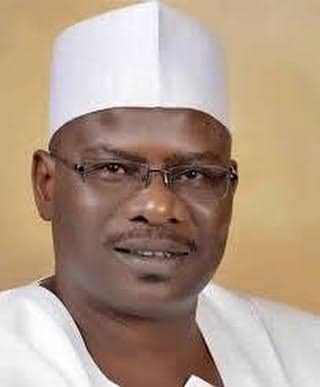
Ali Ndume: A Willing Shield In Borno’s Terror War Zone
By Chris Ochayi
In the early hours of a Monday in July, residents of Ngoshe, a border community in Borno South, woke to gunfire. By dusk, families were counting the missing. Within 48 hours, the familiar blame cycle began again: social media posts, press statements, and then, an accusation that has followed Senator Ali Ndume for years, that he was somehow involved in paying ransom, or playing middleman between terrorists and government.
This time, the claim came from Samaila Kaigama, President of the Borno South Youth Alliance.
Ndume’s response on Channels Television’s Politics Today on Friday was blunt: “I have said it before. In my entire life, I have never seen N1 billion in cash, let alone N5 billion.” He called the allegation “dangerous and baseless.”
But to understand why such claims sting, and why they keep coming, you have to go back 15 years. You have to go to Gwoza, Chibok, Damboa, and the dozens of villages in Borno South that have lived in the shadow of Boko Haram and now ISWAP.
Because if there is one public figure in Nigeria who has consistently put his name, his office, and at times his life, on the line to speak for those communities, it is Senator Ali Ndume.
This is not a story about one denial. It is a chronicle of a man who has spent more than a decade trying to protect 9 local governments from an insurgency that has killed over 35,000 people and displaced more than 2 million.
Long before Boko Haram became a household name, Ndume was already raising the alarm.
Elected to the House of Representatives in 2003 and later Senator for Borno South in 2011, he was among the first lawmakers to publicly warn that the sect was not just a “Yusufiya problem” confined to Maiduguri.
In Senate plenary and in interviews, he argued that the military approach alone would fail without intelligence, community engagement, and development in the Lake Chad basin.
In 2013, when the Federal Government declared a state of emergency in Borno, Yobe and Adamawa, Ndume backed it, but also pushed for civilian protection protocols. His argument was simple: soldiers can clear territory, but only communities can hold it.
That position would later put him in direct conflict with the insurgents. In 2014, Boko Haram overran Gwoza, declared it part of a caliphate, and placed Ndume’s name on a list of “apostate” politicians to be targeted. His hometown of Gwoza was under terrorist control for months.
Borno South is not a monolith. It is 9 LGAs: Biu, Bayo, Chibok, Damboa, Gwoza, Hawul, Kwaya Kusar, Shani, and Askira-Uba. Six of them share borders with Cameroon, Chad, and Niger. That geography made it the perfect corridor for Boko Haram and later ISWAP.
From 2014 to 2017, the story in Borno South was abduction and displacement:
Chibok, April 2014, 276 schoolgirls kidnapped. Ndume was the first senator to visit the town after the abduction, despite military warnings. He pushed for a dedicated rescue task force and for families to be given a direct line to the Presidency.
Gwoza, 2014-2015, Overrun and renamed. Ndume coordinated with the Civilian JTF and IDP leaders to document deaths and missing persons. He used his office to lobby for Gwoza to be prioritized in the military counter-offensive of early 2015.
Damboa and Askira-Uba: Repeated attacks between 2016 and 2019. Ndume consistently raised them on the Senate floor, often against the advice of party leaders who preferred “quiet diplomacy.”
A 2016 report by an NGO working in IDP camps noted that Ndume’s office was one of three in Borno that maintained a weekly call-in line for communities to report attacks. The line was not for politics. It was for coordinates, casualty figures, and urgent evacuation requests.
What makes Ndume different from many of his colleagues is that he refused to go silent.
Between 2015 and 2023, Senate records show he sponsored or co-sponsored over 18 motions directly related to insecurity in the Northeast. Some of the most cited:
1. 2016: Motion on the resurgence of Boko Haram attacks in Borno South and the need for enhanced surveillance on border communities.
2018: Motion urging the FG to equip the Civilian JTF and hunters with better communication gadgets after an ISWAP attack in Rann.
2020: Motion on the killing of farmers in Zabarmari, where he argued that the problem was not just terrorists but the collapse of rural livelihoods.
2022: Motion on ISWAP’s use of drones and IEDs in the Mandara Mountains, calling for air interdiction.
In each case, his strategy was the same: drag the issue to public space. “If we don’t talk about it, Abuja will forget Ngoshe exists,” he told a town hall in Biu in 2021.
That approach earned him enemies in high places. It also earned him trust in villages where government presence was limited to the sound of gunfire.
Ndume’s defense of Borno South has not been limited to security motions. He has argued repeatedly that terrorism thrives where there is no economy.
Through constituency projects and advocacy, his office has:
Facilitated the return of IDPs* to Biu, Hawul, and Shani by lobbying NEMA and SEMA for housing materials and farm inputs.
Pushed for the reopening of the Biu-Damboa-Maiduguri road*, a critical trade route repeatedly targeted by IEDs. In 2022 he personally led a convoy of journalists on the road to prove it was passable.
– *Supported vocational training* for over 3,000 youths in Borno South, with a focus on ex-IDPs and orphans, to reduce recruitment into armed groups.
In 2020, when ISWAP began targeting fishermen in Lake Chad, Ndume moved a motion calling for a joint MNJTF operation to reclaim fishing grounds. His point: “You cannot defeat an ideology on an empty stomach.”
The latest accusation, that Ndume received ransom or acted as middleman is not new. Similar claims surfaced in 2017 during the Dapchi negotiations and again in 2020 after an attack in Auno.
Security analysts who have tracked Borno politics say the pattern is familiar. When a community is attacked and government response is slow, local actors look for someone to blame. As the most visible federal representative from Borno South, Ndume becomes the target.
“He is accessible,” said a civil society leader in Maiduguri who asked not to be named. “People can call his line. So when things go wrong, they assume he knows something. But the truth is, he has been shouting for help louder than anyone.”
On Politics Today, Ndume challenged his accusers to provide proof. “Bring evidence. I have spent my life in public service. My record is there. I have buried constituents. I have visited IDP camps when it was dangerous. I will not now turn around and collect money from the people who killed them.”
In Biu last month, a group of women who run a cooperative for widows of Boko Haram victims described Ndume as “the man who comes even when there is no camera.”
In Gwoza, a youth leader recalled how Ndume’s office helped transport 200 students who fled the 2014 school closures to write WAEC in Biu.
Even critics admit his presence. A local government chairman in Askira-Uba, who disagrees with Ndume politically, said: “Whether you like him or not, when there is an attack at 2am, his number is the one people share on WhatsApp.”
That visibility has come at a price. Ndume has survived at least two assassination attempts linked to insurgents. His convoy has been attacked. In 2015, the Senate suspended him for six months after he accused the leadership of padding the budget a move many in Borno interpreted as punishment for being too vocal on security spending.
Through it all, he has refused security details that would keep him in Abuja. He spends an average of 15 days every month in Borno South, according to his aides.
The war in Borno is not over. ISWAP still operates in the Mandara Mountains. Boko Haram factions still lay IEDs. And every attack produces grief, anger, and the search for someone to hold responsible.
In that environment, allegations are easy. Proof is hard.
Senator Ali Ndume’s record over the last 14 years is public: Senate motions, visits to attacked communities, advocacy for IDPs, and constant pressure on the military and federal government to do more for Borno South.
You can disagree with his politics. You can disagree with his style. But to claim that the man who has spent his career trying to get troops, food, and attention to Ngoshe, Chibok, and Gwoza is now working with the people who burn them requires evidence that has not been presented.
As he put it on Friday: “My people are suffering. Don’t add lies to their pain.”
For the people of Borno South, the war is not about press releases. It is about whether the next convoy gets through, whether the next harvest is safe, and whether their children can go to school without fear.
In that fight, Senator Ali Ndume has chosen to stand in front, not behind.
Chris Ochayi, an Abuja based journalist could be reached on [email protected]
News
NSITF to lead NBA session on expanding legal protections for workers at Port Harcourt Conference
…As Faleye speaks on compliance, payroll transparency under ECA
By Kayode Sanni-Arewa
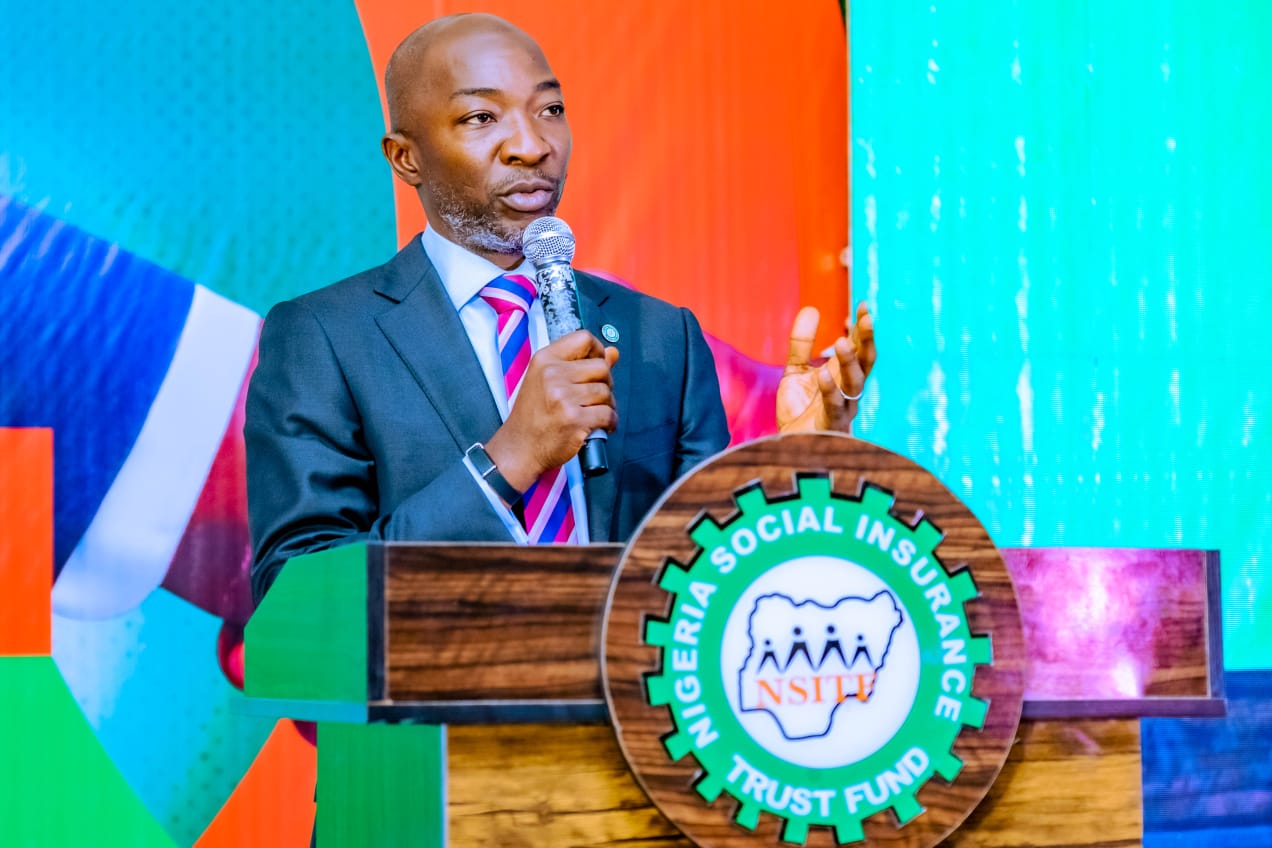
The Nigeria Social Insurance Trust Fund (NSITF) will take centre stage at the Nigerian Bar Association (NBA) Annual General Conference this month with a dedicated session aimed at pushing the legal boundaries of workplace protection and social security in Nigeria.
The session, scheduled for the NBA-AGC holding from 21st to 28th August 2026 in Port Harcourt, Rivers State, will be led by the Managing Director/Chief Executive of NSITF, Mr Oluwaseun Faleye.
With the theme _“Expanding The Legal Frontiers Of Workplace Protection And Social Security Beyond Limits In Nigeria,”_ the NSITF session builds on last year’s conference, which focused largely on creating awareness around the Employees’ Compensation Act, ECA 2010.
The 2026 engagement seeks to move beyond awareness to concrete action: strengthening implementation, driving employer compliance, and improving strategies for delivering workplace protection to Nigerians across all sectors and income levels.
Faleye, who will speak at the session, is expected to outline NSITF’s current drive to expand coverage and deepen collaboration with the judiciary and NBA to enforce the provisions of the Act.
The Port Harcourt session is expected to examine judicial perspectives on compliance, with particular focus on the legal implications of payroll under-declaration.
Discussions will also centre on transparency in employer obligations and how the legal community can help bridge the gap between policy and practice to ensure more workers can access compensation benefits.
The ECA 2010, administered by NSITF through the Employees’ Compensation Scheme, ECS, provides compensation, medical care and rehabilitation for workers who suffer workplace injuries, occupational diseases, or death in the course of employment.
Despite its progressive provisions, NSITF has noted that major gaps persist around awareness, understanding of rights and obligations, and enforcement.
The Fund has also flagged under-declaration or outright exclusion of employees from employer payrolls as a critical issue limiting workers’ access to benefits.
The NSITF has noted that “Legal practitioners play a crucial role as stakeholders in promoting statutory obligations, advocating for employees, and supporting enforcement of the Act”.
The NBA Annual General Conference is the largest gathering of legal professionals in Nigeria and this year’s edition in Port Harcourt is expected to attract thousands of lawyers, judges, and policymakers to debate national issues around law, governance and social justice.
The Nigeria Social Insurance Trust Fund is the agency saddled with administering the Employees’ Compensation Scheme under the Employees’ Compensation Act 2010, providing social protection for workers in both public and private sectors.
News
Nigerian universities approved to offer law(Full list)
By Kayode Sanni-Arewa
The Council of Legal Education (CLE) has officially released its comprehensive compilation of universities authorized to enroll students into the Bachelor of Laws (LL.B) degree program across Nigeria as of August 2026.
Through a public announcement published on Monday and bearing the date August 14, 2026, the Council cautioned prospective applicants, parents, and guardians against seeking admission into unaccredited legal education programs, emphasizing that individuals finishing from such institutions will be disqualified from entering the Nigerian Law School.
The Council clarified that any institution admitting students to study law absent of official accreditation acts directly against the regulatory standards governing legal training within the nation, exposing themselves to potential disciplinary actions.
1.Abia State University, Uturu, Abia State
2. Achievers University, Owo, Ondo State
3. Adamawa State University, Mubi, Adamawa State
4. Adekunle Ajasin University, Akungba-Akoko, Ondo State
5. Adeleke University, Ede, Osun State
6. Admiralty University, Ibusa, Delta State
7. Afe Babalola University, Ado-Ekiti, Ekiti State
8. Ahmadu Bello University, Zaria, Kaduna State
9. Ajayi Crowther University, Oyo, Oyo State
10. Akwa-Ibom State University, Ikot Akpaden, Akwa Ibom State
11. Al-Ansar University, Maiduguri, Borno State
12. Al-Hikmah University, Ilorin, Kwara State
13. Aletheia University, Ago-Iwoye, Ogun State
14. Alex Ekwueme Federal University, Ndufu-Alike, Ebonyi State
15. Amadeus University, Amazi, Abia State
16. American University of Nigeria, Yola, Adamawa State
17. Ambrose Alli University, Ekpoma, Edo State
18. Anchor University, Ayobo, Lagos State
19. Arthur Jarvis University, Akpabuyo (Calabar), Cross River State
20. Ave-Maria University, Piyanko, Nasarawa State
21. Azman University, Kano, Kano State
22. Babcock University, Ilishan-Remo, Ogun State
23. Bauchi State University, Gadau, Bauchi State
24. Bayero University, Kano, Kano State
25. Baze University, Abuja, FCT (Moratorium on admission for three years with effect from 2023/2024 till 2025/2026 session as approved by the Council)
26. Benson Idahosa University, Benin City, Edo State
27. Bingham University, Karu, Nasarawa State
28. Bowen University, Iwo, Osun State
29. Caleb University, Imota, Lagos State
30. Chrisland University, Abeokuta, Ogun State
31. Christopher University, Mowe, Ogun State
32. Chukwuemeka Odumegwu Ojukwu University, Igbariam, Anambra State
33. Confluence University of Science and Technology, Osara, Kogi State
34. Crescent University, Abeokuta, Ogun State
35. Delta State University, Abraka, Delta State
36. Ebonyi State University, Abakaliki, Ebonyi State
37. Edwin Clark University, Kiagbodo, Delta State
38. Edo University, Iyamho (Uzairue), Edo State
39. Ekiti State University, Ado-
40. El-Amin University, Minna, Niger State
41. Elizade University, Ilara-Mokin, Ondo State
42. Enugu State University of Science and Technology, Agbani, Enugu State
43. European University of Nigeria, Abuja
44. Federal University, Dutsin-Ma, Katsina State
45. Federal University, Lokoja, Kogi State
46. Federal University, Otuoke, Bayelsa State
47. Federal University, Wukari, Taraba State
48. Fountain University, Osogbo, Osun State
49. Godfrey Okoye University, Enugu State
50. Gombe State University, Gombe State
51. Gregory University, Uturu, Abia State
52. Hensard University, Toru-Orua, Bayelsa State
53. Ibrahim Babangida University, Lapai, Niger State
54. Igbinedion University, Okada, Edo State
55. Imo State University, Owerri, Imo State
56. Joseph Ayo Babalola University, Ikeji-Arakeji, Osun State
57. Kingsley Ozumba Mbadiwe University, Ogboko, Imo State
58. Koladaisi University, Ibadan, Oyo State
59. Kwara State University, Malete, Kwara State
60. Lagos State University, Ojo, Lagos State
61. Lead City University, Ibadan, Oyo State (Moratorium on admission for five years with effect from 2023/2024 till 2027/2028 session as approved by the Council)
62. Lux Mundi University, Umuahia, Abia State
63. Madonna University, Okija, Anambra State
64. Maduka University, Ekwegbe-Nsukka, Enugu State
65. Margaret Lawrence University, Abuja, FCT
66. Maryam Abacha American University, Kano, Kano State
67. McPherson University, Seriki-Sotayo, Ogun State
68. Mewar International University, Masaka, Nasarawa State
69. Modibbo Adama University, Yola, Adamawa State
70. Nasarawa State University, Keffi, Nasarawa State
71. Newgate University, Minna, Niger State
72. Niger Delta University, Wilberforce Island, Bayelsa State
73. Nigerian-British University, Asa, Abia State
74. Nile University, Abuja
75. Nnamdi Azikiwe University, Awka, Anambra State
76. North-Eastern University, Gombe State
77. Northwest University, Kano (Yusuf Maitama Sule University), Kano State
78. Northwest University, Kalambaina, Wamakko, Sokoto State
79. Novena University, Ogume, Delta State
80. Obafemi Awolowo University, Ile-Ife, Osun State
81. Oduduwa University, Ipetu-Modu, Osun State
82. Olabisi Onabanjo University, Ago-Iwoye, Ogun State
83. Osun State University, Osogbo, Osun State
84. Peaceland University, Enugu, Enugu State
85. Peter University, Achina/Onneh, Anambra State
86. Philomath University, Abuja, FCT
87. Plateau State University, Bokkos, Plateau State
88. Nigeria Police Academy, Wudil, Kano State (Moratorium on admission for two years with effect from 2024/2025 till 2025/2026 session as approved by the Council)
89. Prime University, Kuje, FCT Abuja
90. Prince Abubakar Audu University, Anyigba, Kogi State
91. Rayhaan University, Birnin-Kebbi, Kebbi State
92. Redeemer’s University, Ede, Osun State
93. Renaissance University, Ugbawka, Enugu State
94. Reverend Father Moses Orshio Adasu University, Makurdi, Benue State (formerly Benue State University)
95. Rivers State University, Port Harcourt, Rivers State
96. Salem University, Lokoja, Kogi State
97. Sam Maris University, Supare-Akoko, Ondo State
98. Shanahan University, Onitsha, Anambra State
99. Skyline University, Kano, Kano State
100. Taraba State University, Jalingo, Taraba State
101. Thomas Adewunmi University, Oko-Irese, Kwara State
102. Topfaith University, Mkpatak, Akwa Ibom State
103. Umaru Musa Yar’Adua University, Katsina, Katsina State
104. University of Abuja, Abuja, FCT
105. University of Benin, Benin City, Edo State
106. University of Calabar, Calabar, Cross River State
107. University of Delta, Agbor, Delta State
108. University of Ibadan, Ibadan, Oyo State
109. University of Ilesa, Ilesa, Osun State
110. University of Ilorin, Ilorin, Kwara State
111. University of Jos, Jos, Plateau State
112. University of Lagos, Akoka, Lagos State
113. University of Maiduguri, Maiduguri, Borno State
114. University of Nigeria, Nsukka, Enugu State
115. University of Port Harcourt, Port Harcourt, Rivers State
116. University of Uyo, Uyo, Akwa Ibom State
117. University on the Niger, Umunya, Anambra State
118. Usman Danfodio University, Sokoto, Sokoto State
119. Veritas University, Bwari, Abuja
120. Wesley University, Ondo, Ondo State
121. Western Delta University, Oghara, Delta State
122. Yobe State University, Damaturu, Yobe State
-
News6 hours agoMaitama Flood: Wike Orders Demolition of Houses Blocking Water Channels(Photos)
-
News11 hours ago(Analysis)Abuja Flooding Did Not Start Today: FCT Must Move Beyond Political Blame
-
Foreign11 hours agoSad: Venezuela death earthquake toll hits 6,438
-
News23 hours agoAbuja Set for Global PR Summit as Nigeria Unveils Jollof Festival, Cultural Showcase
-
Politics11 hours agoLamentations after defeat: APC says Adeleke was taken for granted as in-house aided his victory
-
News1 hour agoFinally, Bayelsa Assembly endorses removal of Sagbama Chairman, Vice over gross misconduct
-
News4 hours ago2027 Presidential election will be easiest for Tinubu, Wike declares
-
News1 hour agoAdeleke Denies Deal With ADC Over Osun Governorship Election Victory