

By Gloria Ikibah
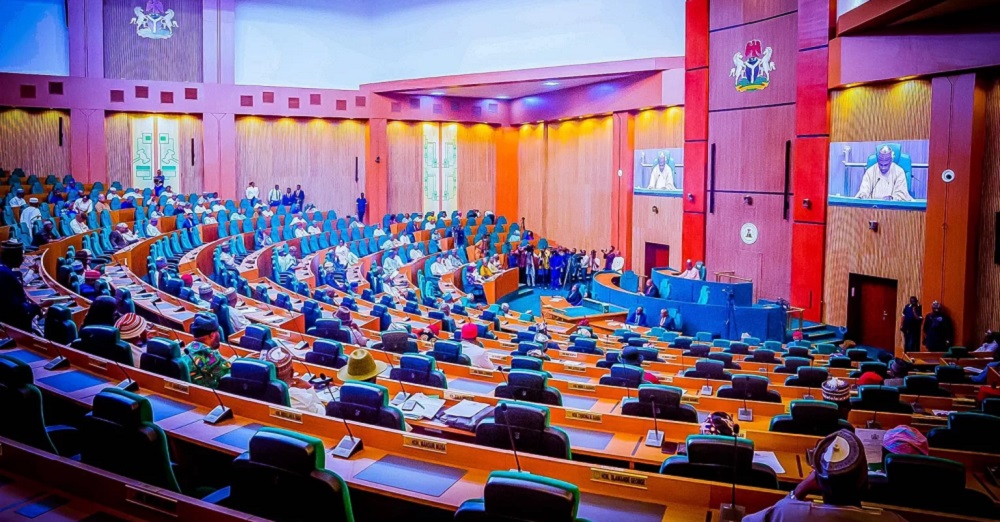
The House of Representatives has called on the Federal Government to review the proposed realignment of the Lagos-Calabar Coastal Highway, warning that diverting the road away from riverine communities in Delta State could undermine the project’s economic objectives and cut off vital oil and gas infrastructure from improved road access. 
The House also urged the Federal Ministry of Works to retain the highway’s originally conceptualised coastal alignment through Ondo and the Escravos–Ogheye–Ugborodo corridor.
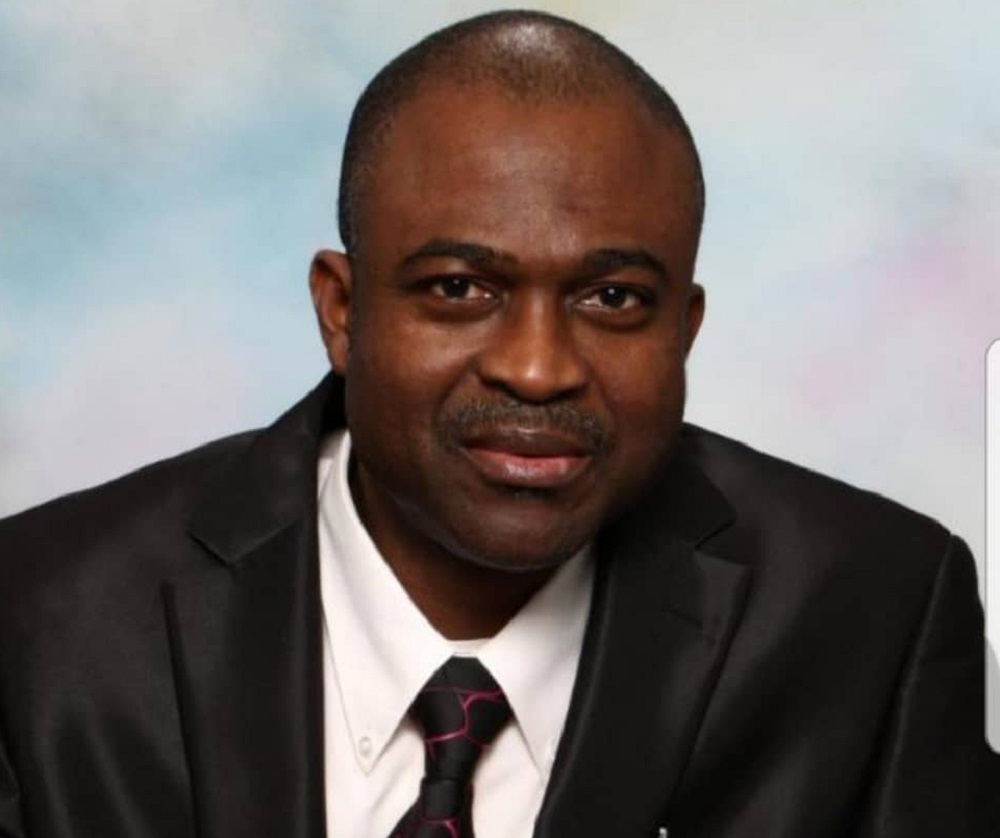
This resolution followed the adoption of a motion by Rep. Thomas Ereyitomi, on the “Need to Review the Proposed Realignment of the Lagos-Calabar Coastal Highway and Its Implications for Coastal Communities”, on Wednesday at plenary.
Ereyitomi argued that the highway was conceived as a strategic infrastructure project to strengthen connectivity along Nigeria’s coastline, facilitate interstate commerce, promote economic integration and unlock the development potential of coastal communities.
However, the proposed realignment has raised concerns over whether the project would deliver on these objectives, particularly if alternative routes are adopted without independent assessments of their engineering requirements, environmental consequences, socioeconomic impact and total lifecycle costs.
The House acknowledged that the Federal Government had cited difficult geotechnical and environmental conditions, including swampy terrain, weak subgrades and challenging subsoil conditions, as reasons for considering changes to sections of the highway.
But Ereyitomi maintained that these challenges should be carefully evaluated against the long-term costs and benefits of retaining the original route.
He expressed particular concern that the proposed realignment would bypass riverine communities in Delta State, especially the Ogheye–Orere–Ugborodo–Escravos corridor, which hosts the Chevron tank farm, the Escravos Gas-to-Liquids (EGTL) Plant and other critical oil and gas facilities.
According to him, these communities host strategic energy infrastructure and domestic flow stations that contribute significantly to Nigeria’s crude oil exports, foreign exchange earnings, energy supply and national economic development.
Retaining the coastal route, the lawmaker argued, will improve access to these economic hubs, ease the movement of personnel, equipment and commercial goods, and encourage the development of connecting roads and supporting infrastructure.
He further stressed that preserving the highway’s coastal character could expand its economic benefits and strengthen links between communities and strategic industrial facilities.
Ereyitomi also called for a comprehensive assessment of the costs associated with alternative alignments, including additional road distance, bridge construction, ground improvement, environmental mitigation, compensation, flood resilience and long-term maintenance.
Rather than treating difficult terrain as an automatic justification for abandoning the original route, the motion identified several engineering options that could be considered, subject to site-specific technical and environmental assessments.
These include soil stabilisation, geosynthetics, piled foundations, reinforced embankments and elevated viaducts, which could provide possible solutions to challenging ground conditions.
The lawmaker emphasised the need to balance engineering feasibility with environmental sustainability, financial prudence, value for money and the interests of coastal communities affected by the project.
He therefore called for a transparent, evidence-based and independently reviewed process to determine the most appropriate alignment, with the highway’s original connectivity and developmental objectives remaining central to the decision.
In its resolutions, the House was urged to call on the Federal Ministry of Works to review the proposed realignment and retain the originally conceptualised Lagos-Calabar Coastal Highway route through Ondo and the Escravos–Ogheye–Ugborodo corridor.
It also mandated the House Committee on Works to ensure implementation and report back within four weeks for further legislative action.
The debate over the highway’s alignment places renewed focus on the need to ensure that major infrastructure projects deliver benefits to coastal communities while safeguarding critical energy assets and maintaining sound engineering, environmental and financial standards.