By Gloria Ikibah


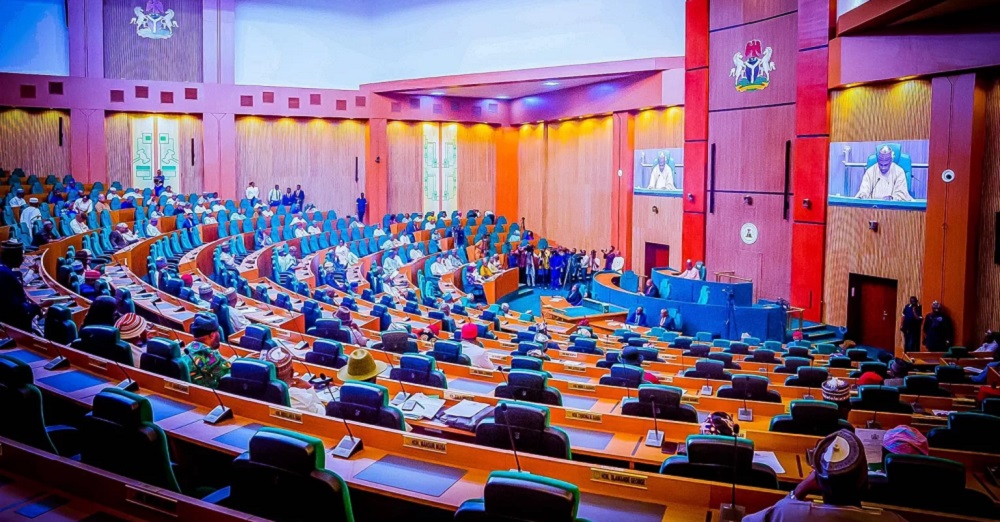
The House of Representatives has defended Speaker Rt. Hon. Tajudeen Abbas over Wednesday’s controversy surrounding a motion on the implementation of capital projects in the 2026 Budget, insisting that the disagreement was purely procedural and not an attempt to prevent debate on the issue.
In a statement issued on Wednesday, by the House Spokesman, Akin Rotimi, he said public reactions to the incident had misconstrued what transpired during plenary, stressing that the Speaker acted strictly in accordance with the House Standing Orders. 
The clarification followed debate over a Matter of Urgent Public Importance sponsored by the member representing Aba North/Aba South Federal Constituency of Abia State, Rep. Alexander Mascot Ikwechegh, on funding challenges confronting Ministries, Departments and Agencies (MDAs) and the execution of the capital component of the Federal Budget.
According to the House, the controversy did not stem from the subject matter of the motion but from discrepancies between the version submitted to the Speaker for approval and the one eventually presented on the floor.
“The issue was not the substance of the motion, but a procedural matter relating to a difference between the version of the motion submitted to the Speaker for approval and the version presented on the floor,” the statement said.
It explained that under Order Eight, Rule 5(1) of the Standing Orders of the House of Representatives (Eleventh Edition), every Matter of Urgent Public Importance must first be submitted to the Speaker before it can be raised during plenary.
“This ensures that only matters meeting the required threshold of urgency are admitted and that Members deliberate on an authenticated text,” the statement added.
The House noted that despite objections from some lawmakers, Speaker Abbas admitted the motion for debate, allowing Ikwechegh to present it before members.
However, while the motion was being moved, the Speaker observed that key aspects of the document differed from the version earlier approved.
“Some portions of the motion, particularly the proposed resolutions and prayers, differed materially from the version earlier submitted and approved. Additional prayers not contained in the approved document had been introduced,” the statement said.
To safeguard the integrity of parliamentary proceedings, the Speaker directed that the officially submitted version be read aloud and invited members of the Minority Caucus to verify the discrepancies.
“As an institution built on records and due process, the House can only take decisions based on motions and documents duly submitted, authenticated, and admitted for consideration. Any substantial alteration to an approved motion during presentation must follow the appropriate parliamentary procedure,” the statement further read.
The House rejected suggestions that the opposition lawmaker had been prevented from raising the matter.
“It is important to emphasise that the sponsoring Member was not prevented from raising the issue before the House. The concern was solely about ensuring compliance with established procedures and maintaining the integrity of legislative records,” it stated.
The statement further reminded lawmakers of their responsibility to comply strictly with parliamentary rules.
“While acknowledging that Members continue to deepen their understanding of parliamentary practice, all Members are expected to present motions strictly in the form submitted and approved for consideration,” it noted.
According to the House, the Speaker subsequently referred the matter, based on the prayers contained in the officially approved motion, to an ad hoc committee for further legislative examination and a report.
Reaffirming its commitment to due process, the House said it will continue to protect members’ right to raise issues of urgent public importance while ensuring that legislative business is conducted in line with established rules.
“The House of Representatives remains committed to protecting Members’ rights to raise matters of public importance while ensuring that all proceedings are conducted in line with the Standing Orders, due process, and the highest standards of parliamentary integrity,” the statement asserted.