

By Gloria Ikibah
The State Police Bill, seeking to decentralise policing functions between the Federal and state governments, will be transmitted to President Bola Tinubu today for assent. 
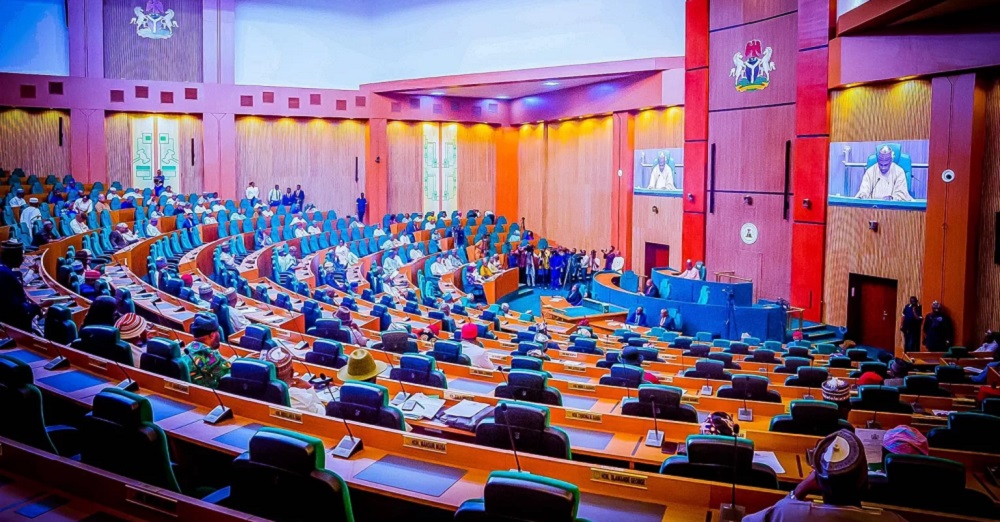
The Deputy Speaker of the House of Representatives, Rt. Hon. Benjamin Kalu, disclosed this on Wednesday while presiding over plenary, following the approval of the proposed constitutional amendment by 29 of the 36 State Houses of Assembly.
Kalu expressed excitement over the endorsement of the proposed police reform by more than two-thirds of the state legislatures, describing the development as a major step towards the establishment of state police in Nigeria.
“The State Police Bill has received the backing of 29 State Assemblies. Later today, the Clerk to the National Assembly will transmit it to the President for assent,” he said.
The approval by the state assemblies marks a significant milestone in the country’s efforts to amend the Constitution to allow states to establish and manage their own police forces alongside the Nigeria Police Force.
The proposed reform is aimed at addressing longstanding concerns over Nigeria’s centralised policing structure, which critics have argued limits the capacity of security agencies to respond effectively to local security challenges.
Under the proposed arrangement, state governments will have greater responsibility for policing within their jurisdictions, while the Federal Government will retain its own police structure.
The reform is expected to strengthen security operations by allowing states to develop policing strategies tailored to their specific security needs.
The transmission of the bill to the President for assent marks the next stage in the constitutional amendment process, following the required legislative approvals by the National Assembly and the state assemblies.
The proposed establishment of state police has remained a major issue in Nigeria’s security reform debate, with supporters arguing that decentralising policing will improve intelligence gathering, strengthen community-based security and enhance responses to crime.
The development is expected to pave the way for a significant restructuring of Nigeria’s policing system, subject to the completion of the constitutional amendment process.