Connect with us

News

Food Insecurity: Nigeria loses N50n Daily To Importation Of Pineapple

Published

on

ADVERTISEMENT
Zoom Ad
ADVERTISEMENT
Zoom Ad
By Gloria Ikibah 
 
As Nigeria continues to grapple with the issue of food insecurity, an Agriculturist, Ambassador Oluwasegun Alabi has said that the nation loses a massive N50 million daily to importation of pineapples despite producing about 1,607,200 metric tons per annum, placing the country as the eight largest producers of the crop in the world.
 
According to him, despite Nigeria’s comparative advantage, it still imports pineapple from Ghana and Togo, who are ranked 13th and 16th producers of pineapple in the world by the Food and Agricultural Organisation.
 
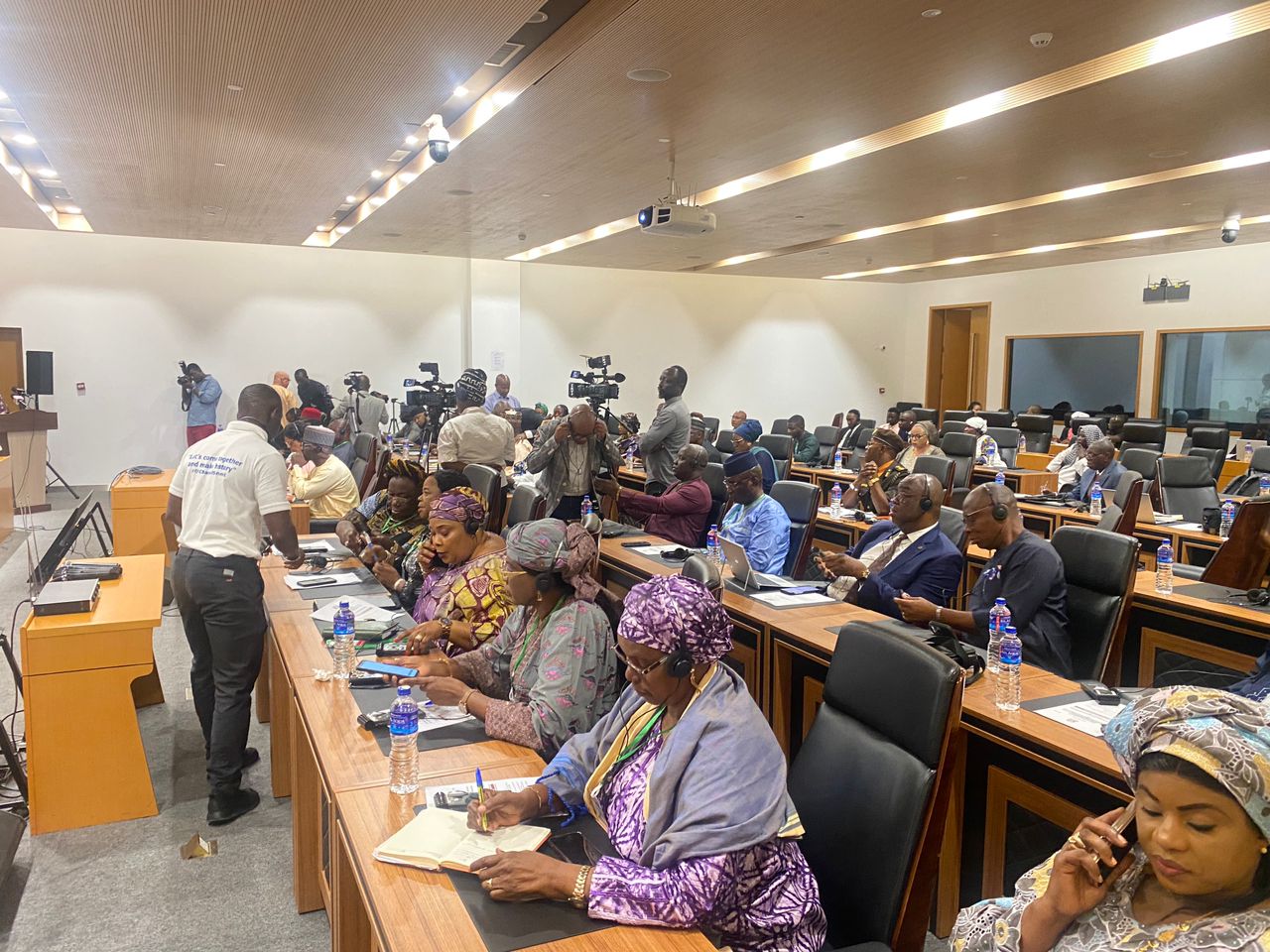
Alabi who stated this at a news conference on Monday in Abuja, said Nigeria was only able to meet 50 percent of its pineapple demand needs annually despite high demand from Asian countries.
 
He also explained that the pineapple being cultivated in Nigeria does not meet the required standard for industrial use because the farmers failed to complied with good agricultural practices resulting in subpar fruit quality which makes them unsuitable for export and industrial use.
 
Alabi who is the Chief Executive Officer of Davidorlah Farms, added that without proper processing facilities to package pineapples, Nigerians cannot export value added products such as canned pineapples and pineapple concentrated juice thereby leaving the country out of the global market.
 
He further explained that Pineapple as the 5th most consumed fruit in the world, holds a unique position as one of the luxury produce items in the global market, and the demand for pineapples consistently exceeds the supply, making it a highly lucrative crop.
 
According to the expert, despite the growing global demand for pineapples, Nigeria’s agricultural sector is yet to fully tap into this opportunity. 
 
 
He said: “One of the key challenges is the inconsistency in the quality of produce, stemming from outdated farming practices, stressing that many Nigerian farmers lack access to modern knowledge, resources, and infrastructure required to meet international standards.
 
“A new discovery has unveiled the incredible versatility of pineapples, revealing that they can be used to produce a variety of items such as clothing, shoes, bags, disposable plates, spoons, and even biofuel. Coupled with the well-known health benefits of pineapples. All these factors has made the demand for pineapple in the world increase immensely.
 
“With vast, fertile land, Nigeria has the potential not only to meet its domestic pineapple demand but also to become a leading global exporter. However, despite favorable climatic conditions, Nigeria has struggled to position itself as a key plaver in the international pineapple market.
 
“Instead, the country continues to import pineapples and related products, missing out on potential export revenue and global trade opportunities. Nigeria’s inability to capitalize on its pineapple production can be traced to several key challenges.
 
“We urge the government to create an enabling environment that fosters business growth and allows the private sector to thrive. To further address the pressing issue of food security crisis in Nigeria, it is essential for the government to further engage the right people in the agricultural sector- individuals, organization with proven track records and a deep understanding of the industry, who can offer informed and strategic advice on how to solve these challenges with urgency”.

Continue Reading
Advertisement
Click to comment

You must be logged in to post a comment Login

Leave a Reply

News

Iran Seizes Two Ships attempting to cross Strait of Hormuz

Published

on

ADVERTISEMENT
Zoom Ad
ADVERTISEMENT
Zoom Ad

Iran’s Revolutionary Guards said on Wednesday that their naval forces stopped two ships attempting to cross the Strait of Hormuz and directed them to the territorial waters of the Islamic Republic.

“The Islamic Revolutionary Guard Corps naval force this morning identified and stopped in the Strait of Hormuz two violating ships,” the Guards said in a statement.

“The two offending ships… were seized by the IRGC’s naval forces and directed to the Iranian coast.”

They identified one ship as “MSC-FRANCESCA”, which they said belonged “to the Zionist regime” in reference to Israel, and the other as “EPAMINONDAS”, which they said was “tampering with navigation systems and jeopardising maritime security.”

Advertisement

The Guards further warned against any action against the regulations imposed by the Islamic republic in the strait “as well as activities contrary to the safe passage” through the waterway.

Tehran has said vessels must seek permission to leave of enter the Gulf through Hormuz, through a route that in peacetime accounts for a fifth of the world’s oil and gas exports along with other vital commodities.

Source: AFP

Advertisement
Continue Reading

News

Gumi wants Nigerian government to consider dialogue in tackling terrorism

Published

on

ADVERTISEMENT
Zoom Ad
ADVERTISEMENT
Zoom Ad

Islamic cleric Sheikh Ahmad Gumi has advised the Nigerian government to rethink its stance on refusing to negotiate with terrorists, saying dialogue may be key to ending the country’s long-running violence.

In a Facebook post on Wednesday, the Kaduna-based cleric argued that Nigeria is being influenced by a “Western slogan” that does not always reflect reality.

He stressed that talks, rather than force alone, could help break the cycle of attacks affecting many parts of the country.

Gumi also warned that weak border control is worsening insecurity, allowing weapons and criminal elements to move freely.

Advertisement

According to him, this has made it more difficult to defeat terrorism and protect citizens.

He pointed to ongoing tensions involving the United States and Iran, saying even powerful nations engage in negotiations despite public positions against it. He urged Nigeria to draw lessons from such situations.

He said: “We should not be misled by the Western slogan, ‘We don’t negotiate with terrorists.’”

Gumi added that violence often leads to more suffering for civilians, as both terrorist attacks and military operations tend to harm innocent people.

Advertisement

He further explained: “As long as Nigeria’s borders remain porous, the cycle of violence will persist.”

The cleric emphasised that understanding the root causes of terrorism is crucial to finding lasting solutions, warning that force alone cannot resolve the crisis.

In his words: “The lesson is clear: lasting solutions require realism, dialogue, and strategic understanding, not just force.”

Gumi suggested that Nigeria may need a neutral mediator to help open dialogue and reduce tensions, similar to efforts seen in other conflict zones.

Advertisement
Continue Reading

News

Kano Gov nominates Garo as deputy

Published

on

ADVERTISEMENT
Zoom Ad
ADVERTISEMENT
Zoom Ad

Governor of Kano State, Abba Yusuf, has nominated and forwarded Murtala Garo to the State House of Assembly for screening and confirmation as the new deputy governor of the State.

This is contained in a statement by the Chief Press Secretary to the governor, Mustapha Muhammad, late Tuesday night.

According to the statement: “The nomination is in line with Section 191(3) of the 1999 Constitution (as amended), which empowers the Governor to nominate a Deputy Governor where a vacancy exists.”

Recall that the position of the deputy governor became vacant after the resignation of Abdussalam Gwarzo on March 27, 2026.

Advertisement

“Following wide consultations with key stakeholders, the Governor has requested the Assembly to grant the necessary approval for Garo’s nomination,” the statement added.

Continue Reading

Trending

Copyright © 2024 Naija Blitz News