Connect with us

News

Just in:Tinubu endorses appointment of Adeyemi as new CG of Federal Fire Service

Published

on

ADVERTISEMENT
Zoom Ad
ADVERTISEMENT
Zoom Ad

President Bola Tinubu has approved the appointment of Deputy Controller-General (DCG) Olumode Samuel Adeyemi as the new Controller-General of the Federal Fire Service (FFS).


The appointment, made on behalf of President Tinubu, was conveyed through the Civil Defence, Correctional, Fire and Immigration Services Board (CDCFIB).

According to a statement by the Secretary to the Board, Maj.-Gen. (Rtd.) A. M Jibril, the appointment is effective from August 14, 2025.

His appointment follows the imminent retirement of the current Controller-General, Engr. Abdulganiyu Jaji Olola, who will officially exit the service on August 13, 2025 after attaining the mandatory retirement age of 60.

Advertisement

The statement explained that DCG Adeyemi, is a seasoned officer who transferred his service from the FCT Fire Service to the Federal Fire Service.

Over the years, he rose through the ranks to become Deputy Controller-General in charge of the Human Resource Directorate at the Service Headquarters.

Throughout his career, Adeyemi has completed all mandatory in-service training and command courses, along with several professional programmes both in Nigeria and abroad.

His credentials are further reinforced by his membership and fellowship in notable professional bodies including the Association of National Accountants of Nigeria (ANAN), Institute of Corporate Administration of Nigeria, Institute of Public Administration of Nigeria, and the Chartered Institute of Treasury Management of Nigeria.

Advertisement

The Board, in the statement, extended its appreciation to the outgoing Controller-General, Engr. Olola, acknowledging his outstanding contributions to the growth and reform of the Federal Fire Service.

His tenure, the statement noted, was marked by significant initiatives that improved operational effectiveness and service delivery.

With the appointment of DCG Adeyemi, the Board expressed confidence in his capacity to lead the Service into a new era of professionalism and performance.


Advertisement
Continue Reading
Advertisement
Click to comment

Warning: Undefined variable $user_ID in /home/naijuinz/public_html/wp-content/themes/zox-news/comments.php on line 49

You must be logged in to post a comment Login

Leave a Reply

News

Just in: Ahead 2027, Kano NDC Senators Meet Tinubu over Planned Defection to APC

Published

on

ADVERTISEMENT
Zoom Ad
ADVERTISEMENT
Zoom Ad

Fresh challenge has surfaced over the political future of Kano Central Senator Rufa’i Hanga after he held a closed-door meeting with President Bola Tinubu at the Presidential Villa in Abuja, sparking widespread speculation that he may soon dump the Nigeria Democratic Congress (NDC) for the ruling All Progressives Congress (APC).

The meeting, which took place on Sunday, has intensified discussions within political circles, especially as Hanga is currently the only NDC senator representing Kano State in the National Assembly. Hanga arrived at the State House alongside former Senator Kabiru Gaya and was ushered into the Presidential Villa by Deputy Senate President Barau Jibrin.

Following the meeting, Barau described the engagement as “fruitful,” although he did not disclose details of the discussions.Government The senator’s visit to the Presidency came shortly after separate meetings with APC National Chairman Nentawe Yilwatda and Kano State Governor Abba Yusuf, further fueling reports that he is preparing to cross over to the APC ahead of the 2027 general elections. Political observers believe the sequence of high-level consultations is a strong indication that Hanga may be set to formally align with the ruling party after his relationship with NDC leader Rabiu Kwankwaso reportedly deteriorated.

The alleged rift between the two politicians became public after Hanga failed to secure the NDC senatorial ticket for another term and was also overlooked for the party’s deputy governorship nomination.

Advertisement

Executive Branch Analysts say welcoming Hanga into the APC would strengthen the party’s influence in Kano, particularly in Kano Central Senatorial District, one of the state’s most politically significant constituencies. Hanga is regarded as an experienced politician with deep roots in northern Nigerian politics.

He previously served as the founding National Chairman of the Congress for Progressive Change (CPC), the political platform established by former President Muhammadu Buhari before it merged with other parties to form the APC in 2013.Africans & Diaspora Over the years, the senator has built a reputation for maintaining close contact with his constituents through grassroots empowerment initiatives and welfare programmes across the 15 local government areas that make up Kano Central, including Kano Municipal, Tarauni, Dala, Nassarawa and Fagge. Although opinions remain divided over his personal political strength, supporters insist he enjoys considerable influence among traditional institutions, community leaders and grassroots supporters.

Many analysts believe that joining the APC could provide Hanga with renewed political relevance, access to federal support and the opportunity to secure a strategic position within the party in Kano State. His fallout with Kwankwaso became more pronounced during a recent radio interview in Kano, where he openly accused the former governor of betraying him by denying him both a return Senate ticket and the NDC deputy governorship slot.

Responding to claims that his age and health influenced the decision, Hanga dismissed the argument and insisted he remained physically fit to continue serving. “How can Kwankwaso cite my age and health condition to deny me the chance? As of today, I am healthier than Kwankwaso.

Advertisement

His frequent references to my leg condition are nothing but a sham. Regarding age, he is two years older than I am,” Hanga said. He maintained that his leg condition has never affected his performance in the Senate and accused the NDC leadership of deliberately sidelining him.

With political realignments gathering momentum ahead of the 2027 elections, Hanga’s latest engagements with President Tinubu and senior APC leaders have further intensified speculation that a formal defection announcement could be imminent.

Continue Reading

News

Reps Back President Tinubu’s Economic Reforms, Subject 13 Commerce Bills to Public Scrutiny

Published

on

ADVERTISEMENT
Zoom Ad
ADVERTISEMENT
Zoom Ad

By Gloria Ikibah

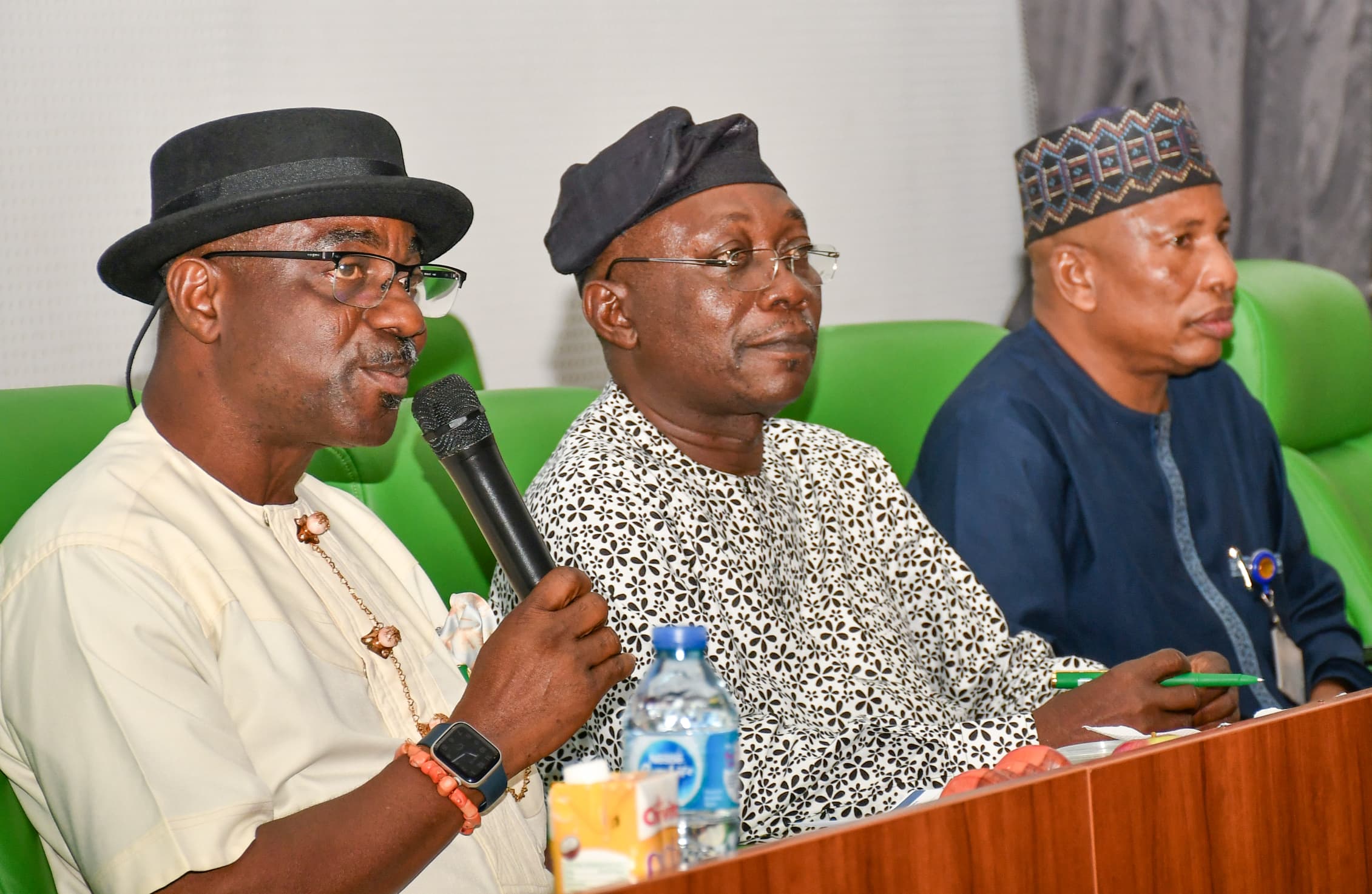
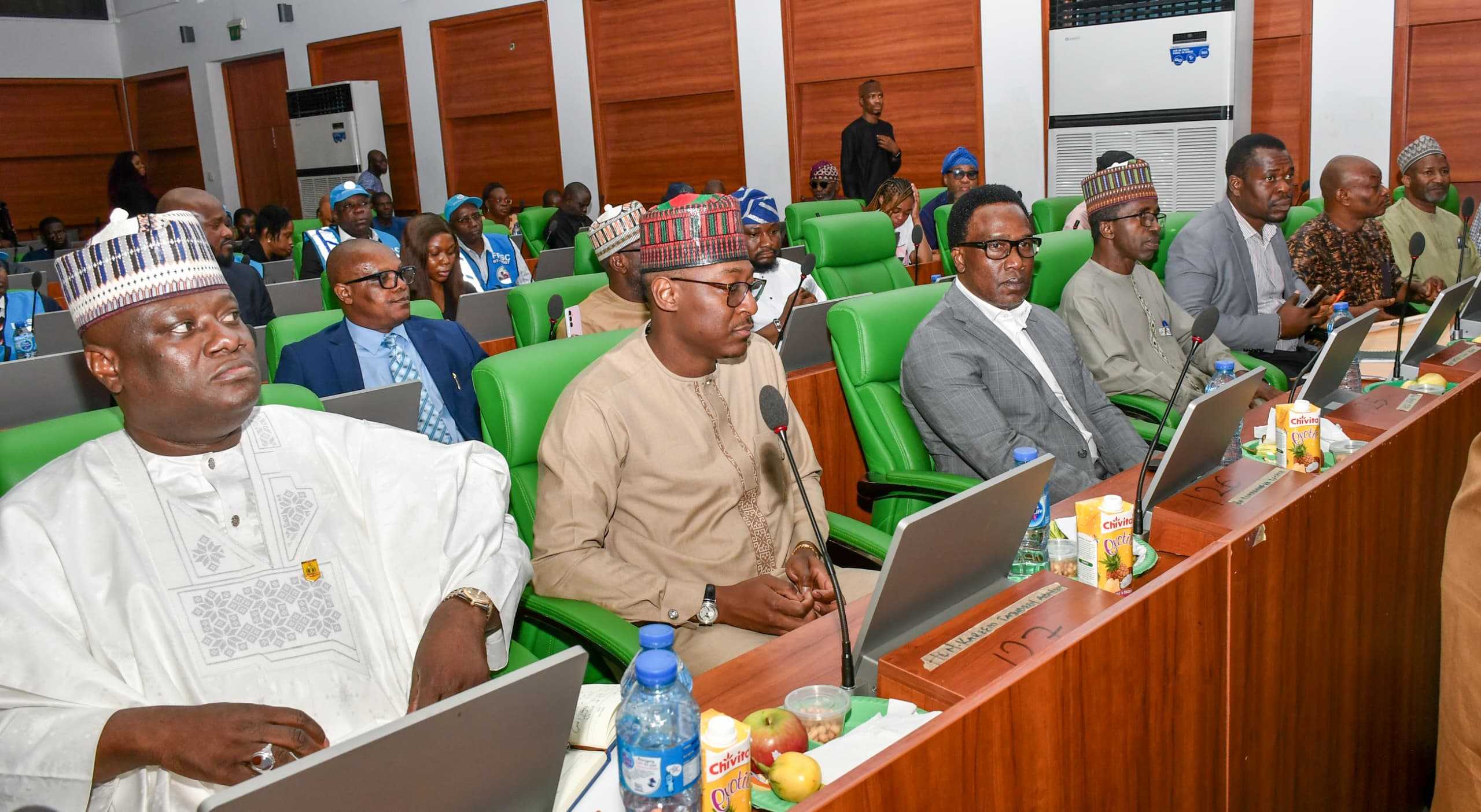
The House of Representatives has reaffirmed its commitment to supporting President Bola Ahmed Tinubu’s economic reform agenda as lawmakers commenced a public hearing on 13 commerce-related bills aimed at strengthening Nigeria’s business environment, expanding trade opportunities and promoting private sector growth.

Speaker of the House, Rt. Hon. Tajudeen Abbas, made the commitment while declaring open the public hearing organised by the House Committee on Commerce on Monday in Abuja.

He described commerce as one of the strongest pillars of Nigeria’s economy, noting that it drives investment, stimulates production, creates jobs, encourages innovation and boosts consumer confidence.

Advertisement

According to the Speaker, the ongoing legislative exercise is designed to ensure that Nigeria’s commercial laws keep pace with technological advancements, emerging economic realities and global best practices.

He said: “As Nigeria pursues economic diversification and greater competitiveness, we must ensure that our commercial laws are responsive to emerging realities, technological advancement and international best practices.

“This hearing exemplifies the enduring commitment of the House of Representatives to inclusive, transparent and participatory lawmaking. We firmly believe that legislation is strongest when it does not depend on the wisdom of legislators alone, but incorporates the practical experience, expertise and perspectives of the people it is designed to serve. Public hearings therefore remain one of the most valuable instruments through which we deepen democracy and ensure that our laws truly reflect the needs and aspirations of Nigerians”.

Speaker Abbas explained that the objective of the hearing was to subject the proposed legislation to thorough public examination, receive input from stakeholders and ensure that the final laws promote enterprise, protect legitimate businesses, encourage fair competition and support sustainable economic growth.

Advertisement

“In carrying out this important responsibility, the Committee is expected to carefully examine the policy objectives of each Bill, assess their likely impact on businesses, investors and consumers, receive memoranda and oral presentations from stakeholders, and recommend only those provisions that will strengthen Nigeria’s commercial environment and improve our competitiveness as an investment destination. These responsibilities demand diligence, fairness, objectivity and an unwavering commitment to the national interest.

“This exercise aligns closely with the Legislative Agenda of the 10th House of Representatives, which places a premium on economic growth, institutional reform, good governance and private sector development. Since our inauguration, we have remained committed to enacting laws that improve the ease of doing business, support entrepreneurship, remove unnecessary regulatory barriers, attract investment and create opportunities for our people.

“It also reinforces our unwavering commitment to supporting the economic reform programme of the administration of President Bola Ahmed Tinubu, GCFR. The Renewed Hope Agenda envisions a stronger, more productive and globally competitive Nigerian economy. As the People’s House, we shall continue to provide the legislative framework and oversight necessary to translate that vision into measurable progress for businesses, investors and ordinary Nigerians,” he added.

The Speaker urged participants to approach the assignment with patriotism and place national interest above personal or institutional considerations.

Advertisement

“Let our contributions be guided by facts, informed by experience and inspired by our collective desire to build a stronger economy. Let us rise above sectional, institutional or personal interests and focus instead on what is best for our nation.

“It is actually through engagements like this that we strengthen our democratic institutions, build public confidence in the legislative process and lay the foundation for a more dynamic, competitive and prosperous Nigerian economy,” Abbas said.

Also speaking, the Minister of Industry, Trade and Investment, Dr. Jumoke Oduwole, commended the House for initiating a public hearing on the African Continental Free Trade Area (AfCFTA) Domestication Bill, describing it as a critical step towards Nigeria’s economic transformation.

The Minister said the agreement offers Nigeria enormous opportunities to expand trade, attract investment, strengthen regional value chains and create jobs.

Advertisement

“The AfCFTA is critical to Nigeria’s trade, investment, industrialization and economic transformation agenda.

“The AfCFTA is the world’s largest free trade area by number of participating countries. It provides access to a continental market of over 1.4 billion people with a combined GDP exceeding US$3 trillion. For Nigeria, it presents a unique opportunity for Nigerian businesses to expand into new markets, attract investment, create jobs and strengthen regional value chains.

“Since ratifying the Agreement in 2020, Nigeria has made significant progress in its implementation. We have established the institutional framework for coordination through the Central Coordination Committee and the Nigeria AfCFTA Coordination Office, developed a National AfCFTA Implementation Strategy, and submitted our tariff concessions and services commitments under Trade in Goods and Services respectively,” Oduwole said.

The minister, who currently serves as Chairperson of the AfCFTA Council of Ministers, stressed that successful implementation of the continental trade agreement requires a solid legal framework.

Advertisement

“As the current Chairperson of the AfCFTA Council of Ministers, I recognise the fact that effective continental implementation of the AfCFTA requires more than policy and administrative action.

“It requires a clear and comprehensive domestic legal framework. At the recent meeting of the ECOWAS Council of Ministers responsible for Industry and Trade (ECOMOTI) held in June 2026, the Council underscored this point,” she said.

She described the proposed AfCFTA Domestication Bill as both timely and strategic.

“The Bill is not merely about implementing an international treaty. It is about positioning Nigeria to fully harness the opportunities of continental trade while safeguarding our national interests. It provides the legal basis for coordinated implementation across government institutions, promotes transparency and predictability for investors and businesses, and strengthens Nigeria’s capacity to meet its obligations while effectively enforcing its rights under the Agreement.

Advertisement

“Importantly, this legislation aligns with the Renewed Hope Agenda of President Bola Ahmed Tinubu, GCFR, by promoting economic diversification, industrial growth, export expansion, investment promotion and job creation. It is an important step towards building a more competitive and resilient Nigerian economy,” she added.

Earlier, Chairman House Committee on Commerce, Rep. Ahmed Munir, said the hearing represented one of the most important stages of the legislative process.

He explained that the 13 bills before the committee are aimed at modernising Nigeria’s commercial laws, strengthening professional standards and positioning the country for sustainable economic growth.

“Today, we gather to deliberate on thirteen (13) key legislative proposals designed to modernize Nigeria’s commercial framework, strengthen professional standards, and position our economy for sustainable growth in a rapidly evolving global market.

Advertisement

“The bills before us today touch on fundamental sectors of our national economy,” he said.

Rep. Munir explained that the bills cover three broad areas, including expanding global trade and protecting local assets through the AfCFTA Implementation Bill and amendments to the Nigerian Export Promotion Council Act; modernising commerce through reforms to digital economy legislation, the Sale of Goods Act and the Price Control Act; and strengthening professional institutions through the establishment and regulation of several chartered professional bodies.

According to him, the overall objective of the 10th House was to ensure that legislation promotes economic growth rather than creating obstacles for businesses.

“The goal in the 10th House of Representatives is to ensure that laws actively foster economic expansion rather than obstruct it.

Advertisement

“The success of this legislative exercise depends heavily on your candid, expert feedback. I urge all stakeholders, be it governmental, industrial, and civil society, to actively participate, offer constructive critiques, and provide data-driven insights to help us refine these bills into robust legal instruments,” Munir said.

Stakeholders drawn from government agencies, professional bodies, private sector organisations and civil society groups also made presentations during the hearing, offering recommendations aimed at strengthening the proposed legislation before their passage by the National Assembly.

Continue Reading

News

ECOWAS Parliament Pushes Bold Reforms to Unlock MSME Growth Across West Africa

Published

on

ADVERTISEMENT
Zoom Ad
ADVERTISEMENT
Zoom Ad

By Gloria Ikibah

The Parliament of the Economic Community of West African States (ECOWAS) has called for urgent policy reforms to strengthen Micro, Small and Medium Enterprises (MSMEs), describing them as the backbone of the region’s economy and a critical driver of job creation, innovation and regional integration.

The call was made at the opening of the Joint Committee meeting on Industry and Private Sector, Macroeconomic Policy and Economic Research, Administration, Finance and Budget, and Public Accounts on Monday, in Cotonou, Republic of Benin.

The meeting is focused on developing strategies to empower MSMEs as formal drivers of regional value chains.

Advertisement

Speaking on behalf of the joint committees, Co-Chairperson Hon. Alhagie Darbo said MSMEs play a central role in the economic life of West Africa but continue to face major challenges because many operate outside the formal sector.

He said: “Across our region, Micro, Small and Medium Enterprises constitute the backbone of local economies. It generates employment, stimulate innovation, promote entrepreneurship, empower women and young people, and facilitate cross-border trade.

“Yet, despite their enormous contribution, a significant proportion of these enterprises continue to operate informally, limiting their access to finance, markets, technology, business support services and legal protection.

“It is estimated that the informal sector accounts for nearly 90% of economic activities and employs not less than 60% of our labour force across member states.

Advertisement

“While this demonstrates the entrepreneurial spirit of our people, it also highlights the urgent need to create enabling policies that encourage formalisation, improve productivity and integrate MSMEs into regional and continental value chains.”

Darbo stressed that empowering small businesses goes beyond economic growth, describing it as an essential tool for reducing poverty and achieving sustainable development across the sub-region.

He urged lawmakers and stakeholders to focus on practical reforms capable of removing barriers that continue to limit the growth of small businesses.

“As representatives of the peoples of West Africa, we have a collective responsibility to identify practical policy measures that will remove barriers confronting MSMEs and unlock their full potential. Formalising and strengthening these enterprises is not merely an economic imperative; a pathway to sustainable development and poverty reduction.

Advertisement

“Distinguished Members and other participants, the adoption of ECOWAS Vision 2050 provides us with a clear strategic framework for transforming our Community into a peaceful, prosperous and fully integrated region driven by its people.

“Achieving this vision requires stronger institutions commitment, including enabling business environment where MSMEs can thrive, compete and participate effectively in regional and beyond”,  he added.

He also challenged participants to ensure the meeting produces practical recommendations capable of transforming the region’s business environment.

“Our discussions over the coming days should therefore move beyond identifying challenges. We must focus on developing practical recommendations that will support harmonised policies, improve access to finance, enhance digital transformation, facilitate intra-regional trade, strengthen productive capacities, and promote the participation of MSMEs in regional value chains under the ECOWAS Trade Liberalisation Scheme and the African Continental Free Trade Area.

Advertisement

“I am confident that the wealth of experience represented in this room including Honourable Members, policy experts, representatives of the private sector and development partners will generate insightful discussions and actionable recommendations capable of advancing the economic transformation of our Community”, Hon. Darbo stated.

Declaring the meeting open, Speaker of the ECOWAS Parliament, Hon. Hadja Memounatou Ibrahima, represented by the Second Deputy Speaker, Hon. Adjaratou Traore Coulibaly, described MSMEs as indispensable to the region’s economic growth and development.

She noted that strengthening small businesses would not only improve livelihoods but also contribute to tackling insecurity across the region by creating more opportunities for women and young people.

The Speaker observed that empowering entrepreneurs through targeted support and favourable policies would help reduce unemployment, promote inclusive growth and strengthen social stability in ECOWAS member states.

Advertisement

The week-long meeting is expected to produce recommendations aimed at harmonising regional policies, improving access to finance, promoting digital innovation, strengthening intra-African trade and expanding the participation of MSMEs in regional value chains under the ECOWAS Trade Liberalisation Scheme and the African Continental Free Trade Area (AfCFTA).

Participants expressed optimism that implementing the outcomes of the meeting would strengthen the economies of ECOWAS member states, improve regional competitiveness and position West Africa as a stronger player in the global economy.

Continue Reading

Trending

Copyright © 2024 Naija Blitz News