By Gloria Ikibah


The House of Representatives went into dispute on Wednesday during plenary after revelations emerged that the Central Bank of Nigeria (CBN) had allegedly withheld more than N5.2 trillion in operating surplus and over N11 trillion generated through the Remita payment platform.
Lawmakers responded by summoning the CBN Governor, Olayemi Cardoso, to appear before the chamber or risk formal sanctions. 
The controversy erupted after a motion was raised by the Chairman of the House Public Accounts Committee (PAC), Rep. Bamidele Salam, who briefed members on the committee’s ongoing scrutiny of the Auditor-General’s 2022 report and its investigation into Remita revenue collections between March 2015 and April 2016.
Rep. Salam told the House that the review had revealed troubling financial discrepancies attributed to the apex bank. The committee found that the CBN had failed to remit N5.2 trillion in operating surplus for the period covering 2016 to 2022. It also uncovered that the bank had collected N954.3 million in charges that should have been refunded but had not returned any portion of the funds.
With interest applied at the Monetary Policy Rate of 27.25%, the value of the unrefunded charges has risen to N3.28 billion.
Salam added that there was a substantial mismatch between figures provided by the CBN and those uncovered by the committee’s investigation, deepening lawmakers’ concerns over the handling of public funds.
“The CBN reported that its total Remita collections amounted to N8.7 billion, but based on the data they themselves presented to us, our analysis showed N19.8 billion. That leaves a gap of N11.09 trillion. These numbers are not in dispute,” he submitted.
He urged the House to take firm action, citing the constitutional backing of PAC under Sections 85(5), 88, and 89 of the 1999 Constitution.
Following this revelations, the House was sharply divided with some lawmakers calling for the immediate summons of the CBN governor and accusing the bank of repeatedly shunning PAC invitations.
Rep. Sada Soli (APC, Katsina) condemned the pattern, as he said, “This degree of non-compliance is unacceptable to this parliament and to Nigerians. A committee of this House cannot be disregarded on an issue involving trillions of naira.”
Similarly, Rep. Ahmadu Jaha (APC, Borno) said:
“The CBN governor has failed to honour PAC’s invitations several times. That is a direct challenge to the Constitution. If we allow this, we weaken the authority of parliamentary oversight.”
Other lawmakers however opposed the plan to expand or transfer the probe, warning that creating additional committees will downplay the constitutionally assigned role of PAC.
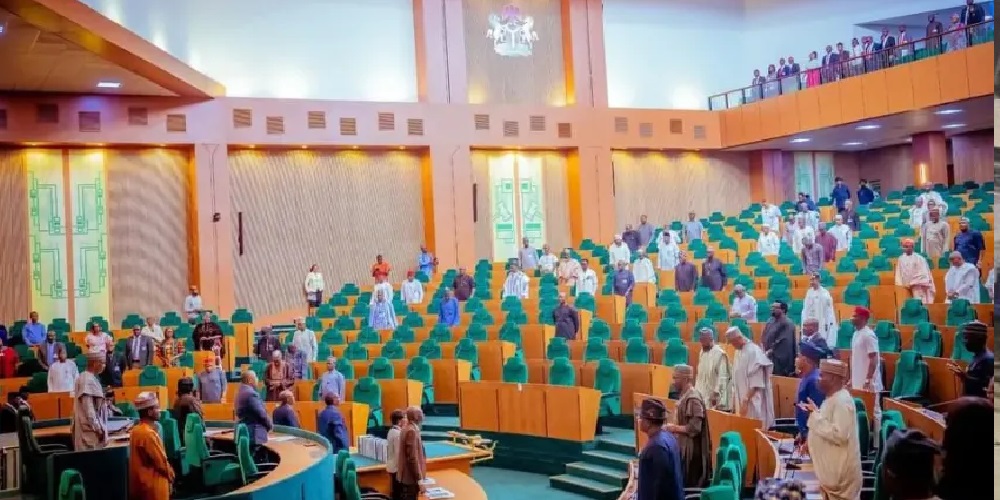
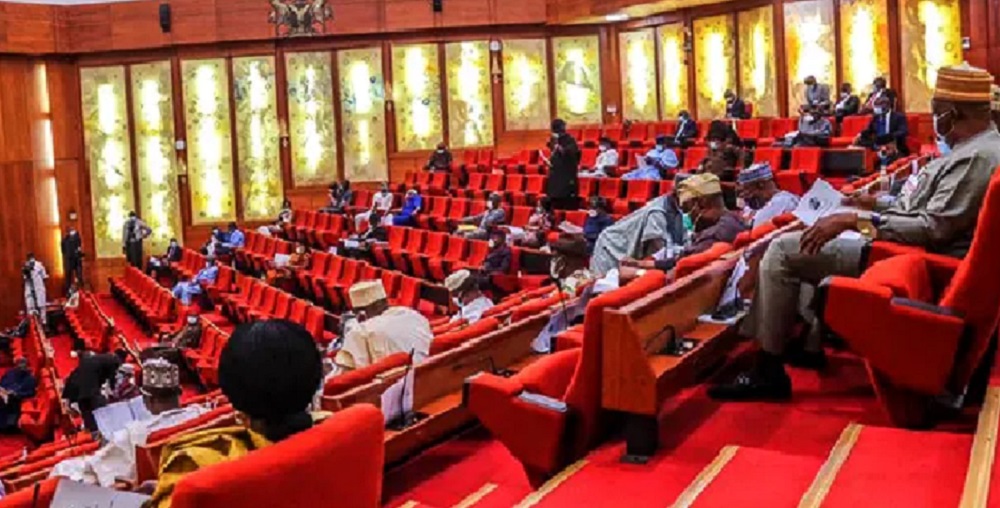
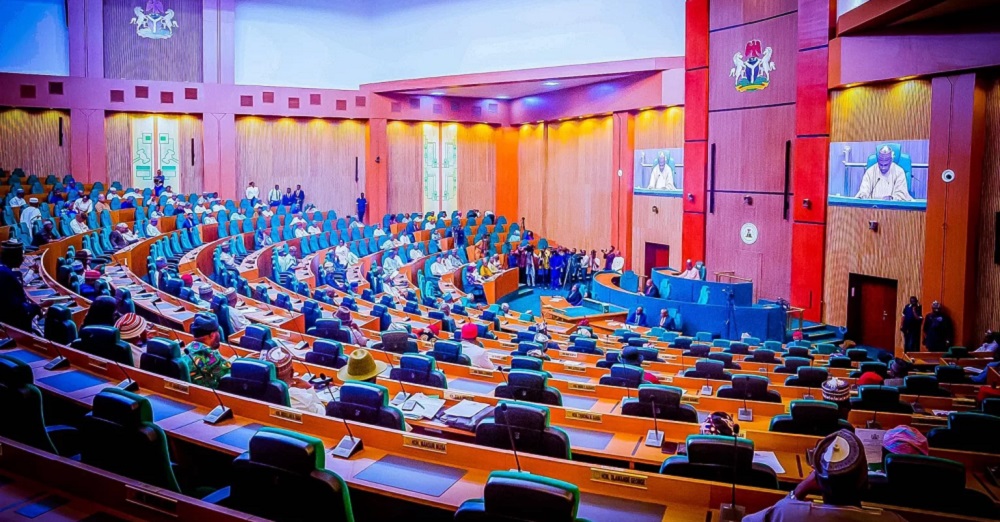
Consequently, the House became rowdy with some lawmakers shouting and others attempting to disrupt the sitting by multiple calls for point of order and moving from their seats thereby giving Speaker Tajudeen Abbas a tough time to restore order.
Speaker Abbas was forced to caution lawmakers said: “Honourable colleagues, we must not allow emotions to overshadow the weight of this matter. We must conduct ourselves responsibly. This issue goes to the heart of the nation’s financial credibility.”
Abbas informed that the House leadership had earlier explored the idea of forming a special ad hoc committee comprising PAC and other finance-related committees. That proposal, however, was rejected on the grounds that it will dilute the constitutional mandate of PAC.
After series of exchanges, the idea of a joint committee was formally abandoned.
Rep. Ahmed Jaha thereafter proposed an amendment reaffirming PAC as the sole committee authorized to lead the investigation.
“PAC remains the guardian of financial accountability in this Parliament.
“We cannot weaken its authority. The CBN Governor must appear before PAC, without exception,” he argued.
The amendment was seconded and approved through a voice vote, even as some lawmakers objected.
Following this, the House formally summoned the CBN Governor, Olayemi Cardoso, to appear before the Public Accounts Committee to answer for the alleged non-remittances, revenue discrepancies, and unaccounted funds.
Ruling on the matter, Abbas said “Let it be known: if the CBN fails to honour this summons, the House will not hesitate to invoke its full constitutional powers to enforce compliance.”