
News
Securing Credible Elections in 2027: What Nigerians Must Do.


- /home/naijuinz/public_html/wp-content/plugins/mvp-social-buttons/mvp-social-buttons.php on line 27
https://naijablitznews.com/wp-content/uploads/2024/04/2023-Elections.jpg&description= Securing Credible Elections in 2027: What Nigerians Must Do.', 'pinterestShare', 'width=750,height=350'); return false;" title="Pin This Post">
- Share
- Tweet /home/naijuinz/public_html/wp-content/plugins/mvp-social-buttons/mvp-social-buttons.php on line 72
https://naijablitznews.com/wp-content/uploads/2024/04/2023-Elections.jpg&description= Securing Credible Elections in 2027: What Nigerians Must Do.', 'pinterestShare', 'width=750,height=350'); return false;" title="Pin This Post">



By Gloria Ikibah
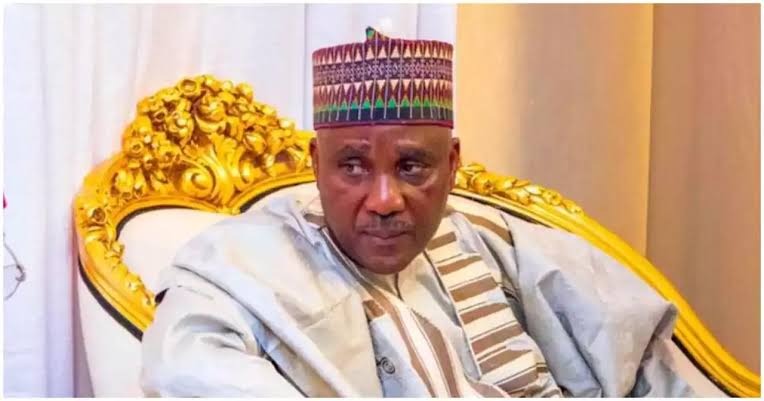
Speaker of the House of Representatives, Rt. Hon. Tajudeen Abbas, has marked his 61st birthday by sponsoring 120 inmates at the Medium Security Correctional Centre, Kuje, Abuja, to sit for the National Examinations Council (NECO) and National Business and Technical Examinations Board (NABTEB) examinations.
The initiative, which took place at the correctional centre on Thursday, formed part of activities marking the Speaker’s birthday and continued his support for educational opportunities for inmates.
Speaker Abbas who was represented by his Special Assistant on Humanitarian Affairs, David Igbe Okponya said the gesture was intended to ensure that incarceration did not become a barrier to education, personal development and the opportunity for inmates to rebuild their lives.
Delivering the Speaker’s message to the inmates, he urged them to use their time in custody to prepare for life beyond the correctional centre.
He urged the inmates not to allow their present circumstances to define their future.
He said: “I leave you with three words: Believe. Learn. Rebuild. Believe that your future can be better. Learn everything that can make you a better person. And when the opportunity comes, rebuild your life and make a positive contribution to society.
“Let this occasion remind us that no human being should be defined only by his worst moment.
“Whatever brought you here is part of your history, but it does not have to define the rest of your life.
“Use your time here wisely. Read, study, learn a trade, acquire a skill, and build your character. When the opportunity comes for you to return to your communities, return prepared to contribute positively to your families and to Nigeria.”
The event also featured testimonies from previous beneficiaries of Abbas’ educational sponsorship, as well as the cutting of the Speaker’s birthday cake with inmates.
An inmate identified simply as Adeolu, who benefited from the Speaker’s examination sponsorship last year, expressed appreciation for the support.
“A big thank you” to the Speaker, he said, before adding, “The foundation builder—that is what we call him in here.”
Another former beneficiary, Chikwendu, recounted how the educational support helped him change his course of study from science to art before sitting for the NECO examination sponsored by the Speaker.
He said he eventually obtained seven distinctions.
“Last year, you were here to plant a seed. I want you to know that, that seed has germinated. We are indebted to our father, the Right Honourable Speaker,” Chikwendu said.
Giving an overview of the educational programmes in the FCT Command, the Education Desk Officer, DSC Adikwu Owoicho, disclosed that more than 2,000 inmates had been registered for various educational programmes.
He said inmates registered in 2025 recorded encouraging performances in both NECO and NABTEB examinations.
“The Speaker is taking the lead in the number of NECO and NABTEB registration sponsorships nationwide. The NGOs are doing their best, but the Speaker is taking the lead,” Owoicho said.
Earlier, the Controller of Corrections, FCT Command, Christopher Peter Jen, who represented the Comptroller General of Corrections, Sylvester Ndidi Nwakuche, commended the Speaker for supporting the Nigerian Correctional Service’s efforts to reform and empower inmates.
The Comptroller General described education as a critical pillar of the Service’s mandate of reformation, rehabilitation and reintegration.
He also advocated employment opportunities for reformed inmates, saying those who had undergone rehabilitation were ready to contribute meaningfully to national development.
Representing the Deputy Controller General in charge of Inmates Training and Productivity, SC Igomu Augustine, also appreciated the organisers for supporting inmates and the Service’s efforts to make them productive and better prepared for reintegration into society.
He said the Speaker was taking the lead in sponsoring the registration of inmates for NECO examinations across custodial centres.
The latest sponsorship formed part of his continued support for education and rehabilitation initiatives aimed at giving inmates opportunities to acquire qualifications, skills and the confidence needed to rebuild their lives after release.

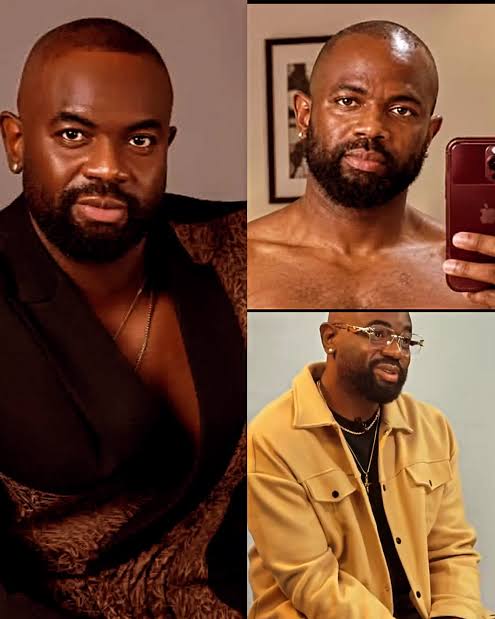
Another Nollywood actor, Chijioke Nwokafor, popularly known as CJay Nwoks is dead.
He died on Wednesday, September 30, 2026, at an undisclosed hospital in the Badore area of Lagos State.
The sad news was announced by actress Nkechi Blessing, who recently cast CJay as the lead actor in her new film.
Speaking on why the film will no longer be released, Nkechi, who was seen crying in a video on her Instagram page, said, “it took me a lot to do this video because we won’t be dropping the movie again by 5pm.
Right now, I’m in the hospital in Badore. I just lost CJay. CJay is dead. I don’t even know where to start.”
The cause of his death is still very sketchy as at the time of filing this report.
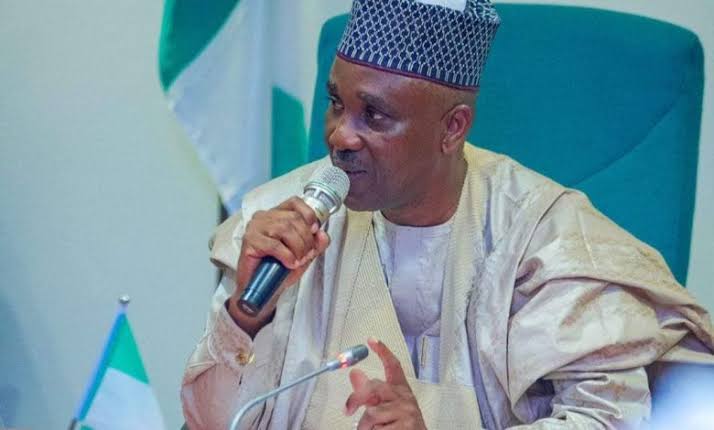
The Speaker of the House of Representatives, Hon. Abbas Tajudeen, Ph.D., has called on Nigerians to remain hopeful about the country’s future, declaring that Nigeria is making progress politically, socially and economically.
Abbas made the call in his Independence Day message to Nigerians as the country marked its 61st anniversary of independence on Thursday.
The Speaker noted that Nigeria had continued to mature as a nation, stressing that democracy was taking root in Africa’s most populous country despite the challenges confronting it.
He emphasised the importance of patriotism, peace and national unity, urging Nigerians to work collectively towards the country’s development, growth and prosperity.
Abbas also called on citizens to sustain their prayers and support for the administration of President Bola Ahmed Tinubu, GCFR, while stressing that nation-building must transcend political affiliations, ethnic differences and religious beliefs.
According to him, the task of building a prosperous nation requires a renewed sense of patriotism and a collective commitment to the common good.
He urged Nigerians to embrace a new national consciousness, love their country and remain dedicated to its progress, insisting that the responsibility for national development rests on every citizen.
The Speaker wished Nigerians a peaceful and memorable Independence Day celebration, expressing hope for a stronger and more prosperous nation.

Abbas Marks 61st Birthday by Sponsoring 120 Kuje Inmates For NECO, NABTEB

SAD! Another Nollywood star is dead

Independence: Nigeria Making Political, Economic Progress, Speaker Abbas Says



-
 Economy22 hours ago
STN gets green light for Universal Licence
-

 Sports21 hours ago
Ronaldo leaves Portugal camp amid reports of rift with coach Jorge Jesus
-
 Foreign21 hours ago
Terror in the Sky: Pilot Stabs Co-Pilot, Attempts to Crash Dubai-Israel Flight
-

 News21 hours ago
Independence Day: Tinubu To Address Nigerians Today
-
 News21 hours ago
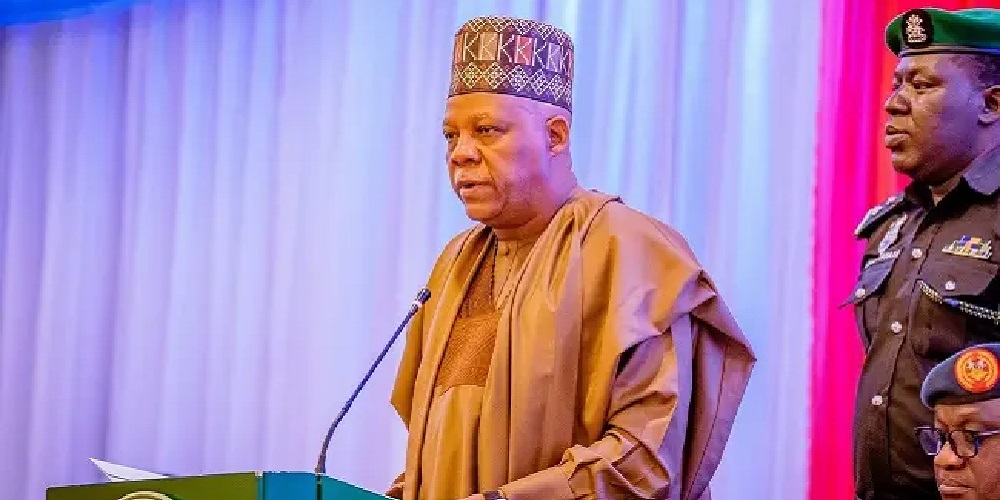
FG builds new control centre to strengthen power grid
-
 News20 hours ago
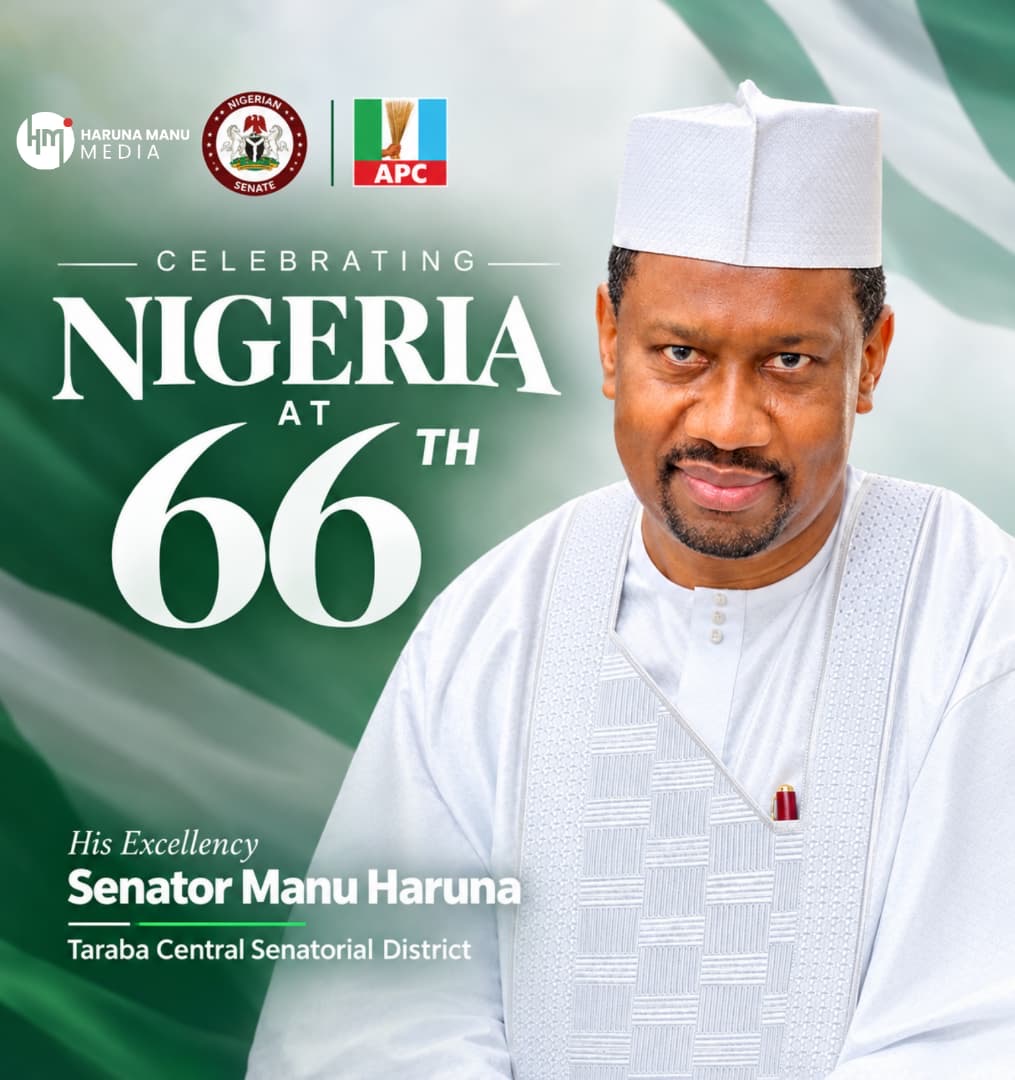
Nigeria at 66: Manu Urges Peaceful Coexistence, Unity Among Nigerians