
Health
Dermatologist caution against wearing unwashed second-hand clothes


*Says, it’s unsafe
By Francesca Hangeior
A Consultant Dermatologist at the University of Nigeria Teaching Hospital, Enugu, Dr. Uche Ojinmah, has kicked against wearing second-hand clothes unwashed, warning that such an unhygienic act could lead to skin diseases.
Ojinmah identified dermatitis, scabies, and fungal diseases as skin diseases that could be transmitted by wearing unwashed second-hand clothes.
The dermatologist said that some preservatives are added to second-hand clothes that users might need to wash off before using them.
Ojinmah said, “The condition of the clothes also allows bacteria to develop because they are fabrics, therefore, there can be contamination.
“And if they stay in packaging or a store for a long time without being used, all those organisms like fungi and bacteria can get active. So, when a person buys it and wears it, the person will contract an infection.
“The issue may not be transmitting infection from the original owner or the former user of a cloth. You know that in packaging and long haul, some come in through ship, some come in through flight but they are now kept in a store which may be damped and cold.”
According to him, things like fungus can grow on second-hand clothes, advising that users of second-hand clothes should wash them before using them.
“Another thing is this, some of the second-hand clothes are preserved with preservatives which is why they have a particular fragrance. That fragrance is a preservative.
“There are some preservatives that are added to these clothes that you may need to wash off before using them. Some are being applied to make sure that they don’t allow the growth of fungus or bacteria or things that can eat into the clothes like cankerworms and lice that can digest and eat the clothes.
“Those preservatives when you put them directly on your skin, especially some people that have an allergy that is called atopic, can trigger rashes all over their skin. Even in the basic law of hygiene, you know that it is not proper to take someone’s clothes and then wear them immediately.
“So wearing second-hand clothes without washing them should be discouraged greatly. They should be washed first before using them. People should practice proper hygiene”, he said.
The former President of the Nigerian Medical Association counselled, “When you buy it, wash it, dry it, iron it, and then you can use it.”
In a 2021 article published in the Iranian Journal of Public Health titled “Second-Hand Clothe, a New Threat for Acquiring Parasitic Infection”, the authors said some people purchase and wear second-hand or vintage clothes due to economic problems.
“This fact puts their health at risk of microbial infections including bacteria, fungi, parasitic and viral infections.
“The prevalence of parasites and ectoparasites in the examined unwashed second-hand clothes is high. Second-hand clothes could spread skin and hair diseases, particularly pediculosis and scabies.
” In addition, these clothes must be washed, ironed, or disinfected to diminish the chances of pathogen transmission to humans”, the authors said.


By Francesca Hangeior
After proper surgical repair, women who have a vesicovaginal fistula, an abnormal opening between the bladder and the vaginal wall, leading to urine leakage and other complications, can have a pleasurable sexual life, gynaecologists have assured.
They advised such women to wait until 12 weeks after the surgery to allow complete healing and recovery before resuming sexual activities.
The maternal experts, however, stated that the return to normal sexual life depended on the delays before the repair was done and the scarred tissues that were formed, stating that some of the women might experience vagina tightness and pain during sex.
The fertility experts further emphasised the need for counselling and psychotherapy before resuming sexual activity, to ensure that the fear, anxiety, and emotional trauma related to sex and pregnancy were overcome.
According to the seasoned obstetric gynaecologists, women with repaired VVF, who desired more children, could become pregnant and have more babies.
However, they stressed that such delivery must be through a caesarean section and done in a conventional health facility.
VVF is a complication of obstructed labour during delivery. According to the United Nations Population Fund, VVF is a major public health problem with over two million cases, globally.
In Nigeria, there are about 150,000 cases with 12,000 new cases recorded every year.
Many women with VVF in Nigeria battle with stigma, leading to social ostracisation, abandonment, and psychological distress.
Also, a professor of Obstetrics and Gynaecology at the Usmanu Danfodiyo University, Abubakar Panti, stated that after the successful closure of the fistula and complete healing after surgery, normal sexual activity could be restored.
He further stated that to ensure proper healing and recovery time, the recommendation was to avoid sexual activity for at least three months, which is 12 weeks post-surgery to allow complete healing.
The don also stated that before resuming sexual activity, the strength of the pelvic floor must be assessed, as some women may experience vaginal tightness or weakness after prolonged fistula, which could affect sexual comfort.
To resolve this, Panti advised the women to do some pelvic floor exercises, noting that sometimes the help of a physiotherapist was needed.
“When women have lived with VVF for a long time, they know what caused it, they know it’s a pregnancy that caused it, so they may experience fear, anxiety or some form of emotional trauma related to sex, because they would think sex is what brought it in the first place, so they need a lot of counselling or therapy, in that instance psychotherapy may be beneficial.
“Some of these women used to have a lot of terrible experiences, sometimes they are abandoned by their husbands, divorced and other things, so they think every man may be like that.
“The last one probably would be the presence of scarring or vaginal shortening. If extensive damage occurred before repair, some women may have vaginal scarring and then sometimes there will be dryness of the vagina or reduced elasticity.
“Usually, the vagina distends to accommodate, irrespective of the size of the penis that comes into it, so if there is scarring, that distension will not be there, and there will be tightness, so this can also affect comfort during sex. Most of the time we just tell them to apply lubricants and sometimes medical interventions may help,” the fertility expert said.
Panti asserted that with successful surgery, proper healing and emotional support, many women regained a satisfying sexual life.
He advised the women to whenever they had concerns or difficulties, consult their gynaecologist, who would give them tips regarding the repair, sexual health and resuming sexual activity.
Panti emphasised the need for counselling the woman and her husband, “because it needs a lot of patience from the partner, that he has to start slow and of course, he has to listen to her or look at her body language if she’s in any discomfort or experiencing pain so that he can stop, rest and try again.”
The don advised the women to watch out for symptoms like leakage of urine and consult with the gynae if there’s discomfort during sex.
The consultant gynaecologist urged them to focus on their overall wellness by eating well and preventing urinary tract infections.
“With proper healing, patience and emotional support, most of them regain their full sexual life after VVF repair, the key is to slow down, communicate with your partner and seek medical advice where needed,” Panti said.
He further stated subsequent delivery after VVF must be by caesarean section, to prevent a reopening of the repair.
By Francesca Hangeior
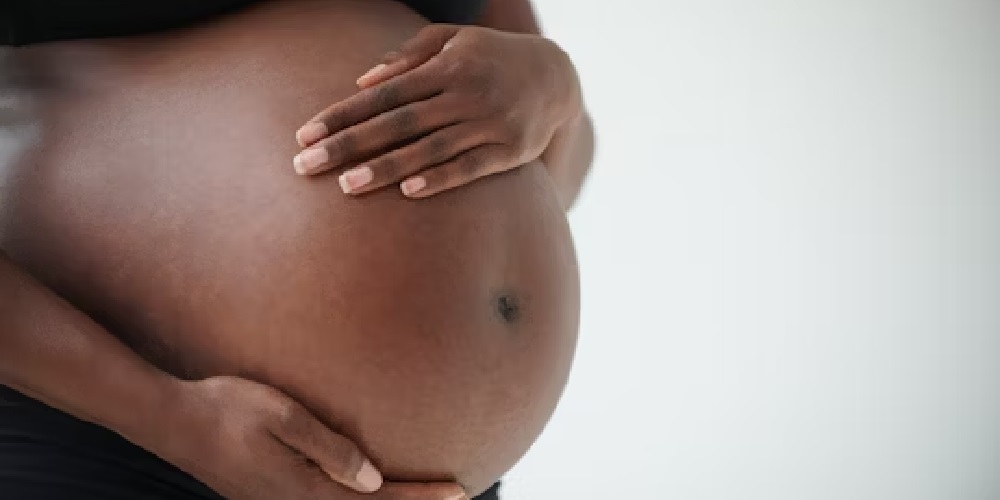
Attempting labour and vaginal delivery after two previous caesarean sections could lead to a rupture of the uterine scar, resulting in severe bleeding and possible death of the expectant mother and her baby, maternal experts have warned.
The gynaecologists further noted that such deliveries posed risks of head compression and low oxygen supply and intake, leading to malformations.
The experts’ warning comes amid the stigma surrounding CS and the insistence of many Nigerian women who have previously undergone the procedure to attempt vaginal delivery in subsequent births.
Bleeding during and after delivery is a major cause of maternal mortality worldwide and in Nigeria.
In fact, it is the leading cause of maternal mortality in Nigeria, a country with one of the highest MMR in Africa.
The Nigeria Demographic and Health Survey, 2018, pegs the MMR at 512 deaths per 100,000 live births.
According to the World Health Organisation, every year, about 14 million women experience postpartum haemorrhage, resulting in about 70,000 maternal deaths globally.
A new study released by the WHO two weeks ago further revealed that severe heavy bleeding and hypertensive disorders like preeclampsia are the leading causes of maternal deaths globally.
It noted that the conditions were responsible for about 80,000 and 50,000 fatalities, respectively, in 2020, indicating that many women still lack access to lifesaving treatments and effective care during and after pregnancy and birth.
The experts urged expectant mothers to register for antenatal care and ensure delivery in healthcare facilities with skilled birth attendants to reduce risks and ensure optimum care for both mother and child.
A recent study on “Trial of labour following two previous caesarean sections – A UK cohort study” concluded that women considering a trial of labour following two caesarean sections had an increased risk of endometritis (infection of the inner lining of the uterus), sepsis and adverse neonatal outcome.
Providing expert insight into the matter, a Professor of Obstetrics Gynaecology at the College of Health Science, University of Uyo, Akwa Ibom State, Aniekan Abasiattai, explained that after a woman undergoes CS, the cut, after healing, forms a scar.
The don added that a woman who has undergone CS twice and in subsequent pregnancy attempts to go into labour and vaginal delivery, had an increased risk of tearing the scar, leading to bleeding.
He further noted that although women who have had one caesarean delivery could be allowed to attempt a vaginal delivery, it was done in specialised units and with close monitoring.
“Now, after two caesarean sections, because of the increased risk of rupture of the scar, which is much more than that of a previous caesarean delivery, in this environment, we usually do not allow our patients to attempt a vaginal delivery after two previous caesarean sections. That’s the standard in this country.
“I’m aware that there are varying publications of successful vaginal deliveries after two previous caesarean sections, both in the developed world, foreign literature, and even among a few of our colleagues, but we usually do not, that is not the accepted practice, basically, because of the increased risk of infection following surgical procedures, deliveries, whether vaginal or caesarean delivery,” Abasiattai said.
Speaking on the impact on the babies, the gynaecologist said, “When the uterus ruptures, it cuts off and the baby becomes affected directly. Low oxygen transfer, hypoxia sets in, and the rate of death or foetal mortality is quite high. Even in some instances, more than 50 per cent following rupture of the scarred uterus.
“So apart from the fact that the woman can have complications from excessive haemorrhage from the torn uterus, the baby, in a significant proportion of cases, dies inside the uterus. Unless surgical intervention is done promptly to arrest the ongoing haemorrhage, repair or stop the bleeding and then deliver the baby.”
The researcher on Community Obstetrics, Fetomaternal Medicine and Reproductive Health urged women who have had previous CS to refrain from having their next delivery at unconventional health facilities, stating that they had an increased risk of a ruptured uterus, among other complications.
Also, a Professor of Obstetrics and Gynaecology at the Obafemi Awolowo University, Ile-Ife, Osun State, Ernest Orji, stated that it was not safe for a woman to attempt labour and vaginal delivery after having two caesarean sections.
He explained, “It’s risky because the womb has been cut two times, and they say you don’t use a wounded soldier to go to battle. The chances of tearing or rupturing during labour are high.
“That’s why we tell women that if you have had caesarean section two times it is not safe to allow you to go into labour because during labour, the womb will be contracting and pushing and so the risk of the womb rupturing and the mother and baby dying is very high.”
The don stated that although there were reports of some women who despite having a history of two CS, tried vaginal delivery and went unscathed, such procedure was not advisable.
Speaking on the implications for the mother and baby, Orji said, “The first danger is that the womb can tear and when that happens, the baby may die depending on the site of the tear. The tear would make the woman start bleeding and when the bleeding is too much, she can bleed and die.
“When the woman is bleeding and is rushed to the hospital, sometimes, by the time they come to the hospital, it may be too late and you will have to remove the womb.
“So, apart from the risk that the woman may die, another risk is the fact that you may have to remove the womb because the womb may be so damaged that it can no longer be repaired.”
The researcher on Reproductive and Feto-maternal health further stated that the babies born through such a process may have their heads compressed, which could affect the babies’ brain and intellectual performance later in life.

By Francesca Hangeior
Leading fertility expert, Dr Abayomi Ajayi, has debunked misconceptions in some quarters that consuming natural remedies such as ginger tea and turmeric drinks could improve fertility in men with low sperm count or open blocked fallopian tubes in women.
Ajayi asserted that these claims were mere reports with no scientific proof or evidence that the remedies were effective.
The maternal health expert stated this at the 2025 annual online fertility conference organised by Lagos-based Quiver Full Foundation recently.
The consultant gynaecologist in a statement also pointed out that many infertility cases stem from male sperm quality and female reproductive system issues, including blocked fallopian tubes and hormonal imbalances.
It read, “Ajayi confirmed that the medical world has reports of many natural remedies that people drink to try to enhance the quality of sperm or unblock blocked fallopian tubes including ginger tea and turmeric drinks for example. But he insisted they are not more than mere reports.
“To date according to the expert, there is no clear and empirical evidence that any such so-called remedies are effective.”
He further mentioned that the only tested and universally proven solution to most identified fertility challenges with either the male or female reproductive organs was still invitro fertilisation, popularly known as IVF.
The fertility expert called IVF the flagship of medical intervention technologies in reproductive health care, describing it as “using medical technologies to help nature do what nature is not finding easy to do.”
Ajayi reemphasised that Nigeria’s assisted reproductive technologies were now comparable to global standards, with success rates for IVF reaching up to 70 per cent for women under 30.
The Chief Executive Officer of Nordica Fertility Centre further refuted claims that fibroids caused infertility, asserting that fibroids could not cause infertility and could only lead to miscarriage.
He urged couples to seek comprehensive medical evaluations early on, stating that timely intervention could increase the chances of conception.
Other stakeholders at the event further decried the lack of official reproductive health policy, stating that this had left many “couples desiring children at the mercy of mindless charlatans and even criminals who have now turned orphanages and abandoned children’s homes into ‘baby-making’ factories in many parts of Nigeria particularly in southern Nigeria.”
Also speaking at the event, the founder of Quiver Full Foundation, Mrs Catherine Abagun, who faced a decade-long struggle with infertility before welcoming her only son, said the foundation aimed to support couples on their journey to parenthood.
She further noted that her commitment was to provide financial assistance, up-to-date information, education and emotional support for those grappling with infertility.
“I understand the pain and isolation that comes with this journey. My goal is to ensure that no couple feels alone in their battle against infertility,” she said.
Abagun, one of Nigeria’s earliest and most notable technology products and services marketers, further expressed commitment to providing financial support to those who desire to have children but cannot afford the costs of the medical interventions that may be needed.
She said, “The Lagos-based non-government organisation is assisting at least 30 Nigerian couples to have their children this year, free of any charges. The unique gift is worth more than ₦150m. It is the largest number of couples being medically supported to have their babies free of any charges in Nigeria.
“Sets of five couples each, have since the second week of January in Lagos, been starting their journeys to parenthood every weekend, with fertility tests and preparation for the possible use of the latest and most effective of assisted reproductive technologies. At least 40 Nigerian couples had benefitted from similar support over the last seven years.”

MEET Ibok Ekwe Ibas, Administrator Appointed By Tinubu For Rivers State

READ full text of President Tinubu’s broadcast declaring State of Emergency in Rivers

BREAKING! Tinubu declares State of Emergency in Rivers

Just in: Terrorists ambush military truck, kill all soldiers on board

Nigerian Dancer, Korra Obidi Attacked with acid, stabbed on stage In UK

Meet Rare Gem 16 Years Old Chiaza, CEO of ‘RUN MARKET PLACE’
-

 News16 hours ago
BREAKING: Massive explosion rocks Rivers, pipeline punctured
-

 News12 hours ago
FCT minister, Wike revokes right of occupancy of new PDP National Secretariat
-

 News16 hours ago
You better retrace your steps, NBA chairman advises Fubara
-
 News7 hours ago
READ full text of President Tinubu’s broadcast declaring State of Emergency in Rivers
-

 News11 hours ago
Just in: Senate moves to make Facebook, others have offices in Nigeria
-

 News16 hours ago
Man bound in ropes, gagged by immediate family over retirement benefits rescued by neighbors
-

 Economy16 hours ago
SEE Current Black Market Dollar (USD) To Naira (NGN) Exchange Rate
-

 News21 hours ago
Wike Revokes 4,794 Land Titles Over Unpaid Ground Rent In FCT