Economy
‘Blame Buhari for hardship in Nigeria’ – Ex-Emir of Kano Sanusi
- /home/naijuinz/public_html/wp-content/plugins/mvp-social-buttons/mvp-social-buttons.php on line 27
https://naijablitznews.com/wp-content/uploads/2024/02/Muhammadu-Sanusi.jpg&description=‘Blame Buhari for hardship in Nigeria’ – Ex-Emir of Kano Sanusi', 'pinterestShare', 'width=750,height=350'); return false;" title="Pin This Post">
- Share
- Tweet /home/naijuinz/public_html/wp-content/plugins/mvp-social-buttons/mvp-social-buttons.php on line 72
https://naijablitznews.com/wp-content/uploads/2024/02/Muhammadu-Sanusi.jpg&description=‘Blame Buhari for hardship in Nigeria’ – Ex-Emir of Kano Sanusi', 'pinterestShare', 'width=750,height=350'); return false;" title="Pin This Post">
The former Emir of Kano, Muhammadu Sanusi, has blamed the current hardship in Nigeria on former President Muhammadu Buhari.

Sanusi said it would be unfair to blame President Bola Tinubu for the hardship Nigerians are experiencing.
Speaking on Sunday during a virtual religious event, the former Governor of the Central Bank of Nigeria, CBN, said Buhari’s administration failed to heed his counsel on how to salvage the country from economic woes.

The former Emir also vowed to criticise Tinubu if he sees any wrong economic policy in the future.
According to Sanusi: “If I am to be fair and just to President Bola Tinubu, he is not to blame for the current hardship; for eight years, we were living a fake lifestyle with huge debt from foreign and domestic debts.
“I can’t join other Nigerians criticising Tinubu on the current economic hardship, and I am not saying he is a saint free from wrongdoing, but in this current economic situation, President Tinubu is not to be blamed.”
He insisted that there was no other alternative than to remove the subsidy on fuel.

Economy
See Black Market Dollar To Naira Exchange Rate Today 29th August 2026
The Black Market Dollar-to-Naira Exchange Rate for 29th August 2026 Can Be Accessed Below.
IMPORTANT NOTE: The exchange rate changes hourly. It depends on the volume of dollars available and the Demand. This means…you can buy or sell 1 dollar at a certain rate, and the price can change (high or low) within hours.
READ ALSO:Aston Villa Sign Jackson From Chelsea
The official naira black market exchange rate in Nigeria today, including the Black Market rates, Bureau De Change (BDC), and CBN rates.
The exchange rate fluctuates hourly based on the supply and demand of dollars in the market.
What’s the dollar to naira black market today, 29th August 2026?
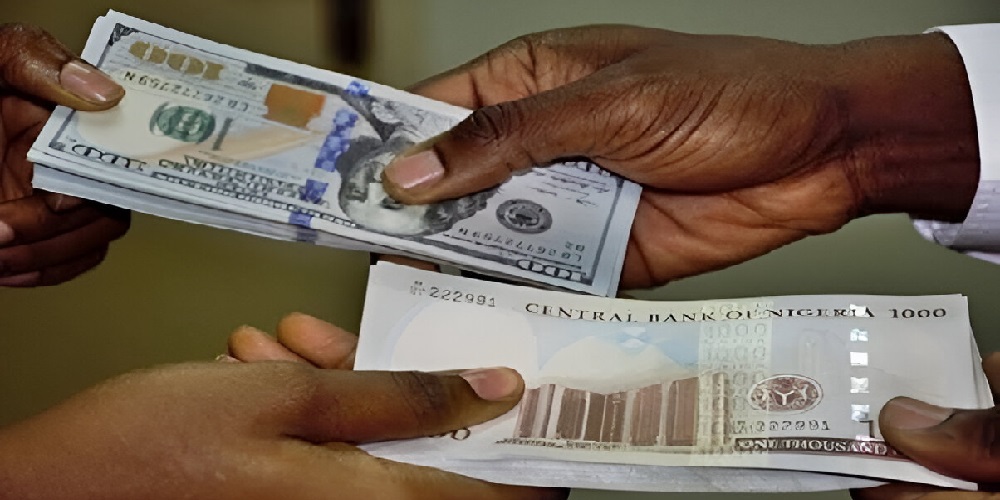
The exchange rate for a dollar to naira at Lagos Parallel Market (Black Market) players sell a dollar for ₦1407 and buy at ₦1395 on Saturday, 29th August, 2026, according to sources at Bureau De Change (BDC).
Please note that the Central Bank of Nigeria (CBN) does not recognize the parallel market (black market), as it has directed individuals who want to engage in Forex to approach their respective banks.
Dollar to Naira Black Market Rate Today
Dollar to Naira (USD to NGN) Black Market Exchange Rate Today
Selling Rate ₦1407
Buying Rate ₦1395
Dollar to Naira CBN Rate Today
Dollar to Naira (USD to NGN) CBN Rate Today
Highest Rate ₦1339
Lowest Rate ₦1335
Economy
US: Meta To Pay $18bn Settlement Over Children’s Social Media Addiction
American multinational technology company Meta has agreed to pay up to $18bn over the next decade to settle lawsuits brought by nearly all US states over allegations that Facebook and Instagram were designed to addict children.
The agreement, announced on Wednesday, brings an end to a federal trial in which states accused Meta of harming young users and misleading the public about the safety of its platforms.
Under the settlement, Meta will introduce stricter limits on how teenagers use Facebook and Instagram. Teenagers will generally be limited to two hours of use each day, while access between midnight and 06:00 will be blocked unless parents give permission.
The company will also disable most push notifications to teenagers during school hours and strengthen measures designed to prevent children from accessing age-restricted content.
However, Meta will not be required to abandon personalised recommendations or targeted advertising.
The company denied wrongdoing as part of the settlement, saying that ensuring teenagers have a safe and productive experience on its platforms is a priority.
Meta is expected to make maximum payments of about $16.7bn to 47 states, Washington DC and several US territories. California could receive about $2.2bn, while New York could receive around $1.1bn.
Another $459m will be paid to resolve state privacy claims connected to the Cambridge Analytica scandal, involving the unauthorised collection of data from millions of Facebook users.
The settlement also includes about $5bn in additional payments that could be made if Snapchat, TikTok and YouTube introduce similar protections for children.
The agreement could have wider consequences for the social media industry, as governments and regulators around the world face growing pressure to protect children from harmful online content and excessive social media use.
Thousands of other lawsuits remain against social media companies, with individuals, schools and government bodies accusing platforms of contributing to a youth mental health crisis involving anxiety, depression and suicide.
Meta has faced several recent legal setbacks over the safety of its platforms. Earlier this month, a New Mexico judge ordered the company to pay $567m and introduce additional youth safety measures.
In March, a Los Angeles jury also found Meta and Google negligent in designing their platforms and ordered the companies to pay $6m to a woman who said she became addicted to Instagram and YouTube as a child.
Meta and Google have said they will appeal those verdicts.
Not every US state accepted the latest settlement. New Mexico and Florida are continuing their legal battles against Meta.
Florida Attorney General James Uthmeier criticised the agreement, saying the payments were insignificant compared with the harm he alleges Meta’s platforms have caused children.
The settlement was approved by US District Judge Yvonne Gonzalez Rogers, who had overseen the federal trial.
The agreement represents one of the largest efforts yet by US authorities to force a major social media company to change how its platforms operate for young users.
Economy
WhatsApp Business: Meta Introduces Charges Per-message From October 1
Meta, the parent company of WhatsApp, will begin charging businesses for certain messages sent through the WhatsApp Business Platform from October 1, 2026.
The company announced the pricing change in a WhatsApp Business Platform update published in July 2026.
Under the new system, businesses will pay about N14 per service or qualifying utility message sent through the platform.
The charges will apply to companies using the official WhatsApp Business Platform, formerly known as the WhatsApp Business API, to manage customer conversations on a large scale.
Banks, fintechs, e-commerce companies, telecoms operators, logistics firms and large retailers that use the platform for customer service and transaction-related communication are among those that will be affected.
However, the new charges will not affect ordinary WhatsApp users or most small businesses using the standard WhatsApp Business app on their phones.
Currently, when a customer sends a message to a business, a 24-hour customer service window opens. During this period, businesses can respond with free-form service messages and certain utility messages without paying Meta.
From October 1, however, Meta will charge businesses on a per-message basis for service messages sent during the customer service window.
Meta said in its developer documentation, “Effective October 1, 2026, Meta will charge on a per-message basis for all service messages, consistent with how Meta charges for template messages. These messages have not been charged since November 1, 2024.”
The company added, “Effective October 1, 2026, Meta will charge on a per-message basis for utility messages sent in response to users (within an open 24-hour customer service window). These messages have not been charged since July 1, 2025.”
Utility messages include payment confirmations, order updates and delivery notifications.
Meta also warned businesses and Solution Providers to add a payment method before the new charges take effect.
It said, “For any Solution Provider or directly-integrated businesses that does not have a payment method on file by September 30, 2026, Meta will stop delivering service messages as of when they become charged on October 1, 2026.”
For Nigerian businesses, a chargeable utility or service message is expected to cost about $0.0101, equivalent to roughly N14 based on an exchange rate of about N1,340 to the dollar.
Marketing messages will cost more, at about $0.062 per message, or approximately N84 using the same exchange rate.
The charges are Meta’s fees and do not necessarily represent the total amount a business will pay. Companies using Business Solution Providers or third-party platforms to access the WhatsApp Business Platform may also face additional charges.
For instance, a Nigerian fintech sending 500,000 chargeable utility or service messages at $0.0101 per message would pay about $5,050 in Meta messaging fees alone.
At an exchange rate of N1,340 to the dollar, this amounts to approximately N6.8 million, excluding additional provider charges.
Although the cost per message is relatively small, the charges could significantly increase operating costs for businesses that send hundreds of thousands or millions of messages each month.
WhatsApp has become an important communication channel for Nigerian businesses, with banks and fintechs using it for customer support and transaction-related communication.
E-commerce, logistics and retail companies also use the platform for order updates, delivery notifications and other customer interactions.
The new pricing is part of Meta’s broader changes to WhatsApp Business, with the company gradually moving business messaging towards a per-message pricing model.
From October 1, previously free service messages and qualifying utility messages sent within an open 24-hour customer service window will become chargeable on the WhatsApp Business Platform.
-
News8 hours agoUgandan King Who Became Monarch At Age 3 Di£s Aged 34
-
Metro8 hours agoPolice Parade Doctors, Others Over Alleged Organ Trafficking In Nasarawa
-
News8 hours agoNYSC sets September 7 for 2026 batch C registration
-
News24 hours agoNDLEA starts nationwide training of counselors on standard rehab guidelines(Photos)
-
News7 hours agoFG moves to harmonise salaries of federal government workers
-
News7 hours ago2027 Presidency: Very Unlikely North Will Support Obi-Kwankwaso Ticket — Datti
-
Foreign7 hours ago18 Killed In UK E-bike, E-scooter Battery Fires
-
News2 hours agoConfusion in Niger as gunfire, explosions rock presidential palace, airport