Connect with us

Health

UNICEF Strengthens Efforts To Combat Cervical Cancer In Nigeria

Published

on

ADVERTISEMENT
Zoom Ad
ADVERTISEMENT
Zoom Ad

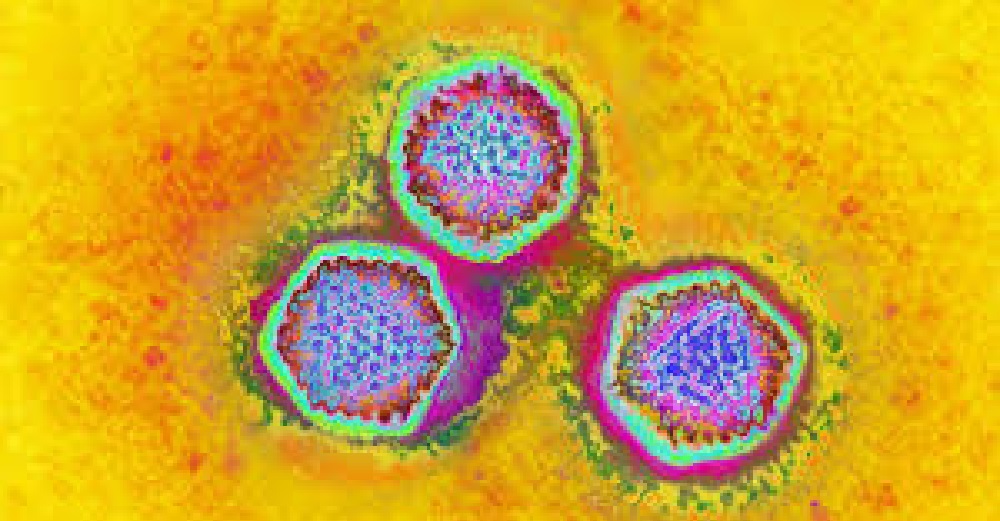
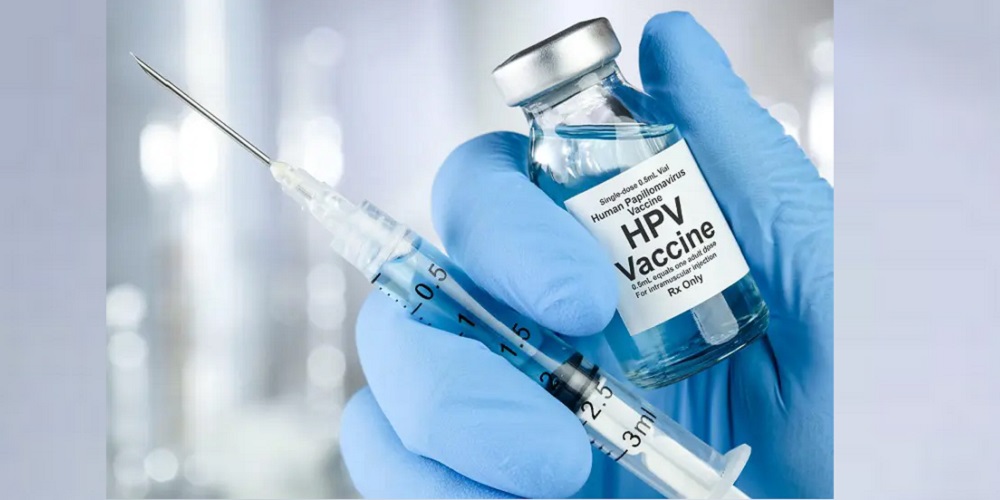
The United Nations Children’s Fund has strengthened its efforts in combating the prevalence of cervical cancer in Nigeria, saying the acceptability of the Human Papillomavirus (HPV) vaccine by citizens would bring about eradication or reduction of the cases of the disease.


UNICEF cleared the air about misinformation, rumours, misconceptions and myths surrounding HPV vaccination of girls across the country, saying the vaccine remains the surest means of preventing cervical cancer among girls and women.

The international body made this known yesterday during a two-day media dialogue workshop held in Lagos State on “Combating the most preventable form of deadly cancer affecting women and girls (HPV) Through Vaccination.”

Speaking on the “Update on Human Papillomavirus (HPV) Vaccine Introduction Plan,” a Health Specialist with UNICEF, Dr Ijeoma Agbo, disclosed that the HPV vaccine campaign is for girls aged 9 to 14, disclosing that the vaccine would assist the targeted girls do not get infected with cervical cancer.

Advertisement

According to Agbo, an estimated 604,000 new cases with 342,000 deaths occurred globally in 2020, while 12,075 cases and 7,968 deaths were recorded in Nigeria.

She stressed the need for aggressive advocacy in the vaccination of girls against HPV in order to battle and reduce the risk of cervical cancer.

While harping on the need for communities as well as religious institutions to key into the drive, UNICEF described the prioritisation of HPV vaccination as a crucial public health intervention.

The specialist maintained that the HPV vaccine is an effective and safe means to protect girls from developing cervical cancer later in life.

Advertisement

Agbo noted that the vaccine protects against HPV types 16 and 18 and provides cross-protection for types 31, 33, and 35, including the serotypes causing anogenital warts.

She said, “HPV can also cause a range of conditions in men and women, including other types of anogenital cancer (vagina, vulva, anus, penis), head and neck cancers, and genital warts.

“It accounts for 29.5% of infection-related cancers globally and greater than half of all reported infection-attributable cancers in women.

“Cervical cancer is the fourth most common cancer in women globally and the second most common cancer affecting women in Nigeria.

Advertisement

“This high burden of cervical cancer is attributed to several factors, including poor access to HPV vaccination services, poor screening and treatment services, low awareness, and inadequate access to healthcare, especially in rural areas.”

She further debunked misinformation that the HPV vaccine sterilizes girls and neither is it meant to depopulate the population of Nigerians.

On his part, the Immunisation Programme Coordinator, Lagos State Primary Health Care Board (PHCB), Dr Adetola Akinpelu, who reeled out the efforts of the state government in the vaccine coverage in the state, stressed that the target was to vaccinate at least 80 per cent of girls aged between 9 and 14 years by December 2024.

Also clearing the air that the vaccine is not harmful to those who receive it, Akinpelu said, “Our targets are to achieve routine HPV coverage of at least 69 per cent for girls aged 9 years by December 2025; achieve a minimum of a 4 per cent annual increase in routine HPV coverage by December 2026; disseminate information on primary, secondary, and tertiary preventive measures across the LGAs.”

Advertisement

According to the Communication Officer, UNICEF, Blessing Ejiofor, efforts must be geared towards increased awareness, particularly at the grassroots, to promote the benefits of HPV vaccination and dispel myths and misconceptions surrounding it.

Ejiofor enjoined participating journalists to become active advocates by using their various platforms to draw the attention of everyone to the issue in order to achieve adequate coverage and make the nation cervical cancer-free.
Continue Reading
Advertisement
Click to comment

Warning: Undefined variable $user_ID in /home/naijuinz/public_html/wp-content/themes/zox-news/comments.php on line 49

You must be logged in to post a comment Login

Leave a Reply

Health

Couple Told They Would ‘Never’ Conceive Defy Medical Odds, Welcome Healthy Triplets

Published

on

By

ADVERTISEMENT
Zoom Ad
ADVERTISEMENT
Zoom Ad

A couple who were told by fertility specialists that they would most likely never conceive naturally have celebrated the birth of triplets, describing the children as nothing short of miraculous.

Marina and Bishoy Salib, a married couple from England, said they were left heartbroken in 2024 after doctors informed them that their chances of having biological children together were extremely slim. Despite the discouraging prognosis, they refused to give up hope. Just over a year later, they welcomed three healthy babies.

Their extraordinary journey began after months of unsuccessful attempts to start a family. Seeking medical advice, Marina, now 30, underwent an Anti-Müllerian Hormone (AMH) test in August 2024. The test measures the level of anti-Müllerian hormone in the body, which is commonly used as an indicator of a woman’s ovarian reserve, or the number of eggs remaining.

According to the results, Marina had a significantly diminished ovarian reserve, leading specialists to conclude that natural conception would be highly unlikely.

Advertisement

Speaking in an interview with SWNS, Bishoy, 33, recalled the devastating consultation.

“They told us that my wife couldn’t get pregnant,” he said. “When we saw the fertility specialist, he made it clear that there was no chance for her to conceive naturally.”

The diagnosis deeply affected Marina, who struggled emotionally with the news.

Bishoy said watching his wife cope with the disappointment was one of the most difficult periods of their marriage.

Advertisement

“She was heartbroken and cried a lot. She kept asking herself why she couldn’t have children,” he said.

Although medical professionals suggested using an egg donor as the most realistic option for pregnancy, the couple said the recommendation conflicted with their deeply held religious beliefs as members of the Coptic Orthodox Church.

“I told the specialist that we are Christians and we believe in miracles,” Bishoy explained. “Even our general practitioner repeated that egg donation was the only possible route, but we remained committed to our faith.”

While remaining open to adoption if necessary, the couple continued praying and hoping for a miracle while trying to conceive naturally.

Advertisement

Their persistence paid off unexpectedly on May 19, 2025.

According to Bishoy, he felt an unexplained urge to ask Marina to take a pregnancy test, even though both of them believed the outcome would be negative.

“She looked at me and asked why she should even bother taking the test after being told she wasn’t producing enough eggs,” he recalled. “Honestly, I still don’t know why I insisted.”

To their amazement, the test came back positive.

Advertisement

Marina was overwhelmed with emotion, unable to believe what she was seeing.

“She couldn’t even stand. She was shaking, laughing and crying at the same time,” Bishoy said.

Still convinced there had been a mistake, Marina reportedly took several more pregnancy tests to confirm the result before finally calling her husband to share the life-changing news.

The surprises did not end there.

Advertisement

During a subsequent hospital appointment, doctors informed the couple that they were not expecting one baby, but three.

On November 28, 2025, Marina gave birth to non-identical triplets a daughter named Miracle and two sons, Levi and Suriel.

Looking back on their remarkable journey, Bishoy said the children are a constant reminder that hope can endure even in the face of seemingly impossible circumstances.

The couple now describe their son and daughter as their “miracles,” saying their experience has strengthened both their faith and appreciation for parenthood after overcoming what once appeared to be insurmountable odds.

Advertisement
Continue Reading

Health

Ebola deaths exceed 300 in DR Congo – Heath authorities

Published

on

By

ADVERTISEMENT
Zoom Ad
ADVERTISEMENT
Zoom Ad

The Ebola epidemic has claimed more than 300 lives in the Democratic Republic of Congo (DRC), a little over one month after it was declared, health authorities said on Friday.

The deadly viral disease, which spreads through direct contact with bodily fluids, can cause severe bleeding and organ failure.

A total of 304 people in the DRC have now died of the virus, from 1,115 confirmed infections since the outbreak was detected on May 15, giving a mortality rate of 26.3 percent, the National Public Health Institute (INSP) said.

This is a jump from the 202 deaths confirmed on June 18 by the African Union’s health agency, from 875 confirmed infections — a mortality rate of 23 percent.

Advertisement

The Red Cross warned last week that the outbreak of the haemorrhagic fever has yet to peak and could take up to a year to contain.

In some rare good news, the DRC authorities announced in early June that several Ebola patients had been treated and cured.

Responders to the epidemic, the 17th to hit the vast, unstable central African country, face towering challenges.

No approved vaccines or treatments exist for the Bundibugyo strain of the virus responsible for the latest outbreak to hit the DRC, which is one of the world’s poorest countries.

Advertisement

The three affected provinces in eastern DRC — Ituri, North Kivu and South Kivu — have been plagued for three decades by conflict and mass displacement, complicating the response.

The outbreak has spread to neighbouring Uganda, where containment measures have been effective.

Kampala has reported 20 confirmed cases nationwide, including two deaths since May 15. Most of those infected are Congolese nationals who have travelled to Uganda.

On Wednesday, France reported the outbreak’s first confirmed case of Ebola outside Africa — a Congolese doctor who was working in the DRC for the international medical aid NGO ALIMA.

Advertisement

The World Health Organization says there is minimal risk of the virus spreading in Europe and there is no need for travel restrictions.

Air France, on which the doctor flew back to France, has nevertheless suspended all flights to Kinshasa for several days.

– Ituri –

The vast majority of cases in the DRC have been detected in Ituri.

Advertisement

The mineral-rich province is plagued with unrest from a string of rival armed groups, and frequent population movements favour the spread of the disease.

More than 91 percent of all infections have been registered in the provincial capital, Bunia, and more than 82 percent of all deaths.

Efforts to contain the virus have been ratcheted up in Ituri.

But healthcare facilities -– which often operate with limited resources — still lack basic equipment and supplies, such as personal protective equipment and chlorine.

Advertisement

Many clinics set up by the WHO and aid agencies are close to full, the country’s public health agency said.

At least 78 healthcare workers have been infected with the virus, and 18 have died, it added.

Medical and aid workers also have to contend with deep mistrust from some local communities.

Some families have demanded that hospitals hand over the bodies of the deceased, not realising that touching the body puts them at risk of contamination.

Advertisement

The reluctance of some families to allow post-mortem examinations on the victims is also leading to an underestimation of the number of cases, officials said.

AFP

Continue Reading

Health

DR Congo Ebola outbreak tops 1,000 cases, kills 254

Published

on

By

ADVERTISEMENT
Zoom Ad
ADVERTISEMENT
Zoom Ad

More than 1,000 Ebola infections have been recorded in the Democratic Republic of Congo, where the latest outbreak has killed more than 250 people, official figures showed Monday.

The country’s National Institute of Public Health (INSP) confirmed 1,003 cases and 254 deaths, with a fatality rate of 25 percent.

The latest outbreak of the deadly haemorrhagic fever was declared on May 15.

Almost all cases are in Ituri province in the northeast, a conflict-weary region plagued by armed groups.

Advertisement

In total, three provinces have been affected: Ituri, neighbouring North Kivu and South Kivu, home to around 15 million people.

The virus has also spread to neighbouring Uganda, where the World Health Organization has recorded 20 cases and two deaths, though Kampala said the situation was “under control” earlier this month.

The outbreak is caused by the rare Bundibugyo strain of the virus, for which there is no vaccine or specific treatment.

Existing Ebola vaccines, developed between 2018 and 2019, are only effective against the Zaire strain, which caused previous major outbreaks.

Advertisement

The World Health Organization has declared an international public health emergency, warning the outbreak could last months.

“The outbreak was declared around two months after the first suspected deaths were reported… During that time, the disease spread unchecked in ways we still don’t fully understand,” an international aid group representative told AFP, speaking anonymously.

AFP

Advertisement
Continue Reading

Trending

Copyright © 2024 Naija Blitz News