
News
Nigeria records 22 building collapse, 33 deaths in 7 months – COREN



By Francesca Hangeior.
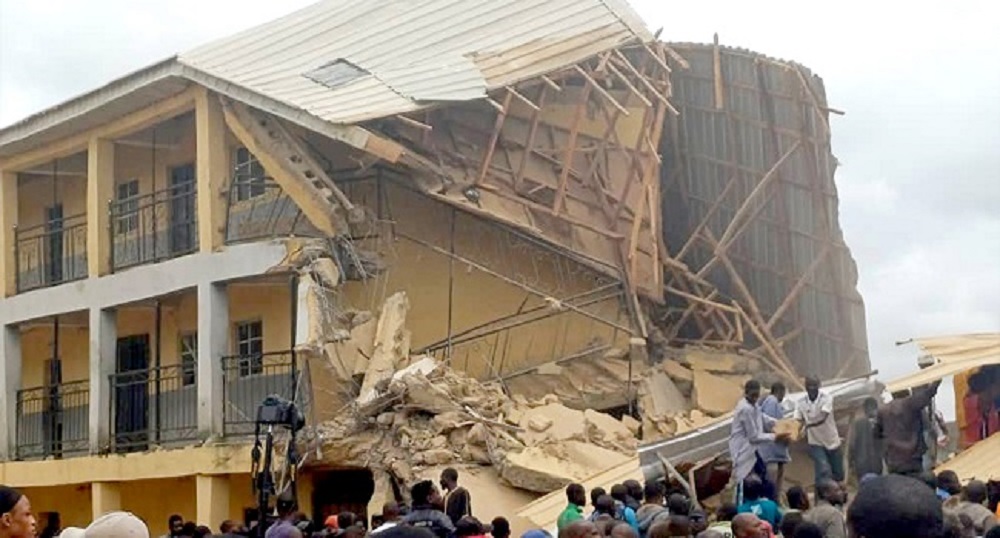
The Council for the Regulation of Engineering in Nigeria (COREN), the regulatory body governing the practice of engineering, has said that Nigeria recorded 22 building collapses between January and July 2024.
The President of COREN, Prof. Sadiq Abubakar, made this known while addressing a news conference with the theme: ’’The Incessant Spate of Building Collapse in Nigeria in Recent Times: A Call for Sustainable Collaboration by All Stakeholders.
Abubakar said that from January to July 14 alone, at least 22 cases of building collapse have been reported in Nigeria, with Lagos accounting for 27.27 per cent, Abuja and Anambra at 18.18 per cent each.
He added that Ekiti and Plateau followed with 9.09 per cent each, and Kano, Taraba, and Niger states accounted for 4.55 per cent each.
“Records also showed that Lagos takes the lead in the incidence of building collapses.
“As a matter of fact, over 91 buildings have collapsed, resulting in the deaths of over 354 persons in Lagos from 2012 to date.
“Similarly, in Abuja, about 30 buildings have collapsed from 1993 until date, resulting in the deaths of more than 64 persons and injury of many.
“The most recent occurrences of building collapses close to DMGS Onitsha, Anambra State, on June 12 and that of a school (Saint Academy) in Plateau on July 13, where 22 students died and 134 were injured, as well as the building collapse in Kubwa, Abuja.
He said that the incidents were worrisome.
According to him, this calls for deep reflection and collaboration among all stakeholders in stemming the tide.
’’While we commiserate with all victims and families, we want to commend the efforts of all emergency and security services for their prompt response at the time.’’
According to Abubabkar, the leading causes of building collapse vary from one location to the other.
He said some buildings collapsed as a result of ageing, and from some investigations and research conducted over time, use of substandard construction materials and structural failure were also responsible.
He said that other factors included the illegal change of use of buildings, illegal addition of floors, quackery, and inadequate or lack of supervision and oversight.
He added that other factors were faulty foundations, a lack of soil or geotechnical investigation, and sharp and corrupt practices, among others.
Abubakar also commended the respective affected state governments for constituting a panel of enquiry to look into the various cases with a view to finding out the immediate and remote causes and preventing future occurrences.
“This is not the time for apportioning blame or contest of superiority within the built environment, but a time for all stakeholders to unite and proffer workable and lasting solution, particularly in the prevention of building collapses.
“All professionals within the built environment have a role to play in this.
“In this regard, we have identified and categorised many stakeholders that we will be engaging shortly,’’ he said.
The President said that the proliferation of illegal miners even within residential areas, as reported in some quarters, was a danger to the structural stability of buildings.
He added that the council had therefore, urged affected states to take urgent steps to reverse the trend, adding that it was also time to enforce the compulsory insurance of some buildings under construction.
Abubakar said that, perturbed by the incessant and avoidable incidences of building collapses in Nigeria and loss of lives in recent times, COREN had deemed it necessary to make major moves.
He said that COREN had taken some steps to monitor and prevent building collapses by training and licensing Engineering Regulation Monitoring (ERM) inspectors.
Abubakar added that COREN had reconstituted its Council Committee on Engineering Regulation Monitoring (ERM) and added an additional role of enforcement to its responsibility in line with the amended COREN Act.
He said that COREN had constituted the ERM&E Task Force at regional levels, including Ibadan, Port Harcourt, Enugu, Kano, FCT, Gombe, and Lagos, among other steps to tackle building collapse.





Bandits have killed a monarch,his wife, his son, and three other residents in a deadly night attack on Olegabulu community in Agatu Local Government Area of Benue State.
Residents said the attack happened on Thursday night when the armed men, numbering about four and arriving on two motorcycles, stormed the palace of the monarch and opened fire on him and his family members.
According to a resident who requested anonymity, the attackers entered the community without raising suspicion, reportedly exchanging greetings with locals in the native dialect before heading straight to the royal residence. Once inside, they opened fire, killing the traditional ruler, his wife, and his son on the spot.
The attackers were said to have spent about 20 minutes in the community. After the assault on the palace, they reportedly moved to a nearby compound where they killed two additional residents and left another person injured before fleeing the scene.
Eyewitnesses described the incident as coordinated and deceptive, noting that the gunmen initially blended in with residents before launching the attack.
The Chairman of Agatu Local Government Area, Melvin Ejeh, confirmed the incident, stating that five people were killed and one person sustained injuries.
He added that security operatives, including police personnel, have since visited the scene.
Meanwhile, the Police Public Relations Officer in Benue State, DSP Udeme Edet, said she was yet to receive full details of the attack at the time of filing this report.

Proceedings in the case involving former Kogi State governor, Yahaya Bello, were on Thursday adjourned till May 6, 2026, by Justice Emeka Nwite of the Federal High Court, Abuja.
At the resumed hearing, counsel to the Economic and Financial Crimes Commission, EFCC, Kemi Pinheiro, SAN, represented the prosecution, while Bello was represented by his lead counsel, Mr Joseph Daudu.
During proceedings, the prosecution informed the court of the need for more time to respond to applications filed by the defence, while Bello’s legal team urged the court to consider their submissions and move the matter forward.
Justice Nwite, in his ruling, adjourned the case to May 6 to allow all parties to adequately prepare and ensure a fair hearing.
Mr Bello is currently facing charges bordering on alleged financial misappropriation during his tenure as governor, allegations he has repeatedly denied.
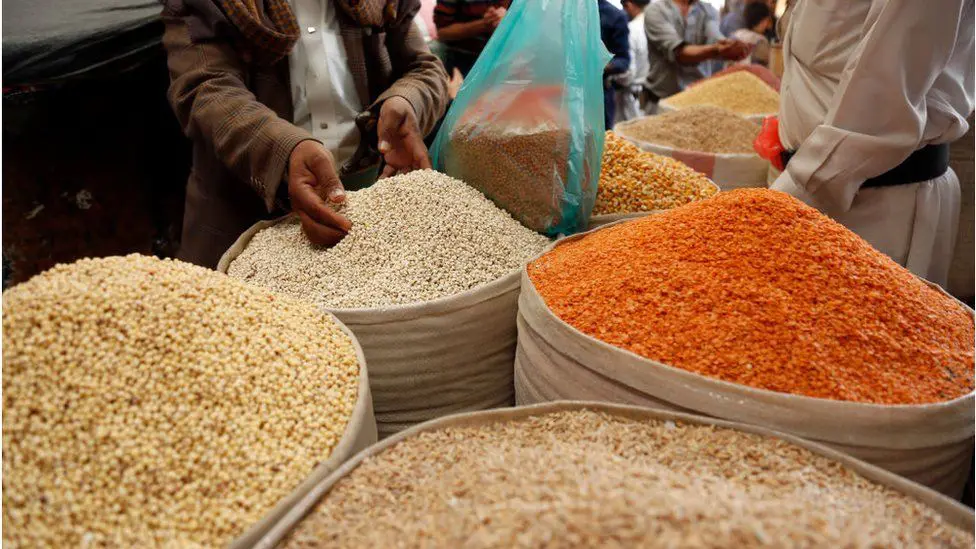
Nigeria is set to experience one of the highest increases in food insecurity worldwide in 2026, according to the latest Global Report on Food Crises released on April 24, 2026.
The report, compiled by agencies including the Food and Agriculture Organization and World Food Programme, raised fresh concerns over worsening hunger levels driven by insecurity, economic hardship and declining humanitarian funding.
According to FAO findings, about 4.1 million additional Nigerians could fall into acute food insecurity in 2026, placing the country among those with the largest increases globally.
Reacting to the development, President of the International Fund for Agricultural Development, Mr Alvaro Lario, said “the crisis is becoming more prolonged and difficult to contain”.
“We are no longer seeing just temporary shocks, but persistent shocks over time,” warning that the situation is placing growing pressure on global stability.
FAO noted that about 266 million people across 47 countries face high levels of acute hunger in 2025, with conditions expected to remain severe into 2026.
In Nigeria, the situation is being worsened by continued insecurity in key farming regions, rising inflation and limited access to food.
According FAO projections, over 34 million Nigerians may experience crisis level hunger between June and August 2026, during the peak of the lean season.
The FAO Country Representative in Nigeria, Mr Hussein Gadain, said the combined impact of armed conflict, climate shocks, high food prices and cuts in global aid funding is pushing more Nigerians into hunger.
The report called for urgent and sustained intervention, warning that without immediate action, millions more could slide into emergency levels of food insecurity in the coming months.

BREAKING: Benue boils again as bandits invade palace, kill monarch ,wife, son three others

Yahaya Bello to know fate on May 6 as Court adjourns financial infractions case

Nigeria set to record largest surge in food insecurity globally in 2026-Reports




-

 Metro16 hours ago
Two Injured as Police Foil Kidnapping Plot in Ibadan
-

 News16 hours ago
OAU Medical Student Slumps, Dies During Clinical Examination
-

 Politics16 hours ago
Lagos 2027: Obasa Hosts Hamzat,Promises Support For Governorship Bid
-

 News16 hours ago
Tight Security as Court Arraigns Suspects Over Jos Killings
-

 News16 hours ago
Tinubu Unveils ₦25 Trillion Pension Fund to Strengthen Workers’ Retirement Security
-

 News16 hours ago
$516m loan request: Tinubu’s borrowing bonanza mortgaging Nigeria’s future
-

 News16 hours ago
Ex-footballer Jailed 3 Years For Rape
-
 Politics16 hours ago
APC shifts presidential primary to May 23, 2026, releases revised 2027 election timetable
You must be logged in to post a comment Login