News
SEE Dollar to Naira Exchange Rate at Black Market for July 24, 2024
- /home/naijuinz/public_html/wp-content/plugins/mvp-social-buttons/mvp-social-buttons.php on line 27
https://naijablitznews.com/wp-content/uploads/2024/07/Screenshot_20240724-161148.png&description=SEE Dollar to Naira Exchange Rate at Black Market for July 24, 2024', 'pinterestShare', 'width=750,height=350'); return false;" title="Pin This Post">
- Share
- Tweet /home/naijuinz/public_html/wp-content/plugins/mvp-social-buttons/mvp-social-buttons.php on line 72
https://naijablitznews.com/wp-content/uploads/2024/07/Screenshot_20240724-161148.png&description=SEE Dollar to Naira Exchange Rate at Black Market for July 24, 2024', 'pinterestShare', 'width=750,height=350'); return false;" title="Pin This Post">
By Kayode Sanni-Arewa

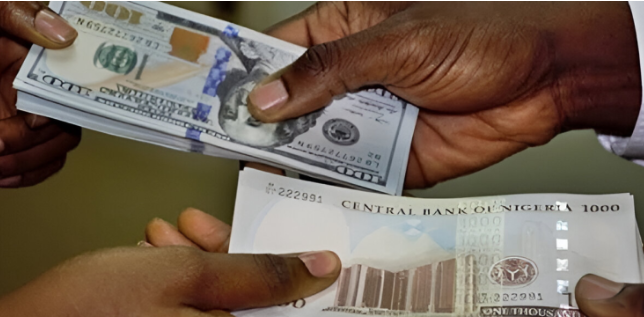
The dollar to naira exchange rate is a significant concern for many Nigerians, especially those involved in foreign trade, travel, and investments. The Dollar to Naira black market, also known as the parallel market or Aboki FX, often presents different rates compared to the official Central Bank of Nigeria (CBN) rates. This article delves into the current Dollar to Naira exchange rates for today July 24, 2024, factors influencing these rates, and the implications for Nigeria’s economy.
*Dollar to Naira Today Black Market.*

Current Black Market Dollar to Naira exchange rate.
Buying Rate: N1588
Selling Rate: N1590
*Official CBN Rates*
Buying Rate: N1639
Selling Rate: N1640
*Understanding the Black Market for Forex*
*What is the Black Market?*
The black market refers to unofficial exchange channels where currencies are traded without government regulation. This market often provides more competitive rates due to the high demand and limited supply of foreign currencies.
*Why Do People Use the Black Market?*
People turn to the black market due to:
*Favorable Rates:* Often higher than official rates.
*Accessibility:* Easier to obtain foreign currency without stringent regulatory requirements.
*Factors Influencing Black Market Rates*
*Economic Policies*
Government decisions on interest rates,
inflation control, and forex regulations by the CBN directly affect the naira’s value. Policy adjustments aimed at stabilizing the naira impact the exchange rates.
*Supply and Demand*
* The availability of foreign currency versus its demand significantly influences exchange rates. A shortage of foreign currency or high demand leads to naira depreciation.
*Political Stability*
Geopolitical events and internal political stability affect investor confidence. Political unrest or uncertainty can cause the naira to depreciate, while stability strengthens it.
*Global Economic*
Conditions Global market conditions, such as oil prices, international economic trends, and global inflation rates, influence the naira’s value. A significant drop in oil prices, for instance, negatively impacts Nigeria’s economy.
*Comparing Official and Black Market Rates*
*Why the Disparity?*
Several factors contribute to the disparity:
*Supply and Demand:* Limited availability in the official market drives people to the black market.
*Regulatory Restrictions:* CBN imposes limits on forex availability, leading to higher black market rates.
*Economic Instability:* Fluctuations in oil prices and inflation prompt people to seek more favorable black market rates.
*Impact on the Economy*
High black market rates can:
*Inflation:* Increase costs for imported goods.
*Investment:* Deter foreign investment due to economic instability.
*Trade:* Benefit exporters while imposing higher costs on importers.
*Using the Parallel Market Safely*
*Tips for Transactions*
*Verify Rates:* Check reliable sources like Aboki FX for the latest rates. Reputable
*Dealers:* Engage with trusted Bureau De Change operators to avoid scams.
*Pounds and Euro to Naira Exchange Rates*
*Pounds to Naira (CBN Rates)*
Buying Rate: ₦2,139
Selling Rate: ₦2,140
*Euro to Naira (Black Market Rates)*
Buying Rate: ₦1,778
Selling Rate: ₦1,779
*Geegpay and Grey: Online Exchange Platforms*
*Geegpay Rates*
EUR (€): Buying at ₦1,690.03, Selling at ₦1,695.55
GBP (£): Buying at ₦1,950, Selling at ₦1,965
USD ($): Buying at ₦1,504, Selling at ₦1,570
*Grey Rates*
EUR (€): Buying at ₦1,640.03, Selling at ₦1,719
GBP (£): Buying at ₦1,902, Selling at ₦2,015
USD ($): Buying at ₦1,550, Selling at ₦1,570
*FAQs*
*How much is a dollar to naira today in the black market?* The buying rate is N1588, and the selling rate is N1590 as of July 24, 2024.
*Why does the black market offer higher rates than the CBN?* The black market rates are driven by supply and demand dynamics, regulatory restrictions, and economic instability.
*Is it legal to trade forex in the black market?* While the CBN discourages it, many engage in the black market due to the unavailability of sufficient forex through official channels.
*What are the risks of trading in the black market?* Risks include fluctuating rates, potential scams, and the legal gray area of such transactions.
*Can the CBN influence black market rates?* The CBN can influence these rates through monetary policy, forex interventions, and regulatory measures, but direct control is limited.
*How often do black market rates change?* Rates can change on a daily or even multiple times per day, depending on market conditions and economic news.
*Conclusion on Dollar to Naira Black Market Rate Today*
The black market dollar-to-naira exchange rate is a complex interplay of economic factors, regulatory frameworks, and market dynamics. While it provides an alternative for many Nigerians seeking forex, it also highlights the broader challenges and opportunities in Nigeria’s economic landscape. Understanding these rates and the factors influencing them is crucial for making informed financial decisions.
News
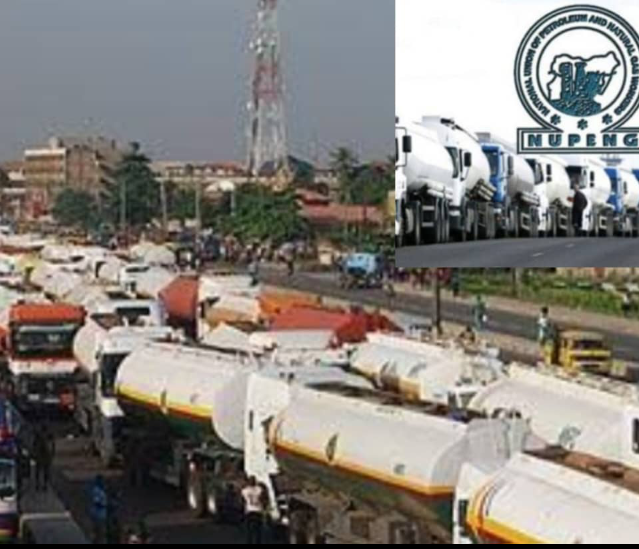
Price of petrol expected to drop to N900 per litre as US-Iran opens way for Strait of Hormuz
Prices of oil fell sharply in Asian trading on Monday after the United States and Iran announced an agreement that would allow the reopening of the Strait of Hormuz, ending more than 100 days of disruption to one of the world’s most important energy shipping routes.
At the time of reporting, Brent crude was down by nearly 4 percent at $83.67 per barrel, while U.S. benchmark West Texas Intermediate (WTI) declined to $80.76 per barrel.
The latest drop extends a downward trend that has emerged in recent weeks amid growing speculation that a diplomatic breakthrough was imminent despite continued military escalations.
As a result, the petrol price is seen falling below N1000 per litre after many weeks of inflated prices at filling stations across Nigeria.
Analysts say the price will likely settle between N850 and N915 when the Strait finally re-opens and ships begin ferrying fuel supplies, easing pressure on the domestic market while helping to stabilise costs.
The breakthrough was announced on Sunday night when President Trump stated on social media that negotiations with Iran had been concluded.
He said oil would once again move through the Strait of Hormuz once the agreement is formally signed on Friday.
Iran also signaled its approval of the arrangement.
Deputy Foreign Minister Kazem Gharibabadi confirmed that both sides had finalised the text of a memorandum of understanding, adding that a formal signing ceremony is scheduled to take place in Switzerland later this week.
The agreement was further validated by Pakistan and Qatar, which served as the principal mediators throughout the negotiations.
Although the full terms have not been officially released, Iran’s semi-official Mehr News Agency, citing a source close to the country’s negotiating team, reported that the deal includes an end to the conflict in Lebanon, the suspension of sanctions on Iranian oil exports, the release of $24 billion in frozen Iranian assets, and assurances that Iran will not pursue nuclear weapons.
According to the report, sanctions relief and the release of frozen funds will occur during a ceasefire period. Mehr also indicated that Iran could gain access to $12 billion before broader negotiations commence.
For energy markets, one of the most significant provisions is the resumption of Iranian crude exports during the proposed 60-day ceasefire while talks on nuclear issues continue.
The diplomatic progress nearly unravelled shortly before the announcement after Israel launched an air strike in southern Beirut. Trump criticised the operation, saying it “should not have happened,” and subsequently urged all parties to de-escalate.
He also called for an immediate halt to Israeli attacks across Lebanon.
Despite optimism surrounding the agreement, market participants remain cautious. Traders are expected to closely monitor the removal of mines from the Strait of Hormuz, the formal signing of the accord, and the restoration of normal shipping activity before fully embracing expectations of supply normalisation.
After more than three months of conflict, investors are increasingly pricing in the prospect of peace and a gradual return to stability in global oil markets. However, questions remain over the durability of the agreement and how quickly normal trade flows can be restored.
News
2025 Capital Budget Gets New Lease of Life as Reps Push Deadline to September
By Gloria Ikibah
The House of Representatives has approved a three-month extension of the implementation period for the capital component of the 2025 Appropriation Act, shifting the deadline from June 30 to September 30, 2026.
The decision was taken during an emergency sitting held on Monday, as lawmakers moved swiftly to ensure the continued execution of capital projects captured in the national budget.
The legislation, which seeks to amend the Appropriation (Repeal and Enactment) Act, 2025, was designed to provide additional time for Ministries, Departments and Agencies to complete ongoing projects and fully utilise funds earmarked for capital expenditure.
In an unusually rapid legislative process, the bill passed through its first, second and third readings during the same plenary session after members suspended the relevant provisions of the House Standing Orders to facilitate its consideration.
Leading debate on the general principle of the bill, House Leader, Rep. Julius Ihonvbere, said the extension was necessary as several capital projects captured in the 2025 budget had not been fully implemented.
He emphasised that the amendment was not intended to alter any provision of the budget but merely to extend its lifespan by three months to allow ongoing projects to be completed.
He said: “It is very straightforward. Because some aspects of the capital appropriation will not be fully implemented, if we do not extend the life of this particular law, it will have a very grave impact on the growth and development of the national economy.
“The purpose essentially is to extend the lifespan. We are not touching any part of the law. It is simply extending the lifespan from June 30, 2026 to September 30, 2026. I urge my colleagues to approve this so that we can continue with the work of developing and growing our economy and country”.
Presiding over the session, Speaker of the House, Rep. Abbas Tajudeen, acknowledged that the records provided by the Chairman House Committee on Appropriations and other relevant agencies revealed that implementation of the capital budget was yet to be completed.
“As you are aware, the 2025 budget was extended to June 30. From the records we received from the Chairman, Appropriations, and other relevant quarters, it is yet to be fully implemented. It is therefore in the best interest of this country and the National Assembly for us to extend the budget to September 30 to enable the Federal Government fulfil its obligations under the 2025 budget,” the Speaker said.
Following the adoption of the bill at second reading, the House dissolved into the Committee of Supply where it had the clause by clause consideration of the bill, and approved the three clauses, explanatory memorandum and long title of the bill.
The committee subsequently reported back to plenary, where lawmakers adopted its recommendations and suspended House rules to allow the bill to be read a third time and passed the same day.
The accelerated passage reflects growing concern over the pace of implementation of key infrastructure and development projects, many of which require additional time to reach completion.
With the approval, government agencies now have until the end of September to execute projects funded under the capital component of the 2025 budget, a move expected to prevent disruptions to ongoing works and improve budget performance.
The extension is also aimed at ensuring that resources already allocated for development projects are effectively utilised before the capital budget expires.
With the passage of the amendment, federal ministries, departments and agencies now have an additional three months to implement capital projects and utilize funds appropriated under the 2025 budget.
Meanwhile, the House also announced changes in the leadership of some standing committees.
The appointments are as follows:
• Rep. Ali Madaki – Chairman House Committee on Special Duties
• Rep. Ali Isa J.C. – Chairman House Committee on Shipping Services,
• Rep. Pascal Agbodike – Chairman House Committee on Small and Medium Enterprises Development Agency of Nigeria (SMEDAN),
• Rep. Kelechi Nwogu – Chairman House Committee on Hydrological Services
The Speaker urged the newly appointed committee chairmen to assume their responsibilities immediately and bring their legislative experience to bear in advancing the work of the House.
News
Day 4 of projects commissioning as President TInubu set to commission newly constructed Court of Appeal Building
President Tinubu will commission the newly constructed Court of Appeal (Abuja Division) Building today, 15/6/26 as FCT projects commissioning enters Day 4.
#FCTProjects2026
#RenewedHopeFCT
-
Crime24 hours agoNDLEA nabs businessman with 6.10kg cocaine starched in shirts, towels from Brazil+Photos
-
Sports24 hours agoPSG’s Barcola hands over transfer request as Aresenal, Liverpool show interest
-
Foreign24 hours agoHormuz to reopen on Sunday after US-Iran sign deal-Trump
-
Sports19 hours agoReal Madrid complete a Shocking Signing of Chelsea Superstar
-
Politics23 hours agoNew Delta Vision not a political project, but generational movement, Delta State’s ADC candidate Unuafe clarifies
-
News22 hours agoECOWAS Parliament Convenes High-Level Dakar Summit to Drive Renewable Energy Push in Rural West Africa
-
Opinion22 hours agoChinese Miners Are Not the Architects of Nigeria’s Banditry A Response to Farooq A. Kperogi’s “How Chinese Miners Fuel Nigeria’s Terrorist Banditry”
-
News22 hours agoDeputy Speaker Pushes for Home-Grown Defence Industry, Stronger Financial Crackdown on Insecurity

Warning: Undefined variable $user_ID in /home/naijuinz/public_html/wp-content/themes/zox-news/comments.php on line 49
You must be logged in to post a comment Login