
News
Energy Reforms Advocates Expose Underhand Dealings in NNPCL’s Crude Oil Allocation: Matrix and GTT Under Scrutiny



The Energy Reforms Advocates, a formidable coalition of activists championing transparency and accountability within Nigeria’s oil and gas sector, has sounded the alarm over an alleged “unholy alliance” between the Nigerian National Petroleum Company Limited (NNPCL) and Matrix Energy Group. This purported partnership, according to the advocates, is specifically designed to deprive Nigeria of crucial tax revenues.
A damning report compiled by the group, led by Dr. Moses Oriri, has unearthed irrefutable evidence linking Matrix Energy’s operations to Malta, a notorious European hub for clandestine blending and ship-to-ship transfers of sanctioned Russian oil and petroleum products.
Further investigation revealed that crude oil allocations by NNPCL to Matrix Energy Group are traded through an intermediary, Gulf Transport & Trading (GTT), registered in the United Arab Emirates (UAE). These allocations, totaling nearly 38% of Nigeria’s oil import quota, allegedly circumvent Nigeria’s tax system, resulting in billions of naira in lost revenue.
Matrix Energy, helmed by Abdulkabir Adisa Aliu, purportedly receives up to four crude oil cargoes per month from NNPCL. Instead of trading these allocations directly within Nigeria, where they would be subject to taxes and government oversight, the crude is rerouted through GTT. This UAE-based trading company allegedly serves as a front for Matrix’s offshore operations.
The scheme enables the oil to be sold at a premium of $3 per barrel, generating substantial profits outside Nigeria’s taxation system. This brazen exploitation not only undermines Nigeria’s economic interests but also raises serious concerns about corruption and money laundering.
An exhaustive examination of documents by Energy Reforms Advocates reveals that this clandestine arrangement yields an estimated $150 million (approximately N240 billion at the current exchange rate of N1,600 per dollar) in untaxed profits annually, denying Nigeria’s treasury much-needed revenue.
Given oil’s status as Nigeria’s primary revenue source, this flagrant exploitation has far-reaching consequences, impacting every sector of the country. The ripple effects of this malfeasance are felt across the economy, exacerbating financial hardships and undermining national development. These illicit gains, which rightfully belong to the Nigerian people, are instead unlawfully appropriated by Matrix Energy and its collaborators, dealing a devastating blow to the nation’s economic well-being.
Further investigation has uncovered an even more alarming aspect of this scheme. Poly Pro Trading, a Dubai-registered entity purportedly operating from OneJLT Towers 05.015 in the Dubai Free Trade Zone, appears to be a fictitious company lacking a physical office presence.
Energy Reforms Advocates categorize this location as a mere “business front,” cleverly designed to lend legitimacy to illicit oil transactions. This revelation raises profound concerns regarding the true nature and intentions of these offshore entities, particularly their role in siphoning Nigeria’s wealth through elaborate schemes.
Further in-depth investigations into Matrix Energy’s operations have uncovered the company’s clandestine involvement in the importation of substandard refined petrochemicals, which are subsequently distributed throughout Nigeria, perpetuating a hazardous cycle of environmental degradation and health risks. Documents obtained by Energy Reforms Advocates reveal that a substantial percentage of Matrix’s imports originate from Malta, a small European nation lacking significant oil refining capacity. However, Malta has gained notoriety for its role in illicitly refining Russian oil, which is then surreptitiously traded to unpatriotic representatives from various countries.
Alarmingly, over 35% of shipments from Malta contain petroleum products of questionable quality, including naphtha and gasoline blends, which fall short of global standards. These subpar products are then transshipped through various African ports, ultimately infiltrating Nigeria’s fuel distribution system.
Notably, diesel from Russia is notoriously off-spec, and diesels from Matrix filling stations have failed the ASTM D4294 test method, which provides a rapid and precise measurement of total sulfur in petroleum and petroleum products with minimal sample preparation. This situation has led to Matrix Energy peddling flammable diesel with toxic fumes to unsuspecting Nigerians, while reaping enormous profits.
The ecological and health consequences of this low-grade fuel are dire. Increased emissions from these substandard products lead to elevated pollution levels, frequent vehicle breakdowns, and a precipitous decline in public health. Experts warn that this illicit trade contributes significantly to Nigeria’s escalating mortality rate, as unsuspecting citizens are exposed to these harmful products. The sheer magnitude of this environmental and health crisis raises urgent concerns about the government’s regulatory oversight and the company’s blatant disregard for human life and the environment.
Energy Reforms Advocates contend that the Nigerian Midstream and Downstream Petroleum Regulatory Authority (NMDPRA) is culpably complicit in the illicit operations, willfully disregarding its statutory responsibility to ensure the quality of petroleum imports. The advocacy group asserts that Matrix Energy inaction is facilitated by its cozy relationship with high-ranking officials like, the Chief Executive Officer of the Nigerian Midstream and Downstream Petroleum Regulatory Authority (NMDPRA),Farouk Ahmed, and the Group Chief Executive Officer of the Nigerian National Petroleum Company Limited (NNPCL), Mele Kyari.
By failing to regulate fuel quality effectively, NMDPRA has created a regulatory vacuum that international commodity traders and Nigerian marketers have exploited with impunity, importing subpar fuels without consequence.
Regrettably, the presence of unpatriotic individuals, including Adisa Aliu, Farouk Ahmed, Mele Kyari, and their associates, in key decision-making positions has perpetuated the corruption plaguing Nigeria’s oil and gas sector. The disturbing revelations surrounding Matrix Energy and Gulf Transport & Trading’s (GTT) unscrupulous business practices not only cast doubt on the integrity of NNPCL’s leadership but also tarnish the reputation of Nigeria’s entire oil and gas industry.
As Africa’s largest oil producer, Nigeria’s economy is heavily reliant on crude exports and the accompanying revenues. However, these illicit dealings deprive the country of vital funds that could be invested in critical infrastructure, education, healthcare, and essential public services. The actions of these unpatriotic elements in power have far-reaching and devastating consequences, severely impacting various aspects of Nigeria’s development, including its economic, social, infrastructure, political, and humanitarian well-being.
With a great insight into the understanding of this situation as a Syndicate operation involving high profile corrupt individuals, the Energy Reforms Advocates are urgently appealing to relevant authorities, notably the Economic and Financial Crimes Commission (EFCC), to initiate a thorough investigation into these illicit activities and prosecute all individuals and organizations implicated.
The advocacy group is also demanding enhanced transparency in the Nigerian National Petroleum Company Limited’s (NNPCL) crude oil allocation processes and more stringent oversight of the nation’s oil export channels to prevent further exploitation.
In response to these disturbing findings, Energy Reforms Advocates are pressing the Nigerian government to conduct a comprehensive review of all crude oil export contracts, ensuring that companies like Matrix Energy and Gulf Transport & Trading (GTT) are held accountable for their actions.
The group is emphasizing the imperative need for sweeping reforms in the oil and gas sector, specifically targeting the pervasive exploitation by foreign entities in collusion with corrupt Nigerian officials.
“This constitutes a systematic plundering of Nigeria’s resources,” declared a spokesperson for Energy Reforms Advocates. “We can no longer tolerate the inaction that enables a select few privileged companies, in cahoots with corrupt officials, to siphon away our nation’s wealth. The time has come for decisive government intervention.”
As this saga unfolds, Energy Reforms Advocates urge Nigerians to remain vigilant, demanding the transformative change desperately needed in this critical sector. The advocacy group persists in its demands for transparency, accountability, and justice on behalf of Nigerians whose future is being jeopardized by these unscrupulous dealings.









Five Nigerian soldiers were reportedly killed on Friday, April 17, 2026, when suspected fighters of the Islamic State West Africa Province (ISWAP) attacked a military base in Mussa village, Borno State.
According to militia sources who spoke to AFP, the insurgents stormed the base before being repelled by troops. Following the attack, clashes were also reported in nearby Leho village.
However, the Armed Forces of Nigeria (AFN) have recorded significant operational successes across multiple theatres of operation between April 10 and 16, 2026, as troops sustained coordinated offensives against Boko Haram, ISWAP, JAS, violent extremist groups, kidnappers, and secessionist armed elements nationwide.
According to a statement issued by the Directorate of Defence Media Operations, the operations led to the arrest of several suspects, rescue of kidnapped victims, interception of terrorist logistics supplies, and neutralisation of armed criminals in ongoing efforts to create a safer and more secure environment across the country.
Troops of Operation HADIN KAI in the North East also maintained sustained pressure on insurgent networks across Borno, Yobe, and Adamawa States, recording multiple arrests and seizures.
In Gubio Local Government Area of Borno State, a suspect who confessed to supplying Premium Motor Spirit (PMS) to terrorists for about 10 years was arrested, with 60 litres of fuel, a mobile phone, and cash recovered.
In Adamawa State, 20 suspects were apprehended during raids on criminal hideouts in Mubi North, with items including electronics, cash totaling over ₦2.1 million, and other materials recovered.
In Yobe State, troops arrested three suspected informants linked to monitoring troop movements.
However, the Nigerian military had also in recent times suffered set backs in the fight against insurgency in the North East. Nigeria Tourism Guide
Suspected fighters of Islamic State West Africa Province (ISWAP) had last week attacked a military formation, killing a colonel, I.A. Mohammed, and other soldiers.
Also Brigadier General Oseni Omoh Braimah and 6 soldiers paid the supreme price early in a coordinated attacks by suspected members of the Islamic State of West Africa Province (ISWAP) on military formations in Benisheikh, Kaga Local Government Area, as well as Ngamdu and Pulka town in the Gwoza LGA of Borno state.
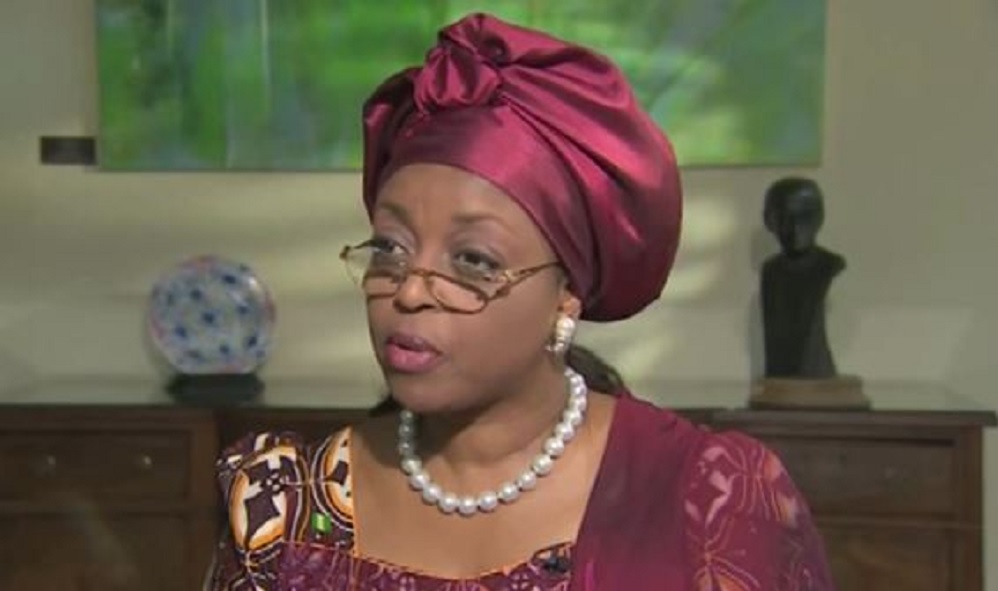
Former Nigerian Petroleum Minister Diezani Alison-Madueke told a UK court that her role in approving oil contracts was largely routine, stating that major decisions were already taken before documents reached her desk.
Speaking at Southwark Crown Court in London, she explained that the structure of Nigeria’s oil sector meant she had limited direct control, as key operations were handled by the leadership of the Nigerian National Petroleum Corporation (NNPC).
“The system was already in motion before files came to me,” she said, adding that the size and complexity of the industry made it difficult for a minister to oversee everything directly.
She said she rarely declined contract approvals because they had already passed through detailed technical and regulatory checks.
“I was, in many instances, a rubber stamp in the process,” she said.
Diezani also recounted a 2014 incident in which she discovered a questionable crude oil deal allegedly linked to businessman Igho Sanomi. She said the matter came to light following a whistleblower report, prompting her to cancel the arrangement.
However, she told the court that powerful individuals opposed her decision and escalated complaints to then President Goodluck Jonathan.
On allegations that $20 billion in oil revenue went missing, she disagreed with former Central Bank Governor Lamido Sanusi, insisting the reports were inaccurate.
“There were no missing funds as widely reported,” she said, explaining that audits and legislative reviews later showed the money was tied to subsidy payments and operational costs.
She acknowledged serious challenges in the fuel subsidy system, including multiple claims by some marketers, but said reforms were introduced to reduce fraud.
According to her, these efforts came with risks. She said she faced security threats, including the kidnapping of family members, which she linked to her attempts to challenge powerful interests in the sector.
She also said politicians and business figures frequently pressured her office for preferential treatment in oil allocations.
“I declined requests that did not follow due process,” she said.
Addressing questions about her personal finances, Diezani said she used Nigerian bank cards even during foreign trips, in line with rules preventing public officials from holding foreign accounts.
She added that the cards sometimes failed abroad, forcing others to temporarily cover expenses.
The court also examined records of her official trips between 2011 and 2015.
She said she usually travelled with about 30 officials, including aides, security personnel, and protocol staff.
“All movements were documented and archived in ministry records,” she said, noting that both commercial and chartered flights were used depending on official requirements.
Despite the allegations against her, Diezani insisted her time in office focused on increasing local participation in the oil sector and improving transparency, saying she has been unfairly portrayed.
She is currently on trial alongside Olatimbo Ayinde and Doye Agama on five counts related to bribery.
All the defendants have pleaded not guilty, and the case is ongoing in London.
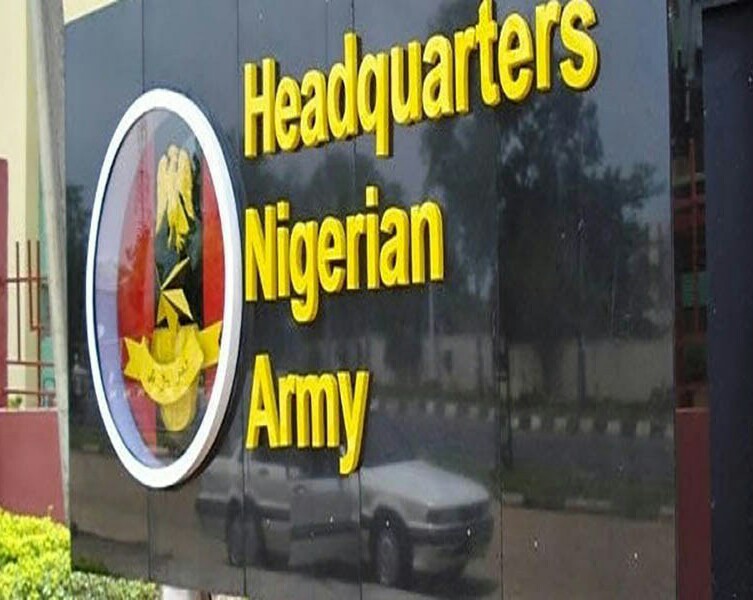
Brig.-Gen. Uche Nnabuihe has raised concern over low enlistment from the South-East, revealing Anambra recorded only 117 applications out of 38,000 nationwide.
Nnabuihe led an Army delegation to sensitise youths in Awka, noting the figure was recorded on April 7, before a nationwide awareness campaign began.
He said the exercise aimed to encourage more youths from Anambra and the South-East to join the 91 Regular Recruits Intake before the May 27 deadline.
“We observed with concern that out of 38,000 applications received nationwide, only 117 came from Anambra as of April 7.
“This sensitisation is to correct that imbalance and encourage our youths to take advantage of opportunities in the Nigerian Army,” he said.
Nnabuihe urged eligible youths to apply, noting the Army offers a structured career path and opportunities for national service.
Lt.-Col. Ogbemudia Osawe, member of the sensitisation delegation, said training infrastructure had expanded, with new institutions in Abakaliki and Osogbo to accommodate incoming recruits.
Osawe listed benefits, including career progression, regular pay, continuous military education, specialised training, and exposure to diverse cultures.
He added personnel enjoy welfare packages, free medical care for families, pensions, gratuities, and opportunities for international assignments.
The Permanent Secretary, Anambra Ministry of Youths, Ifeatu Emodi, commended the initiative, describing military enlistment as crucial for South-East youths.
Emodi said declining interest among youths stemmed from misconceptions and misinformation about the Army.
Traditional ruler, Igwe Michael Okeke-Uche of Enugwu-Agidi, praised the Army’s welfare structure and urged youths to enlist for better regional representation.
The sensitisation held at the Ministry of Youths in Awka, attracting a cross-section of young people.

ISWAP attacks military base in Borno, kill five soldiers

Nigerian oil governance, Contracts: ‘I was a rubber stamp, Diezani tells UK Court

Army raises alarm over low South-East recruitment



-

 News18 hours ago
Expulsion: Bala, Abejide vow to battle Mark-led ADC faction to finish
-

 News16 hours ago
JAMB: See How To Check, Print 2026 UTME Result Slip
-
 News20 hours ago
Fuel, diesel prices will drop in Nigeria as crude oil slumps
-

 News18 hours ago
Just in: Iran seals Strait of Hormuz again, blames US
-

 News16 hours ago
Troops nab nine suspected terrorists in Plateau, recover arms, ammunition
-

 News20 hours ago
Wife demands divorce from husband for being poor
-
 News23 hours ago
Angry Ex-Senate president, Saraki slams Kwara gov, says “you never completed secondary sch education”
-
 Metro4 hours ago
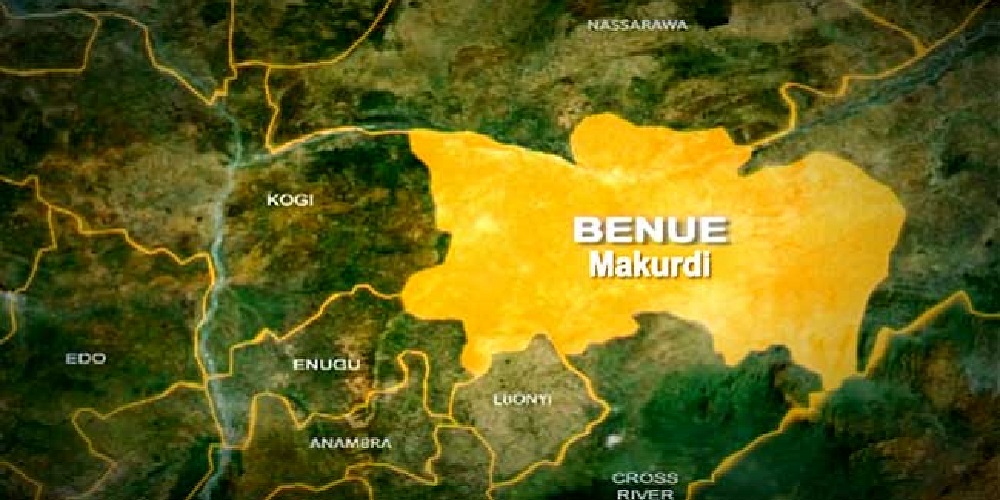
Bandits Demand N9m Per Benue JAMB Victim As Police Nab Seven
You must be logged in to post a comment Login