News
Senate Increases Federal Varsities To 64; Endorses 2 In Ogun, Kano
By Kayode Sanni-Arewa

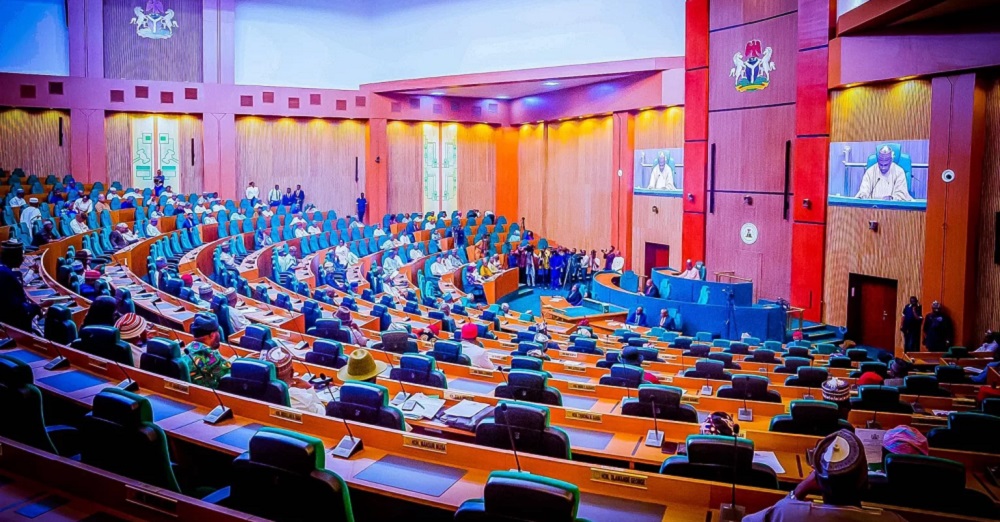
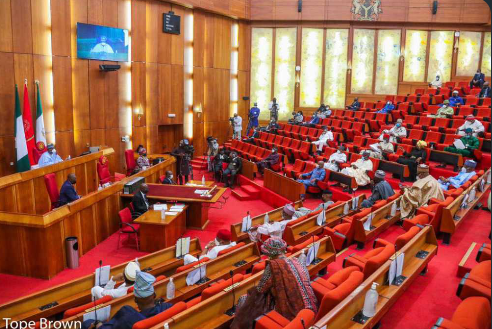
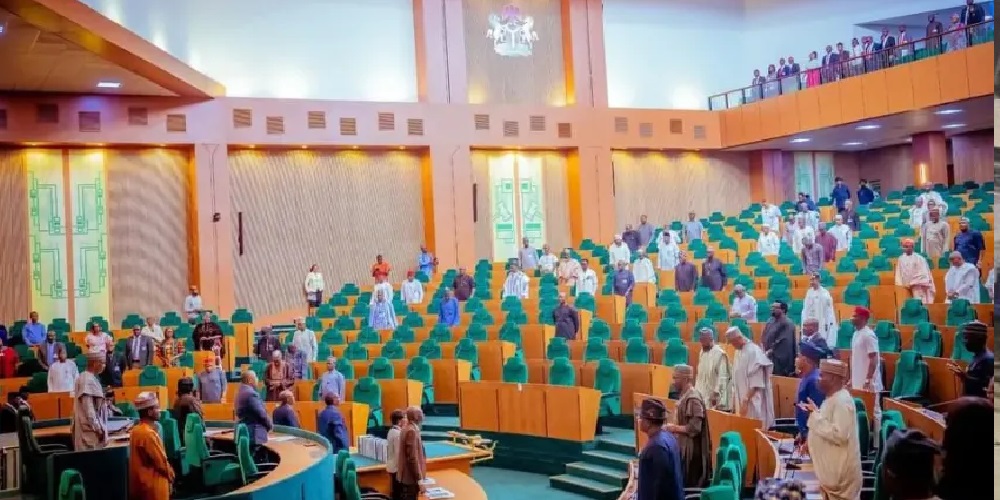
The Senate has increased the number of federal universities in the country to 64 following the the passage of bills establishing two universities in Kano and Ogun states.
The senate, on Tuesday, approved the bills to establish the University of Applied Sciences in Kachia, Kaduna State, and the Federal University of Technology Ilaro in Ogun State.

The federal government had earlier in the year founded two new universities.
According to checks by the magazine, there are currently over 270 universities in Nigeria as of 2024,, 149 were private while state and federal universities added up to 63 and 62, respectively.
The Senate yesterday approved the two universities in Kano and Ogun states following the adoption of a report of the Committee on Tertiary Institutions and TETFUND on establishments of the university at plenary.
The report for the establishment of the university in Kano was presented by the Chairman, Senator Mohammed Muntari who while making his presentation said, the universities will provide more jobs in the country, reduce youth restiveness, as well as develop the nation’s technological sector.
He said the university proposed received overwhelming support from Nigerians during the public hearing conducted by the committee, noting that the institution would help provide scientific knowledge to environmental challenges in the country.
Muntari said, “The hallmark of the proposed Federal University of Applied Sciences, is to produce graduates well equipped with practical and theoretical grounded knowledge in technology, applied science, commerce and management.
“This will reduce risks and challenges of productivity, data and information, cost benefits, marketing and security bedeviling humanity.
“The establishment of the Federal University will reduce the ills around the national economy and de-escalate chances of entrenching heinous criminal activities being perpetrated by men of the underworld.
“The knowledge and skills that would be acquired by the graduates from the envisaged Act of the National Assembly will definitely go a long way in expanding and deepening the horizon of the graduates in information management,” the senator said.
Meanwhile, not a few Nigerians, including the Academic Staff Union of Universities, ASUU have lamented the proliferation of government owned universities in the country, citing the paucity of funds to run them effectively.
ASUU, for instance, argue that available funds should be used to fund existing universities instead of establishing new ones
News
Prof Nnamchi Bags Excellence Award From Catholic Parish For His Investment In Youths(Photos)
——As The Lawmaker offers Bursary to 84 Outstanding Students, Certificates In ICT To 1000 Others
The four-day grand finale of the Free training on information and computer technology, ( ICT) Programme sponsored by the Member Representing Enugu East/Isi-Uzo Federal Constituency, Hon. Prof. Paul Sunday Nnamchi, came to a successful conclusion on Sunday, 20th September, 2026 at St. Therese Parish, Phase Six, Trans-Ekulu, Enugu.

The programme, designed to equip young people with essential digital skills and improve their capacity to thrive in today’s technology-driven world, featured Bursary Awards to 84 outstanding students and presentation of certificates to over 1,000 students and youths drawn from communities across the constituency.
Highpoint of the colourful event was the presentation of a special “Award of Excellence” to Hon. Prof. Paul Sunday Nnamchi in recognition of his commitment to youth development, education and community empowerment by the St. Therese Parish, of Catholic Church, Phase Six, Trans-Ekulu, Enugu.
Presenting the award on behalf of the parish, Very Rev. Fr. Franklin Udeze expressed profound appreciation to Prof. Nnamchi for his numerous contributions to human capital development and what he described as his outstanding performance in the National Assembly. He prayed that God would continue to bless, guide and strengthen him in his service to the people.
In his response, Hon. Prof. Nnamchi appreciated the parishioners, youths and students for the honour and recognition, noting that God’s grace and their prayers had been his strength.
He stated further that, “one of his primary objectives in the National Assembly is to ensure that students across Enugu East/Isi-Uzo Federal Constituency acquire computer literacy and essential digital skills”.
Prof Nnamchi also emphasized that the world had become increasingly technology-driven and that young people must be adequately prepared to participate meaningfully in the global community.

Earlier, the Programme Coordinator, *Engr. Igwe Daniel Nwachukwu, praised the parents and guardians for entrusting their children and wards to the programme and for supporting their participation throughout the excise.
He encouraged the beneficiaries to make meaningful use of the knowledge and skills acquired, stressing that the true value of the programme would be demonstrated through their ability to apply what they have learned to improve their lives, create opportunities and contribute positively to society.
Delivering the Vote of Thanks on behalf of the beneficiaries, Miss Avian Chimeziterem expressed sincere appreciation to Hon. Prof. Nnamchi for remembering young people and providing them with such a valuable and impactful opportunity.
She thanked the lawmaker and resource persons for investing in their future and assured that they would make good use of the skills acquired during the one month intensive computer training programme.
The successful completion of the 4th edition, which trained 2,927 students marks another significant milestone in the lawmaker’s drive to promote digital literacy, youth empowerment and educational development in Enugu East/Isi-Uzo Federal Constituency.
News
Ghana Urges ECOWAS States to Unite Against Climate-driven Insecurity
By Gloria Ikibah
Ghana has called for stronger regional cooperation among ECOWAS member states to tackle the growing links between climate change, environmental degradation, population displacement and insecurity across West Africa.
The call was made on Tuesday by Ghana’s Vice-President, Professor Naana Jane Opoku-Agyemang, who represented President John Dramani Mahama at the official opening of the Second 2026 Parliamentary Seminar and Second Extraordinary Session of the ECOWAS Parliament in Accra.
The seminar, being held under the theme, “Climate Change as a Driver of Environmental Degradation, Population Displacement and Rising Insecurity in the ECOWAS Region,” is examining the growing impact of climate-related pressures on communities, livelihoods and regional security.
Opoku-Agyemang said the interconnected nature of the challenges required ECOWAS countries to move beyond isolated national responses and develop coordinated measures capable of addressing both the immediate consequences and underlying causes.
She said: “We need stronger early warnings, better support for host communities, more resilient livelihoods and better coordination across our borders, acting before local pressures become wider humanitarian crises”.
The Vice-President said climate change should no longer be treated solely as an environmental matter, arguing that its consequences were increasingly being felt in development, humanitarian and security sectors.
She cited population displacement across the Sahel and neighbouring coastal states, noting that insecurity, environmental stress and disrupted livelihoods in one part of West Africa could increasingly place pressure on communities and national systems elsewhere.
According to her, Ghana was working with ECOWAS to strengthen early-warning mechanisms through improved data sharing, closer coordination and stronger links between national and regional response systems.
Opoku-Agyemang also called for greater efforts to mobilise climate finance and invest in resilient agriculture, water management, coastal protection and clean energy.
According to her, ECOWAS already had important frameworks covering free movement, disaster risk reduction, climate action and early warning, but the priority should now be to ensure that the frameworks were fully implemented and adequately funded.
The Speaker of the ECOWAS Parliament, Hadja Mémounatou Ibrahima, also called for climate commitments to be translated into practical measures through legislation, budgets and effective oversight.
“Our role is to ensure that public policy and budgets devoted to climate resilience … contain also the humanitarian dimensions, economic, social, migratory, and security concerns,” she said.
Ibrahima said recent flooding along parts of the region’s coastline had demonstrated how closely climate, humanitarian and security challenges were connected.
She therefore urged parliamentarians to use the seminar to develop practical recommendations capable of protecting vulnerable communities and preventing environmental pressures from escalating into conflict.
The Ghanaian Parliament called on ECOWAS member states to strengthen legislation on environmental governance, climate adaptation, disaster preparedness and sustainable management of natural resources.
It also urged governments to improve protection for displaced persons, refugees and host communities, while creating opportunities for young people and women through climate-smart agriculture, renewable energy and entrepreneurship.
The Second Deputy Speaker of the Ghanaian Parliament, Hon. Andrew Asiamah, who represented the Speaker, emphasised that no ECOWAS member state can address the challenges alone.
He noted that rivers, ecosystems and environmental crimes did not respect national borders, making regional cooperation essential to tackling the problems.
Hon. Asiamah also warned that effective regional responses would require adequate financing, saying policies without the resources to implement them would remain largely aspirational.
The Head of the Ghanaian Delegation to the ECOWAS Parliament, Kweku Ricketts-Hagan, said the regional Parliament had an important role to play in finding solutions to climate change and insecurity because lawmakers were closer to the people.
He called for a coordinated and holistic approach to the challenges confronting the region.
The Second Extraordinary Session of the ECOWAS Parliament will also consider the institution’s 2027 budget and activity programme.
The parliamentary seminar forms part of ongoing regional efforts to examine the relationship between climate change, environmental degradation, population displacement and growing insecurity in West Africa.
News
ECOWAS Seeks New Regional Pact as Climate Crisis Threatens Security
By Gloria Ikibah
The Economic Community of West African States (ECOWAS) has called for a new regional compact to tackle climate change, environmental degradation, population displacement and insecurity, warning that the region can no longer treat climate change as an environmental concern alone.
The call was made on Tuesday by the President of the ECOWAS Commission, General Birame Diop, represented by the Commissioner for Human Development and Social Affairs, Professor Nassirou Bako-Arifari, at the Second 2026 Joint Parliamentary Seminar in Accra, Ghana.
The seminar, which runs from September 21 to 23, is focused on “Climate Change as a Driver of Environmental Degradation, Population Displacement and Rising Insecurity in the ECOWAS Region.”
Prof. Bako-Arifari said the consequences of climate change were already placing growing pressure on communities, livelihoods and regional stability, making coordinated action by governments and parliaments increasingly necessary.
He said: “The theme before us is not simply an environmental issue. It is a development issue, a humanitarian issue, a peace and security issue, and ultimately an issue of human survival and regional stability confronting ECOWAS member states. West Africa is among the regions of the world particularly vulnerable to the consequences of climate change. Rising temperatures, changing rainfall patterns, prolonged droughts, desertification, coastal erosion, floods and the degradation of forests and farmlands are placing unprecedented pressure on communities and livelihoods.”
Naijablitznews.com reports that the World Bank has projected that West African countries could see as many as 32 million people moving within their own countries by 2050 because of climate factors if concrete climate and development action is not taken.
Bako-Arifari said ECOWAS had begun work to address the financing challenge facing climate action, including efforts to establish a regional carbon market platform under Article 6 of the Paris Agreement.
“Honourable Parliamentarians, Since 2024, the ECOWAS Commission has initiated an ambitious process aimed at establishing a regional carbon market platform in accordance with Article 6 of the Paris Agreement, a mechanism intended to mobilise necessary investments to address climate financing needs estimated at $294 bn for the region.
“Against this background, this Seminar is organised to provide a veritable platform for dialogue, knowledge-sharing, inter-institutional consultations to come up with concrete recommendations to strengthen climate resilience, human security and sustainable development in the ECOWAS Region”, he noted.
According to ECOWAS the region’s climate financing needs are estimated at $294 billion, while its regional carbon market initiative is being developed as one avenue for mobilising additional resources.
The ECOWAS commissioner placed particular emphasis on the role of parliamentarians, saying lawmakers had the power to translate regional commitments into national policies and practical action.
“This brings us to the critical role of Parliamentarians. Parliaments are uniquely positioned to translate regional commitments into national action. You provide the legislative frameworks, approve national budgets, exercise oversight and, importantly, serve as a direct bridge between governments and citizens”, he said.
Bako-Arifari proposed stronger climate-responsive legislation and oversight, increased domestic and regional financing, better early-warning systems and more inclusive management of natural resources.
“First, strengthen climate-responsive legislation and oversight. Our laws and policies must adequately address environmental protection, climate adaptation, disaster risk reduction and sustainable management of natural resources.
“Second, prioritise climate financing. Climate resilience cannot be achieved through declarations alone. We need predictable domestic and regional resources, while also mobilising international climate finance and strengthening access to available funding mechanisms.
“Third, strengthen early warning and early action. We must move from reacting to climate-related disasters to anticipating and preventing them. Regional early warning systems should be linked to communitylevel preparedness and rapid response mechanisms.
“Fourth, promote inclusive management of natural resources. Land, water, forests and fisheries must be managed transparently and sustainably. Local communities, women, young people, traditional authorities and other stakeholders must have a meaningful role in decision-making.
“Fifth, place youth and women at the centre of climate resilience. They are not merely victims of climate change. They are innovators, entrepreneurs, community leaders and agents of resilience. Investing in their skills, enterprises and participation is therefore an investment in the future stability of our region.”
Bako-Arifari said ECOWAS must also strengthen cooperation among member states on climate adaptation, disaster management, food and water security, environmental protection and the management of resources shared across borders.
He therefore called for closer collaboration between governments, parliaments, civil society organisations, traditional authorities, the private sector, academia and development partners.
On the broader security implications, he said ECOWAS needed to adopt a wider understanding of security which went beyond the protection of borders and prevention of armed conflict.
But cautioned against waiting for environmental pressures to develop into humanitarian or security crises.
“The scale and complexity of this challenge require us to move from fragmented responses to a comprehensive regional climate-resilience and human-security agenda. We need a new understanding of security—one that recognises that security is not only about protecting borders and preventing armed conflict. It is also about ensuring that citizens have access to food, water, livelihoods, a safe environment and opportunities for a dignified life.
“We must therefore be proactive and invest in resilience before crises occur. We must protect our ecosystems before they become irreversibly degraded. We must create livelihoods before desperation drives communities into displacement. Last but not the least, we must address grievances before they become conflict”, he added.
The commissioner urged parliamentarians to ensure that the seminar produced practical outcomes rather than becoming another forum for discussing the region’s climate challenges.
“Let us build an ECOWAS region embedded in in which climate resilience is development planning; where displacement is managed with dignity; where natural resources become instruments of cooperation rather than sources of conflict; and where our young people see a future of opportunity rather than one defined by environmental vulnerability and insecurity.
“Let our efforts continue to advance peace, security, resilience and sustainable development in the ECOWAS Region as ECOWAS transitions from ECOWAS of States to ECOWAS of People and Prosperity for All”, he stated.
-
News16 hours agoChristian candidates will punish Nigerian Muslims if elected in 2027 elections: APC Lawmaker Ibrahim Shittu
-
News16 hours agoNigeria signs acquisition agreement for 12 Viper Attack helicopters from U.S
-
News16 hours agoAlleged Forgery: Court Releases International Passport Of Ex-Minister Nnaji
-
Politics7 hours ago2027: Anambra Government urges Obi to Quit Presidential Race, Releases Salary Arrears
-
News7 hours agoWatch moment FCT minister Wike campaigns for Tinubu, Aduda
-
Sports16 hours agoMohammed Salah Fined, Banned In UK From Driving For Six Months Over Speeding Case

Warning: Undefined variable $user_ID in /home/naijuinz/public_html/wp-content/themes/zox-news/comments.php on line 49
You must be logged in to post a comment Login