Connect with us

News

Electricity subsidy to hit N2.4tn by year-end – FG

Published

on

ADVERTISEMENT
Zoom Ad
ADVERTISEMENT
Zoom Ad

The Federal Government, through its Nigerian Electricity Regulatory Commission, has declared that it would spend about N2.4tn on power subsidies before the end of this year.


NERC’s Commissioner of Planning, Research, and Strategy, Dr Yusuf Ali, disclosed this at the PwC’s Annual Power and Utilities Roundtable, themed ‘Reigniting Hope in Nigeria’s Electric Power Sector,’ in Lagos on Thursday.

Ali explained that the subsidy had fluctuated due to foreign exchange challenges and tariff adjustments.

“As of November, the subsidy amount stood at N1.9tn, but with current trends, the monthly subsidy for electricity is expected to reach N260bn in December,” Ali stated.

Advertisement

He emphasised that the N2.4tn is an annual estimate that could adjust depending on the monthly cost-benefit tariff.

“Every month, we calculate the difference between the cost-reflective tariff and the approved tariff to determine the subsidy,” he explained.

Ali added that the government is expected to finalise the total subsidy figure by year-end based on actual consumption and tariff trends.

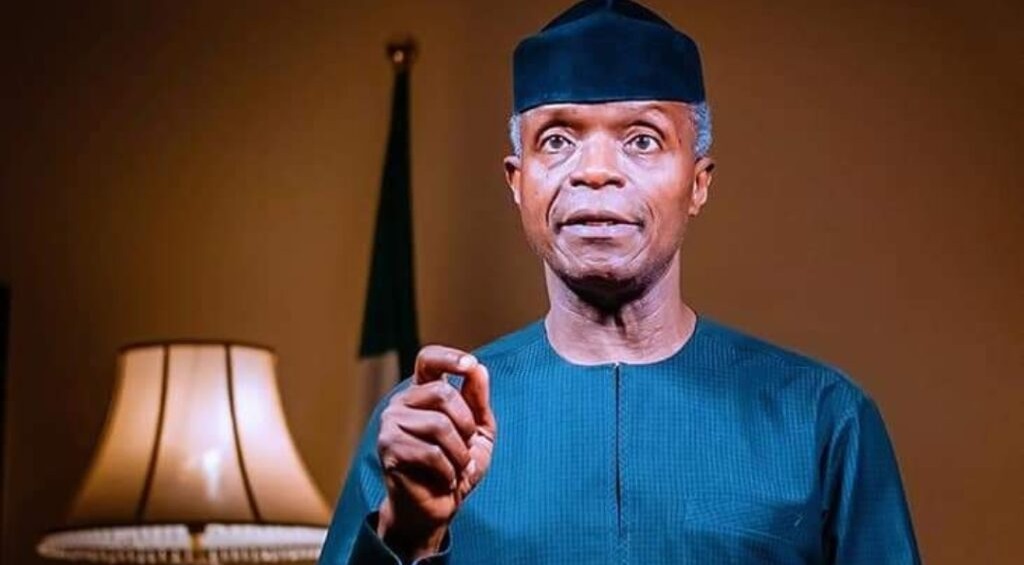
The Minister of Power, Adebayo Adelabu, who was represented by the Chief Technical Adviser to the Minister, Adedayo Olowoniyi, said, the Ministry of Power, in collaboration with PricewaterhouseCoopers, has developed a draft Integrated National Electricity Policy aimed at addressing critical challenges in Nigeria’s power sector.

Advertisement

Adelabu emphasised the importance of implementing cost-reflective tariffs to attract necessary investments and ensure the sector’s sustainability.

“We cannot dance around the fact that a market that does not create a line of sight of return for investors will not get investment,” Adelabu noted.

The minister further acknowledged the reluctance to adopt cost-reflective tariffs but argued that it is a necessary step for achieving 24-hour electricity and universal access.

He highlighted the administration’s efforts under the Renewed Hope Agenda, including the implementation of the Electricity Act of 2023 and the Presidential Power Initiative in partnership with Siemens.

Advertisement

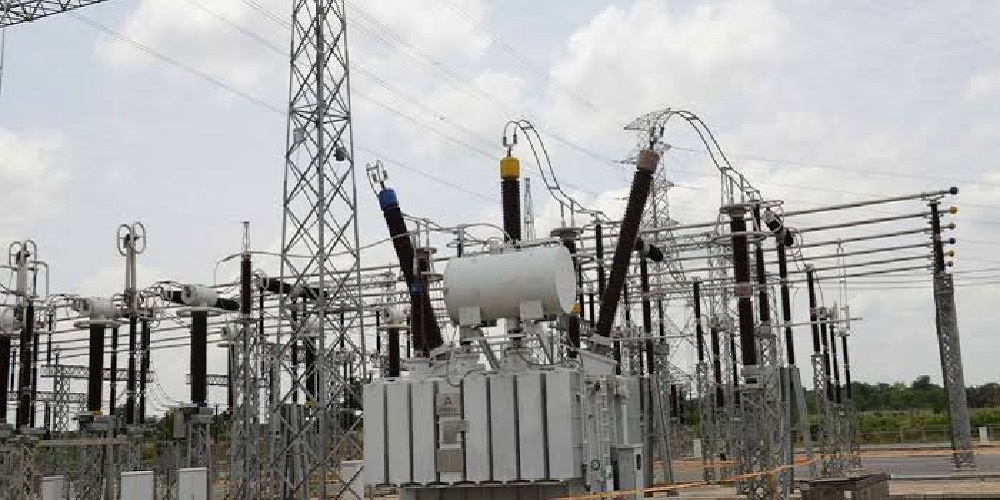
Adelabu pointed out the challenges of vandalism, ageing infrastructure, and inefficiencies in the electricity value chain, which have hampered progress.

He revealed that the Transmission Company of Nigeria spent nearly N10bn in six months repairing vandalized towers.

“Our successes have not been without challenges. Frequent grid disturbances due to capacity inadequacies and consistent vandalism have impacted the sector,” he said.

He added that these initiatives focus on infrastructure development, such as building substations and upgrading transmission and distribution networks.

Advertisement

“PwC’s support has been instrumental in drafting the Integrated National Electricity Policy, which will guide the sector’s strategic implementation. The policy aims to foster market discipline, improve energy delivery efficiency, and ensure subsidies benefit the most vulnerable,” Adelabu stated.

He called for collective responsibility among stakeholders, stressing, “Hope is not passive.

“We must innovate and implement bold ideas to restore confidence and deliver a sustainable energy future for all Nigerians,” Adelabu added.

Advertisement

News

Nigerian oil governance, Contracts: ‘I was a rubber stamp, Diezani tells UK Court

Published

on

By

ADVERTISEMENT
Zoom Ad
ADVERTISEMENT
Zoom Ad

Former Nigerian Petroleum Minister Diezani Alison-Madueke told a UK court that her role in approving oil contracts was largely routine, stating that major decisions were already taken before documents reached her desk.

Speaking at Southwark Crown Court in London, she explained that the structure of Nigeria’s oil sector meant she had limited direct control, as key operations were handled by the leadership of the Nigerian National Petroleum Corporation (NNPC).

“The system was already in motion before files came to me,” she said, adding that the size and complexity of the industry made it difficult for a minister to oversee everything directly.

She said she rarely declined contract approvals because they had already passed through detailed technical and regulatory checks.
“I was, in many instances, a rubber stamp in the process,” she said.

Advertisement

Diezani also recounted a 2014 incident in which she discovered a questionable crude oil deal allegedly linked to businessman Igho Sanomi. She said the matter came to light following a whistleblower report, prompting her to cancel the arrangement.

However, she told the court that powerful individuals opposed her decision and escalated complaints to then President Goodluck Jonathan.

On allegations that $20 billion in oil revenue went missing, she disagreed with former Central Bank Governor Lamido Sanusi, insisting the reports were inaccurate.

“There were no missing funds as widely reported,” she said, explaining that audits and legislative reviews later showed the money was tied to subsidy payments and operational costs.

Advertisement

She acknowledged serious challenges in the fuel subsidy system, including multiple claims by some marketers, but said reforms were introduced to reduce fraud.

According to her, these efforts came with risks. She said she faced security threats, including the kidnapping of family members, which she linked to her attempts to challenge powerful interests in the sector.

She also said politicians and business figures frequently pressured her office for preferential treatment in oil allocations.
“I declined requests that did not follow due process,” she said.

Addressing questions about her personal finances, Diezani said she used Nigerian bank cards even during foreign trips, in line with rules preventing public officials from holding foreign accounts.

Advertisement

She added that the cards sometimes failed abroad, forcing others to temporarily cover expenses.

The court also examined records of her official trips between 2011 and 2015.
She said she usually travelled with about 30 officials, including aides, security personnel, and protocol staff.
“All movements were documented and archived in ministry records,” she said, noting that both commercial and chartered flights were used depending on official requirements.

Despite the allegations against her, Diezani insisted her time in office focused on increasing local participation in the oil sector and improving transparency, saying she has been unfairly portrayed.

She is currently on trial alongside Olatimbo Ayinde and Doye Agama on five counts related to bribery.

Advertisement

All the defendants have pleaded not guilty, and the case is ongoing in London.

Continue Reading

News

Army raises alarm over low South-East recruitment

Published

on

By

ADVERTISEMENT
Zoom Ad
ADVERTISEMENT
Zoom Ad

Brig.-Gen. Uche Nnabuihe has raised concern over low enlistment from the South-East, revealing Anambra recorded only 117 applications out of 38,000 nationwide.

Nnabuihe led an Army delegation to sensitise youths in Awka, noting the figure was recorded on April 7, before a nationwide awareness campaign began.

He said the exercise aimed to encourage more youths from Anambra and the South-East to join the 91 Regular Recruits Intake before the May 27 deadline.

“We observed with concern that out of 38,000 applications received nationwide, only 117 came from Anambra as of April 7.

Advertisement

“This sensitisation is to correct that imbalance and encourage our youths to take advantage of opportunities in the Nigerian Army,” he said.

Nnabuihe urged eligible youths to apply, noting the Army offers a structured career path and opportunities for national service.

Lt.-Col. Ogbemudia Osawe, member of the sensitisation delegation, said training infrastructure had expanded, with new institutions in Abakaliki and Osogbo to accommodate incoming recruits.

Osawe listed benefits, including career progression, regular pay, continuous military education, specialised training, and exposure to diverse cultures.

Advertisement

He added personnel enjoy welfare packages, free medical care for families, pensions, gratuities, and opportunities for international assignments.

The Permanent Secretary, Anambra Ministry of Youths, Ifeatu Emodi, commended the initiative, describing military enlistment as crucial for South-East youths.

Emodi said declining interest among youths stemmed from misconceptions and misinformation about the Army.

Traditional ruler, Igwe Michael Okeke-Uche of Enugwu-Agidi, praised the Army’s welfare structure and urged youths to enlist for better regional representation.

Advertisement

The sensitisation held at the Ministry of Youths in Awka, attracting a cross-section of young people.

Continue Reading

News

2027: Obi reacts to Atiku’s last bid comment, says “it’s a conditional statement”

Published

on

By

ADVERTISEMENT
Zoom Ad
ADVERTISEMENT
Zoom Ad

Peter Obi has reacted to former Vice President Atiku Abubakar’s recenpt remark that 2027 would be his final presidential bid if he secures the African Democratic Candidate, ADC, ticket.

Speaking on Naija Unfiltered podcast on Saturday, Obi described Atiku as his respected leader and elder brother.

He said, “At this point, we are not at that stage yet. Atiku is my respected leader and my dear elder brother. His statement, I will always say, is a statement of a leader, and look at what he used ‘if’.

“So we can’t say what will happen about tomorrow. I can only tell you I am contesting in the election for the office of the president.”

Advertisement

When asked whether he would abide by any agreement reached after party primaries, Obi maintained that his acceptance would depend strictly on the credibility of the process.

“I accept what happens after it if it’s through a transparent process you can call fair and credible. I’ve said it before I left parties because I found the whole process transactional.

“It’s critical that the process through which people come into office is far more fundamental than what they do after,” he stated.

He further emphasised the importance of due process in leadership emergence, warning against cutting corners.

Advertisement

“You cannot jump into the house through the window and start cleaning the house and expect everybody to accept you. The process must be right,” Obi added.

Continue Reading

Trending

Copyright © 2024 Naija Blitz News