
News
BREAKING: Northern Groups List Conditions To Accept Tinubu’s Tax Reform Bills

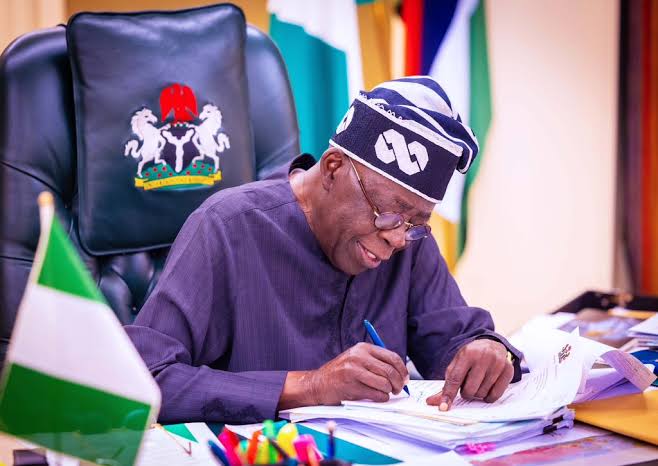


Amid strong opposition to the proposed Tax Reform Bills in the National Assembly, leading northern groups have outlined key conditions for withdrawing their resistance, citing concerns over the potential economic impact on the North.
The Northern Elders Forum (NEF), Arewa Youth Consultative Forum (AYCF), and Arewa Consultative Forum (ACF) in a chat with Vanguard have demanded accountability, transparency, expanded consultations, and trust-building as prerequisites for their support of the fiscal reforms.
The proposed laws, which include the Nigeria Tax Bill 2024, Nigeria Tax Administration Bill, Nigeria Revenue Service Establishment Bill, and Joint Revenue Board Establishment Bill, aim to overhaul Nigeria’s tax system.
Despite passing Second Reading in the Senate, the bills have faced significant pushback, particularly from the North.
The spokesman for the NEF, Abdul-Azeez Suleiman, emphasized the importance of addressing historical inequalities to achieve sustainable peace.
He said, “In my opinion, a ceasefire on the controversy surrounding President Tinubu’s tax reform bills is achievable, but only through a concerted effort towards genuine negotiation.
“This necessitates inclusivity, transparency, accountability, and a commitment to addressing the underlying socio-economic challenges of Northern Nigeria.
“It requires walking a tightrope between the need for fiscal responsibility and the imperative of social justice.
“The path to resolution is fraught with complexities, requiring a nuanced understanding of the diverse perspectives at play and a commitment to dialogue.
“A simple cessation of hostilities is insufficient; rather, a sustainable peace requires addressing the underlying grievances and building trust.”
Poverty
“The core of the opposition stems from concerns regarding the potential impact of these reforms on the already strained economic conditions of Northern Nigeria.
“The region grapples with significant challenges – from poverty and unemployment to limited access to education and healthcare.
“Many fear that the proposed tax increases, without accompanying measures to alleviate these existing pressures, will disproportionately burden the most vulnerable populations, exacerbating existing inequalities and fueling social unrest. This fear is not unfounded.
“The lack of transparency in the initial presentation of the bills, coupled with the perceived absence of adequate consultation with regional stakeholders, has further inflamed these concerns.
“This has led to a perception that the reforms are being imposed rather than negotiated, feeding into existing anxieties about marginalization and unequal distribution of resources.
“The call for negotiation, therefore, is not merely a tactical manoeuvre but a fundamental requirement for restoring confidence and achieving a lasting ceasefire.”
Inclusivity
“The first crucial condition for successful negotiation is genuine inclusivity.
“The dialogue must not be limited to a select group of elites but must actively involve representatives from all segments of Northern society – from farmers and traders to professionals and religious leaders.
“Their diverse perspectives and concerns must be actively sought and integrated into the process. “This demands a conscious effort to bridge the communication gap between the federal government and the Northern populace, ensuring that information is disseminated transparently and that concerns are addressed directly and honestly.
“Furthermore, any meaningful negotiation must be predicated on a commitment to transparency and accountability.
“The government must provide clear, detailed explanations of the rationale behind the proposed tax reforms, outlining how the revenue generated will be utilized to benefit the northern region specifically. “This includes outlining clear plans for the improved provision of public services like healthcare,r education, and infrastructure.
“Simply stating that the reforms are necessary for national development is insufficient; a concrete plan demonstrating tangible benefits for the North is essential.”
Inequality
“This transparency should also extend to the process of revenue allocation and expenditure, ensuring that the people see the direct benefits of their contributions.
“Equally important is the establishment of independent monitoring mechanisms to ensure accountability and transparency throughout the implementation process.
“An independent body, comprising representatives from both the government and civil society, could be tasked with overseeing the implementation of the reforms and reporting regularly on their impact on the Northern region.
“This will help build trust and alleviate fears of misuse or misappropriation of funds.
“Finally, a ceasefire requires a genuine commitment to addressing the historical inequalities that have contributed to the current crisis.
“The North has long faced systemic challenges that have hindered its economic development.
“These include limited access to credit, inadequate infrastructure, and a lack of investment in human capital.
“Addressing these structural issues is not merely desirable but essential for building a sustainable and equitable future for the region.
“The tax reforms, if properly integrated into a broader strategy of regional development, can play a positive role in this process.
“However, this requires a significant investment in capacity building, infrastructure development, and targeted social programs designed to alleviate poverty and create opportunities for economic advancement.”
Not carried along
Similarly, the President of AYCF, Yerima Shettima, lamented that the region wasn’t carried along by its elected representatives during the formulation of the bills.
He, however, called for a more participatory approach that involves dialogue and addresses the specific concerns of the North before implementation.
He said, ”The position of the AYCF, a significant demographic group in Northern Nigeria, on this complex issue, requires careful consideration of our socio-economic context and perceived impact of the bill on our communities.
“While a monolithic stance is unlikely, our concerns generally revolve around equity, fairness, and the potential for disproportionate burden on the Northern region.
“Our primary concern stems from the perception of inequitable distribution of resources and infrastructure development across the country.
“We believe that despite contributing significantly to the national GDP through agriculture and other sectors, the North historically receives less in return in terms of public services, infrastructure investment, and developmental projects. “Consequently, the introduction of new taxes, without addressing this existing imbalance, is viewed with skepticism.
“They believe that increased taxation without corresponding improvements in infrastructure – roads, schools, hospitals, would unfairly burden a population already struggling with poverty, unemployment, and limited access to essential services.”
Economy
“Another key concern is the potential impact of the tax reforms on informal sectors which heavily dominate the Northern economy.
“A large portion of the Arewa youth population is employed in the informal sector – agriculture, small-scale businesses, and artisanal trades – which often operates outside the formal tax net.
“The implementation of the tax reforms bill, particularly if it extends tax obligations to the informal sector, could pose a significant challenge. “We fear that increased tax burdens could cripple these businesses, leading to job losses and further economic hardship.
“The lack of adequate education and awareness about tax regulations also exacerbates this concern. “Many young people in the informal sector lack the knowledge and resources to understand and comply with new tax laws, potentially leading to fines and penalties, further marginalizing them economically.
“Furthermore, our position is also influenced by the perceptions of governmental transparency and accountability.
“Mistrust in government institutions and concerns about the proper utilization of tax revenue are prevalent.
“We question whether the increased tax revenue generated will be effectively utilized for the benefit of all Nigerians, or if it will be mismanaged or disproportionately benefit certain regions.”
Corruption
“Concerns about corruption and lack of accountability in government spending further fuel this skepticism and contribute to our reluctance to embrace the tax reforms without robust guarantees of transparency and equitable distribution of resources.
“The lack of visible development projects and infrastructure in the North, despite past tax contributions, strengthens our belief that increased taxation without guarantees of responsible governance is unproductive.
“The absence of robust engagement and consultation with the Arewa youth by Northern Senators during the formulation of the tax reforms bill is a point of considerable frustration.
“We feel our concerns and perspectives have been largely ignored in the decision-making process. This lack of inclusivity fuels our distrust and reinforces our opposition to the bill in its current form. We call for a more participatory approach that involves meaningful dialogue and addresses our specific concerns before implementation.”
Dialogue
Also speaking, National Publicity Secretary of ACF, Prof Tukur Muhammad Baba, said, “As an organisation, ACF is yet to say anything publicly on the tax reform issue.
“It’s already looking like the Federal Government has agreed for dialogue on critical or contentious aspects of the proposed bills.
“Already, the Attorney-General of the Federation is billed to appear before the Senate on the bills. If anything, it’s probably now that ACF should come out to urge all parties, for or against the bills, to negotiate on truth, honesty and sincerity of purpose for the good of the nation.”







Five Nigerian soldiers were reportedly killed on Friday, April 17, 2026, when suspected fighters of the Islamic State West Africa Province (ISWAP) attacked a military base in Mussa village, Borno State.
According to militia sources who spoke to AFP, the insurgents stormed the base before being repelled by troops. Following the attack, clashes were also reported in nearby Leho village.
However, the Armed Forces of Nigeria (AFN) have recorded significant operational successes across multiple theatres of operation between April 10 and 16, 2026, as troops sustained coordinated offensives against Boko Haram, ISWAP, JAS, violent extremist groups, kidnappers, and secessionist armed elements nationwide.
According to a statement issued by the Directorate of Defence Media Operations, the operations led to the arrest of several suspects, rescue of kidnapped victims, interception of terrorist logistics supplies, and neutralisation of armed criminals in ongoing efforts to create a safer and more secure environment across the country.
Troops of Operation HADIN KAI in the North East also maintained sustained pressure on insurgent networks across Borno, Yobe, and Adamawa States, recording multiple arrests and seizures.
In Gubio Local Government Area of Borno State, a suspect who confessed to supplying Premium Motor Spirit (PMS) to terrorists for about 10 years was arrested, with 60 litres of fuel, a mobile phone, and cash recovered.
In Adamawa State, 20 suspects were apprehended during raids on criminal hideouts in Mubi North, with items including electronics, cash totaling over ₦2.1 million, and other materials recovered.
In Yobe State, troops arrested three suspected informants linked to monitoring troop movements.
However, the Nigerian military had also in recent times suffered set backs in the fight against insurgency in the North East. Nigeria Tourism Guide
Suspected fighters of Islamic State West Africa Province (ISWAP) had last week attacked a military formation, killing a colonel, I.A. Mohammed, and other soldiers.
Also Brigadier General Oseni Omoh Braimah and 6 soldiers paid the supreme price early in a coordinated attacks by suspected members of the Islamic State of West Africa Province (ISWAP) on military formations in Benisheikh, Kaga Local Government Area, as well as Ngamdu and Pulka town in the Gwoza LGA of Borno state.
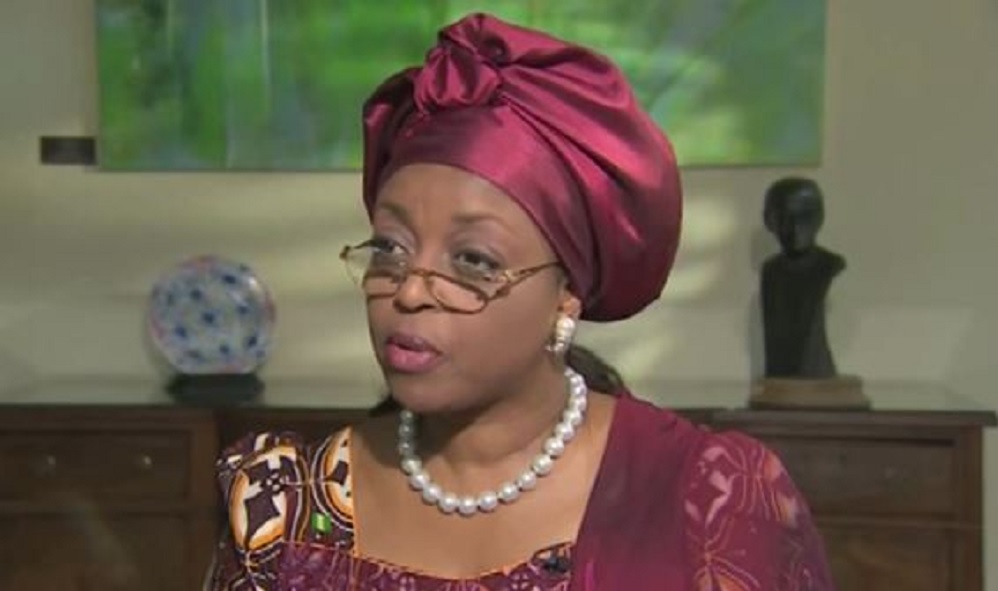
Former Nigerian Petroleum Minister Diezani Alison-Madueke told a UK court that her role in approving oil contracts was largely routine, stating that major decisions were already taken before documents reached her desk.
Speaking at Southwark Crown Court in London, she explained that the structure of Nigeria’s oil sector meant she had limited direct control, as key operations were handled by the leadership of the Nigerian National Petroleum Corporation (NNPC).
“The system was already in motion before files came to me,” she said, adding that the size and complexity of the industry made it difficult for a minister to oversee everything directly.
She said she rarely declined contract approvals because they had already passed through detailed technical and regulatory checks.
“I was, in many instances, a rubber stamp in the process,” she said.
Diezani also recounted a 2014 incident in which she discovered a questionable crude oil deal allegedly linked to businessman Igho Sanomi. She said the matter came to light following a whistleblower report, prompting her to cancel the arrangement.
However, she told the court that powerful individuals opposed her decision and escalated complaints to then President Goodluck Jonathan.
On allegations that $20 billion in oil revenue went missing, she disagreed with former Central Bank Governor Lamido Sanusi, insisting the reports were inaccurate.
“There were no missing funds as widely reported,” she said, explaining that audits and legislative reviews later showed the money was tied to subsidy payments and operational costs.
She acknowledged serious challenges in the fuel subsidy system, including multiple claims by some marketers, but said reforms were introduced to reduce fraud.
According to her, these efforts came with risks. She said she faced security threats, including the kidnapping of family members, which she linked to her attempts to challenge powerful interests in the sector.
She also said politicians and business figures frequently pressured her office for preferential treatment in oil allocations.
“I declined requests that did not follow due process,” she said.
Addressing questions about her personal finances, Diezani said she used Nigerian bank cards even during foreign trips, in line with rules preventing public officials from holding foreign accounts.
She added that the cards sometimes failed abroad, forcing others to temporarily cover expenses.
The court also examined records of her official trips between 2011 and 2015.
She said she usually travelled with about 30 officials, including aides, security personnel, and protocol staff.
“All movements were documented and archived in ministry records,” she said, noting that both commercial and chartered flights were used depending on official requirements.
Despite the allegations against her, Diezani insisted her time in office focused on increasing local participation in the oil sector and improving transparency, saying she has been unfairly portrayed.
She is currently on trial alongside Olatimbo Ayinde and Doye Agama on five counts related to bribery.
All the defendants have pleaded not guilty, and the case is ongoing in London.
Brig.-Gen. Uche Nnabuihe has raised concern over low enlistment from the South-East, revealing Anambra recorded only 117 applications out of 38,000 nationwide.
Nnabuihe led an Army delegation to sensitise youths in Awka, noting the figure was recorded on April 7, before a nationwide awareness campaign began.
He said the exercise aimed to encourage more youths from Anambra and the South-East to join the 91 Regular Recruits Intake before the May 27 deadline.
“We observed with concern that out of 38,000 applications received nationwide, only 117 came from Anambra as of April 7.
“This sensitisation is to correct that imbalance and encourage our youths to take advantage of opportunities in the Nigerian Army,” he said.
Nnabuihe urged eligible youths to apply, noting the Army offers a structured career path and opportunities for national service.
Lt.-Col. Ogbemudia Osawe, member of the sensitisation delegation, said training infrastructure had expanded, with new institutions in Abakaliki and Osogbo to accommodate incoming recruits.
Osawe listed benefits, including career progression, regular pay, continuous military education, specialised training, and exposure to diverse cultures.
He added personnel enjoy welfare packages, free medical care for families, pensions, gratuities, and opportunities for international assignments.
The Permanent Secretary, Anambra Ministry of Youths, Ifeatu Emodi, commended the initiative, describing military enlistment as crucial for South-East youths.
Emodi said declining interest among youths stemmed from misconceptions and misinformation about the Army.
Traditional ruler, Igwe Michael Okeke-Uche of Enugwu-Agidi, praised the Army’s welfare structure and urged youths to enlist for better regional representation.
The sensitisation held at the Ministry of Youths in Awka, attracting a cross-section of young people.
CBN, FMDA introduce the Nigerian Overnight Financing Rate

ISWAP attacks military base in Borno, kill five soldiers

Nigerian oil governance, Contracts: ‘I was a rubber stamp, Diezani tells UK Court




-

 News20 hours ago
Expulsion: Bala, Abejide vow to battle Mark-led ADC faction to finish
-

 News17 hours ago
JAMB: See How To Check, Print 2026 UTME Result Slip
-
 News21 hours ago
Fuel, diesel prices will drop in Nigeria as crude oil slumps
-

 News19 hours ago
Just in: Iran seals Strait of Hormuz again, blames US
-

 News17 hours ago
Troops nab nine suspected terrorists in Plateau, recover arms, ammunition
-

 News21 hours ago
Wife demands divorce from husband for being poor
-
 Metro5 hours ago
Bandits Demand N9m Per Benue JAMB Victim As Police Nab Seven
-

 Economy21 hours ago
Naira Slumps At Official FX Market
You must be logged in to post a comment Login