Connect with us

News

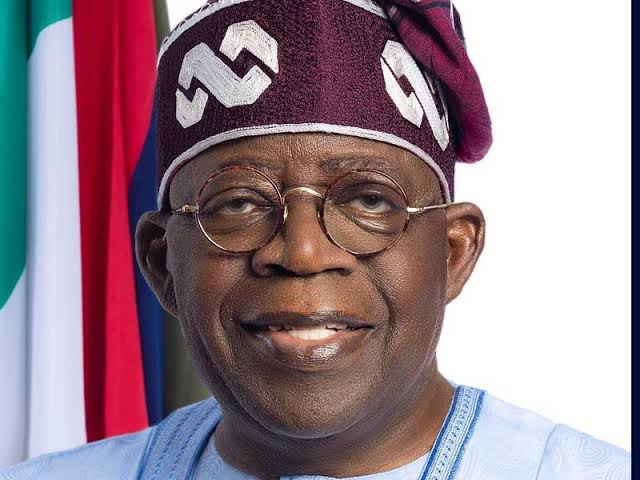
Tinubu confesses, says corruption can’t be eradicated in Nigeria

Published

on

ADVERTISEMENT
Zoom Ad
ADVERTISEMENT
Zoom Ad

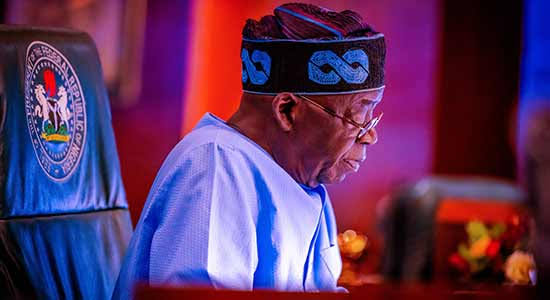
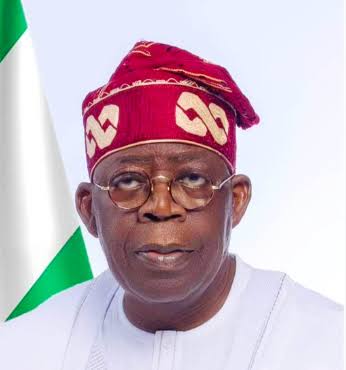
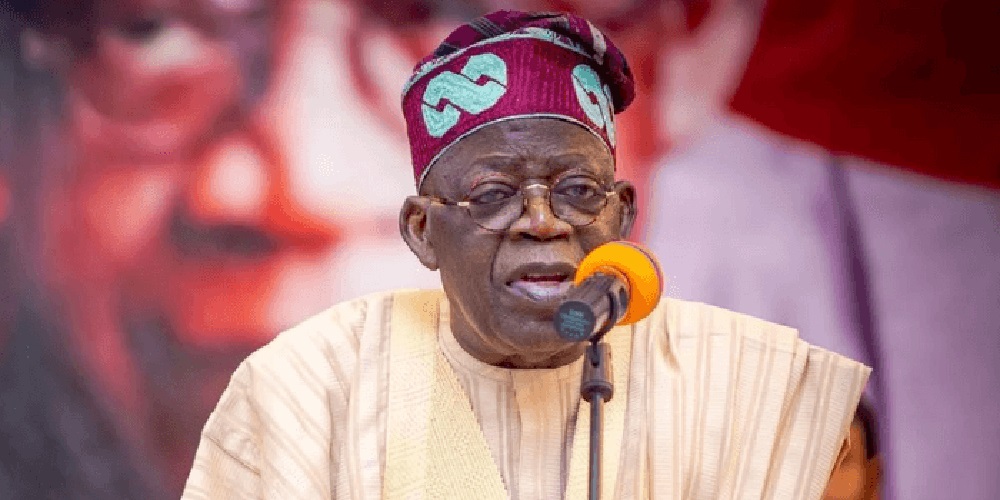
President Bola Tinubu has reaffirmed his stance on removing the fuel subsidy, describing it as a necessary step to secure Nigeria’s financial future. Speaking during his first live presidential media chat broadcast nationwide on Monday, Tinubu acknowledged the challenges of combating corruption but emphasized that systemic flaws must be addressed to reduce it.

Corruption: A Persistent Challenge

The president admitted that while corruption cannot be entirely eliminated, it can be minimized through strategic measures.
“Block all the loopholes, where anybody can just gain in the system. Part of the anti-corruption is the removal of subsidy too. It is very, very difficult to say you will eliminate it, but you can reduce it to the barest minimum,” Tinubu said.

He further stressed the need to meet citizens’ needs, support education, and improve living standards as part of his administration’s efforts to combat corruption.

Advertisement

Fuel Subsidy Removal: No Regrets

President Tinubu stood by his decision to remove the fuel subsidy, arguing that the policy was unsustainable and a drain on Nigeria’s resources.
“We are spending our future. We are spending our generation’s fortunes. We are not investing. We are just deceiving ourselves,” he said.

The president warned that maintaining the subsidy would lead to financial disaster, not just for the current generation but for future ones.
“I don’t have any regret in removing the fuel subsidy. We have no choice. Otherwise, we are headed for the slippery slope,” Tinubu concluded.

Stampede Tragedies: Organisers at Fault

Advertisement

During the chat, Tinubu also addressed the recent fatal stampedes in Ibadan, Anambra, and Abuja, which claimed over 60 lives during palliative distributions. He described the incidents as a “grave error” on the part of the organisers.

“I’ve been giving to the less privileged at Bourdillon for the past 25 years, and we’ve never experienced a stampede,” the president said.

The Federal Capital Territory Police Command confirmed that 10 individuals, including four children, died in a stampede during a food distribution event at Holy Trinity Catholic Church, Maitama, Abuja, on Saturday. Similarly, in Ibadan, 32 children lost their lives in a similar incident, as reported by PUNCH Online.

Tinubu extended condolences to the families of the victims and advised against publicizing events when resources are insufficient to meet demand.

Advertisement

Conclusion

President Tinubu’s media chat highlighted the tough decisions his administration is making to address systemic challenges, including corruption and economic sustainability. While acknowledging the difficulties, he reaffirmed his commitment to reforms aimed at securing Nigeria’s future.

As the nation continues to adjust to these changes, Tinubu’s policies are likely to shape Nigeria’s path toward long-term stability.
Advertisement

News

258 Nigerians return from S’Africa, barred from re-entry for five years

Published

on

By

ADVERTISEMENT
Zoom Ad
ADVERTISEMENT
Zoom Ad

No fewer than 258 Nigerians yesterday touched down at the Murtala Muhammed International Airport (MMIA), Lagos, from South Africa.

The returnees, comprising males, females and minors, were brought back to the country aboard Air Peace’s chartered flight.
The aircraft, a Boeing 777, touched down at the airport around 10:30 a.m.

The returnees were welcomed into the country by the Director General of the Nigerians in Diaspora Commission (NIDCOM), Abike Dabiri-Erewa, and other officials from the Ministry of Foreign Affairs.

The returnees left South Africa following the spate of violence, which had engulfed the country in the last few months.

Advertisement

Some South Africans launched violent attacks against foreigners, accusing them of taking over their jobs.

On arrival in Nigeria, the returnees underwent some card registration, immigration processes and other checks.

Each returnee will receive free N50,000 airtime from MTN and N100,000 from the Federal Government, alongside other offers from state governments and other non-governmental organisations.

MEANWHILE, ‎South Africa’s Department of Home Affairs, in a statement issued yesterday, disclosed that the first repatriation flight departed on June 11 with 268 Nigerians, while a second flight transporting the remaining individuals had been scheduled for June 15.

‎According to the department, all those processed for repatriation were issued Emergency Travel Documents by the Nigerian High Commission, which facilitated their departure from South Africa and return to Nigeria.

‎The department said the repatriations were carried out in accordance with South Africa’s Immigration Act, adding that all affected individuals had been declared undesirable persons and would be barred from re-entering the country for a period of five years.
‎ ‎
It also acknowledged the cooperation of the Nigerian High Commission throughout the documentation and repatriation exercise.
‎ ‎ ‎
Commenting on the operation, South Africa’s Minister of Home Affairs, Dr Leon Schreiber, said the government remained committed to enforcing immigration laws and strengthening border management.
‎ ‎
The minister also linked the government’s immigration enforcement efforts to ongoing reforms aimed at modernising identity and border management systems. He cited the expansion of the Electronic Travel Authorisation programme, the replacement of the Green ID Book with Smart ID cards, and the planned introduction of a Digital Identity system as measures designed to improve the country’s ability to monitor and enforce immigration regulations.

Advertisement

Schreiber urged members of the public to refrain from taking the law into their hands, stressing that immigration enforcement should be conducted through lawful processes and established institutions.

BUT ‎Nigeria’s Acting High Commissioner to South Africa, Ambassador Temitope Ajayi, challenged claims that the 258 Nigerians repatriated from South Africa were undocumented migrants, insisting that many of them became caught in administrative delays within the South African immigration system.

‎Speaking during the formal handover of the returnees to Nigerian authorities yesterday at the airport, Ajayi described reports portraying all the evacuees as undocumented as “false and misleading,” arguing that several of the returnees had long-standing applications for permit renewals that remained unprocessed by South African authorities.

NIGERIANS in Diaspora Commission (NIDCOM) welcomed returnees, stating that the return was on the directive of President Bola Ahmed Tinubu, who approved and fully funded the Air Peace evacuation flight.

Speaking at the reception, the Chairman/CEO of NIDCOM commended President Tinubu’s swift intervention and the collaborative efforts of all agencies.

Advertisement

The NIDCOM chairman further announced that Governor Hope Uzodinma of Imo State had approved N1,000,000 for each Imo State indigene among the returnees; MTN Nigeria donated N100,000 per returnee, to be transferred to their accounts, while NIMC would fast-track the issuance of National Identity Numbers (NIN) to all evacuees.

Continue Reading

News

Senate Extends 2025 Capital Budget Implementation to September

Published

on

By

ADVERTISEMENT
Zoom Ad
ADVERTISEMENT
Zoom Ad

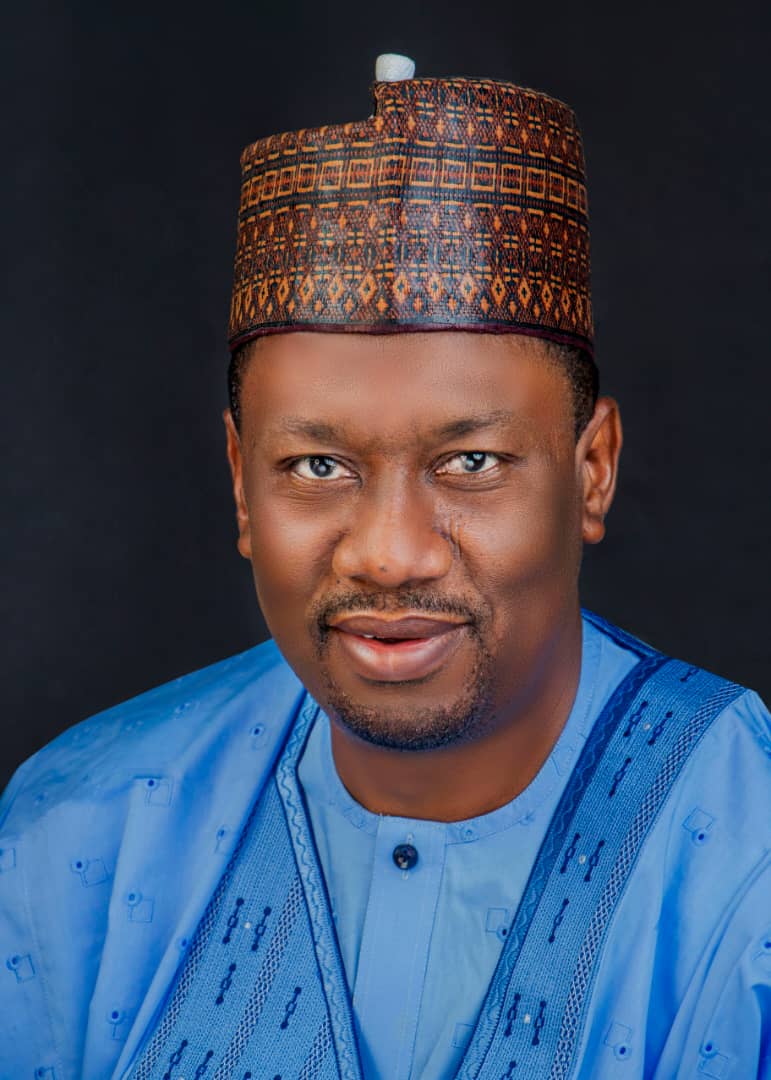
Senate on Thursday approved a fresh three-month extension of the implementation period for the capital component of the 2025 Appropriation Act. It shifted the deadline from June 30, 2026, to September 30, 2026, in a move aimed at salvaging ongoing projects and enabling ministries, departments and agencies (MDAs) to fully utilise funds already released by the federal government.

The decision, which followed the adoption of a motion sponsored by Senate Chief Whip, Senator Tahir Munguno, marked the third extension granted to the capital component of the 2025 budget.

The National Assembly had initially extended the implementation period from December 31, 2025, to March 31, 2026, and later from March 31 to June 30, 2026, before Thursday’s latest shift to September 30.

With the extension, MDAs will have an additional three months to complete ongoing capital projects, process outstanding payments, and meet contractual obligations tied to projects captured in the 2025 fiscal plan.

Advertisement

Leading debate on the motion, Munguno said the extension became imperative because a substantial portion of funds released for approved projects and programmes had yet to be utilised owing to procurement timelines, project execution challenges, and other administrative bottlenecks.

According to him, several strategic projects across key sectors of the economy are already at advanced stages of implementation and require additional time for completion, certification and payment.

He warned that allowing the implementation window to lapse at the end of June could result in the abandonment of critical projects, waste public resources already committed to them, and disrupt ongoing government interventions.

Munguno also expressed concern that some projects contained in the 2025 budget might not be reintroduced in future appropriation cycles, thereby creating funding gaps and undermining national development objectives.

Advertisement

He stated that extending the validity of the capital component would promote efficient utilisation of public funds, improve budget performance and support economic growth.

“The Senate is convinced that granting a further extension of the implementation period is in the national interest and will ensure value for money in public expenditure,” he said.

Chairman of Senate Committee on Appropriations, Senator Olamilekan Adeola, who seconded the motion, said although payment for some capital projects had commenced, numerous obligations remained outstanding.

Adeola recalled that President Bola Tinubu had earlier informed the National Assembly that only about 30 per cent of the funds required for the outstanding 2025 capital commitments would be accommodated through the rollover arrangement, while the balance would be reflected in the 2026 budget framework.

Advertisement

“Payment has commenced, but we still have a lot of outstanding obligations to settle,” he said, urging lawmakers to support the extension.

In his remarks, President of the Senate, Senator Godswill Akpabio, said the decision was consistent with the constitutional responsibility of the National Assembly to ensure effective implementation of the budget and prudent management of public resources.

Akpabio recalled that when Tinubu presented the budget, it was envisaged that only a portion of the capital expenditure would be fully implemented within the approved timeframe, while the balance would be accommodated through subsequent budgetary provisions.

He stated that implementation challenges had earlier necessitated the extension of the capital component to June 30, 2026, but said outstanding obligations still remained significant.

Advertisement

Akpabio stated, “Although payments have commenced, a considerable number of obligations remain outstanding. It has therefore become necessary, in the interest of effective budget execution and accountability, to further extend the implementation period beyond June 30, 2026, to September 30, 2026.”

The senate president expressed confidence that the additional three-month window would enable the government to settle all outstanding commitments under the affected component of the budget, while ensuring that implementation of projects under the subsequent fiscal cycle proceeded without disruption.

The latest extension underscores the persistent implementation challenges confronting federal capital budgets and highlights the government’s efforts to avoid project abandonment amid ongoing fiscal and administrative constraints.

Advertisement
Continue Reading

News

Troops kill ISWAP leader Khalifa, 2 commanders surrender in Borno

Published

on

By

ADVERTISEMENT
Zoom Ad
ADVERTISEMENT
Zoom Ad

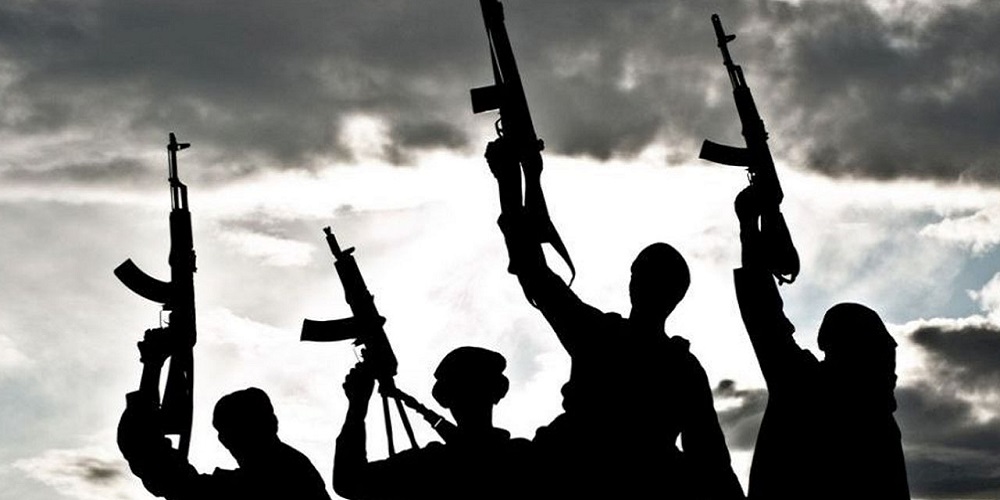
The Nigerian Army has confirmed the killing of a high-profile terrorist commander, Mohammed Khalifa and the surrender of two senior Islamic State West Africa Province (ISWAP) commanders, Ismail Mohammed and Abu Umar, to troops of Operation Hadin Kai in Borno state.

Acting Media Information Officer of the North-East Joint Task Force, Operation Hadin Kai, Lt. Col. Haruna Sani, disclosed this in a statement on Thursday.

The two commanders surrendered to troops on June 8, 2026, in the Mangari axis of the Lake Chad region, where they held strategic positions within the terrorist organisation, Sani stated.

He said, “Operation Hadin Kai has recorded another significant success in the ongoing counter-terrorism campaign following the surrender of two high-profile Islamic State West Africa Province (ISWAP) commanders to troops on 8 June 2026.

Advertisement

“The surrendered terrorists, identified as Ismail Mohammed and Abu Umar, are currently in military custody and undergoing appropriate profiling and debriefing procedures.”

He explained that Ismail Mohammed was a close associate of senior ISWAP leader, Baa Shuwa, and possessed extensive knowledge of the group’s command structure and operations.

According to him, Abu Umar was widely known within the terrorist network as an explosives expert responsible for the fabrication and maintenance of vehicle-borne improvised explosive devices and other combat-support equipment used by the insurgents.

Sani further revealed that intelligence obtained during interrogation showed that Mohammed Khalifa, a member of the ISWAP Shurah Council, was killed during recent joint military operations.

Advertisement

“Interrogation revealed that another high-profile terrorist, Mohammed Khalifa, a member of the ISWAP Shurah Council, was neutralised during joint operations by Operation Hadin Kai,” he said.

The army spokesman described the surrender of the two commanders as a major blow to the terrorist group, citing their influence, experience and technical expertise acquired over several years within the insurgent network.

“Their decision to flee and surrender further underscores the effectiveness of sustained offensive operations by troops of Operation Hadin Kai, complemented by precision engagements conducted with the support of allied partners against terrorist enclaves across the theatre.

“The combined pressure from these operations continues to degrade terrorist capabilities, weaken their operational networks and compel increasing numbers of insurgents to surrender,” he stated.

Advertisement

In a related development, the Chief of the Air Staff (CAS), Air Marshal Hassan Bala Abubakar, has urged 252 graduating officers of Junior Course 101 of the Armed Forces Command and Staff College (AFCSC), Jaji to leverage their training and experience in addressing the complex security challenges facing Nigeria and the African continent.

Speaking at the graduation ceremony held Thursday in Jaji, Kaduna state, Abubakar said the changing nature of security threats demands military leaders who are innovative, disciplined and capable of making sound decisions under pressure.

He noted that contemporary conflicts are increasingly driven by terrorism, insurgency, cyber threats and other asymmetric challenges, requiring officers to think beyond conventional approaches in military operations.

According to him, professionalism, integrity and adaptability remain critical attributes for officers entrusted with leadership responsibilities in today’s security environment.

Advertisement

Abubakar reminded the graduates that leadership is measured not only by authority but also by the ability to inspire confidence, maintain ethical standards and deliver results in difficult circumstances.

He urged them to continue building on the knowledge acquired during the course, stressing that continuous learning and teamwork would remain essential throughout their military careers.

Earlier, the Commandant of AFCSC, Air Vice Marshal Alfred Shokunbi, congratulated the graduating officers for successfully completing the rigorous training programme, which he said was designed to prepare them for higher responsibilities in command, staff and leadership positions.

Shokunbi explained that the course exposed participants to contemporary security issues, strategic planning, decision-making processes and joint military operations, equipping them with skills required to operate effectively in complex environments.

Advertisement

He charged the graduates to uphold the values of professionalism, discipline and selfless service, while applying the lessons learned at the college to contribute meaningfully to national security and the advancement of their respective armed forces.

Continue Reading

Trending

Copyright © 2024 Naija Blitz News