Nine African nations are in the FIFA World Cup 2026, advancing to the Round of 32, underlining the continent’s growing influence on football’s biggest stage.
The expanded 48-team tournament has opened the door to more African participation, but the continent’s representatives have done far more than merely fill the numbers. 
Through disciplined defending, fearless attacking football and memorable upsets, nine teams have earned their place in the knockout rounds, surpassing every previous African record at the World Cup.
South Africa, Morocco, Egypt, Ghana, Algeria, Senegal, DR Congo, Cape Verde and Ivory Coast will all carry Africa’s hopes into the first-ever 32-team knockout phase, giving the continent an unprecedented presence as the race for the World Cup trophy intensifies.
The Round of 32 presents a series of daunting but enticing challenges.
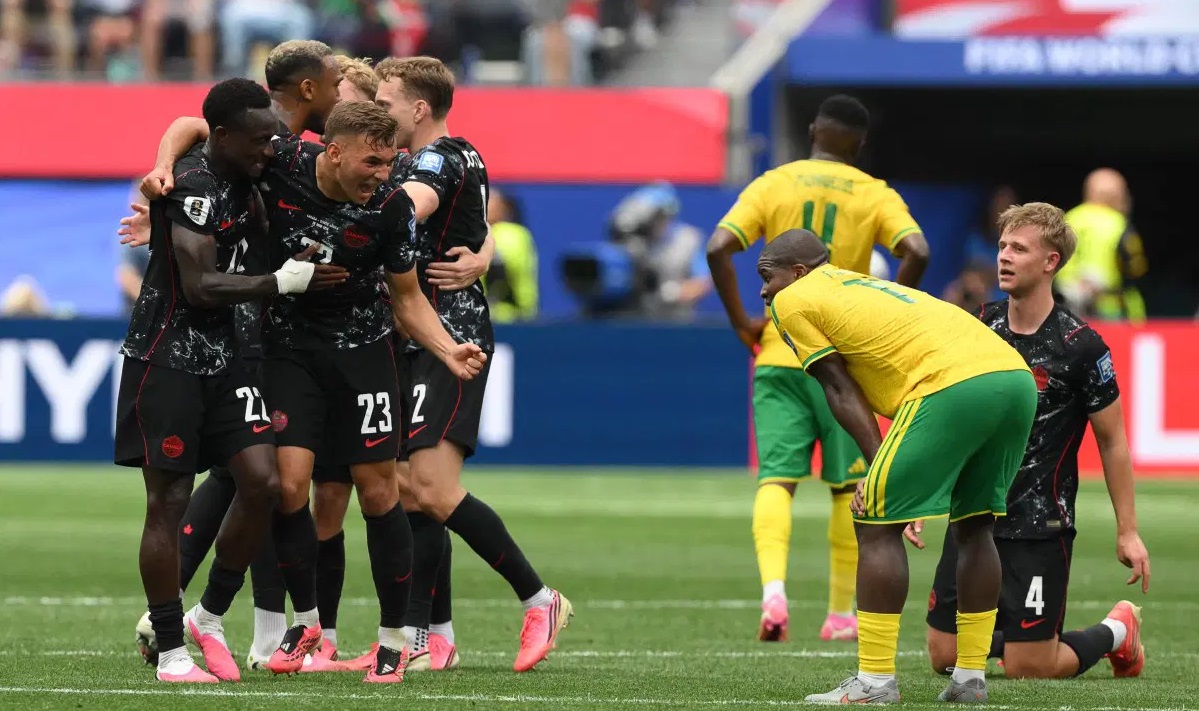
South Africa will launch Africa’s knockout campaign against Canada, while Morocco face European heavyweights the Netherlands after an impressive unbeaten group-stage run. Senegal take on Belgium, Egypt meet Australia, and Ghana clash with Colombia,
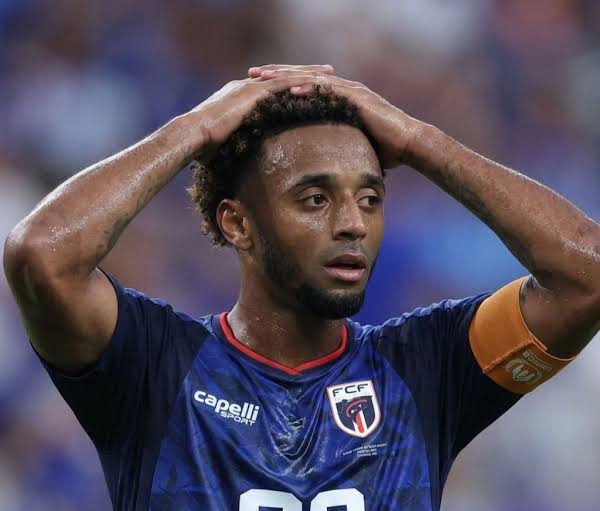
Algeria face Switzerland, DR Congo battle England, Ivory Coast square off against Norway, and Cape Verde’s remarkable tournament continues with a blockbuster encounter against defending champions Argentina.
The expanded knockout bracket has ensured that Africa’s path to the latter stages will not be straightforward. Several of the continent’s teams are on a collision course with traditional football powers, yet recent performances suggest they are more than capable of producing further surprises.
Morocco continue to build on the momentum generated by their historic run to the semi-finals four years ago, while Senegal and Egypt have once again demonstrated why they remain among Africa’s most consistent performers on the global stage. South Africa’s qualification has energised home supporters, and Cape Verde’s debut appearance in the knockout rounds has become one of the tournament’s most inspiring stories.
For DR Congo, Ghana, Algeria and Ivory Coast, progression beyond the group stage reflects years of investment in player development and the increasing competitiveness of African football. Their qualification reinforces the belief that the gap between Africa and football’s traditional powerhouses continues to narrow.
Beyond the individual stories, the collective achievement sends a powerful message. Never before has Africa entered the knockout rounds with such numerical strength, providing the continent with multiple opportunities to break new ground in the latter stages of the tournament.
With every match now a winner-takes-all affair, Africa’s representatives have an opportunity to redefine the continent’s World Cup legacy. A place in the quarter-finals is no longer viewed as an extraordinary achievement but as a realistic target for several teams, while dreams of producing the first African world champion remain alive.