By NWAMBU Gabriel, Ph.D.


As Nigeria moves steadily towards the 2027 general elections, the question of how much money is available to the Independent National Electoral Commission (INEC) is becoming increasingly important to the credibility of the electoral process.
For a country where elections involve millions of voters, thousands of polling units and an extensive network of electoral personnel and security agencies, the success of election day depends on much more than laws, regulations and political will. 
It also depends heavily on resources.
The Centre for Credible Leadership and Citizens Awareness (CCLCA) says timely and adequate funding of INEC is essential if Nigeria is to deliver transparent, free, fair and credible elections in 2027.
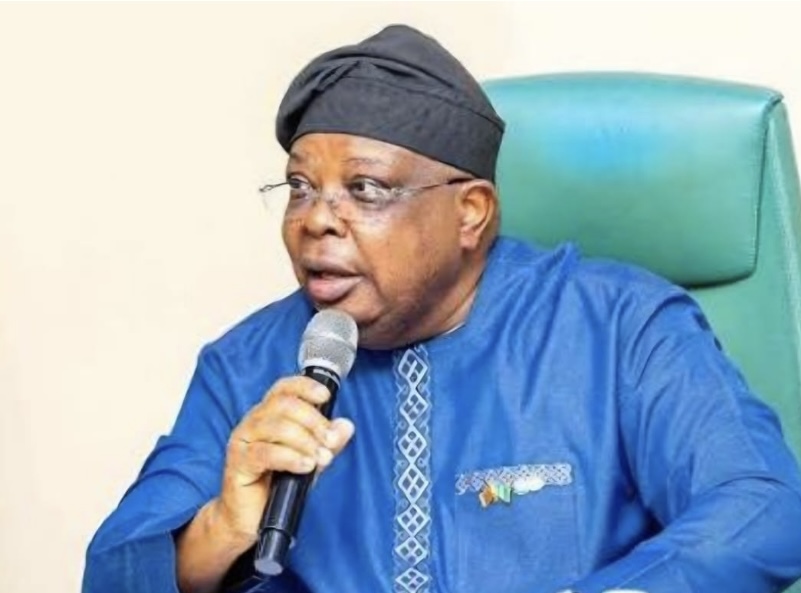
The organisation’s position comes against the backdrop of recent remarks by the INEC Chairman, Prof. Joash Amupitan, highlighting the financial realities confronting the electoral body.
Although INEC’s funding is constitutionally recognised as a first-line charge on the Consolidated Revenue Fund, fiscal constraints can still affect the commission’s ability to meet its operational requirements, according to the CCLCA.
More Than Election Day
INEC’s responsibilities extend far beyond conducting presidential and National Assembly elections every four years.
The commission is also responsible for organising governorship and State House of Assembly elections, conducting continuous voter registration, updating the voters’ register and registering and overseeing political parties.
These responsibilities require sustained financial commitments before, during and after elections.
According to the CCLCA, inadequate or delayed funding can create operational gaps that eventually affect the quality of electoral services delivered to citizens.
One of the most critical areas is logistics.
Previous elections, including off-cycle polls, have demonstrated the importance of getting electoral materials and personnel to the right locations at the right time. Sensitive and non-sensitive materials must move from central locations through states and local government areas to wards, registration areas and polling units.
Any disruption along that chain can affect the smooth conduct of voting.
The CCLCA therefore argues that election funding should not be treated as an emergency expenditure released shortly before polling day. Instead, it should be provided early enough to allow INEC to plan, procure, test and deploy its resources without unnecessary pressure.
Voter Registration and Inclusion
Another major area requiring sustained funding is voter registration.
A credible voters’ register is central to an inclusive electoral process. If eligible citizens are unable to register, update their details or collect their Permanent Voter Cards, they may be unable to participate fully in the electoral process.
The CCLCA says adequate funding would enable INEC to sustain voter registration and improve the technology and infrastructure required to maintain an accurate and up-to-date register.
It would also support wider PVC collection exercises and help the commission address logistical challenges that could otherwise prevent registered voters from accessing their voting rights.
Security Comes With a Cost
Election security is another major component of the financial equation.
The electoral process involves multiple security agencies working alongside INEC through the Inter-Agency Consultative Committee on Election Security (ICCES).
Security personnel must be deployed across a vast geographical area, while intelligence gathering, transportation, communication and personnel welfare all require funding.
The CCLCA maintains that security-related electoral expenditure should therefore be viewed as a collective national responsibility rather than a financial burden placed solely on INEC.