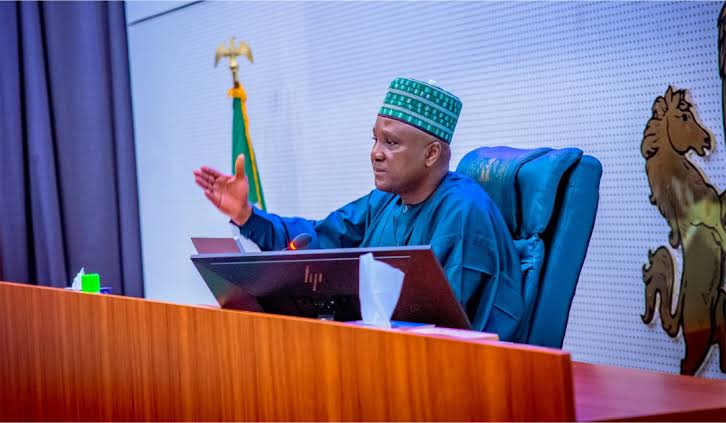
RESUMPTION SPEECH BY RT. HON. ABBAS TAJUDEEN, PHD, SPEAKER OF THE HOUSE OF REPRESENTATIVES, AFTER THE ANNUAL RECESS ON WEDNESDAY, 25TH SEPTEMBER 2024, AT THE HOUSE OF REPRESENTATIVES, NATIONAL ASSEMBLY COMPLEX, NIGERIA.
Honourable colleagues and distinguished members of the 10th House of Representatives, it is with immense pleasure that I welcome you back from the recess. I trust you are fully rejuvenated after spending valuable time with your families and constituents. As we reconvene, I am confident we are ready to address the significant tasks ahead. Our nation is facing critical challenges, but I salute your dedication to the service of Nigeria. Let us remain united and focused on our shared mission for national progress and prosperity.
As we resume our legislative duties, it is with a heavy heart that we acknowledge the loss of several prominent Nigerians during the recess. The House of Representatives extends its deepest condolences to the families of Chief Emmanuel Chukwuemeka Iwuanyanwu, President-General of Ohanaeze Ndi’gbo; Alhaji Isa Muhammad Bawa; Hajiya Dada, mother of the late former President Umaru Musa Yar’adua; Hajiya Habiba and Hajiya Binta Jakadiya, both revered figures in the palace of the Emir of Zazzau; and Oba Gabriel Aromolaran, the Owa-Obokun of Ijesaland, whose legacy endures in the hearts of his people. We also mourn the tragic loss of Tijanniya members in a recent road accident, as well as the passing of elder statesman Alhaji Muhammad Jibo, MFR. May their souls rest in peace, and may their families find strength in this difficult time.
Furthermore, we cannot ignore the devastating security incidents that have afflicted various communities in recent months. From the Boko Haram attacks in Gamborou-Ngala, Borno State, to the tragic massacre of innocent people in Ndun village, Tangur District in Plateau State, and the heart-wrenching killings in Maigora, Katsina State. Others include the violence in One-Man Village, Nasarawa State, the attacks in Sabon Tasha, Kaduna State, Guma in Benue State, the brutal killing of the District Head of Gobir by kidnappers, the abduction of healthcare workers and patients in Birnin Gwari, Kaduna State, and the multiple raids in Anka and Shinkafi in Zamfara. Our heart goes out to the families of the victims and to the communities who have endured these unspeakable losses. Let us observe a minute of silence in honour of the memory of those who have lost their lives and to renew our commitment to preventing such tragedies in the future.
Since our last session, Nigeria has witnessed major political, economic, and security developments. One of the most significant political events was the Edo State governorship election. Despite some tensions, it was conducted peacefully, a testament to the growing maturity of our democracy. We also appreciate the security personnel who ensured peace throughout the process.
Most importantly, we congratulate the All-Progressives Congress (APC) and the successful candidates, Sen. Monday Okpebholo, the Governor-Elect, and our own Hon. Dennis Idahosa, the Deputy Governor-Elect, on their victory. It is noteworthy that both candidates are Members of the National Assembly. We wish them success in their efforts to lead Edo State toward progress and prosperity.
On the economic front, Nigeria has demonstrated resilience and potential for recovery despite facing inflationary pressures and a high cost of living. Notably, the nation achieved a commendable 3.19% GDP growth in the second quarter of 2024, with robust contributions from sectors like services and financial institutions, according to reports from the National Bureau of Statistics. This growth occurred in a challenging global economic environment and underscores the efforts to improve the economy. While unemployment and currency depreciation remain concerns, international organisations like the IMF have acknowledged Nigeria’s efforts to diversify its economy and improve fiscal stability, signalling optimism for sustainable growth in the coming years.
Security challenges remain a significant concern, particularly in the North. However, substantial progress has been made in combating insurgency, with military operations successfully neutralising over 150 terrorists and major bandit kingpins, according to recent reports from the Nigerian Armed Forces. International bodies like the United Nations and the African Union have recognised Nigeria’s continued efforts to enhance regional stability. These security gains, alongside increased collaboration with neighbouring countries and improved intelligence sharing, demonstrate the government’s commitment to restoring peace. While challenges persist, these efforts are gradually contributing to a safer environment for all Nigerians.
Honourable Colleagues, as legislators, we are key architects in shaping Nigeria’s future. Our role transcends lawmaking; it is about safeguarding the welfare of citizens, promoting inclusive development, and ensuring good governance. Therefore, every Bill we pass, and every debate we hold must reflect the will of the people. Our actions in this chamber bear significant responsibility for the development and stability of Nigeria. Let us all approach our duties with renewed vigour, mindful of the aspirations of the millions of Nigerians we represent.
However, while undertaking our constitutionally assigned roles, we must remain mindful that the progress we aspire to can only be realised through strong collaboration with the Executive. While safeguarding our independence as a legislative body, we are committed to working in harmony with the Executive for the greater good of Nigeria. Our joint efforts are vital to securing economic stability, enhancing security, and fostering national development. This partnership is anchored on mutual respect, transparency, and a shared vision for the future of our nation.
Before the recess, we made commendable legislative achievements, passing critical bills and conducting oversight functions that have positively impacted the lives of our citizens. With 1,351 bills introduced and 89 passed, the 10th House has made significant progress. Our efforts have addressed vital sectors such as electricity, healthcare, and financial accountability. But as we look forward, we must maintain momentum. In the coming months, we will prioritise economic reforms, youth empowerment, healthcare, infrastructure, and education.
The economic challenges facing our nation require urgent legislative action, and the House is committed to passing laws that drive recovery, attract investments, create jobs, and provide immediate relief through targeted social welfare programs. We will support vulnerable populations by advancing youth empowerment and ensuring access to education through the Student Loan Scheme. We also commend President Bola Ahmed Tinubu, GCFR and the Federal Executive Council for approving the Economic Stabilisation Bills, which offer tax relief for businesses generating employment, personal income relief for workers, and suspend burdensome taxes on small businesses and vulnerable groups. The House of Representatives is fully prepared to receive these bills and expedite their passage to ensure timely implementation and economic stability.
Security remains a top priority for this House. The safety and well-being of every Nigerian are non-negotiable. We will continue collaborating with the Executive and relevant agencies to combat insecurity in all its forms. Legislative reforms will be prioritised to strengthen our security institutions, ensuring they respond more to emerging challenges. We commend the President for signing the Counter-Terrorism Bill into law, marking a crucial step in strengthening our collective fight against insecurity across the nation.
As previously committed, the House of Representatives will hold a high-level Legislative Security Summit in the final quarter of the year. This summit will address Nigeria’s urgent security challenges by bringing together key stakeholders, including the Executive, security agencies, policy experts, and civil society organisations. The focus will be on legislative reforms to strengthen the capabilities of our security institutions, improve inter-agency collaboration, and optimise the use of intelligence in tackling insurgency, banditry, and other security threats. In addition, the summit will explore approaches to community policing, securing borders, and integrating advanced technology into national defense.
Honourable Members, I am optimistic about the future as we embark on this new legislative session. The challenges before us are great, but so is our resolve to overcome them. We remain committed to enacting laws that will positively impact the lives of all Nigerians. I urge our citizens to remain hopeful, knowing their concerns are being addressed. This House will work tirelessly to support the Executive in building a more prosperous and united Nigeria.
A review of our first-year scorecard shows that we have met several goals, such as establishing public engagement platforms and initiating economic reforms. However, in the second session (2024-2025), the House will focus on key areas, including the full digitisation of legislative records, further promotion of gender equality, and robust security sector oversight. The House will also promote legislative frameworks that support economic diversification and energy infrastructure.
The House will prioritise Several key bills to address critical national issues across security, governance, and environmental protection. The Armed Forces Act (Amendment) Bill and the Police Act (Amendment) Bill focus on strengthening Nigeria’s security apparatus by enhancing the operational efficiency of the military and reforming the police to improve internal security, including through community policing and potential state police reforms. At the same time, the National Electoral Offences Commission Bill aims to uphold the integrity of elections by prosecuting electoral malpractices.
It is also crucial to acknowledge the devastating impact of climate change on our communities, especially the recent flooding in Maiduguri, Katsina, Sabon Gari in Kaduna State and other parts of the country. We extend our deepest condolences to those affected. I ask for a minute of silence to honour those who lost their lives. May their souls rest in peace.
These environmental disasters call for an urgent and comprehensive legislative response. Strengthening environmental laws, bolstering support for frontline enforcement personnel, and prioritising renewable energy initiatives are essential steps. Additionally, enhancing infrastructure resilience and implementing community-based adaptation strategies must be central to our agenda moving forward. A key example of this commitment is the Gas Flaring (Prohibition and Punishment) Bill, which aims to reduce gas flaring by imposing stricter penalties and promoting environmental sustainability.
In this regard, the House is pleased with President Tinubu’s proposal for a Disaster Relief Fund, a measure that was recently approved by the Federal Executive Council. The fund is to be sourced from a portion of the revenue accruing to the Federation Account and contributions from the private sector. It will support communities affected by natural disasters, such as the recent flooding incidents. The House of Representatives and the National Assembly are fully prepared to expedite legislative action, facilitating timely and adequate relief to those in need.
Honourable Colleagues, as we resume, good governance and transparency remain top priorities for the House. The Whistleblower Protection Bill, which provides safeguards for individuals reporting corruption, will be key in strengthening accountability. We passed the National Audit Bill earlier to enhance financial oversight and ensure the responsible use of public funds. We are optimistic that the President will soon assent to this important Bill. Moreover, the Constitution Alteration Bills represent our commitment to governance reforms, including the devolution of powers, promoting women’s political participation, and advancing electoral reforms.
Effective oversight is crucial to promoting good governance and ensuring accountability in public service delivery. As a core function of the House, we will intensify our oversight efforts in the next session to guarantee transparency and the responsible use of public resources. By closely monitoring the activities of Ministries, Departments, and Agencies (MDAs), we will ensure that government programmes are executed efficiently and align with the aspirations of the people. This will not only enhance public trust but also support the President’s agenda for national development, ensuring that resources are utilised to drive positive outcomes for all Nigerians.
In conclusion, Honourable Colleagues, I call on all of you to remain mindful of the expectations of our constituents and ensure that our legislative processes and outcomes meet the highest standards of democracy, human rights, and social justice. With confidence in our collective efforts and faith in the future, I look forward to a productive and transformative legislative session.
Thank you, and may God bless the Federal Republic of Nigeria.