
News
FG To Begin 2024 Tax Reforms In January, Exempting SMEs and Farmers from Withholding Tax

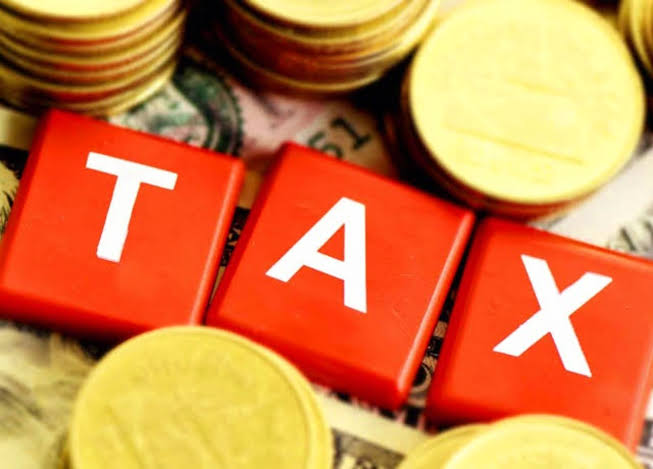


The Federal Government of Nigeria has officially commenced the implementation of the 2024 Withholding Tax Regulations, a move that marks a significant step toward modernizing the country’s tax system. Approved by President Bola Tinubu in July 2024 and published in the Official Gazette in October, the new regulations became effective on January 1, 2025.
Formally known as the “Deduction of Tax at Source (Withholding) Regulations, 2024,” the updated tax regime aims to streamline compliance, reduce administrative burdens, and address inefficiencies in the system, especially for Small and Medium Enterprises (SMEs), manufacturers, producers, and farmers—sectors critical to Nigeria’s economic stability and growth.
In a statement posted on his official X (formerly Twitter) account on New Year’s Day, Taiwo Oyedele, Chairman of the Presidential Committee on Fiscal Policy and Tax Reforms, confirmed the new regulations’ effective date. He highlighted some of the key features of the reforms, such as exempting SMEs from withholding tax compliance. This measure is expected to alleviate financial and administrative pressures on these businesses, fostering growth and innovation in the sector.
The new regulations also include reduced withholding tax rates for businesses with low-profit margins to improve cash flow and reduce operational costs. Manufacturers, producers, and farmers are fully exempted from withholding tax obligations, a move intended to support these vital sectors and ensure their sustainability.
Additionally, the reforms aim to simplify the process of crediting taxes deducted at source, making it easier for businesses to claim and utilize these deductions efficiently. The regulations also address long-standing issues, including ambiguities around the timing of deductions and unclear definitions of key terms, which had previously hindered tax compliance.
These changes are also part of the government’s broader effort to combat tax evasion, enhance transparency, and minimize opportunities for tax avoidance.
Earlier, the Federal Government had unveiled a broader set of tax reforms to reduce the tax burden on the manufacturing sector and small businesses. These reforms, part of the “Deduction of Tax at Source (Withholding) Regulations, 2024,” also seek to simplify the deduction of taxes at the source for taxable entities under multiple tax acts, including the Capital Gains Tax Act, Companies Income Tax Act, Petroleum Profits Tax Act, and the Personal Income Tax Act.
In addition to these reforms, Oyedele recently announced that high-income earners could face an increased monthly PAYE tax burden under new proposed tax laws. These changes aim to address fiscal inequities that have resulted in “fiscal drag” due to inflation, pushing lower-income earners into higher tax brackets.
For instance, individuals earning N400,000 a month currently pay the same top marginal tax rate as those earning N20 million. Under the new tax framework, this discrepancy would be addressed, with high-income earners contributing more while providing relief to low- and middle-income earners.
Oyedele clarified that individuals earning N1.7 million or less per month would see reduced PAYE tax obligations under the proposed system, with more than 90% of workers in the public and private sectors benefiting from lower taxes. Meanwhile, top earners would face a slight increase in taxes, with rates reaching up to 25% for those earning over N50 million annually.
These reforms are designed to simplify the tax system, reduce the tax burden for most Nigerians, and address the disparity between personal and corporate tax regimes. Oyedele emphasized that while high-income earners would pay a greater share, the majority of Nigerians would benefit from tax reductions.




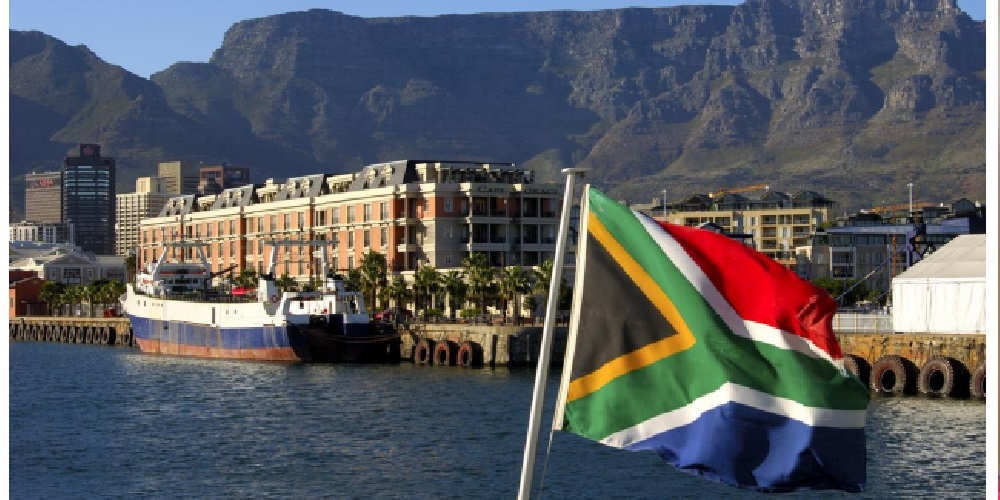
The Ghana High Commission in South Africa has advised Ghanaian business owners in Pretoria to temporarily shut their shops today ahead of a planned protest by an anti-immigrant group known as March & March.
The group is organizing another demonstration aimed at people it claims are living illegally in South Africa. In response, the High Commission issued a statement urging Ghanaian nationals to stay alert and avoid areas where protests are expected to take place.
Authorities warned that the march may head toward the Presidency and pass through Sunnyside, a suburb in Pretoria known for its large population of Nigerian and other African migrants. There are concerns that this route could heighten tensions or lead to possible violence.
South Africa has seen recurring anti-immigrant demonstrations in several cities, often driven by groups demanding stricter immigration enforcement. These events have sometimes created unrest in communities with large foreign populations.
Sunnyside is one of such areas, home to many African traders and small business owners, and has previously been mentioned during periods of heightened tension linked to immigration debates.
Diplomatic missions in South Africa, including Ghana’s High Commission, regularly issue safety warnings during planned protests, advising citizens to stay cautious, avoid demonstration routes, and in some cases close their businesses temporarily.
The March & March movement has been widely reported for organizing protests focused on immigration issues, particularly targeting undocumented foreign nationals.
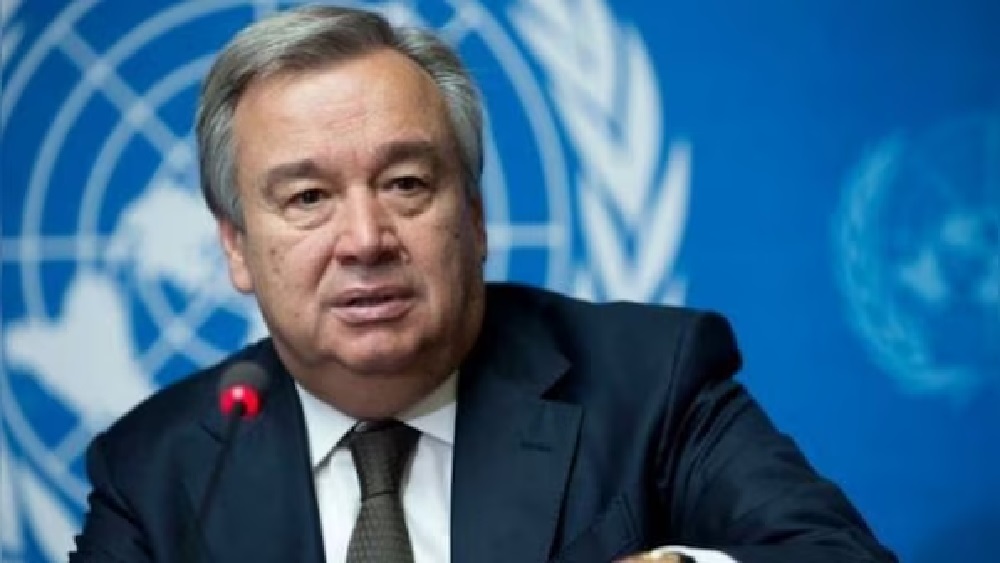
United Nations Secretary-General António Guterres has strongly condemned the repeated xenophobic attacks and intimidation against foreign nationals in South Africa, using the country’s Freedom Day commemoration to raise alarm over the situation.
In a statement issued by his spokesperson, Guterres expressed serious concern about recent incidents of violence and hate speech targeting migrants, particularly in KwaZulu-Natal and the Eastern Cape. He noted that it was especially troubling that such events occurred on April 27—Freedom Day, marking South Africa’s first democratic elections after apartheid.
The UN chief reminded South Africa that its liberation struggle was built on African and global solidarity, stressing that violence, mob justice, and hate-driven attacks have no place in a democratic society. He also highlighted that migrants have historically contributed to South Africa’s development and should not be unfairly blamed for economic challenges.
While acknowledging issues such as unemployment and poverty, Guterres insisted they cannot justify attacks on vulnerable groups. He called on authorities to ensure swift, impartial investigations into recent violence, free from political influence, and to guarantee justice for all victims regardless of nationality.
He further urged full implementation of South Africa’s National Action Plan against Racism and Xenophobia. The UN’s intervention comes after years of sporadic xenophobic violence in the country, often linked to vigilante groups claiming to defend local economic interests. Human rights organizations have repeatedly criticized the lack of accountability for perpetrators.
As South Africa marks 32 years since the end of apartheid, the UN statement underscores a troubling reality: for many migrants living in the country, the promise of freedom and safety remains uncertain.

The Federal High Court in Ikoyi has slammed the brakes on Shoprite’s directors, barring them from selling any shares or assets until a N1.76 billion judgment debt is fully paid.
Justice Ambrose Lewis-Allagoa handed down the restraining order after an ex parte application filed November 21, 2025, to enforce a consent judgment the court entered months earlier on July 22, 2025.
The judge went further: Shoprite’s directors must now lay bare all company assets — movable and immovable — to the judgment creditor.
Tobenna Nnamani, counsel to the creditor, had pressed the court for garnishee orders nisi to freeze funds belonging to the judgment debtor across multiple banks.
With the order in hand, the creditor’s lawyers are now demanding specifics from director Jide Ogundare and the rest of Shoprite’s board. On the list: the distribution centre in Ajao, Lagos, and all relevant trademarks.
The case was adjourned to May 7, 2026, for further proceedings.
The clampdown traces back to a N1.76 billion judgement debt.
Shoprite, according to court filings, failed to comply with a court-approved settlement — a breach that has now triggered the asset freeze.

PSG Beat Bayern Munich In Historic 9-Goal UCL Semifinal Thriller

Ghana Urges Citizens in South Africa to Close Businesses Ahead of Anti-Immigrant Protest

UN Chief Guterres Condemns Xenophobic Attacks on Foreign Nationals in South Africa




-
 Entertainment24 hours ago
Veteran Nollywood Actor Dies In His Sleep
-

 News24 hours ago
Xenophobia: Two Nigerians K!lled in South Africa
-

 News24 hours ago
Sowore mocks Malami at court, says ‘ You see how it feels now to be persecuted’
-

 News24 hours ago
Court fixes June 22 for hearing on couple’s alleged N740m investment fraud
-

 News20 hours ago
EXPOSED! Senator Kingibe Allegedly Collected $65,000 For A Contract That Never Existed, Dragged To ICPC As Bizman Insists She Used Her Office To Defraud Him
-
 News19 hours ago
Sanwo-Olu’s resignation on health grounds story is false- Lagos govt
-

 News19 hours ago
US Considering Latest Iranian Proposal
-

 Politics24 hours ago
Ekiti 2026: Oyebanji’s Re-Election Already Won, Says APC Chairman, Yilwatda, Governors
You must be logged in to post a comment Login