
Health
Edo confirms eight Lassa fever deaths, 56 cases


- /home/naijuinz/public_html/wp-content/plugins/mvp-social-buttons/mvp-social-buttons.php on line 27
https://naijablitznews.com/wp-content/uploads/2024/03/edo-state-map.jpg&description=Edo confirms eight Lassa fever deaths, 56 cases', 'pinterestShare', 'width=750,height=350'); return false;" title="Pin This Post">
- Share
- Tweet /home/naijuinz/public_html/wp-content/plugins/mvp-social-buttons/mvp-social-buttons.php on line 72
https://naijablitznews.com/wp-content/uploads/2024/03/edo-state-map.jpg&description=Edo confirms eight Lassa fever deaths, 56 cases', 'pinterestShare', 'width=750,height=350'); return false;" title="Pin This Post">


Edo has recorded 56 Lassa fever cases and eight deaths between Dec. 30, 2024 and January 2025, says the Commissioner for Health, Dr Cyril Oshiomhole.
Oshiomhole confirmed the incident on Friday in Benin while formally declaring the situation of Lassa fever in the state.
“The 2025 epidemic year began on Dec. 30, 2024. Since then, 336 suspected cases have been reported, with 56 confirmed and eight resulting in death,” he said.
He said the outbreak posed significant public health risks due to its rapid transmission potentials and severe outcomes if not effectively managed.
Oshiomhole revealed that 14 patients are currently receiving specialised care at the Lassa Fever Treatment Center in Irrua Specialist Teaching Hospital (ISTH).
He also noted that “In 2024, the state recorded 3,270 suspected cases, 292 confirmed cases, and 41 deaths, showing a decline from 2023 which recorded 65 deaths from 372 confirmed cases.”
According to him, the state has activated its Public Health Emergencies Response Management Team, collaborating with healthcare facilities, community leaders, and stakeholders to contain the outbreak.
As part of the response, measures include “enhanced surveillance, expanded treatment centers, Infection Prevention and Control (IPC), public awareness campaigns, and partnerships with health organisations.”
He urged residents to report anyone with symptoms like fever, weakness, headaches, vomiting, or bleeding to the nearest health facility for early detection.
The commissioner also tasked the response team to reduce the Case Fatality Rate (CFR) and assured of government support to enhance Lassa fever management efforts.
He further said the molecular laboratory at UBTH had been optimised for Lassa fever testing, increasing the state’s capacity with two testing centers at UBTH and ISTH.
The News Agency of Nigeria (NAN) reports that Dr Ekaete Tobi of ISTH has been appointed as the state Lassa fever Incident Manager to coordinate outbreak control activities.











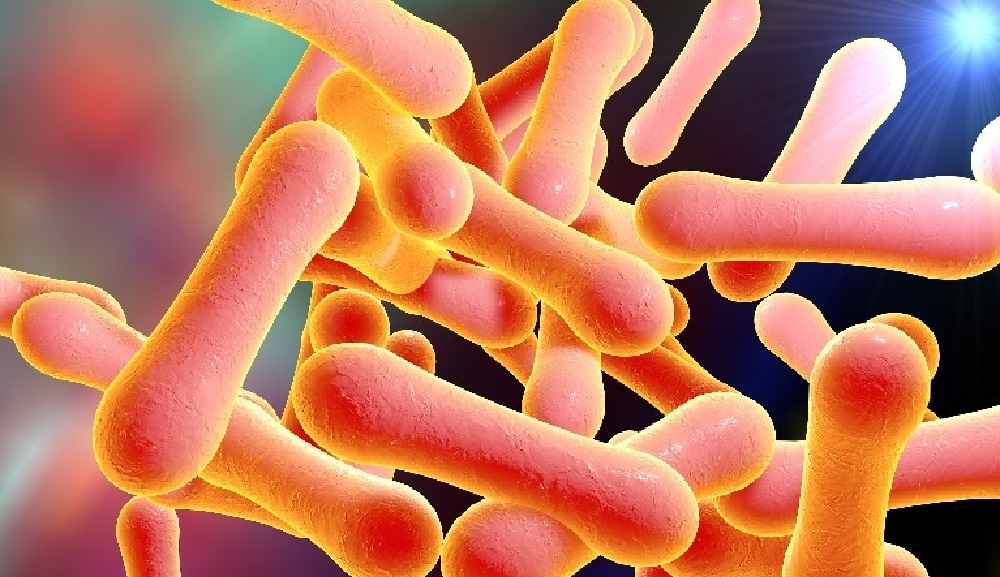
The ongoing diphtheria outbreak in Katsina State has placed the Federal Teaching Hospital Katsina under severe pressure, with a surge in suspected and confirmed cases overwhelming its Children’s Ward.
The hospital management, in a statement issued on Saturday, said the facility was receiving a large number of patients referred from other health facilities, stretching its available bed capacity beyond its limits.
According to the hospital, healthcare workers have continued to demonstrate commitment and resilience in ensuring that critically ill children receive the care they need while efforts were being made to respond effectively to the increasing patient load
The statement read, “The ongoing diphtheria outbreak in Katsina State has placed enormous pressure on the Federal Teaching Hospital Katsina, particularly the Children’s Ward.
“The hospital is receiving an overwhelming number of suspected and confirmed cases, as patients are being referred to the facility in large numbers. The situation has resulted in severe overcrowding, stretching available beds beyond capacity.”
“Despite these challenges, FTH Katsina is doing everything within its capacity to provide timely and quality care to affected children. The hospital is making necessary arrangements to accommodate and manage the increasing number of patients, even in the absence of sufficient available bed spaces.
“Healthcare workers continue to demonstrate commitment and resilience in ensuring that critically ill children receive the care they need while efforts are being made to respond effectively to the increasing patient load.”
The management added that necessary arrangements were being made to accommodate and manage the increasing number of patients despite the shortage of available bed spaces.
It also commended the resilience and dedication of healthcare workers, who, it said, had continued to provide care to critically ill children amid the growing pressure on the facility.
The hospital called for stronger coordination among health facilities and other stakeholders involved in the outbreak response, stressing that a concerted effort was needed to effectively manage the increasing patient load and protect affected children.
“FTH Katsina remains committed to supporting the response to the outbreak,” the management said, adding that “a coordinated effort among all relevant health facilities and stakeholders is essential to effectively manage the situation and protect the lives of affected children.”
The hospital did not disclose the number of diphtheria patients currently admitted or the total number of cases recorded in Katsina State.
Meanwhile, 11 people have died following an outbreak of diphtheria in Niger State.
The deaths, which were recorded in the last few days, occurred in Chanchaga and Katcha Local Government Areas of the state.
Sunday PUNCH also learnt that 74 patients were treated and discharged from focal areas of Bida and Agaie Local Government Areas, alongside surveillance in Suleja Local Government.
The Executive Director of the Niger State Primary Health Care Development Agency, Dr Junaidu Inuwa, who made this disclosure on Friday, blamed the casualty rate on parents and guardians who, he said, had denied their children access to vaccinations.
He said at a two-day capacity-building workshop on Strengthening Ward Development Committees on Community Engagement and Accountability to Affected Population in Minna, organised by the State Niger State Primary Health Care Development Agency in collaboration with United Nations Children’s Fund, that the goal was to ensure that community structures were adequately engaged, empowered and educated for prevention of diseases.
“Most parents are not immunizing their children and the community structure needs to do a lot for us.
“I am sure most of you are aware that recently we have an outbreak of some diseases in Chanchaga and Katcha LGAs. There are 10 cases and all of them died. We even lost another patient on Tuesday at the General Hospital, Minna,” he said.
Inuwa appealed to the women to prioritise early child education and charged them to encourage nursing mothers to take their children for immunization.
The Social and Behavioural Change Specialist of the United Nations Child Education Fund, UNICEF Kaduna Field Office, Ibrahim Mohammed, in his remarks, said the main aim of the capacity-building was to strengthen their capacity to be able to provide health, wash, nutrition, child protection and education to the citizens.
“We are looking at an integrative approach to healthcare services across the community,” he said.
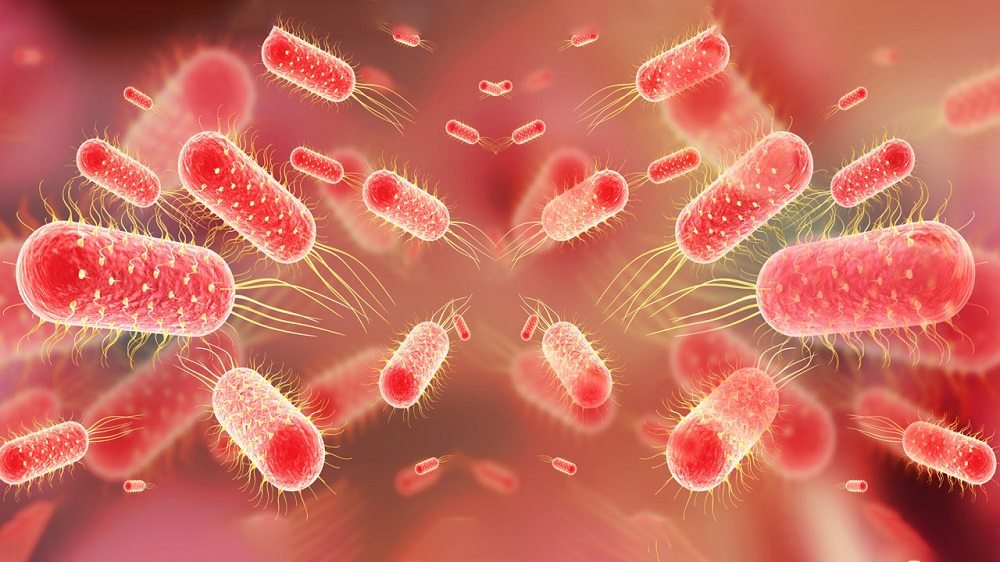
Typhoid fever is an infection caused by Salmonella Typhi, a bacterium that can spread when food or water becomes contaminated with human faeces. This makes everyday food handling an important part of preventing the disease.
In Nigerian homes, where food may be prepared in large quantities and stored for several hours, simple mistakes such as using contaminated water, handling cooked food with unwashed hands or allowing raw and ready-to-eat foods to come into contact can create opportunities for contamination.
Preventing typhoid therefore begins in the kitchen. Safe food preparation, proper hand hygiene, thorough cooking, clean water and appropriate food storage can significantly reduce opportunities for the bacteria to spread.
In this article, Tribune Online explores how you can safely prevent typhoid in your household.
Wash your hands before handling food
Hands can transfer harmful bacteria from contaminated surfaces, toilets, raw food and other sources directly to food. Wash your hands thoroughly with soap and clean running water before preparing food, before eating and after using the toilet. Hands should also be washed after changing nappies, handling rubbish, cleaning dirty surfaces and touching raw meat.
Do not handle cooked food immediately after using the toilet without washing your hands properly.
A person carrying Salmonella Typhi can contaminate food through poor hand hygiene, even when they do not appear sick. Good hand hygiene is therefore one of the most important barriers between contamination and the food eventually eaten by the household.
Keep raw and cooked foods separate
Cross-contamination is a major food-safety concern. Raw meat, poultry and other uncooked foods can carry harmful microorganisms. If a knife or cutting board used for raw food is then used for vegetables, fruit or cooked food without proper washing, bacteria can be transferred to food that may not receive further cooking.
Use separate utensils where possible. If the same cutting board must be used, wash it thoroughly with soap and clean water before using it for another food.
Do not place cooked food on a plate that previously held raw meat unless the plate has been properly washed. The same principle applies to knives, countertops, bowls and other kitchen equipment.
Use safe water for cooking and washing food
Contaminated water can introduce Salmonella Typhi into food. Use water that is known to be safe for drinking and food preparation. Where the safety of the water supply is uncertain, treat the water appropriately before using it for drinking, cooking or preparing food. This is particularly important when washing foods that will be eaten raw.
Do not assume that apparently clear water is necessarily safe. Water can contain disease-causing microorganisms without any obvious change in colour, smell or taste.
Safe water should also be used when making ice, preparing drinks and washing utensils that will come into contact with food.
Cook food thoroughly
Thorough cooking is an important defence against foodborne bacteria. Food should be cooked properly rather than only heated on the surface. Large pieces of meat and thick foods need enough time for heat to reach the centre. When reheating previously cooked food, heat it thoroughly before serving. Avoid repeatedly warming and cooling the same food.
The commonly cited 70°C figure should not be treated as a universal rule for every food. Safe cooking temperatures depend on the type of food and the method being used. What matters is ensuring that food reaches a temperature sufficient to destroy harmful microorganisms throughout the portion.
Wash fruits and vegetables properly
Fresh produce can become contaminated before it reaches the kitchen or while it is being handled at home.
Wash fruits and vegetables thoroughly with safe water before eating or cutting them, particularly when they will be consumed raw. Pay attention to produce that will be eaten without cooking, such as tomatoes, cucumbers, lettuce and fruits.
Washing does not make contaminated produce completely risk-free, but it can help remove dirt and microorganisms from the surface. Where the safety of the water is questionable, it should not be used to wash food that will be eaten raw.
Keep cooked food covered
Cooked food should not be left exposed unnecessarily. Cover food after preparation and keep it protected from flies, dust, dirty hands and other potential sources of contamination. This is particularly important when food is being served outdoors or in areas where flies are common.
Do not leave serving spoons inside food containers where they can be touched repeatedly. Use clean utensils for serving and avoid allowing people to handle food directly.
Store leftovers safely
Food can become unsafe when it is left at room temperature for too long.
After a meal, leftovers should be handled promptly and stored appropriately rather than being left uncovered for several hours. Large quantities of hot food should not simply be left to cool slowly for an extended period.
Divide large portions into smaller containers where appropriate so they can cool more efficiently before refrigeration. Keep refrigerated foods properly chilled and avoid repeatedly removing them from the refrigerator and leaving them at room temperature.
Keep kitchen surfaces and utensils clean
A clean kitchen reduces opportunities for bacteria to move from one food or surface to another.
Wash knives, cutting boards, plates, pots and other utensils after use, particularly after contact with raw food.
Kitchen counters should also be cleaned regularly, especially after preparing raw meat. Sponges and cloths can harbour microorganisms when they remain damp and dirty. Wash and dry reusable cleaning materials properly and replace them when they become difficult to clean.
Protect food from flies and other pests
Flies can move between contaminated waste, faeces and food.Keep food covered and dispose of household waste properly. Use covered bins and clean areas where food is prepared.
Windows and doors should be protected with appropriate screens where practical, particularly in areas with heavy fly activity. Do not leave cooked food uncovered on kitchen counters for long periods. Reducing contact between flies and food limits opportunities for contamination.
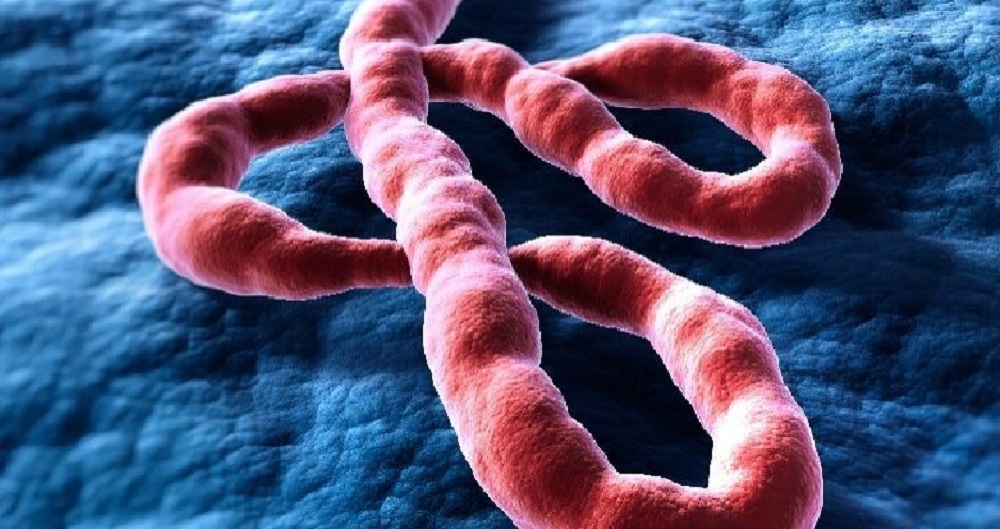
Condoms are among the most effective tools for reducing the risk of sexually transmitted infections (STIs) and preventing unintended pregnancy. Condoms are recommended because they offer strong protection against many infections spread through semen, vaginal fluids and blood.
However, condoms do not provide 100 per cent protection against every STI. This is because some infections spread through direct skin-to-skin contact and can affect areas that a condom does not cover. As a result, it is still possible to contract certain infections despite using a condom correctly.
Human papillomavirus (HPV)
HPV is the most common sexually transmitted infection globally. It spreads through intimate skin-to-skin contact and can infect areas around the genitals, anus and groin that may not be covered by a condom.
While many HPV infections clear on their own, some types can cause genital warts, while others increase the risk of cervical, anal, penile and throat cancers. Although condoms reduce the risk of transmission, they cannot eliminate it completely.
Genital herpes
Genital herpes is caused by the herpes simplex virus (HSV). It spreads through direct skin contact with an infected area, even when there are no visible sores. Because herpes can affect the skin around the genitals, buttocks or upper thighs, the virus can still spread from areas not covered by a condom. Appropriate condom use lowers the risk but does not completely prevent transmission.
Syphilis
Syphilis is a bacterial infection that often begins with a painless sore. The sore can appear on the penis, vagina, anus, mouth or nearby skin. If the sore is outside the area protected by a condom, the infection can still spread through direct contact during sex.
Early diagnosis and treatment are important because untreated syphilis can lead to serious health complications.
Mpox
Although mpox is not classified as a traditional STI, it can spread during sexual activity through prolonged skin-to-skin contact, contact with body fluids or exposure to infectious skin lesions.
Condoms cannot protect areas such as the thighs, buttocks or other parts of the body where mpox lesions may be present.
Avoiding intimate contact with anyone who has symptoms remains an important preventive measure.
Molluscum contagiosum
Molluscum contagiosum is a viral skin infection that can spread through direct skin contact, including sexual contact in adults. It causes small, smooth, raised bumps that may appear on or around the genitals.
Since these bumps can develop outside the area covered by a condom, transmission is still possible despite condom use.

No group can impose strange laws on Plateau residents – PVD

Borno Commissioner Vows To Cut Off Fingers Of Those Who Vote Against APC

Just in: Lionel Messi finally retires from international football




-
 Economy19 hours ago
Record $947m July Remittances Bring Cardoso’s $1bn Monthly Target Within Sight
-

 Metro19 hours ago
Two ladies arrested for stealing their neighbors’ 3 kids 2 weeks after moving in as tenants
-

 News19 hours ago
Borno Commissioner Threatens Opponents: ‘Follow Us And Enjoy Honey, Refuse And Be Flogged’
-

 Politics19 hours ago
NDC Accuses INEC of Replacing Its 2027 Candidates With ‘Strange Names’
-

 News19 hours ago
Preaching Hell Won’t Make Nigerians Born Again Because They Are Already in Hell — Pastor Ibiyeomie
-
 News19 hours ago
Newborn baby found abandoned in Benue forest
-

 Metro19 hours ago
Truck Hijacking Ring Crushed in Oyo, Police Recover Stolen Sino Howo
-

 News19 hours ago
Mutfwang: Hisbah not allowed in Plateau
Warning: Undefined variable $user_ID in /home/naijuinz/public_html/wp-content/themes/zox-news/comments.php on line 49
You must be logged in to post a comment Login