
Health
NAFDAC discovers depot for expired drugs in Abia

- /home/naijuinz/public_html/wp-content/plugins/mvp-social-buttons/mvp-social-buttons.php on line 27
https://naijablitznews.com/wp-content/uploads/2024/07/NAFDAC.jpg&description=NAFDAC discovers depot for expired drugs in Abia', 'pinterestShare', 'width=750,height=350'); return false;" title="Pin This Post">
- Share
- Tweet /home/naijuinz/public_html/wp-content/plugins/mvp-social-buttons/mvp-social-buttons.php on line 72
https://naijablitznews.com/wp-content/uploads/2024/07/NAFDAC.jpg&description=NAFDAC discovers depot for expired drugs in Abia', 'pinterestShare', 'width=750,height=350'); return false;" title="Pin This Post">


The National Agency for Food and Drug Administration and Control (NAFDAC) on Friday uncovered a major operation depot dealing in expired and falsified drugs at Umumeje village, Osisioma Ngwa area of Abia State.
NAFDAC disclosed this in a statement on X, saying it revealed that the illegal operation was being run from multiple buildings near the Ariaria International Market.
According to the agency, the expired medicines were repackaged and revalidated for resale, posing a significant health risk to consumers.
“Seized items consisted of expired potassium chloride, allergy medications, immune boosters, and cholesterol treatments,” the statement read.
“Machines used to rebrand and alter expiry dates were also discovered on-site. Despite efforts to reach him, he showed no concern for his detained family members,” the statement read.
The raid led to the arrest of several individuals associated with the operation. However, the prime suspect behind the illicit trade remains at large.
https://twitter.com/NafdacAgency/status/1890352992877949031?ref_src=twsrc%5Etfw
NAFDAC stated that the operation, conducted in collaboration with security agencies, is part of the Federal Government’s ongoing crackdown on the circulation of counterfeit drugs in the country.
The agency also reaffirmed its commitment to eradicating the distribution of substandard and falsified drugs in Nigeria, saying it is is currently reviewing its laws to impose stricter penalties on individuals and organisations involved in the production and distribution of dangerous pharmaceutical products.










The death toll from the outbreak of Diphtheria in Plateau State has risen to 27 while suspected cases have hit 303.
The State Epidemiologist, Dr Maren Damulak , disclosed the figures while speaking with newsmen in Jos, the state capital on Wednesday.
This is just as the state government said it is making efforts to contain the outbreak of the disease.
He said most of the suspected cases were recorded in Jos North LGA, with Rikkos community identified as one of the worst-affected areas.
“As of today, the cases have increased from 149 to 303. The death has also increased from 23 to 27. The high cases of the disease are in Jos North. 99 % of the cases are in Jos North.”
“Most of the people that were affected were those that did not take diphtheria vaccine. Apart from Jos North, we also have few cases from other LGAs Children account for a significant proportion of those affected,” Damulak said.
The state government had last week ordered temporary closure of all public and private primary and secondary schools following the detection of suspected cases in Jos North, Jos South, Bassa and Wase Local Government Areas.
The measure, according to the government, was aimed at reducing transmission among students and school staff while health authorities strengthen surveillance and response activities.
Our correspondent reports that some patients are currently receiving treatment at the Jos University Teaching Hospital, JUTH, and Plateau State Specialist Hospital, PSSH, where isolation facilities have been provided.
In Jos North, the local government council has deployed additional logistics, including motorcycles, to enhance contact tracing, field surveillance and community outreach.
Governor Caleb Manasseh Mutfwang had on Monday directed the immediate mobilisation of drugs and other medical commodities to health facilities to combat the disease.
The Director-General of the Plateau State Drug and Medical Commodity Management Agency, PSDMA, Pharmacist Kim Jerry Bot, disclosed that government intervention was already ongoing at JUTH and PSSH.
Bot said the state government acted swiftly following reports of the outbreak, adding that efforts were underway to extend the support to other affected health facilities.
Meanwhile, the Executive Chairman of Jos North Local Government Council, Barrister John Kyohroh Christopher, on Wednesday urged residents to prioritise personal and environmental hygiene to help curb the spread of the disease.
Christopher spoke during an on-the-spot assessment of affected communities and a visit to some suspected patients receiving treatment at the Primary Healthcare Clinic in Abba Na Shehu Ward.
Nigeria has recorded 1,035 confirmed cases of Lassa fever and 252 deaths across 23 states and 117 Local Government Areas (LGAs) in the first 33 epidemiological weeks of 2026, with the fatality rate rising to 24.4 per cent.
The latest Lassa Fever Situation Report of the Nigeria Centre for Disease Control and Prevention (NCDC), covering August 10 to 16, showed that the country recorded 14 new confirmed cases and two deaths during epidemiological week 33.
The 2026 cumulative figures represent an increase from the 854 confirmed cases and 159 deaths recorded during the same period in 2025, when the Case Fatality Rate (CFR) stood at 18.6 per cent.
According to the report, the 14 new confirmed cases recorded in week 33 were reported in Ondo, Edo, Bauchi and Benue States, representing a sharp rise from the four cases recorded in epidemiological week 32.
The NCDC said five states accounted for the overwhelming majority of confirmed infections in the country, with 87 per cent of all confirmed cases reported from Ondo, Bauchi, Taraba, Edo and Benue states.
Ondo State accounted for 33 per cent of the cases, followed by Bauchi with 25 per cent, Taraba 13 per cent, Edo 10 per cent and Benue six per cent. The remaining 13 per cent of cases were reported across 18 other states.
The report further indicated that people aged 21 to 30 years constituted the predominant age group affected, although confirmed cases ranged from one to 93 years, with a median age of 30 years. The male-to-female ratio among confirmed cases was 1:0.9.
The NCDC also disclosed that 54 healthcare workers have been affected by Lassa fever in 2026, although no new healthcare worker infection was recorded during week 33.
It said 12 patients were being managed at treatment centres during the reporting week, bringing the cumulative number of cases managed at treatment centres in 2026 to 783.
On contact tracing, the report said 2,007 contacts had been listed cumulatively, with 168 still under follow-up. A total of 1,836 contacts had completed follow-up, while 110 symptomatic contacts had been identified and 49 tested positive.
The NCDC said it had intensified interventions to contain the outbreak, including training healthcare workers, strengthening infection prevention and control measures, supporting active case search and contact tracing, and pre-positioning personal protective equipment and other supplies in health facilities.
It also said a 30-day Healthcare Worker Protection Plan had been developed to reduce infections among frontline health workers in endemic states, with support from the World Health Organisation and the US Centers for Disease Control and Prevention.
The agency said National Rapid Response Teams had also been deployed across seven high-burden states, while Incident Management Systems for Lassa fever had been activated in Benue, Plateau, Kebbi, Kano and Gombe states.
However, the NCDC identified late presentation of cases, poor health-seeking behaviour linked to the high cost of treatment, poor environmental sanitation, low awareness in high-burden communities and healthcare worker infections as major challenges to controlling the disease.
The agency urged states to sustain community engagement on Lassa fever prevention throughout the year, while advising healthcare workers to maintain a high index of suspicion, make timely referrals and commence treatment promptly, alongside strict adherence to infection prevention and control procedures.
The NCDC further called for stronger state capacity to prevent, detect and respond promptly to Lassa fever outbreaks.
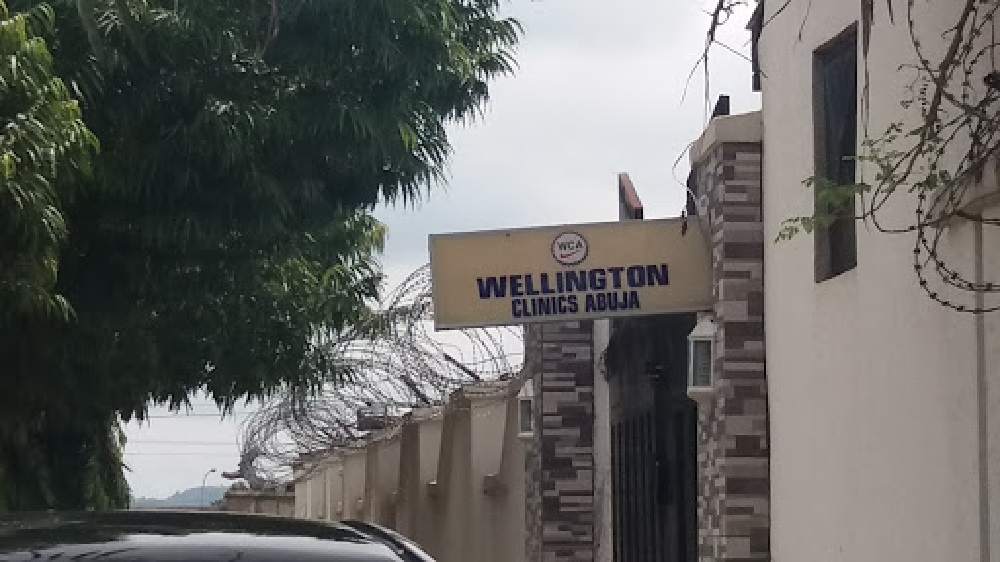
An Abuja-based hospital, Wellington Clinics, has denied involvement in alleged transactional organ harvesting linked to a kidney transplant performed at its facility, saying it neither participated in nor benefited from any financial arrangement involving the donor or recipient.
The hospital also disclosed that it had suspended all renal transplant-related services pending the conclusion of investigations into the circumstances surrounding the April 24, 2026 kidney operation.
The clarification came amid an ongoing investigation by the Nigeria Police Force into an alleged organ-harvesting and human-trafficking syndicate in Abuja and Nasarawa State.
Police recently arrested and paraded four suspects, including two medical doctors linked to Wellington Hospital, over allegations that a 22-year-old man, identified by the police as Samuel Ezekiel, was deceived into undergoing kidney removal at the Abuja facility.
The police alleged that the victim was paid $1,250, approximately N1.7million, for the kidney.
Wellington Clinics, however, said its records showed that the donor was admitted under the name Abubakar Hassan and that the procedure was conducted by a specialist team led by a Senior Consultant Nephrologist and Chief Executive Officer, Crown Medical and Kidney Centre, Dr Benjamin Oyimeh.
In a statement signed by its Director of Administration, Yemi Olatunbosun, and made available to journalists on Tuesday, the hospital said its involvement was limited to providing an equipped operating theatre and an appropriate environment for the procedure under a pre-agreed facility rental arrangement.
The clinic stated, “Wellington Clinics did not participate, facilitate, negotiate, or benefit from any transactional arrangements.”
It added that the procedure was carried out under the supervision of a licensed senior consultant nephrologist, and that the specialist team retained responsibility for the donor and recipient throughout the process.
According to the hospital, its collaboration model with specialist medical teams means that the lead consultant is responsible for patient recruitment, clinical evaluation, donor-recipient compatibility assessment, informed consent, ethical screening and other clinical and medico-legal matters.
The clinic said the consultant and his team were also responsible for ensuring compliance with the National Health Act 2014 and applicable guidelines of the Medical and Dental Council of Nigeria.
Wellington said the donor was admitted on April 24, 2026, as a scheduled kidney donor and underwent a left donor nephrectomy the same day.
The kidney, it said, was subsequently transplanted into a patient suffering from end-stage kidney failure.
The facility stressed that neither the donor nor recipient died as a result of the operation.
The hospital said the donor presented several documents during admission, including a court affidavit, digital National Identification Number slip, birth certificate issued by the National Population Commission, affidavit of consent and statutory declaration of age.
It added that the donor was accompanied by a man identified as Abubakar Isa, who was presented as his brother.
According to the statement, the hospital’s records showed that the donor was admitted as Abubakar Hassan, with a date of birth of February 4, 2000, and hospital number WCA/8066/2026.
Wellington said he was discharged on April 28, four days after the operation.
The hospital further disclosed that he was readmitted on July 11 for wound management and removal of residual stitches and discharged on July 13.
It explained that the donor had informed the hospital that he had travelled and was therefore unable to attend some of his earlier scheduled follow-up appointments.
The hospital’s account comes against the backdrop of the police allegation that the donor’s real name was Samuel Ezekiel and that his identity was allegedly changed for the purpose of the procedure.
The police investigation, according to reports, centres on allegations that vulnerable young people were recruited through deception and that documents were allegedly manipulated to facilitate kidney removal.
The police have not yet made a final determination on the culpability of the hospital, doctors or other persons connected to the case, and the allegations remain subject to investigation and due process.
Wellington, meanwhile, maintained that there was no indication at the time of admission that the documents presented by the donor were false or that his identity had been misrepresented.
The clinic stated, “Since the records department of Wellington relied on the above documents submitted on admission, as per the current level of practice, we were not aware or suspicious of any misrepresentation or manipulation of identity at the time.”
It further said it had no independent information suggesting that there was a financial or other transactional relationship involving the nephrology team, donor, recipient or any other person connected to the transplant.
The hospital argued that its role did not extend to conducting forensic investigations into the personal relationship between donors and recipients beyond the identification documents, declarations and other records presented as part of the medical process.
It said the donor was treated in its records as a consenting adult donor.
Wellington also denied knowledge of any alleged payment for the kidney, insisting that the facility’s understanding was that the transplant was being undertaken to save the life of a patient suffering from end-stage kidney disease.
The clinic said it had nevertheless taken the allegations seriously and decided to suspend its renal transplant-related services while the authorities investigate.
The statement said the hospital was “cooperating fully with the relevant investigative authorities probing the circumstances surrounding the kidney transplant.”
It added that the facility would abide by the outcome of the investigations.
The hospital said, “We remain committed to ethical and evidence-based healthcare and will continue to cooperate with all relevant investigative and regulatory authorities.”
The controversy comes at a particularly sensitive time for Nigeria’s organ-transplantation sector.
In March 2025, the Federal Government launched the Standards and Guidelines for Establishing and Coordinating Organ/Tissue Transplantation Services in Nigeria, aimed at strengthening ethical safeguards, transparency and accountability in transplantation.
The Federal Ministry of Health and Social Welfare said the framework was developed in response to concerns over unethical practices in organ transplantation and was designed to protect both donors and recipients. It identified ethics, donor protection, patient safety, minimum standards and compliance requirements among the key areas covered by the guidelines.
At the launch, the then Minister of State for Health, Dr Iziaq Salako, said the framework was intended to regulate organ and tissue transplantation and restore confidence in the system.
The ministry also said it planned to map and certify health institutions involved in organ donation and transplantation and establish an organ donation and transplantation registry and banking system.
The renewed attention to the issue also follows Nigeria’s broader struggle with ethical concerns surrounding organ transplantation, including allegations of exploitation of vulnerable people.
The Federal Government had acknowledged in 2025 that the country had witnessed troubling incidents involving unethical organ harvesting and other excesses in the transplantation space, stressing the need for stringent safeguards to protect donors and recipients.
Under the National Health Act, the use and allocation of human organs for transplantation are subject to prescribed procedures, while contravention of the relevant provisions, including charging a fee for a human organ, attracts criminal sanctions.
The police investigation gained national attention after allegations surfaced that Samuel Ezekiel, 22, was allegedly recruited and taken to Wellington Hospital in Life Camp, Abuja, for kidney removal. Police subsequently announced the arrest of Emmanuel Ode, Dr Benjamin Oyimeh, Dr Daniel Otukpa and David Idoko in connection with the alleged organ-harvesting and human-trafficking network.

‘I Don’t Want to Return to Nigeria’ — Chimamanda Adichie Speaks After Son’s Death

Break-Up Fears Grip UK as Scotland, Wales, Northern Ireland Leaders Plot New Constitutional Front

Sad! One Cadualty, Four Rescued as Four-Storey Building Collapses in Enugu




-
 News11 hours ago
PCN Seals 797 Drug Outlets, Shuts Kano Illegal Medicine Cluster
-
 News22 hours ago
2027: Kwankwaso ‘unbeatable’ in Kano, Victor Umeh declares
-

 News11 hours ago
You Can’t Insist You Won 2023 Election After Supreme Court Gave Final Ruling’ – Tinubu Presidency Tackles Peter Obi
-
 News11 hours ago
INEC Unveils Final List Of Presidential Candidates For 2027 Election
-
 News22 hours ago
FG hands HND admissions to JAMB, moves to end illegal polytechnic admissions
-
 News11 hours ago
Sanwo-Olu Explains Delay In Opening Ojota-Opebi Link Bridge
-

 News16 hours ago
FULL LIST: INEC Names 18 Presidential Candidates for 2027 Election
-

 News11 hours ago
Bosun Tijani Withdraws From ITU Deputy Secretary-General Race
Warning: Undefined variable $user_ID in /home/naijuinz/public_html/wp-content/themes/zox-news/comments.php on line 49
You must be logged in to post a comment Login