
Health
Nigeria on alert as Uganda confirms Ebola outbreak

- /home/naijuinz/public_html/wp-content/plugins/mvp-social-buttons/mvp-social-buttons.php on line 27
https://naijablitznews.com/wp-content/uploads/2025/02/Ebola-patients.jpg&description=Nigeria on alert as Uganda confirms Ebola outbreak', 'pinterestShare', 'width=750,height=350'); return false;" title="Pin This Post">
- Share
- Tweet /home/naijuinz/public_html/wp-content/plugins/mvp-social-buttons/mvp-social-buttons.php on line 72
https://naijablitznews.com/wp-content/uploads/2025/02/Ebola-patients.jpg&description=Nigeria on alert as Uganda confirms Ebola outbreak', 'pinterestShare', 'width=750,height=350'); return false;" title="Pin This Post">


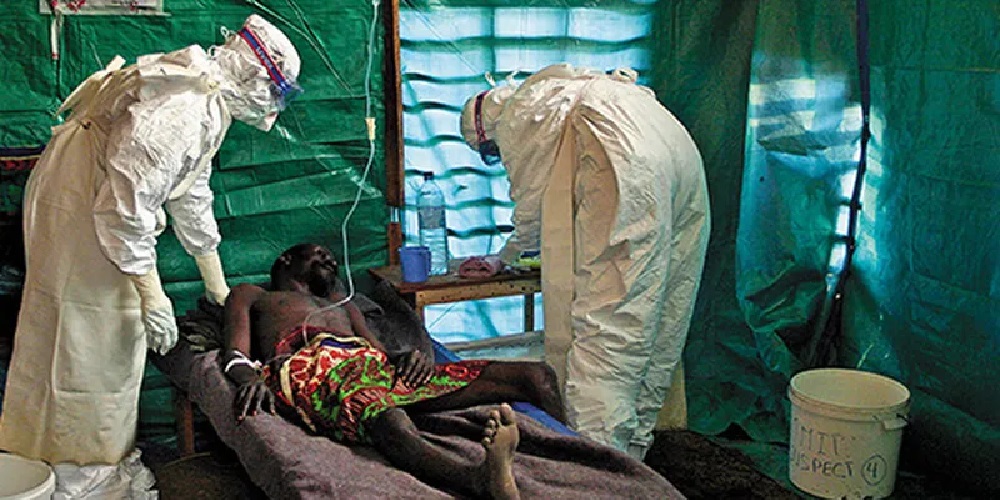
A team from Doctors Without Borders dons protective clothing and equipment as they prepare to treat Ebola patients in an isolation ward of Mbandaka Hospital in Congo. PHOTO: AP
Nigerians have been advised to avoid all but essential trips to Uganda and other countries with confirmed Ebola Virus Disease (EVD) cases.
The advisory followed the January 30 confirmation of the outbreak of the Sudan strain of Ebola virus in Wakiso, Mukono and Mbale City by the Ugandan Ministry of Health.
“Ugandan health authorities are currently tracking 44 contacts to curb further spread,” Idris said.
Swinging into action, the Director-General of the Nigeria Centre for Disease Control and Prevention (NCDC), Dr. Jide Idris said the agency was reinforcing surveillance at entry points, updating emergency response plans and expanding diagnostic capacity in key laboratories.
He however clarified that Nigeria has no recorded cases.
He disclosed that in response to the development, the NCDC has: “Updated its EVD emergency contingency plan. Increased screening at points of entry, particularly international airports.
“Optimised diagnostic capacity for EVD testing in designated laboratories and mobilised Lassa fever testing laboratories, which can be scaled up for Ebola testing if needed.”
The director Director general of NCDC assured Nigerians that proactive steps were being taken to mitigate any risk of an outbreak.
“While there is no immediate cause for panic, we must remain vigilant. The Ebola Sudan strain has no approved vaccine, making early detection and containment critical,” he said.
He urged Nigerians to adhere to the following preventive measures:” Practice good hand hygiene – wash hands regularly with soap and water or use hand sanitisers.
“Avoid contact with persons showing symptoms such as fever, weakness, vomiting, and unexplained bleeding.
“Refrain from consuming bush meat, especially bats and primates.
“Seek immediate medical attention if experiencing symptoms after travelling to an affected country.”
Additionally, he advised health workers to maintain a high index of suspicion, use personal protective equipment (PPE), and report suspected cases immediately.
In the travel advisory yesterday, Dr. Idris noted that while the World Health Organisation (WHO) has not imposed travel restrictions on Uganda, anyone returning from affected areas within the last 21 days who develops fever, muscle pain, sore throat, diarrhea, vomiting, stomach pain, or unexplained bleeding should immediately call 6232 or their state health hotline for assessment.
He advised such travellers to self-isolate and await response teams for further evaluation and possible transport to a treatment center.
The NCDC boss said the public health advisory became necessary because EVD has a 25-90% fatality rate and spreads through contact with infected bodily fluids, contaminated objects, and wild animals like bats, chimpanzees, and monkeys.
Besides, he stressed that while vaccines exist for some strains of the Ebola virus, the approved vaccine for the Zaire strain is not currently available in Nigeria and does not protect against the Sudan strain responsible for the outbreak in Uganda.
Given this, he urged Nigerians to practice good hygiene, avoid bush meat and report symptoms immediately to prevent potential outbreaks.
He also advised healthcare workers to maintain a high index of suspicion, enforce strict isolation for suspected cases, adhere to infection control protocols, and report immediately to health authorities.
Beyond Ebola, Idris said that the country is currently battling outbreaks of Lassa fever, meningitis, diphtheria, Mpox, measles and anthrax.
Idris assured that the NCDC will continue to enhance surveillance, expand diagnostic capacity, and coordinate with global health organisations.











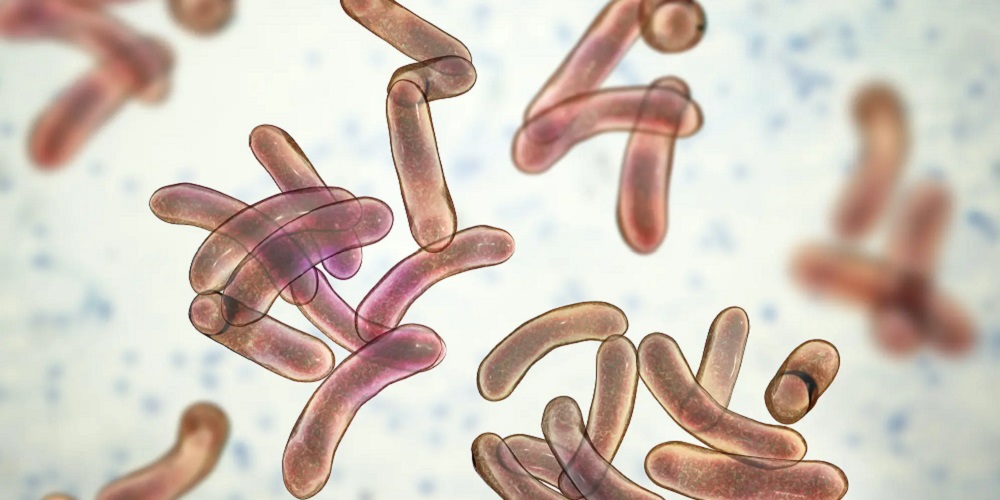
Two inmates have died following a cholera outbreak at the Kurmawa Medium Security Custodial Centre in Kano State, the Nigerian Correctional Service has said.
The NCoS said the outbreak was confirmed through laboratory tests on September 23 by its medical team and Kano State public health authorities.
In a statement issued on Saturday by its spokesman, Chief Superintendent of Corrections, JN Osuji, the Service said the outbreak was first detected on September 17 after an inmate developed vomiting and diarrhoea.
“The inmate was immediately admitted and treated at the facility’s medical centre, while emergency medical protocols were activated the following morning as health workers intensified medical intervention and monitoring,” Osuji said.
According to the statement, one of the deaths occurred at the custodial centre, while the other was recorded at the Kano State Infectious Diseases Hospital.
The Controller-General of Corrections, Sylvester Ndidi Nwakuche, expressed condolences to the families of the deceased and directed that measures to protect inmates and personnel be sustained.
“The Service regrets that the outbreak claimed two lives; one at the facility and the other at the Kano State Infectious Diseases Hospital,” the statement said.
The NCoS said its coordinated interventions had brought the outbreak under control, adding that no further deaths had been recorded since the diagnosis.
It said additional preventive measures had also been introduced in collaboration with the Kano State Government to reduce the risk of another outbreak.
The service added that continuous disease surveillance, early detection and prompt medical intervention were being strengthened across custodial facilities.
Nwakuche also directed a team of senior medical personnel from the Service’s National Headquarters to proceed to the facility for sustained monitoring.
“The Controller-General has further directed a team of senior medical personnel from the Service’s National Headquarters to proceed to the facility for sustained monitoring of the situation,” the statement added.
The service reassured the public that healthcare services remained available to inmates through qualified medical personnel and urged Nigerians to rely on verified information from official channels.

The death toll from the outbreak of Diphtheria in Plateau State has risen to 27 while suspected cases have hit 303.
The State Epidemiologist, Dr Maren Damulak , disclosed the figures while speaking with newsmen in Jos, the state capital on Wednesday.
This is just as the state government said it is making efforts to contain the outbreak of the disease.
He said most of the suspected cases were recorded in Jos North LGA, with Rikkos community identified as one of the worst-affected areas.
“As of today, the cases have increased from 149 to 303. The death has also increased from 23 to 27. The high cases of the disease are in Jos North. 99 % of the cases are in Jos North.”
“Most of the people that were affected were those that did not take diphtheria vaccine. Apart from Jos North, we also have few cases from other LGAs Children account for a significant proportion of those affected,” Damulak said.
The state government had last week ordered temporary closure of all public and private primary and secondary schools following the detection of suspected cases in Jos North, Jos South, Bassa and Wase Local Government Areas.
The measure, according to the government, was aimed at reducing transmission among students and school staff while health authorities strengthen surveillance and response activities.
Our correspondent reports that some patients are currently receiving treatment at the Jos University Teaching Hospital, JUTH, and Plateau State Specialist Hospital, PSSH, where isolation facilities have been provided.
In Jos North, the local government council has deployed additional logistics, including motorcycles, to enhance contact tracing, field surveillance and community outreach.
Governor Caleb Manasseh Mutfwang had on Monday directed the immediate mobilisation of drugs and other medical commodities to health facilities to combat the disease.
The Director-General of the Plateau State Drug and Medical Commodity Management Agency, PSDMA, Pharmacist Kim Jerry Bot, disclosed that government intervention was already ongoing at JUTH and PSSH.
Bot said the state government acted swiftly following reports of the outbreak, adding that efforts were underway to extend the support to other affected health facilities.
Meanwhile, the Executive Chairman of Jos North Local Government Council, Barrister John Kyohroh Christopher, on Wednesday urged residents to prioritise personal and environmental hygiene to help curb the spread of the disease.
Christopher spoke during an on-the-spot assessment of affected communities and a visit to some suspected patients receiving treatment at the Primary Healthcare Clinic in Abba Na Shehu Ward.
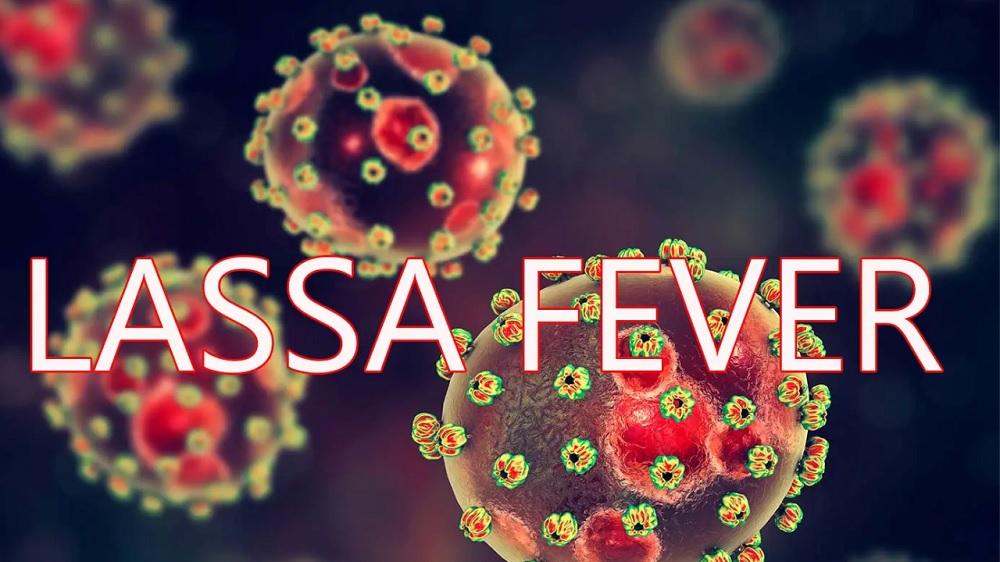
Nigeria has recorded 1,035 confirmed cases of Lassa fever and 252 deaths across 23 states and 117 Local Government Areas (LGAs) in the first 33 epidemiological weeks of 2026, with the fatality rate rising to 24.4 per cent.
The latest Lassa Fever Situation Report of the Nigeria Centre for Disease Control and Prevention (NCDC), covering August 10 to 16, showed that the country recorded 14 new confirmed cases and two deaths during epidemiological week 33.
The 2026 cumulative figures represent an increase from the 854 confirmed cases and 159 deaths recorded during the same period in 2025, when the Case Fatality Rate (CFR) stood at 18.6 per cent.
According to the report, the 14 new confirmed cases recorded in week 33 were reported in Ondo, Edo, Bauchi and Benue States, representing a sharp rise from the four cases recorded in epidemiological week 32.
The NCDC said five states accounted for the overwhelming majority of confirmed infections in the country, with 87 per cent of all confirmed cases reported from Ondo, Bauchi, Taraba, Edo and Benue states.
Ondo State accounted for 33 per cent of the cases, followed by Bauchi with 25 per cent, Taraba 13 per cent, Edo 10 per cent and Benue six per cent. The remaining 13 per cent of cases were reported across 18 other states.
The report further indicated that people aged 21 to 30 years constituted the predominant age group affected, although confirmed cases ranged from one to 93 years, with a median age of 30 years. The male-to-female ratio among confirmed cases was 1:0.9.
The NCDC also disclosed that 54 healthcare workers have been affected by Lassa fever in 2026, although no new healthcare worker infection was recorded during week 33.
It said 12 patients were being managed at treatment centres during the reporting week, bringing the cumulative number of cases managed at treatment centres in 2026 to 783.
On contact tracing, the report said 2,007 contacts had been listed cumulatively, with 168 still under follow-up. A total of 1,836 contacts had completed follow-up, while 110 symptomatic contacts had been identified and 49 tested positive.
The NCDC said it had intensified interventions to contain the outbreak, including training healthcare workers, strengthening infection prevention and control measures, supporting active case search and contact tracing, and pre-positioning personal protective equipment and other supplies in health facilities.
It also said a 30-day Healthcare Worker Protection Plan had been developed to reduce infections among frontline health workers in endemic states, with support from the World Health Organisation and the US Centers for Disease Control and Prevention.
The agency said National Rapid Response Teams had also been deployed across seven high-burden states, while Incident Management Systems for Lassa fever had been activated in Benue, Plateau, Kebbi, Kano and Gombe states.
However, the NCDC identified late presentation of cases, poor health-seeking behaviour linked to the high cost of treatment, poor environmental sanitation, low awareness in high-burden communities and healthcare worker infections as major challenges to controlling the disease.
The agency urged states to sustain community engagement on Lassa fever prevention throughout the year, while advising healthcare workers to maintain a high index of suspicion, make timely referrals and commence treatment promptly, alongside strict adherence to infection prevention and control procedures.
The NCDC further called for stronger state capacity to prevent, detect and respond promptly to Lassa fever outbreaks.

Wike’s flashback on Amaechi: “I was his campaign DG in 2011, after that he has not won any election in Rivers”(Video)

Confusion As Abductors Of Oyo Corps Members Demand ₦50m Ransom For Each Victim
Wike tackles Amaechi: Account for $39m Hospital, N68bn Monorail, N10bn anti-malaria fumigation



-

 News15 hours ago
Court Denies KC Luxury Bail, Remands Influencer Over ₦39bn Cocaine Trafficking Allegation
-

 Metro16 hours ago
Edo APC Chairman Tenebe Sparks Outrage Over ‘AK-47 Fire’ Threat Against Tinubu Vote Opponents
-

 Metro16 hours ago
Fear grips RCCG Church members as pastor collapses, dies while preaching about sudden death
-

 News15 hours ago
Amaechi: I’ll Dump Atiku, Back Tinubu If Petrol Drops to ₦600 Per Litre
-

 News15 hours ago
Lagos University Workers Threaten Indefinite Strike Over Nine-Month Salary Arrears
-

 News13 hours ago
Nigeria at 66: TeeJay Yusuf Calls for Urgent Action to Tackle Hardship, Insecurity, Restore Hope
You must be logged in to post a comment Login