
Health
How Paw Paw Seeds Can Cure Male And Female Infertility


- /home/naijuinz/public_html/wp-content/plugins/mvp-social-buttons/mvp-social-buttons.php on line 27
https://naijablitznews.com/wp-content/uploads/2025/10/Paw-Paw-1000x600.jpg&description=How Paw Paw Seeds Can Cure Male And Female Infertility', 'pinterestShare', 'width=750,height=350'); return false;" title="Pin This Post">
- Share
- Tweet /home/naijuinz/public_html/wp-content/plugins/mvp-social-buttons/mvp-social-buttons.php on line 72
https://naijablitznews.com/wp-content/uploads/2025/10/Paw-Paw-1000x600.jpg&description=How Paw Paw Seeds Can Cure Male And Female Infertility', 'pinterestShare', 'width=750,height=350'); return false;" title="Pin This Post">


The tiny seeds are actually edible and have a strong flavor, like a cross between mustard and black peppercorns. In fact, they can be used as a substitute for black pepper.
The seeds are rich in phenolic and flavonoid compounds, protein, calcium, magnesium and phosphorus. They also exhibit strong antioxidant, anti-inflammatory, antiparasitic and antibacterial effects.
These value-packed seeds are enriched with a host of compounds, protein, calcium, magnesium and phosphorus. These black morsels are powerhouses of enzymes that are a natural remedy for promoting digestive health, destroying parasites, battling cancer, relieving inflammation, and detoxifying the liver.
How to Eat Papaya Seeds👇
Raw: The simplest option is to scoop out the seeds directly from the cut fruit and eat them along with the fruit.
Pounded: You can also collect all the seeds from a papaya and pound them using a mortar and pestle. The pounded seeds can be stored in a small jar in the refrigerator for about a week. You can also store them in the freezer so they last longer, and thaw them out before using them in salads, smoothies or soups.
Dried and ground into powder: Another option is to dry the seeds in the sun or using a food dehydrator. When dried, grind them into a powder form using a food processor. The powdered papaya seeds can be added to salads, smoothies and soups. You can also use powdered papaya seeds to season steak, chicken or pork before you cook the meat.
How Much of the Papaya Seeds to Eat in a Day👇
As papaya seeds are very rich in antibacterial properties, you must not consume them in excess or else it can cause side effects like diarrhea.
Limit yourself to no more than a total of 1 to 2 tablespoons of papaya seeds in any form each day. Actually, it is best to start with a small amount and gradually increase to 2 tablespoons.
1. Improves Digestive Health👇
The high amount of digestive enzymes in papaya seeds helps break down protein fibers and aids the natural digestion process.
As the seeds have antibacterial properties, they are effective against E.coli, salmonella and staphylococcus infections. Thus, the seeds can help combat food poisoning by killing the pathogens in your system that are causing the problem.
Also, the seeds help normalize the acidic environment in the intestinal tract, which is important for a healthy digestive system.
Eating 1 tablespoon of papaya seeds daily is all that you need to keep your digestive system working properly.
2. Fights Intestinal Parasites👇
Papaya seeds are rich in proteolytic enzymes that can help get rid of intestinal parasites. This enzyme helps break down protein in the body as well as the parasites and their eggs
A 2007 study published in the Journal of Medicinal Food reports that air-dried Carica papaya seeds are effective against human intestinal parasites without significant side effects. However, large-scale intervention studies are still needed.
Mix 1 to 2 teaspoons of papaya seed powder into 1 cup of warm milk or water. Drink it first thing in the morning on an empty stomach for 3 days to help clear a parasite infection.
3. Prevents Cancer👇
The phenolic and flavonoid compounds in the seeds offer high antioxidant properties that help slow the growth of tumor cells.
The phytonutrient isothiocyanate in papaya seeds, in particular, helps inhibit cancer as it reduces the activation of carcinogens and increases their detoxification.
See also What Eating Unripe Plantain Can Do For You that you may not know
The seeds can have potential anticancer effects against a broad range of tumors, including cancers of the breast, colon, lung, and prostate.
4. Reduces Inflammation👇
As with the papaya fruit, its seeds have powerful anti-inflammatory properties that help get rid of inflammation in the body.
the enzymes—papain and chymopapain – are key to reducing inflammation associated with conditions like arthritis, joint pain, gout and asthma.
you suffer from inflammation due to arthritis or gout,
eat at least 1 tablespoon of papaya seeds daily.
5. Detoxifies the Liver👇
Papaya seeds also help detoxify your liver and kidneys. They contain proteolytic enzymes that help reduce digestive load on the liver.
n fact, the seeds are considered beneficial for managing cirrhosis of the liver.
Grind some fresh papaya seeds to extract 1 tablespoon of juice.
Mix 10 drops of fresh lemon juice in it.👇
Drink this juice once or twice daily for 1 month to detoxify your liver. It can also help prevent and heal liver cirrhosis
Improves Fertility👇
Various study and decade-long research has shown that consuming papaya with the right dose of intake can greatly increase sperm production for a man. It works similarly for women also, where eating papaya seed can help to maintain woman’s fertility of the eggs. In Asia, especially in the southern parts, it is common to use to consume papaya seed whenever one desires to be fertile.
Stronger Bones👇
Papaya seeds are like any other fruit seeds are rich of protein and calcium. Taking regular intake of papaya seeds will bring health benefit for our body such as stronger bones and stronger muscles at the same time. This is due to the fact that our body needs to consume protein and calcium to grow bones and muscles, and those protein and calcium can be derived from consuming papaya and papaya seeds
Rich of Enzymes👇
Papaya seeds are rich with high levels of proteolytic enzymes that can help in getting rid of parasites residing in our body. The same strong enzyme can be found in papain also. Both of the enzyme’s source work the same way, both of them breaks down protein in our body and it may also break down parasites and their eggs.
Detox👇
Consuming papaya and papaya seeds will help in our body detox. Even just small amount or small portion of it, it will effectively help our body to detox and makes our body free from any kind of toxic that plagues our body.
Keeps The Bacteria Away👇
Even a small portion of papaya seed will help in preventing bacteria from multiplying and residing in our body. The bad bacteria that we do not want in our body such as e.coli can be easily killed by consuming papaya seeds. And to your surprise, papaya seeds is also good when you have food poisoning as it will help to keep the bacteria away and helps in detoxification.
Prevent Kidney Disease👇
As papaya seeds are healthy for our internal organs, professors from the University of Karachi has concluded that papaya seeds and its fruit can cure kidney disease and minimize the possibility of renal failure and work effectively for kidney poisoning case. Imagine some small seeds can cure such a complex health disorder.
Minimize The Risk of Cancer👇
The milky sap that papaya seeds produce are great to prevent cancer cells from growing due to the substance that it contains, acetogenin. There have been many studies shown that papaya seeds and papaya leaves are effective in battling cancer and preventing cancer from happening. Most people in Japan drink papaya leaf tea for prolonged period, and they add a little bit of papaya seeds on top of it to maintain a healthy body.
See also 2 causes of death during or after sexual intercourse
Remedy For Your Acne👇
Remember the acnes problem when your hormone are not stable? Well, that can be cured by consuming papaya seeds. If you are familiar with having acne, try to take papaya leaves and papaya seeds, blend them together and add some water. Apply the lotion to the acne-infected area, and leave it dry for few minutes. After 10 minutes, do not forget to wash off the residual of the lotion to make sure your acne are well-treated.
Minimize Menstrual Pain👇
Consuming papaya seeds is believed to ease the menstrual pain for women. It would be better if you mix it with papaya leave, add little honey to make it taste better. Let it chill for a while before drinking it. Because cold beverages are the best, especially the healthy ones.
Cure Dengue👇
Dengue are one of the most unpredictable and dangerous disease that are spread in most areas in Asia. Papaya seeds and papaya leaves can help to cure dengue as it will increase the level of your blood. It is best used to be consumed when dengue fever attacks.
Skin Problems👇
Papaya seeds will help your skin to be wrinkle-free and prevent aging. The nutrients inside papaya seeds can help your body and your skin to rejuvenate better as some of the nutrients from your body will not be easily regenerated by your own body as it gets older. By adding external sources like papaya seed, it will help in regenerating the old and dead skin cells hence maintain the beauty of your skin.
Increase Appetite For Food👇
Consuming papaya seeds daily will help to build your appetite as well. Papaya increase your vigor and vitality to your body.
Prevent Aging👇
Papaya seeds are rich with various amino acids such as glycine, leucine, etc that are good for your skin. It will help to minimize the effect of aging and in the long run it will help to prevent your skin from aging. This is great especially for those who really care about cosmetics, because the best cosmetics are from the Mother Nature.
Rich of Nutrients👇
Papaya as a fruit contains whole lot of nutrients that are used by our body to regenerate healthy and young cells and it will help our body in rejuvenating. Papaya seed, especially contains almost 80% of the nutrients that our body consume. Hence, it goes without saying that consuming papaya seed is one of the best yet simple treatment that we can do to help our body stay healthy and young.
Cure Eye-Disorder👇
Papaya seeds surprisingly can cure disease related to our eyes as well. Papaya seeds and papaya leaves help in regenerating the cells and providing nutrients needed by our eyes to stay healthy and to recover from any eye-related diseases such as cataracts.


The Nigerian Association of Resident Doctors (NARD) has issued a 21-day ultimatum to the Federal Government to start implementing a national framework for the protection of healthcare workers, following a growing wave of attacks on medical personnel across the country.
NARD issued the ultimatum at a press briefing to end its Ordinary General Meeting (OGM), which took place in Kano. It also declared an industrial dispute with the government over 14 unresolved demands affecting the health sector.
According to the union’s president, Mohammad Suleiman, the rising cases of assault, intimidation, harassment and violent attacks on doctors pose a serious threat to Nigeria’s already fragile healthcare system.
“The OGM observed with grave concern the disturbing rise in cases of assault, harassment, intimidation and violent attacks against doctors across the country while discharging their professional duties.”
Suleiman described the trend as “barbaric, unacceptable and a dangerous threat” to the survival of the health system.
As part of its resolutions, the association demanded the immediate investigation, arrest, and prosecution of perpetrators of attacks on health workers, while urging the government and security agencies to strengthen protection for medical personnel and facilities nationwide. He further added that,
“Consequently, the OGM gives the Federal Government a 21-day window to commence concrete actions towards the development and implementation of a National Healthcare Workers Assault Prevention and Response Protocol, as well as the initiation of the necessary legislative process to address this menace.”
These include the immediate release and payment of the 2026 Medical Residency Training Fund (MRTF), which the association noted remains unpaid despite repeated assurances.
“The OGM demands the release and payment of the 2026 Medical Residency Training Fund to all eligible resident doctors nationwide within the next 21 days,” Suleiman said.
The association also demanded payment of outstanding 25/35 per cent CONMESS arrears, settlement of 19 months of unpaid professional allowance arrears, and clearance of salary and promotion arrears across federal and state health institutions.
It called for correction of discrepancies in professional allowance payments made in May 2026 and settlement of all related arrears.
Welfare and Recruitment Concerns
NARD raised concerns over worsening welfare conditions for house officers, including salary delays, unpaid arrears, and challenges in internship placement and onboarding.
It also demanded full implementation of outstanding provisions in the Medical and Health Workers’ Collective Bargaining Agreement (CBA) and urged government action on excessive workload, prolonged call-duty hours, casualisation of doctors, and abusive locum appointments.
Suleiman criticised delays by the Federal Character Commission (FCC) in issuing compliance letters, saying it has stalled recruitment and worsened manpower shortages in the health sector.
“The OGM demands the immediate issuance of a letter of compliance by the Chairperson of the FCC within the next 21 days to facilitate employment of healthcare workers and avert further worsening of the brain drain crisis,” the NARD chief said.
The association also called on federal and state tertiary health institutions to urgently address welfare, remuneration, infrastructure, and staffing challenges.
It specifically highlighted unresolved disputes at the Obafemi Awolowo University Teaching Hospitals Complex (OAUTHC), Ile-Ife, and the Lagos University Teaching Hospital (LUTH), including provision of call meals and alleged victimisation of doctors.
Industrial Dispute Declared
While commending the governors of Osun and Kano states, Ademola Adeleke and Abba Kabir Yusuf, respectively, for interventions in the health sector, NARD warned that failure to meet its demands could trigger further industrial action.
“The Association hereby declares an industrial dispute with the Federal Government on the outlined matters above and cannot guarantee industrial harmony after the 21-day window,” it said.
He added that the association’s National Officers Committee would engage stakeholders during the ultimatum period, after which the National Executive Council would determine the next line of action.

For many Nigerians, the arrival of the rainy season brings relief from the scorching heat that characterises the dry months. Farmers look forward to improved crop yields, reservoirs begin to fill up, and residents enjoy cooler temperatures. But alongside these benefits comes a familiar challenge: a rise in illnesses that thrive during the wet season.
Across communities, hospitals and clinics often record increased cases of malaria, typhoid fever, cholera, diarrhoea, respiratory infections and skin diseases. Heavy rainfall frequently leads to flooding, stagnant water, poor sanitation and contamination of food and water sources, creating ideal conditions for disease outbreaks.
In separate chats with Weekend Trust, health experts said that while these illnesses may be common during the rainy season, they are largely preventable when individuals and communities adopt the right coping mechanisms.
Godwin Ekuwke, a medical practitioner at the Kubwa General Hospital, said the key lies in prevention rather than treatment.
“The rainy season does not have to become a season of sickness. Most of the illnesses we see during this period can be prevented through environmental cleanliness, good hygiene and timely medical attention. Communities must understand that prevention is always cheaper and more effective than treatment,” he said.
Experts stress that awareness remains one of the strongest weapons against seasonal diseases. Knowing the health risks associated with the rains can help families take proactive measures before illnesses strike.
Malaria: The most common threat
Malaria remains the most widespread illness during the rainy season. The disease is transmitted by female anopheles mosquitoes, which breed rapidly in stagnant water found in blocked gutters, abandoned containers, potholes and flood-prone areas.
With increased rainfall creating numerous breeding sites, mosquito populations often soar.
Grace Jegede, a public health physician, explained that many malaria cases could be avoided if people paid greater attention to environmental sanitation.
“When rainwater accumulates around homes, it creates perfect breeding grounds for mosquitoes. Residents should ensure that gutters are cleared, water containers are covered, and stagnant water is removed from their surroundings,” she advised.
She further encouraged the consistent use of insecticide-treated mosquito nets.
“Sleeping under treated mosquito nets remains one of the most effective methods of preventing malaria. Families should make it a routine practice, particularly for children and pregnant women who are more vulnerable to severe complications,” she said.
Jegede also warned against self-medication whenever fever develops, saying, “Not every fever is malaria. People should seek a proper diagnosis at health care facilities before taking medication. Early test leads to accurate treatment and reduces complications.”
Health workers say residents can further reduce their risk by wearing protective clothing during the evening hours and using approved mosquito repellents where necessary.
Waterborne diseases lurking in floodwaters
As floodwaters spread through communities during heavy rainfall, another set of health threats emerges. Contaminated water sources often become breeding grounds for dangerous diseases, such as cholera, typhoid fever and acute diarrhoea.
Many outbreaks occur when sewage, refuse, and floodwaters mix with drinking water sources.
A community health practitioner, Dr Aliyu Isah, described water contamination as one of the biggest public health concerns during the rainy season.
“Floodwater carries bacteria, viruses and other harmful organisms into wells, streams and storage containers. Once people consume contaminated water, outbreaks can occur very quickly,” he explained.
To prevent infection, he urged households to prioritise water safety. “Whenever the quality of water is uncertain, it should be boiled before drinking. Water purification tablets and filtration systems can also help. Equally important is keeping storage containers covered at all times,” he advised.
Hand hygiene also plays a significant role in reducing disease transmission.
“Regular hand-washing with soap and clean water before meals and after using the toilet can dramatically reduce cases of diarrhoeal diseases. It is one of the simplest but most effective public health interventions,” he added.
Dr Benjamin Olayiwola, another medical doctor, noted that typhoid fever often increases during periods of poor sanitation.
“People must pay attention to food hygiene. Fruits should be washed thoroughly, meals should be freshly prepared and food should only be purchased from hygienic environments. Prevention begins with the choices we make every day,” Olayiwola said.
He cautioned against indiscriminate use of antibiotics, saying, “Many people treat themselves without proper diagnosis. This can worsen antibiotic resistance and make infections more difficult to manage in the future.”
Respiratory, skin infections on the rise
The rainy season also creates conditions that favour respiratory illnesses, such as common cold, influenza, bronchitis and pneumonia.
Frequent exposure to cold weather, damp clothing and overcrowded indoor environments often contributes to the spread of infections.
According to Dr Amina Abudullahi, a consultant physician, maintaining a healthy immune system is crucial during this period.
She said, “When people spend prolonged periods in wet clothing or poorly ventilated environments, they become more vulnerable to respiratory infections. Staying warm, maintaining good nutrition and practising personal hygiene can significantly reduce the risk.”
She encouraged residents to consume balanced diets rich in fruits and vegetables.
“The body needs adequate nutrients to fight infections. A healthy diet, proper hydration and sufficient rest are important protective measures during the rainy season,” she added.
In addition to respiratory illnesses, skin conditions also become more common.
A dermatologist, Chukwuemeka Ada, said fungal infections frequently increased because of persistent moisture.
“We often see more cases of fungal infections affecting the feet, skin folds and other parts of the body during the rainy season. Moisture creates an environment where fungi thrive,” she said.
She advised residents to maintain proper skin care habits: “After exposure to rain or floodwater, individuals should wash with clean water and soap and dry their skins thoroughly. Footwear should also be kept clean and dry to prevent fungal growth.”
Ada added that cuts and wounds should never be ignored, explaining, “Even small injuries can become infected if they are not cleaned properly. Prompt treatment can prevent more serious complications,” she said.
Prevention remains the best medicine
While health care facilities play an important role in treating illnesses, experts agree that prevention remains the most effective strategy.
Across Nigeria, communities are encouraged to embrace environmental sanitation initiatives aimed at reducing disease risks during the rainy season.
Dr Jegede stressed that collective action is essential. She said, “Individual efforts are important but community participation produces greater results. When residents work together to clear drainages, dispose of waste properly and eliminate stagnant water, everyone benefits.”
Health practitioners also recommend that households prepare basic emergency supplies, including oral rehydration salts, antiseptics, soap, clean drinking water and first-aid materials.
Parents are advised to monitor children closely for symptoms, such as fever, diarrhoea, persistent cough, breathing difficulties or unusual weakness and seek medical care promptly.
Ekuwke believes that public education must continue throughout the rainy season.
“People need consistent reminders about hygiene, sanitation and disease prevention. Awareness saves lives because informed individuals are more likely to take preventive action,” he said.
For vulnerable groups such as pregnant women, infants, elderly persons and those living with chronic illnesses, extra caution is necessary.
“These groups often suffer the most severe consequences when infections occur. Early medical attention can make a significant difference,” he noted.
As the rains continue to fall across the country, experts insist that Nigerians should not view seasonal illnesses as inevitable. With proper sanitation, safe drinking water, mosquito control measures, healthy living habits and prompt medical attention, many rainy season diseases can be prevented.
“The rains should bring growth and renewal, not sickness and suffering. When communities embrace preventive measures, they protect not only themselves but also their neighbours,” Dr Abudullahi said.
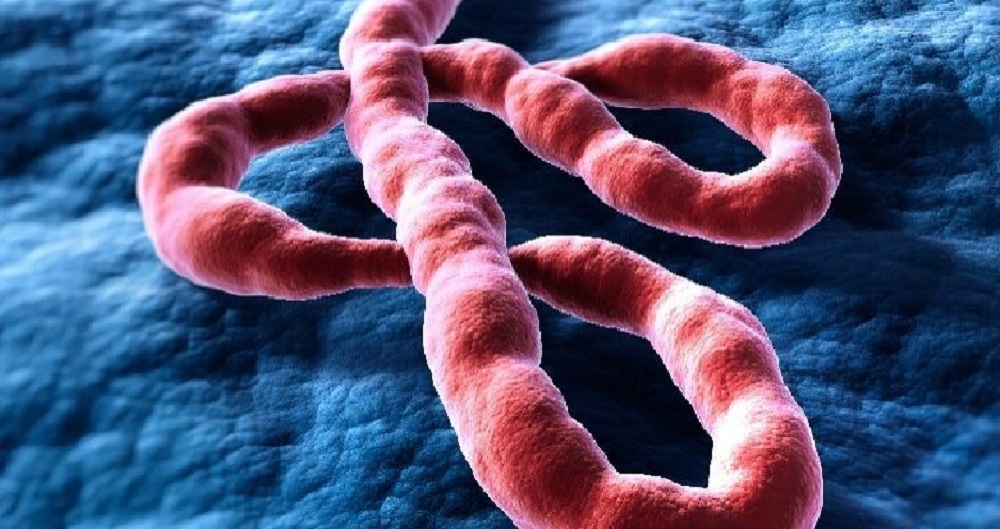
The Federal government has intensified border screening, disease surveillance and emergency response measures nationwide as part of efforts to prevent the possible importation of the Bundibugyo strain of Ebola Virus Disease (EVD), currently circulating in parts of East and Central Africa.
The Federal Ministry of Health and Social Welfare, in a statement on Tuesday by its Assistant Director of Press and Public Relations, Ado Bako, said it has activated enhanced preparedness protocols across the country, including stricter screening procedures at airports, seaports and land borders.
According to the Ministry, arriving travellers are now subject to temperature checks using infrared thermal scanners and handheld thermometers, while health declaration forms, travel history assessments and risk-based screening procedures are being reinforced at designated points of entry.
The Ministry also disclosed that isolation, secondary screening and referral mechanisms have been strengthened for travellers showing symptoms consistent with viral haemorrhagic fevers.
It added that coordination has been expanded among immigration, aviation, maritime and border management agencies to improve early detection and response.
The heightened measures have become imperative following reports of outbreaks of the Bundibugyo ebolavirus disease in parts of the East and Central African region, raising concerns about the risk of cross-border transmission.
Despite the alert, the Ministry reassured Nigerians that there is currently no confirmed case of Ebola Virus Disease in the country.
As part of surveillance efforts, the Ministry said Integrated Disease Surveillance and Response (IDSR) activities have been strengthened nationwide, alongside expanded community-based and event-based surveillance systems.
It said public health alerts and rumours are being actively monitored and investigated, while continuous epidemiological assessments are being conducted in collaboration with regional and international health partners.
To boost emergency response readiness, the Ministry said specimen collection and transportation systems for viral haemorrhagic diseases have been enhanced, while laboratory biosafety and biosecurity measures are being reinforced.
Public Health Emergency Operations Centres have also been placed on alert, with Rapid Response Teams at national and sub-national levels ready for deployment if necessary.
Healthcare facilities have been directed to maintain a high index of suspicion for viral haemorrhagic fevers, strengthen triage systems, promptly isolate suspected cases and comply with established reporting procedures.
The Ministry added that healthcare workers, surveillance officers and other frontline personnel are undergoing continuous preparedness training, while infection prevention and control measures are being reinforced in health facilities nationwide.
It urged Nigerians to remain calm, avoid misinformation and rely only on information from recognised public health authorities.
Members of the public were advised to maintain regular hand hygiene, avoid contact with bodily fluids of symptomatic persons, refrain from handling dead animals or bushmeat from unknown sources, and promptly report unusual illnesses or deaths to the nearest health authority.
The Ministry assured it would continue to monitor developments closely and provide updates as necessary.

Retired Major General Dies in Bandits’ Captivity Despite Rescue Efforts

APM 2027 Race Takes Dramatic Turn as Waziri Gains Edge Over Makinde

Three years after : Senator Manu’s unequalled constituency outreach that cuts across Taraba Central (Photos )




-

 Sports13 hours ago
Just in: Thomas Partey to miss Ghana’s World Cup opening match
-
 Metro13 hours ago
Sad democracy Day as bandits kill 17 farmers in Zamfara
-

 Entertainment13 hours ago
“Do Not Ever Use My Music” – Ariana Grande Slams The White House For Using Her Song
-

 News13 hours ago
2027: We’re Focused On Taking Aso Rock – NDC Dismisses ‘Crisis’ Reports
-

 Entertainment13 hours ago
Veteran Nollywood Actor Is Dead
-

 News13 hours ago
Gombe Rep Yaya Bauchi Tongo dies
-

 News13 hours ago
Uzodinma Releases N300 Million Support For South Africa Returnees, Imo Law Students
-
 Politics13 hours ago
Anambra APC sets up reconciliation committee, ratifies expulsion of seven members