
Opinion
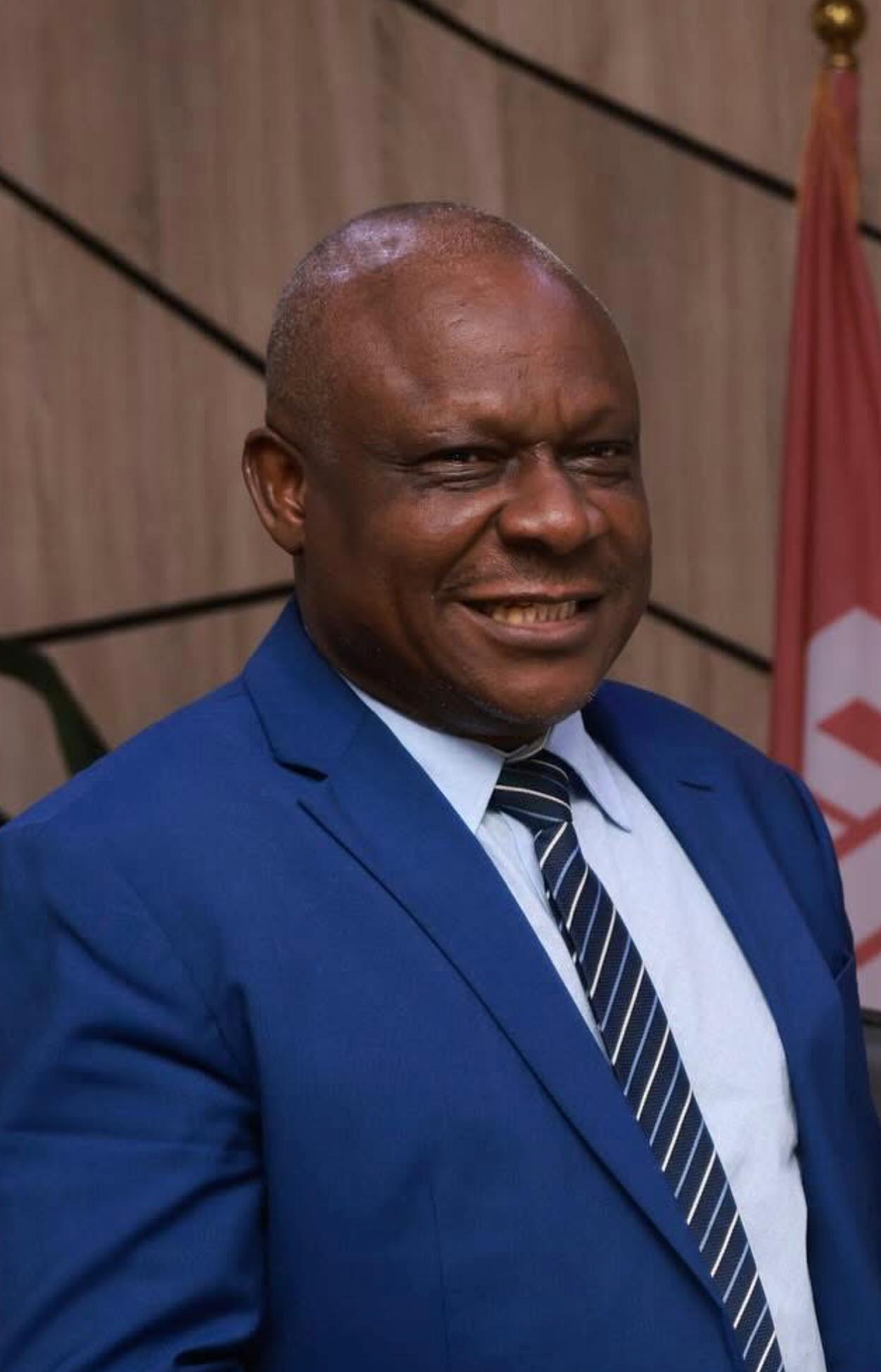
Leasing for Progress: Modernising Nigeria’s Public Procurement, By Sufuyan Ojeifo




A modern government demands modern tools. In Nigeria’s push for efficient service delivery, integrating equipment leasing into the national procurement framework marks a shift from heavy upfront capital spending to smarter, flexible asset management.
Through a Memorandum of Understanding signed in October 2025, the Bureau of Public Procurement (BPP) and the Equipment Leasing Registration Authority (ELRA) are harmonising the Public Procurement Act 2007 and the Equipment Leasing Act 2015 to create a transparent pathway for lease transactions across Ministries, Departments, and Agencies.
For decades, procurement of high-value assets like hospital equipment, ICT infrastructure, and transport fleets strained annual budgets and delayed projects. Leasing offers a practical fix. It lets MDAs use critical equipment through predictable periodic payments, preserving budget flexibility and speeding up service delivery.
As ELRA Registrar/CEO Donald Wokoma put it, the partnership is “a new era in Nigeria’s public procurement framework, one that promotes transparency, efficiency, and fiscal prudence”. He added that the collaboration “will reduce fiscal pressure on government budgets, enhance service delivery, and improve asset management, aligning with the Renewed Hope Agenda and Nigeria’s drive toward economic diversification and sustainable growth”.
The model also fits operational reality. Technology becomes obsolete fast. Leasing allows MDAs to upgrade at the end of a cycle, with maintenance and insurance often built into agreements. That cuts administrative burden so hospitals, schools, and transport agencies can focus on core mandates instead of equipment upkeep.
BPP Director-General Dr. Adebowale Adedokun described the MoU as “timely and strategic”. He noted that “leasing offers a sustainable financing mechanism that enhances service delivery while safeguarding public resources”, and stressed that “by working with ELRA, we are ensuring that leasing transactions in the public sector are transparent and deliver real value for money”. 86dd
Enforcement is built in. Possession of an ELRA registration certificate is now mandatory for all leasing firms engaging with public institutions. BPP will not issue a Certificate of No Objection for any lease arrangement not duly registered with ELRA. This closes the gap for unregistered operators and protects public funds.
Capacity building underpins the reform. Both agencies will develop policy guidelines and standard documents, train procurement officers across MDAs, integrate ELRA’s registration system into the procurement workflow, and pilot leasing projects in health, education, transport, agriculture, and ICT.
This is more than a procurement tweak. It’s an evolution in public financial management. Leasing stretches public funds further, supports simultaneous project execution, and ensures institutions access equipment that meets modern efficiency and safety standards.
Under Dr. Adedokun’s leadership, BPP is pushing reforms that align Nigeria with global best practices. For ELRA, the partnership amplifies its mandate to regulate, promote, and develop the leasing industry.
By embedding leasing into procurement, Nigeria takes a practical step towards the Renewed Hope Agenda: a government that thinks ahead, manages resources wisely, and builds systems that deliver lasting benefit. The real win is quiet but strategic—expanding opportunity and strengthening the state’s capacity to meet citizens’ needs without breaking the budget.
■ Sufuyan Ojeifo is a journalist, publisher, and communication consultant.

Beneath the war of words over Anambra’s books lies a more important question than who borrowed what: are the people of the state better off?
By Osamhanze Idahosa
Anambra politics is rarely short of drama, but the latest exchange between Governor Chukwuma Charles Soludo and his predecessor-but-one, Peter Obi, has turned the state’s balance sheet into a public battleground. What began as a quarrel over figures has reopened a question that has trailed the state for more than a decade: what exactly did Mr Obi leave behind when he handed over power in March 2014, and what should properly count as debt, assets, liabilities and available resources?
At first glance, the dispute looks simple. The Soludo administration says it inherited loans and other obligations from previous governments, including Mr Obi’s, and is still servicing some of them. Mr Obi insists he neither borrowed commercially nor issued bonds on the state’s behalf, and that he left Anambra in robust financial health. The details, however, demand far more nuance than either side’s political messaging allows.Speaking through the Commissioner for Finance, Izuchukwu Okafor, and the Commissioner for Information, Dr Law Mefor, the state government says it is still servicing obligations traced to the Obi years. Citing Debt Management Office figures, it says eight external facilities contracted between 2007 and 2013 carried a combined value of about $123.77 million, of which some $92.35 million remained outstanding as of 30 June 2026. It also points to salary arrears, including at the Anambra State Water Corporation, as liabilities it has had to clear.Mr Obi’s reply has been categorical. He says that in his eight years he never approached any financial institution for a loan or issued a bond on behalf of the state, and that he left office owing no salaries, pensions, gratuities or certified contractors. Far from leaving debts, he insists, he left behind substantial funds and investments.An old argument in new clothesNone of this is new. The debate over what Mr Obi handed to his successor, Willie Obiano, has followed him for more than a decade. About eight years ago, Chief Dan Ulasi argued on national television that although Mr Obi spoke of the bank balances he left behind, he also left liabilities large enough to require a clean-up. The argument resurfaces whenever the Obi model of prudence is held up for national admiration, and with Mr Obi now the 2027 presidential candidate of the Nigeria Democratic Congress, its return was always going to be louder.That context matters, but it should not distract us. This is not a personality clash between two of Anambra’s most prominent sons. It is a question of stewardship, accountability and responsibility, and the people of Anambra are entitled to a clear answer.Obi’s case: “wrong public accounting”Appearing on Arise Television’s Prime Time on Thursday, Mr Obi dismissed the state government’s figures as “wrong public accounting”. His argument has three parts.First, the facilities in question were not loans he sought. They were concessionary development programmes, largely backed by the World Bank and the International Fund for Agricultural Development, negotiated by the Federal Government and extended to participating states through subsidiary arrangements.
Second, they were multi-year facilities, and not all of the money was drawn down before he left office; he should not be charged for sums disbursed under his successors. Third, even on the worst-case figure, he says he left behind more than $150 million earning about $10 million a year. Had successive administrations preserved those investments and applied the income to the debt, he argues, the loans would have been retired by now, with the capital still intact.On the Water Corporation arrears, he contends that the corporation’s workers were never on the state government’s payment schedule.Obi did not walk into a bank. But the state he governed signed on to obligations that outlived his tenure.The question neither side has fully answeredMr Obi’s distinction between applying for a loan and joining a federally negotiated facility is real, but it is thinner than it sounds.
Under Nigeria’s on-lending arrangements, states that join such programmes typically sign subsidiary agreements and bear the repayment, which is deducted at source from their federal allocations. That is precisely what the state government says is happening today.That raises the question that most deserves an answer: could Anambra have declined? If the state could have said no, then accepting those facilities was a decision taken on Mr Obi’s watch, however worthy the projects. If it genuinely could not, then the obligations were imposed without meaningful consent, and that should have been placed on the public record at the time rather than relitigated twelve years later. Either way, the liability sits on Anambra’s books, and Anambra’s taxpayers are paying for it.Yet the Soludo administration’s framing also flattens important distinctions. Concessionary development finance, with long tenors and low interest and tied to agriculture, water or community projects, is not the same as commercial borrowing to pay salaries or build white elephants.
Labelling it “Obi’s debt” is its own form of political accounting. And if portions were drawn down after 2014, those portions belong in the ledgers of the administrations that drew them and decided how to spend them.There is also a question for Mr Obi’s successors. If he did leave savings and investments on the scale he claims, what became of them? Were they sold, drawn down or left to erode? Mr Obi’s counterfactual holds only if we know what happened to those assets, and that is an account the state, not Mr Obi, is best placed to give.Loans are not the enemy, and thrift is not a virtue in itselfIt is worth stepping back from the arithmetic. Borrowing is not necessarily bad governance, and avoiding debt is not necessarily good governance. A government can sit on healthy cash balances while roads crumble, hospitals run out of drugs and young people leave in search of work.
Another can borrow sensibly for assets that pay for themselves many times over. The real test of any naira borrowed or saved is what it bought, and whether it improved the lives of the people in whose name it was raised.For a state still crying out for roads, erosion control, reliable water, industrial growth and jobs, the true measure of performance cannot be a debt figure or a bank balance at handover. It is whether the people are better off than they were when a government met them.Where the truth liesThe truth, as it so often does, lies somewhere in between. Mr Obi did not walk into a bank to borrow, but the state he governed took on obligations that outlived his tenure, and it is fair to ask him to own them. The Soludo administration is servicing real liabilities, but branding them one man’s personal debt on the eve of a presidential season serves politics more than clarity.The way forward is transparency, not duelling press statements. The state should publish the relevant loan agreements, drawdown schedules and repayment records, alongside a full account of the funds and investments handed over in 2014 and what became of them. An independent reconciliation, whether by the state’s Auditor-General or a credible external panel, could settle in months what twelve years of television appearances have failed to settle.Until then, the people of Anambra remain where Nigerian citizens too often find themselves: caught between competing claims, footing the bill, and still waiting to be told the whole truth.
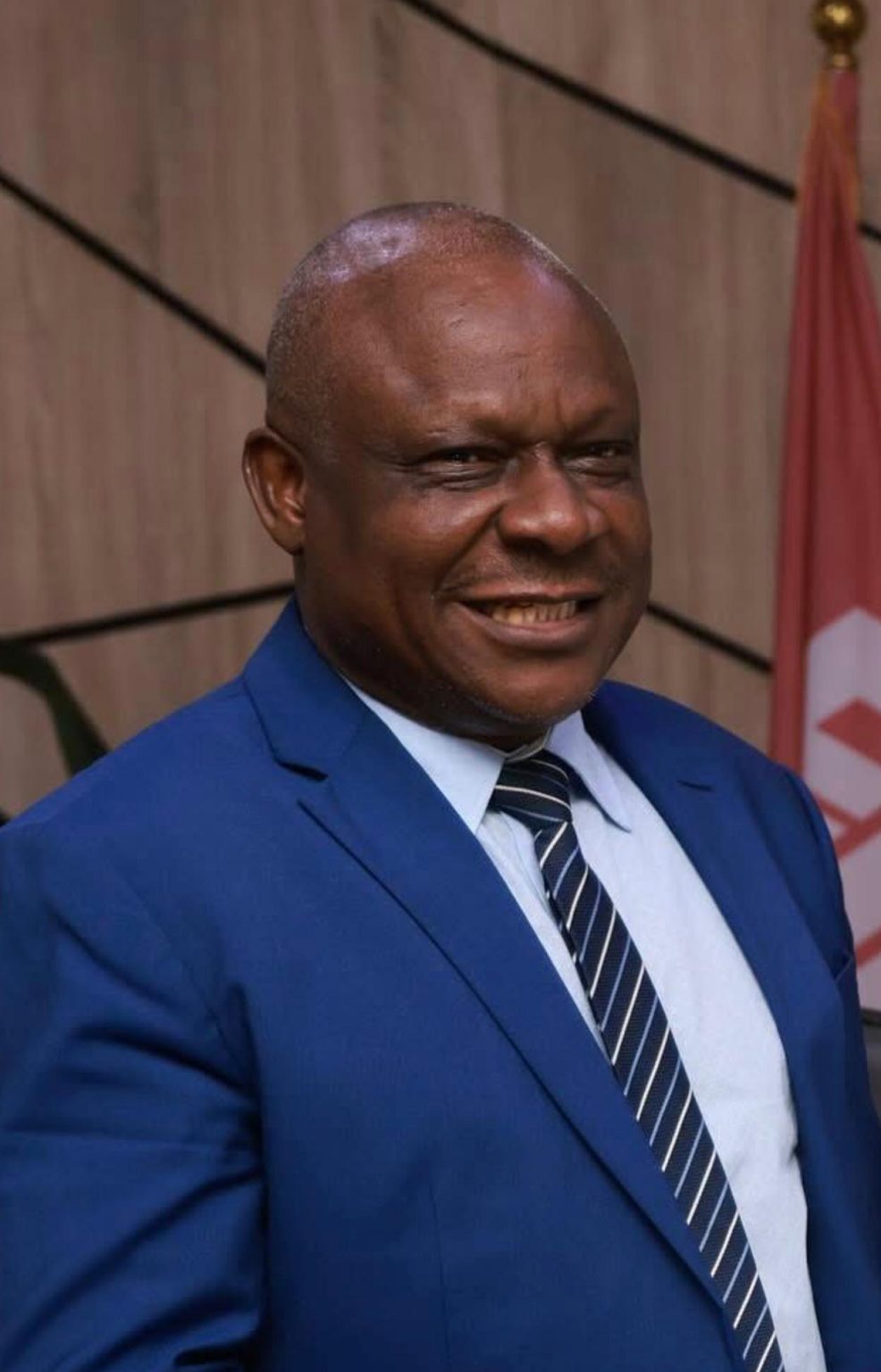
By Dr Idahosa Oshamanze
Walkouts, open contempt and a Security Council frozen in 1945 are turning the world’s peace forum into a talk shop.
Reform must begin with the powerful — and with learning to listen.By Osamhanze IdahosaOn Thursday, as Israeli Prime Minister Benjamin Netanyahu approached the rostrum of the 81st United Nations General Assembly in New York, scores of delegates rose and filed out of the hall, answering a call by the Palestinian mission for a collective walkout. Those who remained heard him dismiss the departed as “moral cowards.” Whatever one thinks of the war in Gaza — and there is a great deal the world must think hard about — the scene captured something deeply troubling about the state of the world’s foremost forum for dialogue: very few people came to listen.
The walkout has become a General Assembly ritual. It happened when the same leader spoke at the 80th session last year, and delegations have staged it against other speakers before him. As a form of protest, it is legitimate. But we must ask what it achieves. The delegates who leave register their disapproval; the speaker gets a defiant clip for his audience at home; and the hall is emptied of the one thing the United Nations exists to supply — a room in which adversaries are obliged to hear one another out.The UN was not built for friendsFriends do not need a United Nations.
The organisation was founded in 1945, from the ashes of a world war, precisely so that nations who distrust and even despise one another would have a place to talk before they fight, and a place to keep talking while they fight. Czech President Petr Pavel put it well this week when he described the UN as indispensable, above all as a forum for dialogue between adversaries. When that forum becomes a theatre of avoidance, where leaders deliver speeches written for domestic audiences and walk out on everyone else’s, it is fair to ask whether the institution can still do the job for which it was created.Contempt from the topThe disrespect is not limited to empty seats. From the same podium, Argentina’s President Javier Milei accused the UN of failing to guarantee collective security. The United States, the organisation’s host and historically its largest funder, has paid only part of the nearly $4 billion it owes; its August payment of $725 million was reportedly calculated to be just enough to keep its vote in the General Assembly. Across several capitals, UN organs — from human rights bodies to international courts — are spoken of with open scorn whenever their findings prove inconvenient.When powerful nations treat the UN with contempt, they send a clear message to everyone else: the rules are for the weak. An institution draws its authority from the respect of those with the power to ignore it. Once that respect is withdrawn, its resolutions become mere suggestions, and its annual gathering becomes exactly what cynics have long called it — a talk shop and a diplomatic jamboree.Seek first to understandStephen Covey, in his seminal book The 7 Habits of Highly Effective People, offered counsel that world leaders would do well to heed. His fifth habit is simple to state and difficult to practise: seek first to understand, then to be understood. Covey observed that most people listen to reply, not to understand. That is precisely the disease of modern diplomacy.Every conflict has at its heart a set of grievances, fears and interests that each side experiences as real, whether or not the other side accepts them. No negotiation can resolve what it refuses to hear. Listening is not endorsement. Staying in the hall to hear an adversary’s case is not agreeing with it; it is gathering the information without which no settlement is possible. Walking out costs nothing. Listening is costly, uncomfortable and humbling — which is exactly why it is the beginning of peace. Until we hear ourselves out, mutual understanding of the issues at the heart of each conflict will remain out of reach.A 1945 structure in a 2026 worldIt would be unfair, however, to blame manners alone. The UN’s structure itself breeds the frustration that plays out in the Assembly hall. The Security Council, the only organ whose decisions bind member states, still has five permanent, veto-wielding members that reflect the victors of 1945. In his final address to the General Assembly as Secretary-General this week, António Guterres said plainly that this arrangement no longer represents the world, and he pointed to Africa — largely under colonial rule when the UN was founded — which still has no permanent seat. African leaders, including Kenya’s President William Ruto, pressed the same case again this week, as they have year after year.Meanwhile, talks on Council reform have been rolled over session after session — for the seventeenth time last year.
A Council that can be frozen by a single veto on Gaza, on Ukraine, or on the war between the United States and Iran cannot credibly claim to maintain international peace and security. Small wonder that frustrated nations take their protest to the one place where they can still be seen: the floor of the General Assembly, where they vote with their feet.What reform must look likeThe UN needs serious reform to restore dignity and respect to global institutions. That means enlarging the Security Council to give Africa permanent representation and the Global South a fair voice. It means restraining the veto, beginning with a commitment by the permanent members not to use it in situations of mass atrocity, and building on the Assembly’s existing requirement that any veto be explained before the full membership. It means paying dues fully and on time, so the organisation is not held hostage by its own funders. It also means giving General Assembly resolutions real follow-up mechanisms, so the world’s collective voice is not simply recorded and forgotten.The onus is on the powerfulHere lies the uncomfortable truth: reform is a gift only the powerful can give. Under Article 108 of the UN Charter, any amendment must be ratified by two-thirds of member states, including all five permanent members of the Security Council. The framework for reform, inclusivity and the democratisation of the UN and its organs must therefore be set by the very nations that benefit most from the present arrangement.They should do so not out of charity, but out of self-interest. A UN seen as illegitimate serves no one — not even the powerful. The alternative to a reformed multilateral order is not a world run by the strong; it is a world of rival blocs, unchecked wars and crises that no single nation, however mighty, can contain alone.The United Nations can still fulfil its purpose. But it will do so only when its members, great and small, return to the room, stay in their seats and do the hardest thing in diplomacy: listen. Peace has never been made by people who refused to hear each other out.Osamhanze Idahosa, Vice President, Africa Development Studies Center (ADSC).
Opinion
STOP DIALING AROUND US IN THE MINISTRY OF FOREIGN AFFAIRS: Nigeria Is Hospitable, Not Helpless

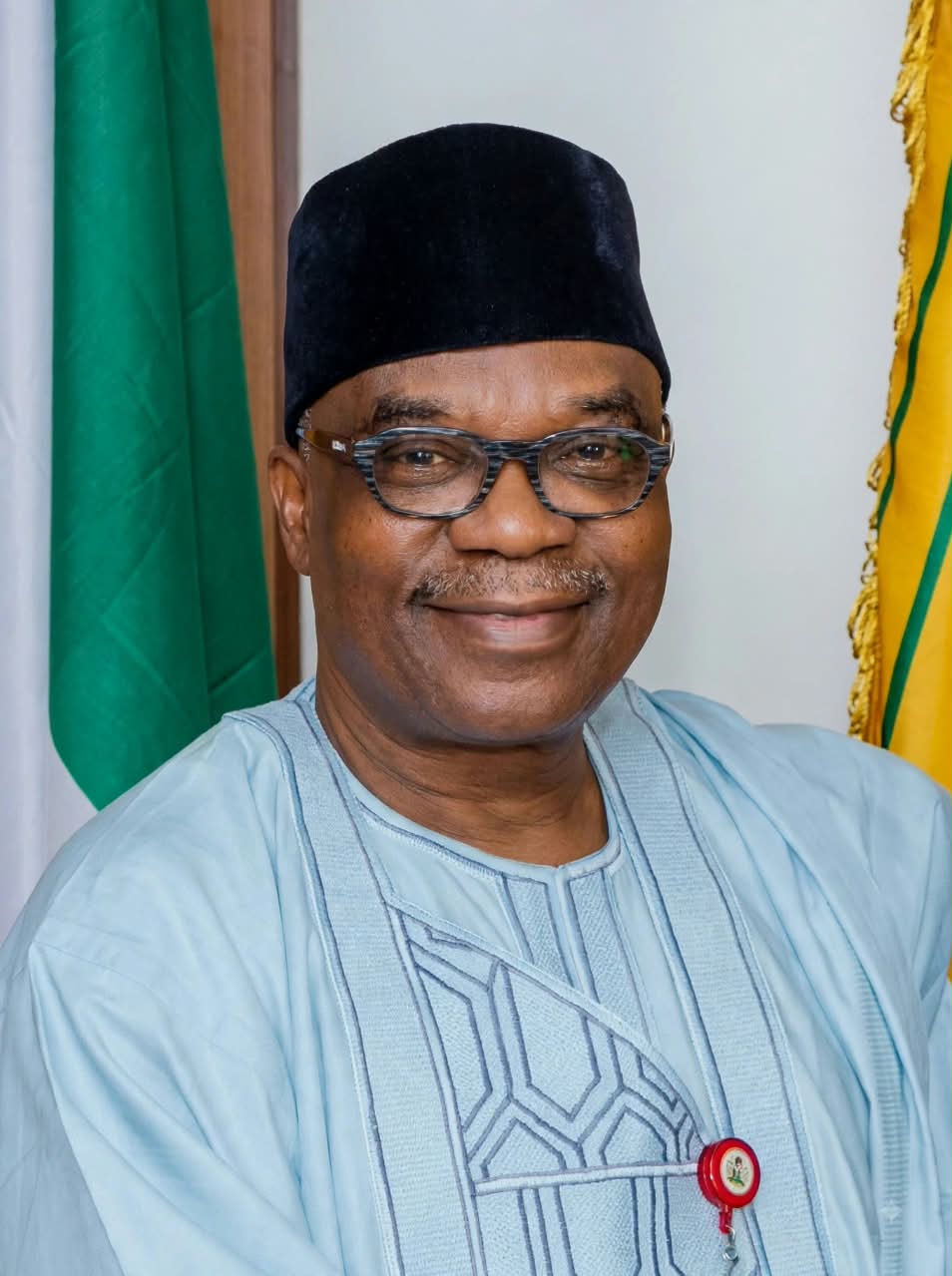
By Ambassador Sola Enikanolaiye
In diplomacy, process is as important as substance.
It is in this spirit that I wish to draw attention to a growing practice in Abuja which, though often well-intentioned, runs contrary to established diplomatic procedure and the spirit of mutual respect that guides our relations.
It has become increasingly common for some Embassy officials, rather than transmitting a Note Verbale to the Ministry of Foreign Affairs as required by international law and custom, they reach out directly by telephone to the State House, Honourable Ministers, or heads of agencies to pursue official matters, thereby bypassing the Ministry entirely.
At a recent meeting where I praised the ASEAN nations in Nigeria for upholding diplomatic protocol in this regard, I noted that adherence to proper channels strengthens, rather than hinders, partnershipI stressed: “Going forward, strict compliance with diplomatic channels will be expected…”
This was shortly before the important interactive session we had with the Diplomatic Community on Thursday 17th September 2026, when the Honourable Minister of Foreign Affairs, Ambassador Bianca Odumegwu-Ojukwu, convened her first formal briefing with the Corps since assuming office as substantive Minister.
Her message was clear, candid and timely. I associate myself fully with it: The Ministry of Foreign Affairs is your diplomatic home. Our doors and appropriate channels remain open, but established diplomatic channels must be respected.
Government has simplified our diplomatic operations
It is important to acknowledge that the Federal Government has significantly simplified diplomatic operations in Nigeria to make the work of missions easier and to avoid any vacuum in representation.
Today, a newly appointed Ambassador or High Commissioner is allowed to commence official functions and operate fully as soon as he or she submits the copie d’usage_ — the working copy of Letters of Credence — to the Ministry of Foreign Affairs, without waiting for the formal presentation to Mr. President.
The new envoy is therefore at liberty to perform his or her duties, engage Ministries, Departments and Agencies and conduct bilateral matters, save only for events and ceremonies that would bring such envoy before Mr. President, until after the formal presentation of Letters of Credence.*
This facilitation was granted in good faith and in trust. That trust should be reciprocated with strict adherence to protocol.
The Vienna Convention Is Clear
As custodians of diplomacy, we are all bound by the Vienna Convention on Diplomatic Relations (1961):
Article 41(1):“…it is the duty of all persons enjoying such privileges and immunities to respect the laws and regulations of the receiving State. They also have a duty not to interfere in the internal affairs of that State.”
Article 41(2):“All official business with the receiving State, entrusted to the mission by the sending State, shall be conducted with or through the Ministry for Foreign Affairs of the receiving State or such other ministry as may be agreed.”
There is no exception for influence, familiarity, or access. To bypass the Ministry of Foreign Affairs is to violate a treaty we all signed.
The Ministry As A Bridge, Not An Obstacle
As the Honourable Minister emphasized during her briefing, and I reiterate:
The Ministry of Foreign Affairs remains the official channel of communication between Diplomatic Missions and the Government of the Federal Republic of Nigeria, including the Presidency, Federal Ministries, Departments and Agencies and other Government institutions.*
Missions must ensure that official communications and requests intended for these institutions are routed through the Ministry. This is not intended to impede access or create unnecessary bureaucracy. Rather, it ensures proper coordination, consistency and effective follow-up. The Ministry provides the institutional memory, diplomatic expertise and policy context necessary to support such engagements.
Bypassing established channels risks conflicting information, duplication and avoidable misunderstandings.
There is also an important principle of reciprocity. Just as Nigerian Missions abroad are expected to respect the diplomatic channels of their host governments, we expect the same consideration for Nigeria’s institutions.
As Amb. Bianca aptly put it: “The Ministry is not an obstacle between you and the Nigerian Government; we are your bridge to the Nigerian Government.”
The Abuse of Diplomatic Plates Must End
Equally worrisome is the increasing use of diplomatic number plates by unauthorized individuals who are not entitled to them under the Convention. This is a clear breach of Article 41(1).
Diplomatic plates are issued in trust by the receiving State to facilitate legitimate mission functions, not as a means to evade traffic regulations or law enforcement. This abuse creates security risks and brings the diplomatic corps into disrepute. It must stop.
Why This Backdoor Diplomacy Is Dangerous
Respect is reciprocal. If you want Nigeria’s diplomats to respect protocol in your capitals, you should respect protocol in ours.
1. Not doing so undermines the President: When embassies lobby the State House behind the MFA’s back, they deny the President the benefit of vetted, professional foreign policy advice.
2. It creates policy confusion: If a mission secures a phone promise from an MDA while the MFA’s official position differs, which one stands? The result is embarrassment for everyone.
3. It is a national security threat: Bypassing the MFA means bypassing security vetting. Sensitive requests slip through informal calls.
4. It breeds corruption of process: Backdoor calls are used to push positions and interests that would not survive transparency and glinteragency scrutiny.
_5. It insults our national institutions:The MFA is not a post office. It is the sole legal gateway for state-to-state communication.
_6. It destroys reciprocity:The precedent we allow in Abuja becomes the treatment our envoys will receive abroad. If we accept bypassing the MFA to lobby the Villa in Abuja, should Nigeria expect to bypass the Presidency and Palaces of other sovereigns? The answer, in every capital, is No.
7. It erodes trust: When backdoor promises collapse — as they often do — missions blame Nigeria for “not keeping its words,” when no official word was ever given.
8. It exposes senior officials to manipulation: A direct call presents only one side of the story, without history, legal context, or institutional memory. The MFA exists to provide that balance.
Nigeria’s Foreign Policy Direction and Our Commitment
As Amb Bianca Ojukwu outlined, the foreign policy direction of the Administration of President Bola Ahmed Tinubu, GCFR, is anchored on the four Ds: Demography, Development, Democracy and Diaspora.*
Through Demography, we seek to harness the potential of our youthful population through education, technology, innovation, entrepreneurship and skills development. Development places economic diplomacy at the heart of our international engagement, with emphasis on trade, investment, infrastructure, agriculture, energy and technology. Democracy reflects our commitment to constitutional governance, strong institutions and the peaceful resolution of political differences, while Diaspora recognizes Nigerians abroad as important partners and assets in investment, knowledge transfer and national development.
These pillars place Nigeria and Nigerians at the center of our foreign policy.
Our approach is therefore Nigeria-centered, Africa-conscious and globally engaged.* We remain committed to our neighbours, ECOWAS and Africa, while engaging constructively with the wider international community.
Nigeria will equally continue to exercise strategic autonomy in its international relations. We seek friendship and cooperation with all nations, but our positions and partnerships will be guided by our national interest, mutual respect, reciprocity and our international obligations. Strategic autonomy does not mean isolation; it means preserving Nigeria’s sovereign right to determine the relationships and positions that best serve our people, Amb Bianca Odumegwu-Ojukwu pointed out.
In the same manner she noted that the Ministry is also paying renewed attention to outstanding Joint Commissions and Bi-national Commissions*, some of which have remained inactive due to administrative and logistical challenges. We intend to work with Missions to revitalize these mechanisms and use them more effectively to advance cooperation in trade, investment, security, education, technology, health, agriculture and other areas of mutual interest.
Ultimately, the strength of our diplomatic relationships should be measured not only by the warmth of our engagements, or the number of visits by Heads of State to Nigeria but by the tangible benefits our engagement ms produce for our people.
Nigeria Is Hospitable, Not Helpless
Nigeria is warm, generous, and open for partnership. But our hospitality must not be mistaken for weakness. Nigeria remains a willing, capable and strategic partner.
Do not bypass the Ministry of Foreign Affairs to lobby the Villa.
My Ministry’s job is to make your work easy. Use us.
The proper channel remains: Embassy → Note Verbale → MFA → MDA/Presidency → MFA → Embassy.
Under President Bola Ahmed Tinubu’s Renewed Hope Agenda, Nigeria is open for business. But openness requires order.
Drop the phone. Pick up the pen. Write the Note Verbale.
Ambassador Sola Enikanolaiye
Ministry of Foreign Affairs, Federal Republic of Nigeria

House of Assembly Candidate, Sanni Urges Unity Among Ekiti ADC Members

Between Governor Soludo and Peter Obi: The Truth in Between

Six inmates die in one week amid suspected cholera outbreak in Kano prison


-

 News19 hours ago
How AI Could Cause the catastrophic death of a Billion people — Billionaire Bill Gates Warns
-

 Sports19 hours ago
AFCON Qualifier: Nigeria Defeats Madagascar
-
 News19 hours ago
Police Arrest Officer Who Said Igbo Man Can Never Be President
-

 News19 hours ago
Pastor Adeboye Welcomes 105 Nigerians Repatriated From South Africa
-
 Politics9 hours ago
Before dreaming of Aso Villa, APM should first find its feet-Ali Campaign Organization
-
 News19 hours ago
Anambra: Peter Obi left $155m in three banks — Otti