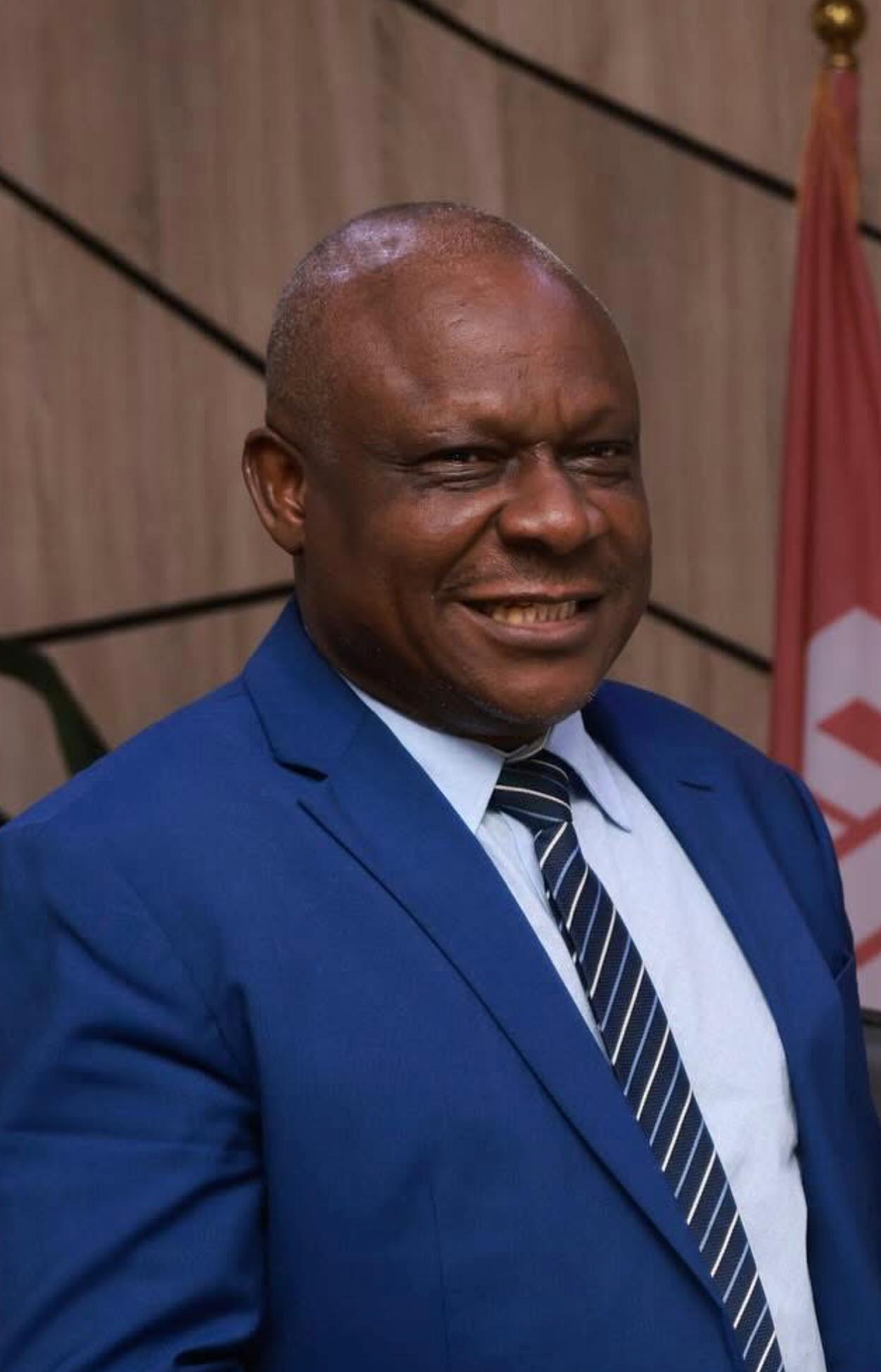


Beneath the war of words over Anambra’s books lies a more important question than who borrowed what: are the people of the state better off?
By Osamhanze Idahosa 
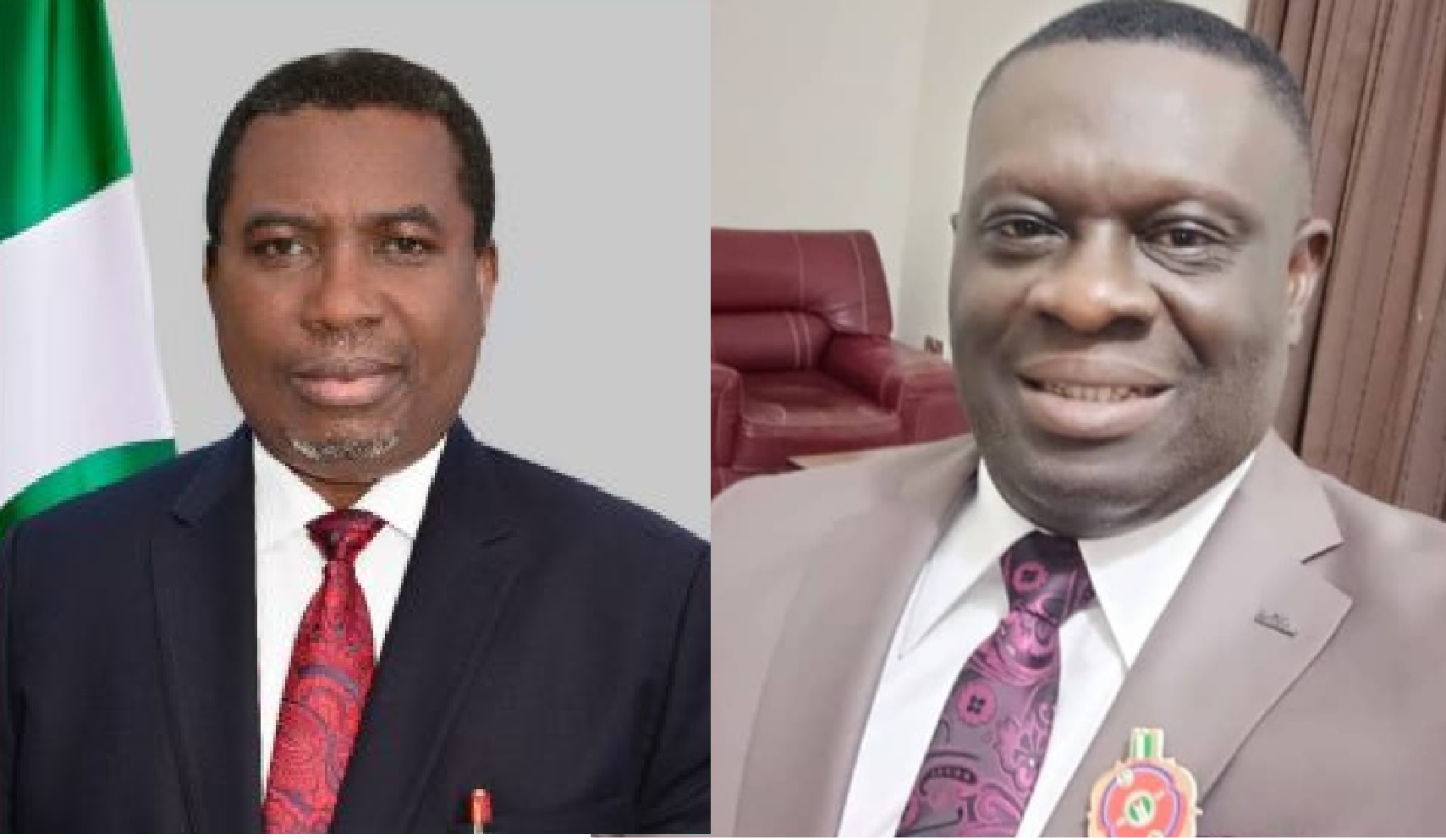
Anambra politics is rarely short of drama, but the latest exchange between Governor Chukwuma Charles Soludo and his predecessor-but-one, Peter Obi, has turned the state’s balance sheet into a public battleground. What began as a quarrel over figures has reopened a question that has trailed the state for more than a decade: what exactly did Mr Obi leave behind when he handed over power in March 2014, and what should properly count as debt, assets, liabilities and available resources?
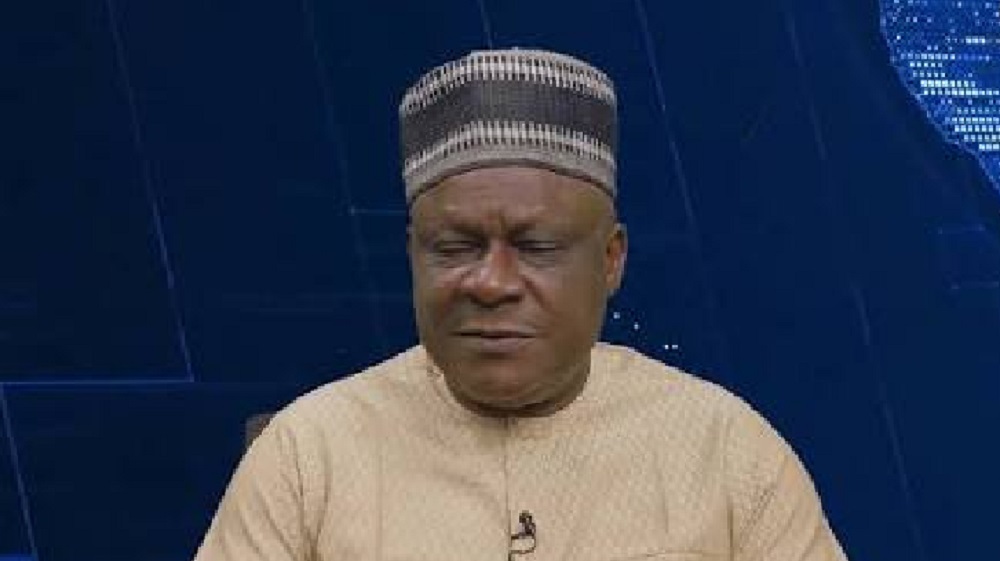
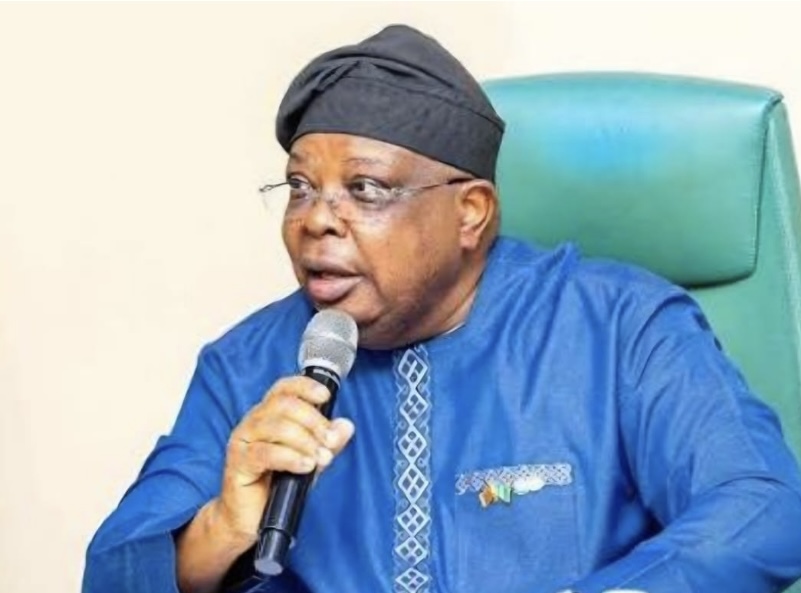
At first glance, the dispute looks simple. The Soludo administration says it inherited loans and other obligations from previous governments, including Mr Obi’s, and is still servicing some of them. Mr Obi insists he neither borrowed commercially nor issued bonds on the state’s behalf, and that he left Anambra in robust financial health. The details, however, demand far more nuance than either side’s political messaging allows.Speaking through the Commissioner for Finance, Izuchukwu Okafor, and the Commissioner for Information, Dr Law Mefor, the state government says it is still servicing obligations traced to the Obi years. Citing Debt Management Office figures, it says eight external facilities contracted between 2007 and 2013 carried a combined value of about $123.77 million, of which some $92.35 million remained outstanding as of 30 June 2026. It also points to salary arrears, including at the Anambra State Water Corporation, as liabilities it has had to clear.Mr Obi’s reply has been categorical. He says that in his eight years he never approached any financial institution for a loan or issued a bond on behalf of the state, and that he left office owing no salaries, pensions, gratuities or certified contractors. Far from leaving debts, he insists, he left behind substantial funds and investments.An old argument in new clothesNone of this is new. The debate over what Mr Obi handed to his successor, Willie Obiano, has followed him for more than a decade. About eight years ago, Chief Dan Ulasi argued on national television that although Mr Obi spoke of the bank balances he left behind, he also left liabilities large enough to require a clean-up. The argument resurfaces whenever the Obi model of prudence is held up for national admiration, and with Mr Obi now the 2027 presidential candidate of the Nigeria Democratic Congress, its return was always going to be louder.That context matters, but it should not distract us. This is not a personality clash between two of Anambra’s most prominent sons. It is a question of stewardship, accountability and responsibility, and the people of Anambra are entitled to a clear answer.Obi’s case: “wrong public accounting”Appearing on Arise Television’s Prime Time on Thursday, Mr Obi dismissed the state government’s figures as “wrong public accounting”. His argument has three parts.First, the facilities in question were not loans he sought. They were concessionary development programmes, largely backed by the World Bank and the International Fund for Agricultural Development, negotiated by the Federal Government and extended to participating states through subsidiary arrangements.
Second, they were multi-year facilities, and not all of the money was drawn down before he left office; he should not be charged for sums disbursed under his successors. Third, even on the worst-case figure, he says he left behind more than $150 million earning about $10 million a year. Had successive administrations preserved those investments and applied the income to the debt, he argues, the loans would have been retired by now, with the capital still intact.On the Water Corporation arrears, he contends that the corporation’s workers were never on the state government’s payment schedule.Obi did not walk into a bank. But the state he governed signed on to obligations that outlived his tenure.The question neither side has fully answeredMr Obi’s distinction between applying for a loan and joining a federally negotiated facility is real, but it is thinner than it sounds.
Under Nigeria’s on-lending arrangements, states that join such programmes typically sign subsidiary agreements and bear the repayment, which is deducted at source from their federal allocations. That is precisely what the state government says is happening today.That raises the question that most deserves an answer: could Anambra have declined? If the state could have said no, then accepting those facilities was a decision taken on Mr Obi’s watch, however worthy the projects. If it genuinely could not, then the obligations were imposed without meaningful consent, and that should have been placed on the public record at the time rather than relitigated twelve years later. Either way, the liability sits on Anambra’s books, and Anambra’s taxpayers are paying for it.Yet the Soludo administration’s framing also flattens important distinctions. Concessionary development finance, with long tenors and low interest and tied to agriculture, water or community projects, is not the same as commercial borrowing to pay salaries or build white elephants.
Labelling it “Obi’s debt” is its own form of political accounting. And if portions were drawn down after 2014, those portions belong in the ledgers of the administrations that drew them and decided how to spend them.There is also a question for Mr Obi’s successors. If he did leave savings and investments on the scale he claims, what became of them? Were they sold, drawn down or left to erode? Mr Obi’s counterfactual holds only if we know what happened to those assets, and that is an account the state, not Mr Obi, is best placed to give.Loans are not the enemy, and thrift is not a virtue in itselfIt is worth stepping back from the arithmetic. Borrowing is not necessarily bad governance, and avoiding debt is not necessarily good governance. A government can sit on healthy cash balances while roads crumble, hospitals run out of drugs and young people leave in search of work.
Another can borrow sensibly for assets that pay for themselves many times over. The real test of any naira borrowed or saved is what it bought, and whether it improved the lives of the people in whose name it was raised.For a state still crying out for roads, erosion control, reliable water, industrial growth and jobs, the true measure of performance cannot be a debt figure or a bank balance at handover. It is whether the people are better off than they were when a government met them.Where the truth liesThe truth, as it so often does, lies somewhere in between. Mr Obi did not walk into a bank to borrow, but the state he governed took on obligations that outlived his tenure, and it is fair to ask him to own them. The Soludo administration is servicing real liabilities, but branding them one man’s personal debt on the eve of a presidential season serves politics more than clarity.The way forward is transparency, not duelling press statements. The state should publish the relevant loan agreements, drawdown schedules and repayment records, alongside a full account of the funds and investments handed over in 2014 and what became of them. An independent reconciliation, whether by the state’s Auditor-General or a credible external panel, could settle in months what twelve years of television appearances have failed to settle.Until then, the people of Anambra remain where Nigerian citizens too often find themselves: caught between competing claims, footing the bill, and still waiting to be told the whole truth.