
News
Higher prices loom as businesses rely more on loans to survive




Nigerians will soon experience another wave of increases in the prices of goods by major manufacturers as most of them now depend more on loans to fund their operations, resulting in higher interest payments and increased cost of production.
Financial Vanguard investigations show that due to scarcity of foreign exchange, general cash flow challenges and other economic headwinds during the period, major manufacturing firms sustained their businesses with bank loans amounting N1.833 trillion in the nine months of the year 2023 , 9M’23.
The amount indicates increased borrowing of about 52.6% higher than the N1.2 trillion in the corresponding period of 9M’22.
Financial experts say the companies may have ended up in a debt trap following the rise in Monetary Policy Rate, MPR regime, sustained by the Central Bank of Nigeria, CBN throughout the review period in order to tame inflation that rose to 28.92 % as at December 2023, a development that triggered rising lending rates across the banking and finance sector.
This development, according to financial experts, indicates that the companies that borrowed huge in the 9M’23 are now caught in a serious debt situation as cost of operating capital is now rising, a situation that will impact their profit negatively, and also restrict their ability to pay higher dividend.
Financial information from 17 leading manufacturing companies listed on the Nigerian Exchange Limited, NGX, showed that the finance cost (interest on borrowing) rose by a significant 332.3% percent to N589.623billion in 9M’23 from N136.379 billion in 9M’22.
The companies include: Nigerian Breweries, Dangote Cement, Lafarge Africa, Guinness Nigeria, Gsk, Beta Glass, Unilever Nigeria, Dangote Sugar, Okomu Oil.
Others are Nestle Nigeria, BUA Cement, Notore Chemicals, NASCON Allied Industries, Cadbury Nigeria, BUA Foods, Vitafoam Nigeria and International Breweries.
Analysts and investment experts have decried the high cost of borrowing from the banks, saying that the capital market remains the best financing option for manufacturers to run on long term funds.
International Breweries led the borrowing chart in absolute term recording N323.25 billion in 9M’23 from N148.99 billion in 9M’22. It was followed by Nigeria Breweries whose borrowing rose to N307.99 billion from N113.69 billion in the corresponding year 2022.
Dangote Cement occupied the third position posting N267.13 billion from N269.19 billion in 9M’22. It was followed by BUA Cement occupying the fourth position as its borrowings rose to N258.26 billion from N97.46 billion while BUA Foods followed as its borrowings surged to N 237.79 billion as against N211.67 billion in 9M’22.
Analysts’ insight
Victor Chiazor, Analyst and Head of Research & Investment at FSL Securities Limited said: “The manufacturing sector will continue to be negatively impacted by the high finance cost, especially given that the banks all responded to the high MPR. Until the Benchmark interest rate is reduced by the CBN, the banks won’t drop their interest rate and the high interest expense will continue to weaken the profitability of manufacturing companies and even throw some of them into loss positions.
“In the course of the year, if we see inflation taper down, the MPC team may begin to ease its hawkish stance and drop the MPR which should lead to a gradual drop in interest rates. However if rates remain high, the real sector of the economy will continue to struggle as the interest rates would be too expensive for businesses to thrive.
Also, though expensive, the option of raising equity capital remains viable especially for those who have impressive earning forecast, strong business model and a compelling story to tell. In the course of the year we may see one or two manufacturing companies raise equity capital from the capital market to support their businesses.”
Commenting on the cost of borrowing, he said: “The astronomical jump in finance cost relative to a midsize increase in actual borrowings by these public companies in a 9-month period of 2023 could have been due to multiplicity of factors around inflation: depreciation of the Naira; re-pricing of loans and other assets by lenders; high input cost; reduction or non availability of suppliers’ credit; etc.
The result of this is more inflationary pressure, as the affected companies are pressured to re-price their earning assets to recover costs or reduce losses.”
On government rendering support to the manufacturing sector, he said: “The government may not be able to assist every sector, except for a few companies who have benefited from CBN intervention funds and single digit interest rate borrowing, most are exposed to more of bank borrowing which will be highly toxic to business operations if interest rates remain elevated.”
Reacting to the increase in borrowing, David Adonri, analyst and Executive Chairman at Highcap Securities Limited, said: ” The manufacturing industry was first battered by the rising inflation throughout year 2023 which escalated their costs. Due to decline in purchasing power of consumers their cost recovery efforts failed to preserve their working capital. Hence, their resort to higher bank credit to keep them alive. With higher credit, finance cost will escalate.
“The second reason behind the balloon of their finance cost is the collateral damage they suffered from floating of the Naira. Their hard currency liability exposures magnified in multiple folds when the Naira suffered heavy depreciation. As a result, they had to borrow more money locally, to meet outstanding obligations.
This year, the factors that pressured them into excessive borrowing may not be replicated. The economy is expected to readjust to a new price level where prices will be more stable. However, to repair their damaged balance sheets, manufacturers may need to refinance their huge debt through the capital market.”
On how government intervention can aid manufacturers, Adonri, said: “The administrative intervention of government in the credit market through CBN has not been very effective. It continues to distort the market mechanism that ought to efficiently allocate credit in the economy. The interventions have also not been appropriately directed to the foundational sectors of the economy.
Fiscal intervention can be by way of subsidy to manufacturers to enhance production while monetary policy should target low interest rate environment. If manufacturing inputs can be internalized through appropriate fiscal measures, then manufacturing cost can reduce to the point where finance cost will become negligible.”
Commenting on the borrowings by manufacturing companies, an investment expert and CEO, Wyoming Capital and Partners, Tajudeen Olayinka, said: “Companies can borrow to improve production capacity and reduce average cost. Where this is the case, such borrowing is considered positive, and could improve fortunes of shareholders of the company. Where such borrowing does not improve production efficiency, it can become negative to the value of the company and make shareholders worse off. This is what most companies try to consider before borrowing from short-term money market or long-term capital market.”
On the benefits of borrowing by manufacturing companies, he said: “Borrowing that improves operational efficiency would naturally benefit customers and other stakeholders. Borrowing must be done to improve shareholders wealth; and customers must have been given thoughtful consideration before embarking on such borrowing.”
However, he lamented that, “Short-term borrowing from banks could be more expensive at this time, especially if we consider the effect of rising inflation and interest rate hike by Monetary Policy Committee of CBN, which has compelled many banks to re-price loans and other financial instruments, leading to higher borrowing costs for firms and public companies. Borrowing from banks could be more problematic at this time.
Regardless of cost implications to public companies, short-term borrowings from banks might have been provided as bridging facilities for more flexible long-term capital already arranged by those companies, or as a way of obtaining working capital. It could also be a sign of weakness in annexing suppliers’ credit by some of those companies.”
On whether the government can aid manufacturers, Adeyinka said: “That could be another way of asking the government to provide financial subsidy, when they are already enmeshed in a fiscal crisis. I think the best way is to allow the market to function, so that assets are properly priced in the long-term interest of the economy.”


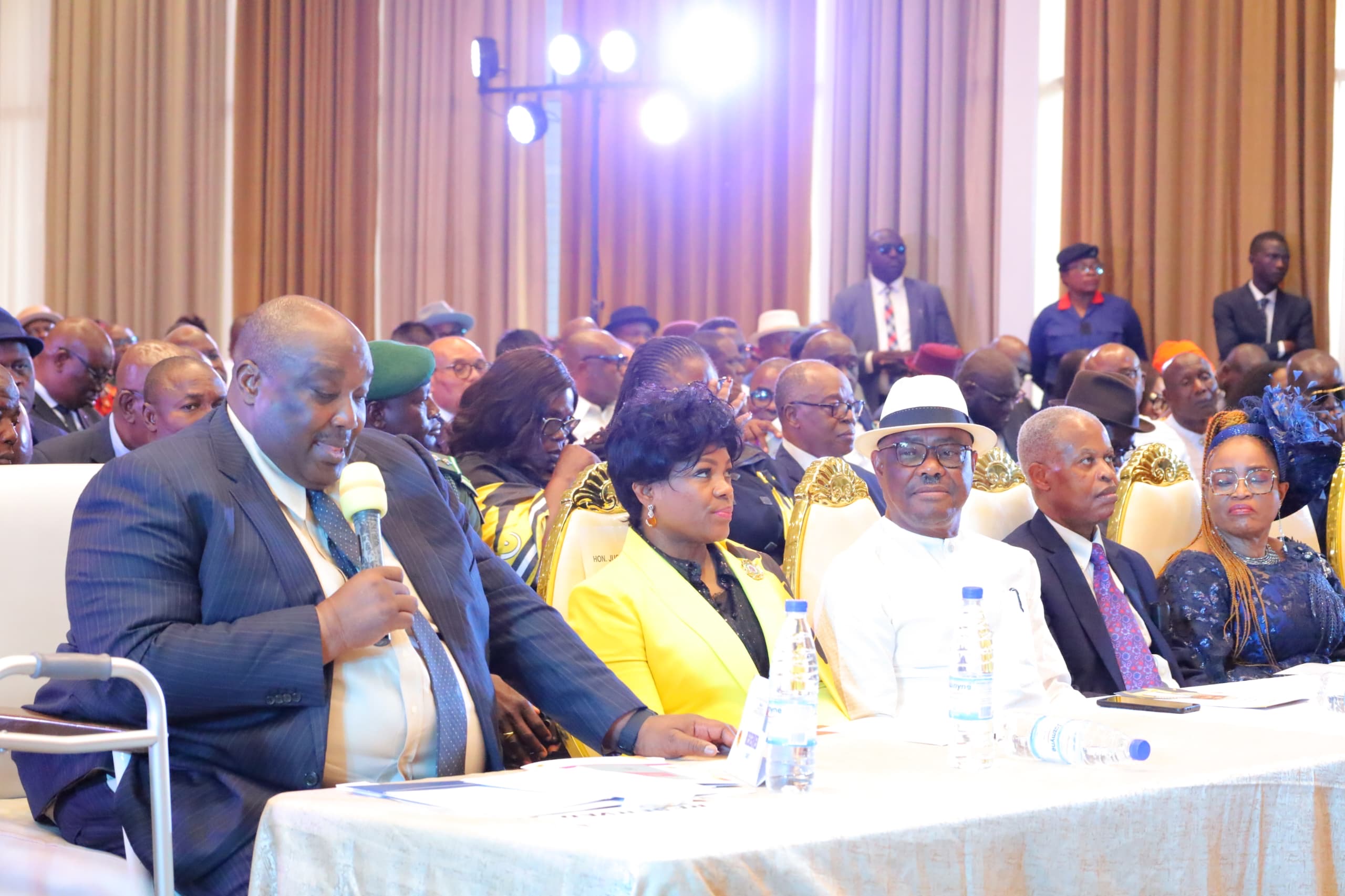
Minister of the Federal Capital Territory (FCT), Barr. Nyesom Wike, on Tuesday, stressed the need for discipline, precision and sound legal reasoning in appellate advocacy, describing appellate practice as a critical pillar for strengthening Nigeria’s justice system.
Wike stated this at the public presentation of the book, “Ukala’s Manual on Appellate Practice,” authored by Senior Advocate of Nigeria (SAN), Emmanuel C. Ukala, held at the Bola Ahmed Tinubu International Conference Centre, Abuja.
The former Rivers State governor described the publication as a timely and significant contribution to the legal profession, particularly for young lawyers seeking to develop competence in appellate litigation.
According to him, advocacy at the appellate level differs fundamentally from trial proceedings and requires a higher level of intellectual discipline and mastery of legal procedures.
“We are all aware that advocacy at the appellate level is of a fundamentally different character from proceedings at trial. It calls for a higher degree of discipline, clarity of thought, precision in expression, and a deep, assured command of both substantive law and procedural rules,” Wike said.
He noted that the manual would serve as a practical guide for lawyers and judges by bridging the gap between legal theory and courtroom practice.
“It serves as a vital bridge between legal theory and courtroom practice, offering guidance that is especially beneficial to younger members of the Bar as they develop the confidence and competence required to navigate the demands of appellate litigation,” he added.
Wike, who recalled his background in legal practice, said he personally appreciated the value of appellate adjudication, having prosecuted and defended several cases before appellate courts over the years.
“I myself am a direct beneficiary of the work done at the appellate level, having had the privilege, as a party in numerous disputes, to prosecute and defend many cases before appellate courts,” he stated.
The minister also revealed that he once worked briefly in Ukala’s law firm, noting that the experience shaped his professional values and appreciation for excellence in legal advocacy.
“I cut my teeth in the firm of Mr. Ukala, SAN, albeit for a relatively short time. The exposure and values I imbibed during that period discipline, attention to detail, respect for the craft of advocacy, and an unwavering commitment to excellence have continued to shape my professional outlook to this day,” he said.
Wike described the publication as a “legacy work” that would remain relevant to legal practitioners and judicial officers for years to come.
According to him, the book does not merely seek to impress readers academically but provides practical guidance on critical aspects of appellate litigation, including notices of appeal, compilation of records, interlocutory applications, briefs of argument, and oral advocacy.
“What I particularly appreciate about this manual is its practicality. It does not attempt to impress; it seeks to guide. It brings clarity to areas that many practitioners struggle with but rarely admit,” he said.
The FCT minister urged young lawyers to make effective use of the book in refining their professional skills and pursuit of excellence.
“To my colleagues, especially the younger lawyers, do not just celebrate this book, use it. Let it challenge you. Let it refine you. Let it remind you that excellence in this profession is a deliberate pursuit,” he added.
The event was attended by high-ranking judicial officers, including the President, National Industrial Court, Hon. Justice Benedict Bakwaph Kanyip, other heads of court, former Attorney General of the Federation and Minister of Justice, Chief Kanu Agabi, Justices of the Supreme Court, Justices of the Court of Appeal, Senior Advocates of Nigeria, members of the Body of Benchers, legal practitioners and other dignitaries from across the country, while Joseph B. Daudu (SAN) and Ferdinand O. Orbih (SAN), reviewed the book.
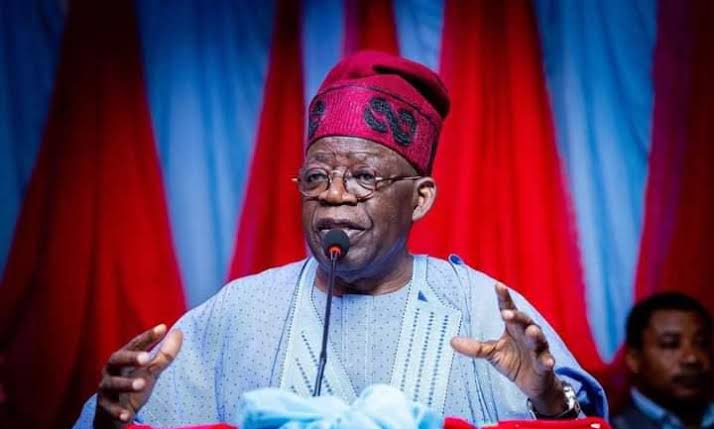
President Bola Tinubu has declared his intention to seek re-election in 2027, saying critics exploiting the country’s security challenges were doing the bidding of his political opponents.
Tinubu made the remarks while receiving Plateau State Governor Caleb Mutfwang and other stakeholders from the state, telling them that hostile forces were weaponising insecurity to undermine his administration.
“You are playing to the hand of agents, including my own enemies, who want to use insecurity to get rid of me,” he said, adding that he would not be deterred.
“I’m a very stubborn politician. I just refuse to go. And I will campaign for my second term.”
The declaration comes amid sustained pressure on the Federal Government over attacks by armed groups, kidnappings, and killings across several states, with opposition figures and civil society organisations demanding stronger federal action.
NDLEA raids 3 illicit drug warehouses, recovers N16.9bn worth of opioids
Tinubu has consistently defended his administration’s security record, maintaining that agencies are being adequately supported to restore stability.
The President took office in May 2023 and is constitutionally eligible to seek a second four-year term when Nigerians go to the polls in 2027.

…proposal aim to strengthen coordination and innovation across the Armed Forces
By Gloria Ikibah
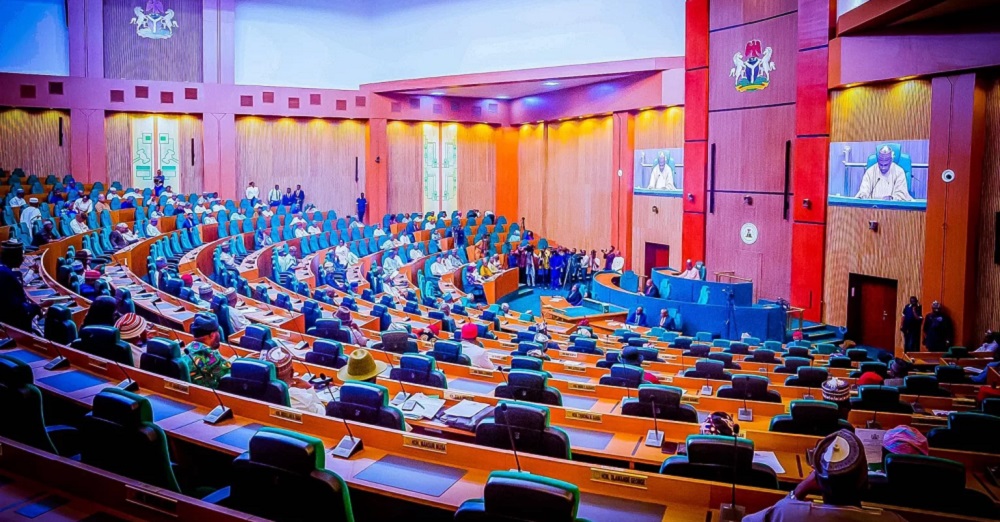
The House of Representatives has passed for second reading a proposal to set up a Joint Doctrine and Warfare Centre, envisioned as a high-level strategic hub to improve coordination, efficiency and overall performance within Nigeria’s Armed Forces.
The bill, sponsored by the Speaker, Tajudeen Abbas, is titled “A Bill for an Act to Establish the Joint Doctrine and Warfare Centre to Enhance the Coordination and Effectiveness of Military Operations of the Armed Forces of Nigeria by Integrating the Capabilities of Its Respective Services; and for Related Matters (HB 2741).”
It progressed to the next stage following debate by lawmakers on Wednesday during plenary.
The planned centre is intended to serve as a focal point for defence research, development of military doctrine, strategic planning and innovation in warfare, with particular attention on fostering closer collaboration among military and paramilitary bodies.
Commencing debate on the general principles of the legislation on behalf of the Speaker, Rep. Daniel Asama said, “the initiative is designed to bridge critical gaps in Nigeria’s defence framework, particularly the lack of a dedicated institution for developing and coordinating joint military doctrines.”
“The centre would establish a structured system for the formulation, validation and dissemination of joint doctrines, while also promoting interdisciplinary research on multi-domain operations”.
Asama further observed that Nigeria’s increasingly complex security landscape demands a more integrated and strategic military response.
“Nigeria faces complex security challenges, including terrorism, insurgency and cyber warfare, which require coordinated doctrinal responses among the Armed Forces.
“The absence of a dedicated institution for joint doctrine development has created operational gaps and limited interoperability among the services”, he said.
According to him, the proposed centre will serve as both a think-tank and a centre of excellence for doctrine formulation and warfare strategy.
“This bill provides the legal and institutional framework for the Joint Doctrine and Warfare Centre as a think-tank and centre of excellence for doctrine development and warfare strategy.
“It addresses the need for integrated doctrine development, unified command thinking and joint operational planning”, he added.
He described the bill as timely, the lawmaker said it would strengthen Nigeria’s capacity to respond to evolving threats while enhancing cooperation among the Army, Navy and Air Force.
He explained that the proposed centre would provide a standing platform for defence research, simulation exercises and policy coordination, with the aim of strengthening the long-term sustainability of the country’s security efforts.
The institution is expected to draw together major players in the security architecture, including the Ministers of Defence, service chiefs and specialists from the private sector.
Its responsibilities would cover aligning warfare strategies, monitoring emerging threats, reviewing operational requirements and offering strategic guidance for defence activities.
The centre would also work closely with defence institutions, universities, international allies and research organisations to advance joint doctrine development, simulation tools and contemporary warfare practices.
Among its core aims are improving Nigeria’s capacity to respond to hybrid and asymmetric threats, enhancing cooperation among the armed services, promoting defence research and expanding both regional and global security partnerships.
Asama expressed optimism that the proposal would markedly strengthen the nation’s military preparedness and strategic depth.
“The Joint Doctrine and Warfare Centre will serve as the intellectual and operational hub for defence coordination, doctrine formulation and integrated warfare planning,” he said.
Following its passage for second reading, the bill was referred to the House Committee on Defence for further legislative consideration.
When passed into law, the piece of legislation is expected to provide a solid institutional framework for advancing joint military operations and improving Nigeria’s response to current and emerging security challenges.

Photos: Appellate Court Advocacy Demands Precision, Discipline — Wike

2027: My opponents are arming terrorists against me — Tinubu

Lawmakers Move To Establish Military Strategy Hub




-

 Metro19 hours ago
Delta police arrest officer who shot handcuffed suspect to death in Effurun
-

 Metro20 hours ago
Gunmen invade Ekiti church, k!ll pastor, abduct members during revival
-

 Sports19 hours ago
PSG Beat Bayern Munich In Historic 9-Goal UCL Semifinal Thriller
-
 News19 hours ago
Ex-Zamfara Senator Marafa Joins NDC, Citing Court Cases Within ADC
-
 News11 hours ago
Court bars INEC from recognising ADC congresses conducted by Mark-led C’ttee
-

 News11 hours ago
Unbelievable: Police say officer who publicly executed handcuffed Delta man was under “spiritual attack”
-
 News7 hours ago
Reps back digital overhaul of election petition procedures
-

 News11 hours ago
Police nab suspects over alleged removal of 19-yr-old girl’s womb