By Kayode Sanni-Arewa


Multinational companies continue to exit Nigeria in recent times, some Asian, Turkish and even local companies have been stepping into the spots they vacated.
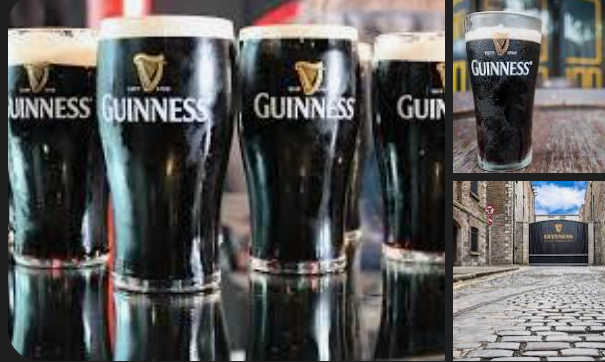
Last week, Guinness Nigeria Plc announced that Tolaram Group acquired 58.02 per cent shareholding divested by Diageo, its ultimate parent company in a deal which is expected to be finalised in 2025. 
President Bola Tinubu had commended Tolaram Group for the expression of faith in Nigeria through the acquisition in a statement issued by his special adviser on media, Bayo Onanuga.
This is the latest in the spree of takeovers in the economy. According to Bloomberg, a local firm, the Fouani Group, operates a diaper and sanitary pad plant in a complex where Procter & Gamble Co. had closed a $300m facility making the same products.
Lagos-based Fidson Healthcare Plc is expanding its manufacturing range after the UK’s GSK Plc closed its Nigerian distribution arm. Turkish diaper maker Hayat Kimya AS has also established itself in Nigeria.
Nigeria, with a population of more than 200 million, is Africa’s most populous nation, in theory presenting a huge market for consumer goods. However, rampant unemployment, widespread poverty and insecurity, a plummeting currency, sky-high inflation and decades of economic mismanagement have turned it into a graveyard for multinational consumer goods companies.
The naira has swung wildly in recent months and is down against the dollar over the past year, the most of any African currency. That’s made it difficult for companies that import goods and service foreign debts to make a profit as they struggle to pass the necessary price increases to consumers. And while the central bank has now cleared a $7bn backlog that companies were seeking to repatriate the difficulty in doing so in recent years made many businesses unsustainable.
The gaps in the market left by the departing multinationals present an opportunity for domestic companies and foreign firms that focus on sourcing raw materials in Nigeria and manufacturing locally, thereby avoiding the currency risk that has hounded some foreign companies out.
And while the departures show just how unattractive the Nigerian consumer market has become they also highlight the success of strategies of companies such as Hayat and Tolaram, which have each turned their brands into household names.
For companies such as Tolaram, used to operating in challenging environments such as Indonesia, the answer has been to localize as many costs as possible. That’s helped it turn Indomie instant noodles into one of Nigeria’s most popular brands and led it into joint ventures with US cereal and snack maker Kellanova and Danish dairy giant, Arla Foods.
“Brands can’t continue to operate the way they’re used to. You need to adapt to the market accordingly,” said an executive director at Tolaram, Girish Sharma.
“There is hardly anything in Indomie that we import. We have our own flour milling, we have our own palm oil refining, we have our packaging,” he disclosed.
Tolaram operates 24 “fully backwardly integrated” plants in Nigeria, meaning the company produces the raw materials they need and is even setting up its oil palm plantations, Sharma said in an earlier interview. GSK, by contrast, imported its products
That doesn’t mean that local firms aren’t struggling.
“In theory, we think we can better manage the difficulties of doing business in Nigeria,” said Jide Ogundare, managing director of MBO Capital Management Ltd, which took over supermarkets run by Shoprite Holdings Ltd. when the South African company quit Nigeria in 2021. “In actual fact, we face the same challenges as the foreigners except that we can’t leave and go elsewhere.”
Still, despite the narrowing margins and reduced spending power, the weaker naira is making Nigerian manufacturing competitive.
“We’re exporting to some West African countries like Mali and East Africa and our target is to export to another five to 10 countries by the end of next year,” said Imokha Ayebae, Fidson’s executive director.
The exodus of firms including Kimberly-Clark Corp., Sanofi SA and Bayer AG is hindering Nigerian President Tinubu’s bid to breathe life into the struggling economy.
Microsoft Corp. in May said it would shut the engineering section of its Africa Development Center in Nigeria two years after it opened. Meanwhile, oil majors Shell Plc, Exxon Mobil Corp. and Eni SpA have all sold their onshore operations to local companies, denting confidence in the industry that accounts for most of Nigeria’s exports and leaving behind decades of environmental devastation.
By contrast, Tinubu’s spokesman said Tolaram’s $70mpurchase of the Guinness stake was a vote of confidence in the Nigerian economy.
“The multi-pronged reforms and interventions being implemented on the economic and financial fronts would deliver sustained growth and enduring profitability,” Bayo Onanuga, special adviser to the president on information and strategy, said in a post on X.
For now, the companies still invested aren’t seeing that uptick. South Africa’s Multichoice Group, the biggest satellite television provider in Nigeria, saw subscriber numbers fall 18 per cent in the year to March saying that Nigerian customers “had to prioritise basic necessities over entertainment.”
Revenue at Johannesburg-based MTN Group Ltd., which runs Nigeria’s biggest mobile phone network, fell 53 per cent in the first quarter of the year when measured in its home currency
But there is also opportunity in challenging environments, said Tolaram’s Sharma, who emphasised the company’s belief in Nigeria’s potential.
“If everything was good I don’t think Guinness would think of partnering with Tolaram. Now when they saw there’s adversity they chose to partner with us,” he said. “Nigeria has 200 million people. They have to eat, they have to drink. We don’t see why Nigeria should not be the country where we’ll continue to stay and continue to invest.”
Speaking on the deal, the Board Chair of Guinness Nigeria, Omobola Johnson, said, “Today’s announcement represents a significant opportunity for the next phase of growth for Guinness Nigeria. This partnership brings together Tolaram’s deep expertise in manufacturing and distribution, and Diageo’s exceptional capabilities in brand building and innovation. I believe this is a winning combination which leaves Guinness Nigeria extremely well placed to drive further growth in this market.”
Managing Director/Chief Executive Officer, Guinness Nigeria, Adebayo Alli, added, “Today’s announcement marks an exciting moment for Guinness Nigeria, our employees and our customers. I look forward to working alongside Tolaram, which is one of the largest and most respected consumer goods companies in Africa, and I am pleased to note Tolaram’s alignment with Guinness Nigeria’s values and its strong commitment to building an enduring and sustainable business.”
The Managing Director of Tolaram Africa, Haresh Aswani, in his comments also expressed excitement at the deal.
“We are thrilled to welcome Guinness Nigeria, a company with such a rich legacy and strong consumer loyalty, into our ecosystem. This strategic move will expand our significant footprint in the Nigerian market and presents an opportunity to leverage our combined strengths to foster innovation and deliver immense value to our customers and shareholders across the nation,” he said.