
By Gloria Ikibah


Nigeria is Africa’s largest economy, and is currently navigating challenging economic times. Inflation is high, unemployment is a daily struggle for many and cost of living has skyrocketed beyond unimaginable levels.
Amidst this backdrop, the question arises: how can organizations like Rotary Clubs, which are driven by service, continue to make meaningful impacts in their communities? 
Rotary Clubs in Nigeria have a long-standing tradition of service, but in this current economic climate, the approach to community service needs to adapt.
The key lies in being innovative, strategic, and closely aligned with the real needs of the people.
Rotary Clubs in Nigeria can remain full of energy, life and make a lasting difference during these trying times by:
1. Firstly, Understanding the Needs of the Community
The first step in building an effective and vibrant Rotary Club in any economic situation, particularly in tough times like these, is understanding the community’s needs. With increasing poverty levels and a widening gap between the rich and poor, Rotary Clubs must be focused on tackling issues that directly affect the community’s quality of life.
Steps to follow to get positive results:
- Conduct a needs assessment, by engaging with traditional and religious leaders, women, businesses, and even community members directly to understand the pressing challenges. Is it unemployment, lack of healthcare, poor education, or inadequate access to clean water or even food? Once you identify the major needs, your club can channel resources into areas where they’ll have the most impact.
- Tailor projects to the economy: In tough economic times, smaller, scalable projects may have more immediate benefits than large, resource-intensive ones. For example, offering vocational training programs to youths can help them gain skills that lead to employment or entrepreneurship.
2. By focusing on grassroots issues, Rotary Clubs in Nigeria can provide real solutions that meet the day-to-day needs of their communities, even with limited resources.
Leveraging Community Assets will involve doing more with less resources available.
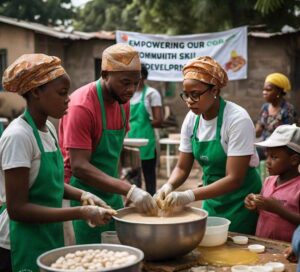
At periods when there is economic hardship in thecountry, resources such as funds, materials, and volunteer manpower may be more difficult to come by. However, Rotary Clubs can overcome these constraints by leveraging community assets and partnerships.
Steps to take:
- This will include the Use of local expertise. There are always large numbers of skilled people in every community who may be willing to volunteer their time and talents. For example, local artisans, professionals in the medical, education and retirees can be valuable resources for community service projects. A local carpenter might help with a building project, or a doctor may offer free health seminars or medical outreach.
- There is also the need to form strategic partnerships with local businesses, Non Governmental Organisations NGOs, and even government agencies to share resources. A Rotary Club in Nigeria can collaborate with small and medium-sized enterprises (SMEs) for Corporate Social Responsibility (CSR) projects. This could be a win-win, as businesses will be able to enhance their reputation, while Rotary Clubs will gain access to much-needed resources.
3. Maximize Rotary International (RI) support, especially as Rotary International offers various grant opportunities to support club projects. Rotary Clubs in Nigeria can apply for these grants to fund essential community projects. By tapping into this international support, Nigerian Rotary Clubs can boost their capacity to help communities, even with local financial challenges.
4. Working collaboratively and using community resources not only stretches limited funds but also strengthens relationships within the community, fostering a spirit of collective responsibility.
5. Promoting Self-Sufficiency by carrying out empowerment Projects rather than Handouts. One of the most sustainable ways Rotary Clubs can make an impact in Nigeria’s current economic situation is by focusing on empowerment rather than handouts. When people are provided with the tools and skills they need to improve their situation, this will inturn lead to long-term positive changes.

Steps to take:
- Organise Skills training programs: With the rise in unemployment, many people, especially youths, are turning to entrepreneurship. Rotary Clubs can set up vocational training programs where community members can learn trades such as cooking, baking, tailoring, farming, hairdressing, or even tech skills like coding, IT, how to repair mobile phones and graphic design. These skills will help them start small businesses, find employment, or become self-reliant.
- Rotary Clubs can also help provide access to microfinance services, through partnerships with local microfinance banks or organizations, they can offer low-interest loans or grants to help small businesses get started. In some cases, the club can serve as a guarantor for individuals who need financial support but lack access to formal banking.
- Scholarships and educational support. Despite economic challenges, education remains a pathway out of poverty. Rotary Clubs in Nigeria can offer scholarships to students from underprivileged backgrounds or help provide school materials like uniforms, books, and writing supplies.
- By promoting self-sufficiency, Rotary Clubs are helping to build a future where individuals and communities can thrive, regardless of the broader economic situation.

6. To build a vibrant Rotary Club, there is a need to Strengthen Membership, Keeping Rotary Alive.
For a Rotary Club to be effective, it must have a vibrant and active membership. However, in tough economic times, it may be challenging to attract new members or keep existing ones engaged, as people’s time and financial commitments are stretched.
Here are steps to take:
- Flexible membership options should be adopted, especially as not everyone may be able to afford traditional membership dues, especially during economic hardship. Rotary Clubs can explore flexible payment structures, reduced dues, or installment plans to accommodate more people. Some clubs also offer membership sponsorships, where financially stable members can support others who are passionate about service but unable to pay the dues.
- Offer value beyond service. Being part of a Rotary Club should offer members personal and professional growth. Clubs can invite guest speakers, offer training in leadership or project management, and create opportunities for members to network and build connections. These activities not only keep members engaged but also add value to their lives.
- Encourage participation in small ways. In economic hard times, some members may not be able to contribute financially but can still give their time and skills. Create opportunities for members to volunteer in various capacities, from organizing events to helping with administrative tasks.
- Maintaining a strong membership base is essential for the continuity and vibrancy of the club. Flexible membership options and opportunities for personal development can help ensure that members remain active and committed.

7. Building a Vibrant Rotary Club there should be avenues for Impactful Fundraising, i.e Creative Ways to Raise Money in Tough Times.
Fundraising is a significant part of Rotary’s ability to carry out service projects, but it’s often more challenging during economic hardship. However, Rotary Clubs can get creative with their fundraising efforts to continue financing their activities.
Steps to take:
- Crowdfunding. With the increasing use of social media and digital platforms, Rotary Clubs in Nigeria can set up crowdfunding campaigns to raise funds for specific projects. Platforms like GoFundMe or even local platforms can be effective, especially if the campaign is well-marketed.
- In-kind donations. Instead of always seeking cash, clubs can ask for donations of goods or services. For instance, if a club is organizing a medical outreach, they can request hospitals, clinics, or pharmacies to donate medications, medical equipment, or health services.
- Host community events. Organizing fun community events, such as charity football matches, talent shows, or cultural days, can raise funds while also bringing the community together. Events like these often draw support from local businesses that are willing to sponsor or donate prizes.
These approaches can make fundraising more accessible and ensure that Rotary Clubs continue their good work without relying solely on direct financial contributions.
In conclusion, leading in challenging times, especially in Nigeria’s economic situation is undeniably tough, but that does not mean Rotary Clubs cannot thrive. By focusing on empowerment, leveraging community resources, promoting flexible membership options, and getting creative with fundraising, Rotary Clubs can not only survive but make a lasting and meaningful impact in their communities.
The motto of Rotary—”Service Above Self”—is even more critical in challenging times. Now more than ever, Rotary Clubs in Nigeria have the opportunity to lead, serve, and inspire, building stronger, more resilient communities despite the economic hardships. By remaining focused, adaptable, and committed to service, Rotary can continue to be a force for good, transforming lives one community at a time.