BY BOLAJI AFOLABI


For many football loving Nigerians, commencement of the 2024/25 league season across Europe was a welcoming break from the recurring palpitations occasioned by multi-dimensional and multi-sectoral challenges pervading national space. Given the ecstasy and excitement it provides, spectators and fans are very hopeful that for about 40 weekends, something cheering would occupy their minds; away from the ever-increasing national problems. Back in the ’80s, *INDEEP* , was a New York-based musical group that released ‘ *when boys talk’* after it’s hugely successful ‘ *last night a DJ saved my life* .’ A line in the former that, ‘ *boys* *talk politics* …’ came to mind after the Liverpool versus Ipswich Town English Premier League opener few weeks back.
Over an hour of chit chat which included analysis, opinions, arguments, and more; a regular fixture at most viewing centres the topic of discourse veered into politics. From national to states and party politics, it was a robust and enlightening exchange between and among all. To add colour, panache, and rib-cracking to the scenario, the writer threw a puzzle; asking the name of the person who superintendents a particular ministry. For over thirty minutes, the gathering became a mini “who wants to be a millionaire” show. Responses were funny, cynical, and befuddling. At the end, many got it wrong, no where near the actual answer. 
Buoyed by this disturbing discovery, the writer did random survey asking name(s) of ministers from people. The results were thought provoking, challenging and revealing. Names of few ministers are readily called. Somehow, the ‘playful’ exercise brought concerns to the writer. That people cannot readily recall names of their respective state’s representative on the cabinet list was shocking. That many had to resort to Google for “escape route” was saddening. That educated elites flunked the poser gives worrying signs.
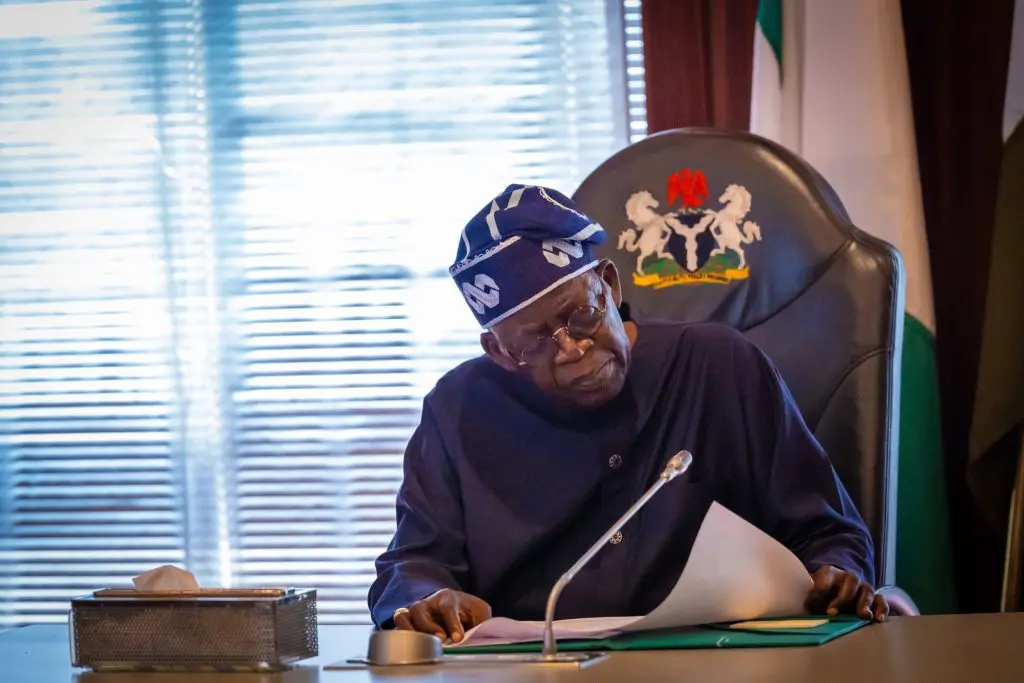
August last year, when President Bola Tinubu sworn in his 46-member cabinet team after successful screening and confirmation by the Senate, there were varied opinions. While some people criticized the number arguing that it would stifle the economy, others believed it was the right way to go considering urgent need for pragmatic development. A school of thought postulated that aside being the largest ministerial cabinet since 1999, the names do not evoke confidence and believability. Another school countered that with the injection of achievers in the private sector, and creation of new ministries, Tinubu’s cabinet should perform. Yet, a different group inferred that with the creation of new ministries including Creative Economy; and re-modelling of few such as Health and Social Welfare; Agriculture and Food Security; Water Resources and Sanitation the cabinet was primed to deliver.
After one year in their various capacities as ministers, just as it was during composition, opinions and views of Nigerians are divided about their performances. There has been wide-ranging comments and criticisms about the cabinet. From reports, it has been deluge of condemnation and few commendation. What about consistent talks of large numbers; wrong deployments; lack of understanding of briefs; and more? For many people, the ministerial team has not lived to the expectations of Nigerians. Some opined that they have not justified the confidence reposed in them by Tinubu.
By their actions, inactions, and activities one can categorize the cabinet in five groups. There are the performers; those showing promises; those who flatter; those missing in action; and outright failures. Some merely make ‘politically correct’ statements with less or no corresponding action. Sadly, there are those who have taken, and maintained sleeping-modes. Some do not have any concrete and ‘see-able’ programme. Some have been innocuously silent, absent, and forgotten by Nigerians. Some have performed abysmally low in spite their initial boastful, and pretentious posturing.
Though there has been near-unanimity of opinion about the whimsical and undulating performances of the ministers, it is not all gloom and moody. Given the aggregation of views and opinions by people, there are few bright lights that evokes inspiration and confidence. In the midst of the class of largely non-ingenious, somewhat confused, overwhelmed, and disappointing failures, few have earned the applause and encomium of Nigerians. To reasonable extent, they have added depth and deliveries to the Tinubu administration. A bird’s eye review of these ministers; in no ranking order will suffice.
Nyesom Wike as the 17th minister of the federal capital territory is a paradox. To some, he is controversial and aggressive. Many others love his direct, frank, and open style of administration. Like or loathe him, vast majority of Abuja residents, and regular visitors commend his business-like approach to the delivery of outstanding projects and programmes spread in and around Nigeria’s capital. Under his watch, in addition to massive infrastructural development geared towards transforming Abuja, he has increased revenue generation to about 126.54 billion naira in the first 6 months of 2024, which is 53.5 percent higher than the figure in 2023. Public service reforms leading to establishment of FCT Civil Service Commission; appointments of Head of Service, and a dozen Permanent Secretaries; creation of Women Affairs, and Youth Development Secretariats. Extension of development to Area Councils to open up, and boost rural economy. Impressed by his excellent work rate and visible achievements, many describe him as the ‘poster boy’ of Tinubu’s government.
One can conclude that the Interior Minister, Olubunmi Tunji Ojo has shown passion, dedication, commitment in his tour of duty. The 42-year old Ondo state-born former lawmaker has displayed ingenuity and fervour in piloting the ministry. With the rare combination of brilliance, education, exposure, and experience, he has recorded achievements. These includes innovative templates for passport processing; clearance of over 200,000 passport backlogs in just 3 weeks. Facilitated the release of over 4,000 prison inmates; payment of outstanding allowances, and improvement of existing welfare structures of agencies; rehabilitation and upgrade of facilities. Cleared over 10 billion naira debts, owed by his predecessors in his first few months; procurement of patrol vehicles, and other necessary operational components for surveillance activities.
Doris Nkiruka Uzoka-Anite, the medical doctor turned banker and financial investment expert superintendents the nation’s industry, trade, investment ministry. Though she oversee a largely unknown but critical sector, she has made encouraging achievements which is expected to manifest from the third quarter of 2025. These includes $30 billion investment commitments by some international companies and agencies; $14 billion worth of FDI inflow; $10 billion offshore investments commitment in Nigeria’s oil and gas free zones. Secured $3 billion facility from AFREXIM to build an industrial park, and light manufacturing expected to generate about 20,000 jobs; over $2 billion partnership with an African Finance Corporation subsidiary to resuscitate the cotton and textile industries for massive economic boost, and job creation. Arguably, the best in the ministry since 1999, she needs to improve her public affairs management.
Under the pragmatic leadership of Engr. Dave Umahi, the Works ministry is being positioned to effectively and efficiently meet the expectations of Nigerians.The Abuja-Kano, Port Harcourt-Enugu expressways, and other federal roads critical to national development are receiving positive look-in. It is expected that Umahi will galvanise the FERMA to fix bad patches of roads across the country. The Aviation and Aerospace Development Ministry has posted some encouraging feats. Under the leadership of Festus Keyamo, the ministry facilitated Air Peace’s Lagos-London route; the US-Nigeria Open Skies Air Transport Agreement which is expected to enable local airlines operate more freely on this routes; resolution of trapped funds for foreign airlines; resolution of the Nigeria/Emirates Airline crisis, and few other initiatives.
Few other ministers overseeing justice; solid minerals; housing and urban development; finance and budget; health and social welfare; digital economy merits measured commendation. Can one say same about their colleagues in defence; education; environment; tourism; science and technology; creative economy; blue economy; agriculture and food security; steel development; water resources and sanitation; and niger delta affairs? Indeed, their respective contributions to the renewed hope agenda requires robust public scrutiny and citizenry inquisition.
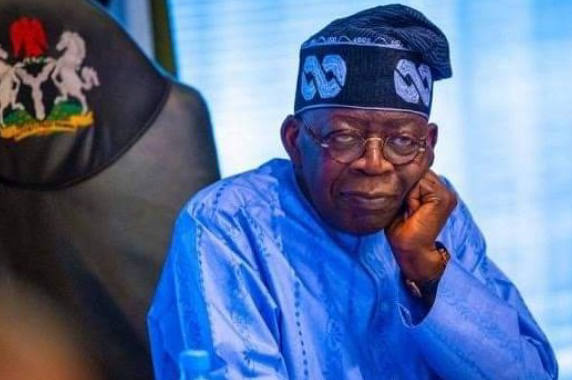
Having grossed one year as cabinet ministers, the searchlight has been on them. There has been repeated calls for total overhaul of the team. Some believe that the non-performance of many ministers has led to preponderance of socio-economic challenges. Pushing further, some argue that Nigerians are wallowing in pervasive poverty, escalating inflation, and gradual moral depravity due to the glaring disconnect between government and citizens. There is the general believe that re-jigging the cabinet is most ideal. Tinubu’s ministers should count themselves lucky for being chosen among 200 million Nigerians. A Yoruba proverb that you can facilitate employment for someone but you can’t do the job is most appropriate at this time. Tinubu should do the needful by embarking upon major surgery on his cabinet; to increase citizens believe, re-focus government, and ensure immediate service delivery. Capacity, competence, experience, and relevance should form the criterion for emplacing the proposed cabinet makeover.
* *BOLAJI AFOLABI, a development communications specialist was with the Office of Public Affairs in The Presidency*