News
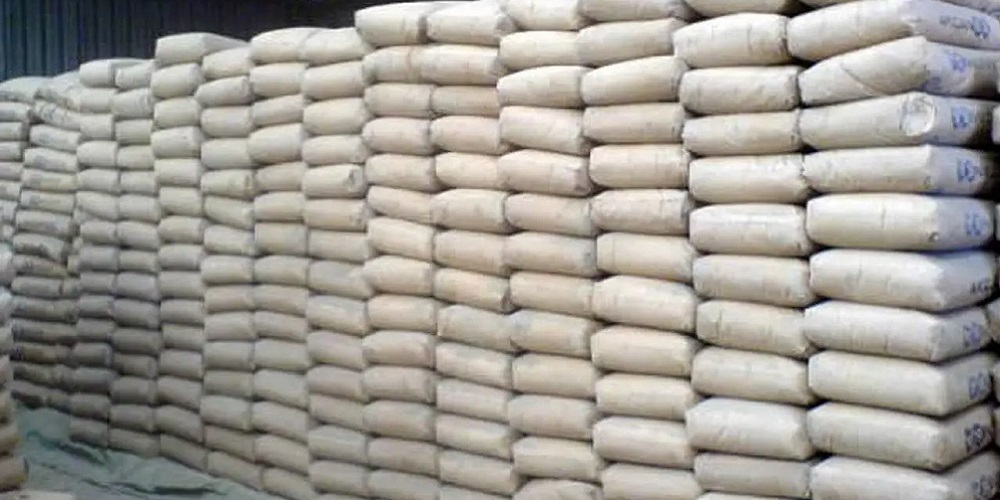
Current Cement Prices: Dangote, BUA, and Others This Week
- /home/naijuinz/public_html/wp-content/plugins/mvp-social-buttons/mvp-social-buttons.php on line 27
https://naijablitznews.com/wp-content/uploads/2024/02/Cement.jpg&description=Current Cement Prices: Dangote, BUA, and Others This Week', 'pinterestShare', 'width=750,height=350'); return false;" title="Pin This Post">
- Share
- Tweet /home/naijuinz/public_html/wp-content/plugins/mvp-social-buttons/mvp-social-buttons.php on line 72
https://naijablitznews.com/wp-content/uploads/2024/02/Cement.jpg&description=Current Cement Prices: Dangote, BUA, and Others This Week', 'pinterestShare', 'width=750,height=350'); return false;" title="Pin This Post">
Cement prices in Nigeria have remained volatile due to a combination of local and global economic pressures, infrastructural challenges, government policies, and market-specific dynamics. This price unpredictability affects key sectors like construction and real estate, where stable cement prices are critical to project planning and execution.

Factors Contributing to Cement Price Fluctuation
1. High Production Costs
Cement production in Nigeria is capital- and energy-intensive, with significant costs associated with raw materials and energy:

Energy Costs: The reliance on diesel and gas generators due to erratic electricity supply inflates production costs.
Raw Materials: Despite Nigeria’s abundant limestone reserves, mining and transportation costs are high due to inadequate infrastructure and security challenges.
2. Limited Industry Competition
Nigeria’s cement industry is dominated by a few major players: Dangote Cement, BUA Cement, and Lafarge. This oligopoly structure reduces competitive pricing:
High Entry Barriers: Capital-intensive investments deter new entrants.
Import Restrictions: Policies limiting cement imports strengthen local manufacturers’ market control, restricting competition and enabling price manipulation.
3. Logistics and Transportation Challenges
Poor infrastructure and security issues increase transportation costs:
Road Infrastructure: Bad roads lead to delays and higher fuel consumption, with costs passed to consumers.
Insecurity: In regions like the North, insecurity increases logistical risks, raising costs for manufacturers and distributors.
4. Exchange Rate Volatility
The naira’s fluctuating value against foreign currencies impacts the cost of imported machinery, spare parts, and raw materials. These costs are often offset by frequent adjustments in cement prices.
5. Demand-Supply Imbalance
High demand driven by urbanization, population growth, and government infrastructure projects often outstrips domestic supply:
Periodic Shortages: Insufficient production capacity leads to supply gaps.
Import Restrictions: Policies aimed at promoting local production reduce overall supply, contributing to higher prices.
6. Taxes and Levies
Cement manufacturers face significant taxes and levies, which are typically transferred to consumers through increased prices.
7. Market Speculation and Hoarding
Speculative practices further destabilize prices:
Hoarding: Distributors hoard cement to create artificial scarcity, driving up prices.
Speculation: Rumors about policy changes or supply disruptions lead to panic buying.
8. Infrastructure Deficiencies
Nigeria’s infrastructure issues exacerbate supply chain inefficiencies:
Port Congestion: Delays at ports affect the timely import of production inputs.
Storage Facilities: Limited storage for raw materials and finished goods contributes to supply shortages during peak demand periods.
9. Global Economic Trends
External events like the COVID-19 pandemic and the Russia-Ukraine war have disrupted supply chains and increased the cost of key production inputs like gypsum and coal, amplifying local price instability.
10. Security Challenges
Security concerns, particularly in mining regions, affect raw material availability and increase risks along distribution routes, inflating overall costs.
Current Cement Prices in Nigeria (Week Overview)
| Cement Type | Price (₦ per 50kg bag) |
|---|---|
| Dangote Cement | ₦9,400 (varies by location) |
| BUA Cement | ₦7,700 |
| POP (Plaster of Paris) Cement | ₦9,700 |
| Lafarge Waterproof Cement | ₦8,900 |
| Water Shield High-Quality Cement | ₦12,000 |
Recommendations for Addressing Price Instability
A multi-pronged approach is essential to stabilize cement prices and ensure sustainable growth in Nigeria’s construction and real estate sectors:
Improve Infrastructure: Upgrading roads, ports, and storage facilities will reduce transportation and logistical costs.
Foster Competition: Encourage new entrants by reducing capital barriers and revisiting import restrictions to increase supply options.
Stabilize Exchange Rates: Strengthening the naira through sound fiscal policies will lower the cost of imported inputs.
Enhance Energy Supply: Investing in reliable electricity infrastructure will reduce reliance on expensive generators.
Regulate Taxes and Levies: Introducing tax reliefs for cement manufacturers can reduce production costs and lower market prices.
Without these interventions, cement prices in Nigeria are likely to remain unstable, posing significant challenges to the nation’s development agenda.
News
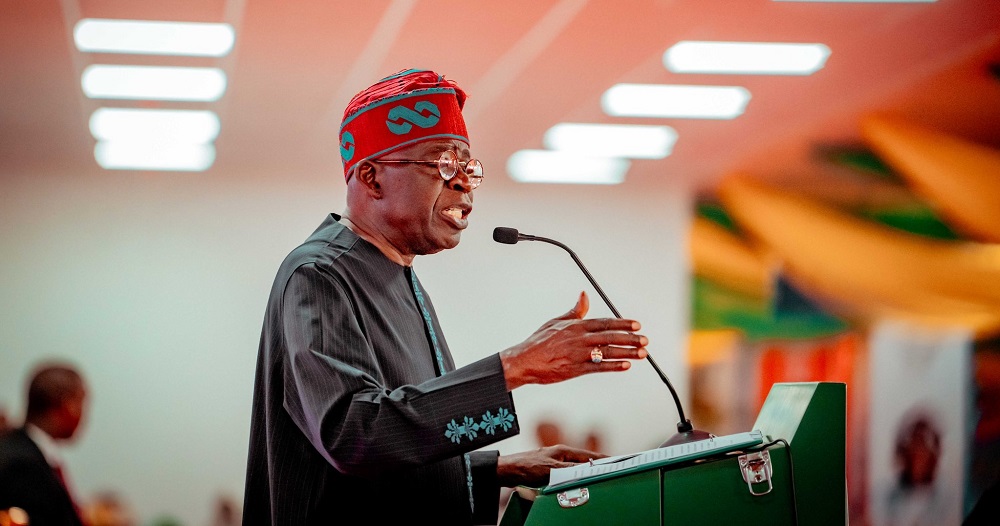
Tinubu’s 3rd Anniversary: Wike Unveils Massive Abuja Transformation, Says Projects Ready for Commissioning(Photos)
As preparations gather momentum for the third anniversary of President Bola Ahmed Tinubu’s administration, the Minister of the Federal Capital Territory (FCT), Nyesom Wike, has declared that major infrastructure projects executed across Abuja are ready for commissioning, describing them as tangible evidence of the President’s commitment to delivering democratic dividends.

Speaking on Thursday after inspecting key projects across the FCT, Wike said the projects reflect the administration’s determination to transform both the city centre and satellite towns through massive investments in infrastructure.
“Governance is about delivering results, and these projects are clear evidence of President Tinubu’s commitment to improving the lives of Nigerians. All the projects we inspected are 100 per cent ready for commissioning,” the minister stated.
The projects inspected include the Jahi-Gwarimpa interchange, the Airport Expressway to Kuje Road, Kuje to Gwagwalada road, the Outer Southern Expressway main carriageways and the aesthetic redesign of the Abuja City Gate.

Wike expressed satisfaction with the quality of works delivered by contractors, noting that residents would continue to reap the benefits of improved transportation and connectivity.
He particularly highlighted the impact of the Airport -Kuje Road and the Kuje to Gwagwalada road, saying they have significantly reduced travel time between the city centre and satellite communities.
“You can now drive from the city to Kuje in less than 25 minutes. This is what governance should be about making life easier for the people and ensuring that development reaches every part of the territory,” he said.

The minister also praised the transformation of the Abuja City Gate, describing it as one of the signature projects that would reinforce Abuja’s image as a world-class capital city.
“We are very happy, particularly with the City Gate. Anyone coming into Abuja will immediately appreciate the beauty and identity of the capital city. It is a landmark project that showcases the ongoing transformation of the FCT,” he added.
According to Wike, the commissioning exercise is expected to commence next week, with the sequence of events subject to final approval by the Presidency.
He disclosed that the Outer Southern Expressway (OSEX) extension and the Airport Road-Kuje Road are among the projects proposed for early commissioning, while other projects will be inaugurated by senior government officials representing the President.
“It is a comprehensive programme and Mr. President may not be able to personally commission all the projects. The Vice President, Senate President, Speaker of the House of Representatives, the First Lady and other senior officials will participate in the exercise,” he said.

The minister further revealed plans for the flag-off of additional road projects, including the Tunga Madaki-Zuba Road and other strategic routes being executed by CCECC, indicating that the FCT Administration was sustaining its aggressive infrastructure drive.
Wike called on the media to help showcase the achievements of the Tinubu administration in the FCT, stressing that the scale of development demonstrates the President’s resolve to modernise the nation’s capital.
“You have seen the transformation yourselves. The media should help tell the story of what is happening in Abuja. These projects are changing both the city centre and the satellite towns, and residents are already beginning to feel the impact,” he said.
The minister commended the contractors for adhering to project timelines and delivering quality infrastructure, expressing confidence that the completed projects would further boost economic activities and improve the quality of life for residents of the Federal Capital Territory.
News
Senate endorses Bill seeking to establish National Agency for Malaria elimination
The Senate has endorsed for third reading a bill seeking the establishment of the National Agency for Malaria Elimination, aimed at coordinating efforts to prevent, control, and eventually eradicate malaria in Nigeria.
The bill, sponsored by Senator Ned Nwoko (Delta North), was passed following the consideration and adoption of a report by the Senate Committee on Health (Secondary and Tertiary), chaired by Senator Ipalibo Harry Banigo (Rivers West).
According to the committee, the proposed agency will coordinate national malaria elimination programmes and shift the country’s response from treatment-focused interventions to prevention and eradication strategies.
The agency is also expected to establish zonal and state offices to drive implementation through a framework anchored on law, science and accountability.
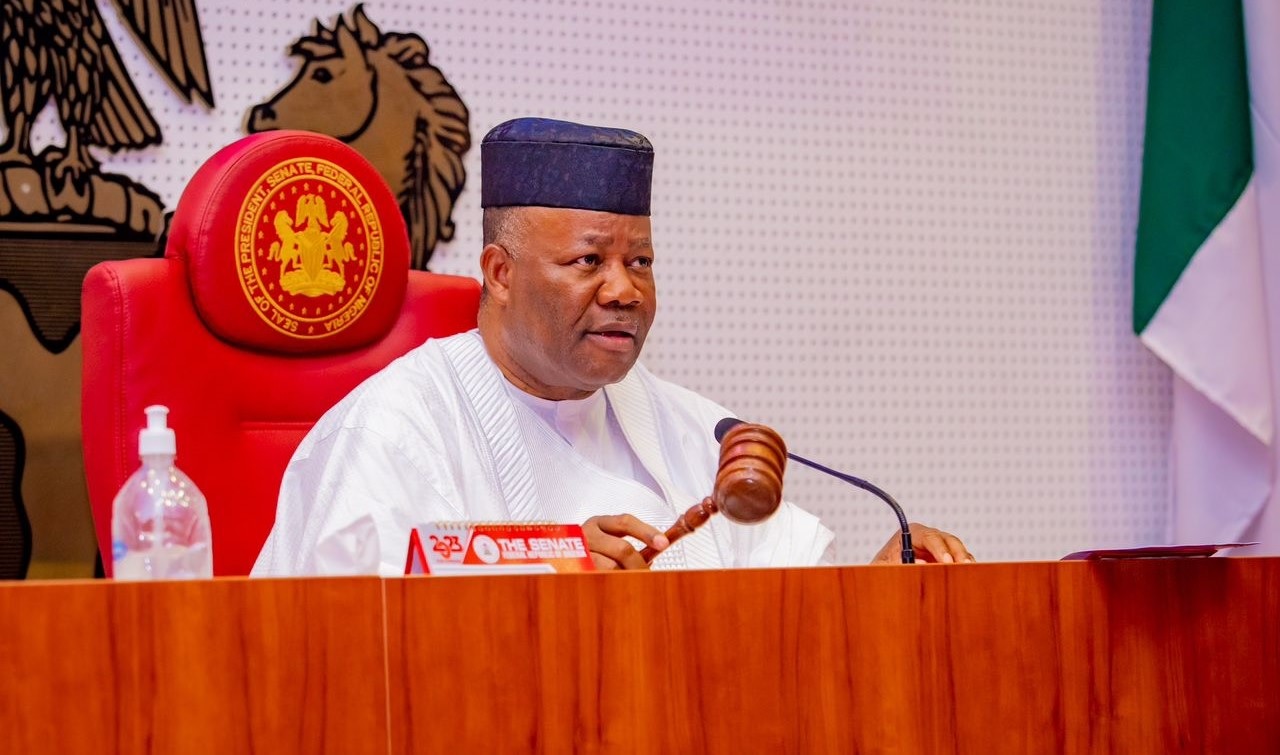
President of the Senate, Godswill Akpabio, described the legislation as a landmark step in the fight against malaria, noting that the disease remains one of Nigeria’s most common health challenges.
Speaking with senate correspondents after the passage, Nwoko expressed confidence that malaria elimination in Nigeria is both practical and achievable.
He said the proposed agency would deploy strategies such as effective waste management, environmental fumigation and vaccine research to combat the disease, adding that its establishment could position Nigeria as the first malaria-free country in Africa.
MalariaTreatment For Newborns
Last month, the World Health Organisation announced that it had given prequalification approval to a malaria treatment for newborns and infants for the first time.
Artemether-lumefantrine is the first antimalarial formulation designed specifically for the youngest victims of the mosquito-borne disease.
It said that the prequalification designation indicated that the medicine met international standards of quality, safety and efficacy.
Before the prequalification approval, infants have been treated with formulations intended for older children — carrying a greater risk of dosage errors, side effects and toxicity.
“For centuries, malaria has stolen children from their parents, and health, wealth and hope from communities,” said WHO’s chief Tedros Adhanom Ghebreyesus.
“But today, the story is changing. New vaccines, diagnostic tests, next-generation mosquito nets and effective medicines, including those adapted for the youngest, are helping to turn the tide.
“Ending malaria in our lifetime is no longer a dream — it is a real possibility, but only with sustained political and financial commitment. Now we can. Now we must,” he added.
In 2024, there were an estimated 282 million malaria cases and 610,000 deaths in 80 countries, according to the WHO, and Africa accounts for 95 per cent of cases and deaths, with children under five accounting for three-quarters of those deaths.
The UN health agency says progress against malaria is being hampered by drug resistance, insecticide resistance, diagnostic failure and sharp reductions in foreign aid spending.
Globally, 70 per cent of countries do not have regulatory systems that are robust enough to oversee medicines, vaccines, tests and medical devices.
Credit: Channels TV
News
Chimamanda’s son: Board certified physician says “we want to see justice served”
A board-certified internal medicine physician, Dr. Anthea Nwandu, has called for Justice to be served in the case involving renowned writer Chimamanda Adichie, whose son was said to have died following alleged negligence by a hospital.
Nwandu stated this during an interview on Channels Television’s The Morning Brief on Thursday.
“The expectation is that the inquest proceeds as planned. We just want to see justice served, due process followed. We want to not have to deal with more and more delays by Euracare’s counsel.
“The delays are just like driving a nail in the wound. It’s just painful, so we expect justice to be served. We expect the legal process to proceed as planned without further delays,” she said on the breakfast show.
We were told that it has been adjourned till October. This is a proceeding that was supposed to have been started back in April, May, and now June; more and more delays now it has been postponed until October, so we just expect that Justice is served and the legal process is followed,” the physician said while speaking on the adjournment of the case.
According to her, the families are devastated.
“As you can well imagine, the families are continuing to be devastated. It’s an unimaginable experience, and they are not doing well; having this case drawn through public scrutiny like this is just extremely painful, honestly.
“Even getting to the end of the case will not bring Nkanu back, but to some degree it’s important for us to get answers, to understand why this happened and get justice done.
This drawn-out proceeding is not helping at all, and so it’s just so painful,” Nwandu added.
Her remarks come after Adichie lost her son on January 7, 2026, at Euracare Multi-Specialist Hospital.
An inquest into Nkanu Nnamdi Esege’s death commenced on February 25,2026.
However, in May, the coroner sitting at the JIC Taylor Courthouse, Lagos Island, suspended the hearing into the cause of 21-month-old Nkanu’s death, pending further directives from the chief coroner, Justice Mojisola Dada.
On Wednesday, the coroner sitting at the JIC Taylor Courthouse, Lagos Island, further adjourned the case to October 8,2026.
Channels TV
-
News11 hours agoBREAKING: Armed men abduct 4 including 11-year- old, Kill vigilante in FCT satellite town, Kubwa
-
News17 hours agoNERC flags off net billing regulations 2026 for renewable energy export to DisCos
-
News18 hours agoCreating Additional Border Communities ‘ll Solve Insecurity – Senator Agadaga
-
Sports18 hours agoNigeria’s Super Eagles Held By Poland In Warsaw
-
News11 hours ago2027: Donald Duke qualified to be our presidential candidate – PRP
-
News14 hours agoBandits: They still prefer to return to terrorist activities despite their rehabilitation – John Enenche
-
News10 hours agoNUPENG Deputy President Oladejo Felicitates Comrade Akinlaja at 76
-
News9 hours agoVideo: FCT minister Wike embarks on final inspection of Kuje airport road

Warning: Undefined variable $user_ID in /home/naijuinz/public_html/wp-content/themes/zox-news/comments.php on line 49
You must be logged in to post a comment Login