By Chukwuka Kanu


The National Boundary Commission (NBC) has reaffirmed its commitment to addressing boundary disputes, fostering peaceful coexistence, and promoting sustainable development in Nigeria’s border regions.
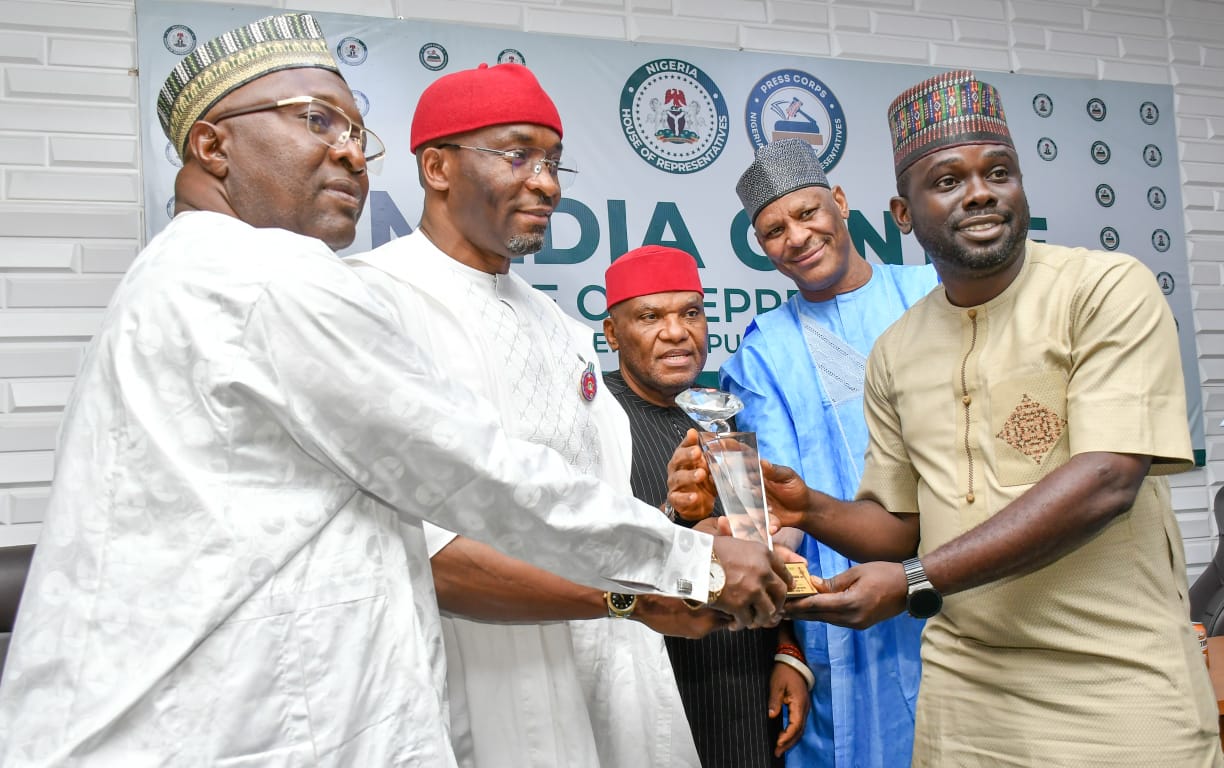
This assertion was made by the director-general, Surv. Adamu Adaji, through the director in charge of interstate boundaries, Surv. Dr. Emmanuel Bulus, during the commission’s 2024 end-of-year media session on Thursday in Abuja. 
He acknowledged that, despite the successes achieved, the commission still faces hurdles such as inadequate resources, insecurity in certain areas, and resistance from stakeholders. However, the NBC remains committed to overcoming these challenges through strategic partnerships and innovative strategies.
Read full text below:
Ladies and gentlemen of the Press, distinguished guests, and my esteemed management staff,
Good evening, and thank you for joining us at this 2024 end-of-year media parley. This occasion provides an opportunity to reflect on our achievements, address the challenges we have encountered, and share our vision for the year ahead.
The National Boundary Commission (NBC) remains steadfast in its mandate to resolve boundary disputes, promote peaceful coexistence, and drive sustainable development across Nigeria’s boundary regions.
Achievements in 2024
1. Interstate Boundary Department: Boundary Delimitation and Demarcation.
The resolution of interstate boundary disputes remained a top priority for the NBC and in 2024, we made significant strides in the following areas:
The Anambra/Enugu Boundary disputes saw the introduction of an innovative and dynamic approach otherwise known as the “Anambra/Enugu Home grown Formula,” been introduced to resolve the interstate dispute between the sister states leveraging local engagement and political will to advance the demarcation process.
Benue/Nasarawa Boundary: We successfully revived stalled pillar emplacement projects by harmonizing historical records and facilitating renewed dialogue between stakeholders.
Kebbi/Niger Boundary: Technical committees were established to evaluate historical documents and execute boundary tracing setting the stage for peaceful resolutions.
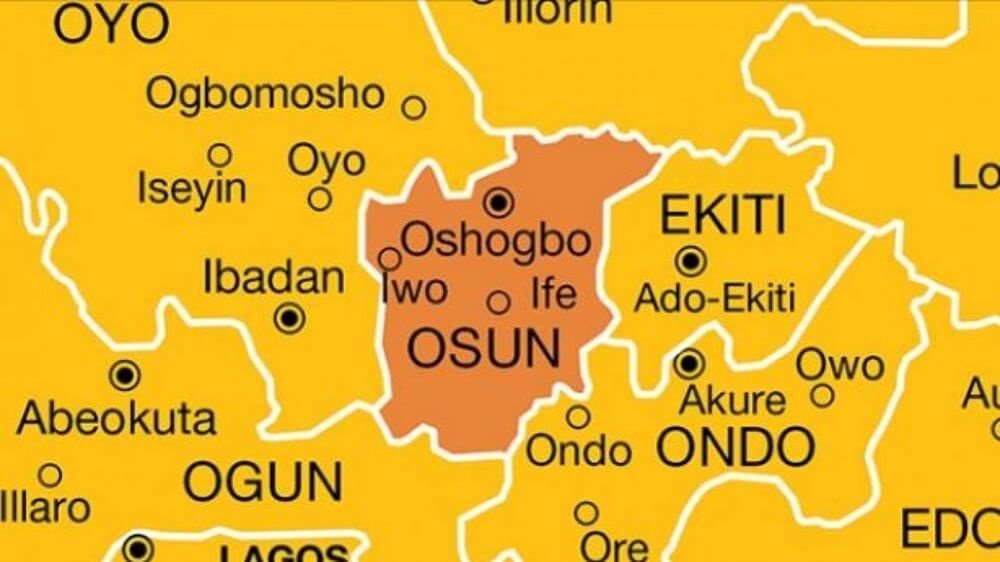
Field and Technical Exercises: Our team conducted extensive verification and alignment exercises on boundaries including Gombe/Taraba, FCT/Nasarawa, the Enugu/Kogi and determination of the Ekiti/Ondo/Osun tripartite point.
These efforts demonstrate our commitment to ensuring accuracy, fairness, and peaceful coexistence along Nigeria’s interstate boundaries.
2. Research and Policy Analysis Department
To enhance evidence-based decision-making, the NBC prioritized research and policy analysis in 2024:
Digitization of Records: The NBC’s library was fully digitized, modernizing archival practices and ensuring easier access to critical historical and legal documents.
Ethnographic Studies: Comprehensive studies were conducted along key boundaries such as Osun/Ogun and Adamawa/Taraba, these studies provided vital insights into cultural and socio-economic dynamics directly contributing to the formulation of conflict resolution strategies.
Sensitization workshop for boundary managers in Bauchi, covering seven states.
These initiatives underscore the importance of research in shaping effective boundary policies and fostering long-term stability.
3. Training and Capacity Building
Recognizing the importance of human capital development, the NBC invested significantly in training and capacity-building programs for staff and stakeholders in 2024.
Training Sessions: Focused on modern boundary management techniques and the application of advanced technologies, performance management system(PMS) participants acquired skills to enhance operational efficiency and accuracy in boundary surveys, demarcation activities and stakeholder engagement.
This investment in knowledge and skills will continue to yield dividends for the Commission and the nation in the years to come.
4. Maritime Boundaries Department
The Maritime Boundaries Department achieved remarkable milestones in 2024, advancing Nigeria’s maritime interests and fostering peaceful boundary resolutions.
Key achievements include: Nigeria/Ghana Maritime Boundary: Resumption of boundary negotiations and establishment of a Joint Technical Committee, with plans for the first Ghana/Nigeria Boundary Commission meeting in 2025.
Nigeria/Equatorial Guinea Maritime Boundary: Proactive engagements for sustainable resource management in the Gulf of Guinea, with discussions scheduled for early 2025.
Extended Continental Shelf: Capacity-building efforts, including officers training in Tanzania, focused on managing this vital maritime zone.
Deep Seabed Mining Advocacy: A sensitization workshop in September positioned Nigeria to seize opportunities in this emerging sector.
Collaboration and Partnerships: Facilitated the gazetting of host communities along the shoreline and collaborated with NASRDA on geospatial data management systems.
Achievements: International Boundaries Department for 2024
1. Nigeria-Benin International Boundary
The NBC facilitated several meetings aimed at resolving longstanding issues along the Nigeria-Benin international boundary. Key milestones included the inaugural session of the Committee of Experts on the Adjara River Sector, held in Porto Novo, Benin Republic, and subsequent meetings that screened and agreed on essential documents for resolving disputes in the Adjara river sector. Additionally, technical committees plotted historical treaties to better understand the boundary’s behavior in three states. along the Illo/Bugu sector.
2. Nigeria-Niger International Boundary
Significant strides were made along the Nigeria-Niger boundary with the sensitization of communities in Adare and Maigatari sectors, preparatory to the construction of 40 intermediate pillars in Jigawa State. These pillars, constructed between existing primary pillars, aim to make the boundary more visible and reduce disputes.
3. Nigeria-Cameroon International Boundary
The Commission completed the construction of 254 pillars in Borno State along the Nigeria-Cameroon boundary. It also hosted the 6th Extraordinary Session of the Cameroon-Nigeria Mixed Commission in Yaoundé and undertook confidence-building initiatives in Adamawa, Borno, and Cross River States. Field assessments in Adamawa addressed disagreement areas, culminating in the 30th Project Steering Committee meeting in Lagos, where recommendations were made for resolving disputes.
4. Community Resettlement Projects
To support communities affected by boundary realignments, the NBC completed the construction of solar-powered boreholes in Banki town (Borno State) and Hadejia (Jigawa State). These efforts are critical in improving the livelihoods of displaced populations and fostering peaceful coexistence.
Through these initiatives, the International Boundaries Department has reinforced Nigeria’s commitment to peaceful boundary management, fostering cooperation with neighboring countries, and enhancing the welfare of border communities.
6. Cross-Border Cooperation
Cross-border cooperation remains a cornerstone of our mandate, reflecting Nigeria’s commitment to regional and continental integration:
In 2024, we advanced these initiatives on several levels:
National Level: The NBC Operationalized bilateral platforms along Nigeria’s international boundaries. These platforms, covering Nigeria/Benin, Nigeria/Niger, Nigeria/Chad, Nigeria/Cameroon and Nigeria’s maritime borders, promote peaceful coexistence and mutual cooperation among border communities.
Regional Level: As a leader in the ECOWAS Cross-Border Cooperation initiative, Nigeria continues to champion the free movement of people, goods, and services within West African.
Continental Level: Nigeria Ratified the African Union Niamey Convention on Cross-Border Cooperation. This step enhanced peaceful border management, strengthened border security, and unlocks economic opportunities under the African Continental Free Trade Agreement (AfCFTA),
Through this effort we are transforming borders from barriers into bridges of cooperation and development.
Challenges
Despite these successes, challenges such as limited resources, insecurity in certain regions, and stakeholder resistance continues to pose huddles. However, the NBC remains committed to overcoming these obstacles through strategic partnerships and innovative solutions.
Strategic Goals for 2025
As we look forward to the future, the NBC is committed to expanding its impact and ensuring sustainable management of Nigeria’s boundaries. Our strategic goals for 2025 include:
1. Accelerate the Resolution of Boundary Disputes: Strengthen collaborations with state governments, traditional rulers, and community stakeholders to expedite dispute resolution and foster lasting peace.
2. Expand Public Awareness Campaigns: Roll out nationwide sensitization programs to educate citizens on the importance of boundaries in fostering unity and national development.
3. Strengthen Grassroots Conflict Resolution Mechanisms: Equip local leaders and boundary communities with tools for resolving conflicts amicably and sustainably.
4. Enhance Technological Integration: Invest in advanced geospatial technologies, drones, and mapping tools to improve accuracy and efficiency.
5. Promote Regional and International Cooperation: Advance cross-border agreements to enhance security, stimulate trade, and foster regional integration under the AfCFTA.
6. Bolster Capacity Building Initiatives: Organize specialized training sessions on maritime law, conflict resolution, and boundary management.
7. Operationalize the Extended Continental Shelf: Develop a roadmap for sustainable exploitation of maritime resources in compliance with international laws.
8. Strengthen Data Management Systems: Collaborate with NASRDARMFAC(REVENUE MODEL) and other agencies for a harmonized geospatial database.
9. Support Climate Resilience Along Boundaries: Implement projects addressing coastal erosion, desertification, and resource conflicts.
10. Foster Inclusive Participation: Ensure representation and inclusion of women, youth, and marginalized groups in decision-making processes.
Closing
I wish to use this occasion to extend my heartfelt gratitude to the Federal Government, State governments, traditional rulers, development partners, and our border communities for their unwavering support. I also would like to commend the Media for their unwavering support and for playing a critical role in disseminating accurate information and fostering public understanding of our mandate.
As we conclude this year, let us remember that boundaries are not just lines on a map but instruments of unity, growth, and development. Together, we can make 2025 even more impactful by building bridges of cooperation, ensuring peaceful coexistence, and unlocking the full potential of our nation and region.
Thank you for listening, and I look forward to your questions.