
News
Sharia law’ll cause anarchy in S’West, traditional leaders warn




Peeved by the reported move to introduce Sharia law in South-West, traditional leaders in the region have warned that any attempt to initiate such a law will cause anarchy, division, and instability.
According to them, Sharia law, in any form, is unsuitable for Yorubaland.
Earlier, PUNCH Online reported that a flier went viral on Tuesday, inviting guests from across the country to the inauguration of a Sharia court scheduled for January 11, 2025, at the Muslim Community Islamic Centre, Oba Adeyemi High School Road, Mobolaje Area, Oyo.
The flier listed the Bashorun of Oyo Land, High Chief Yusuf Akinade Olayinka I, as the Royal Father of the Day; the Mufairu of Oyo Land, Alhaji Abdullateef Eleyele, as the Spiritual Father of the Day; and the Aare Musulumi of Oyo Land, Alhaji Tajudeen Kamorise, as the Chief Host.
However, the event drew criticism from a cross-section of Nigerians, with many arguing that the predominantly Yoruba South-West is distinct from the northern region, where Muslims are in the majority.
In 2021, the President of the Pentecostal Fellowship of Nigeria, Bishop Wale Oke, cautioned the Senate against covert attempts by certain groups to introduce Sharia law to the South-West through the ongoing constitution review.
In response, the Director of the Muslim Rights Concern, Ishaq Akintola, urged the PFN to “mind its business and stop opposing Muslims’ right to operate Shariah.”
The push for Sharia law in the region faced resistance and was ultimately dismissed at the time.
Addressing the recent call for the introduction of Sharia law in the South-West, Oyo State Governor Seyi Makinde acknowledged the proposed Sharia court and the controversy it had sparked.
“Regarding the establishment of a Sharia court in Oyo town, people may try, but as for me, I swore to uphold our laws and the Constitution of Nigeria. If their actions are within the law, fine; if not, they should expect that I will insist the law must be followed,” the governor stated in a broadcast.
Meanwhile, the announcement has ignited heated debates, with critics warning that introducing a Sharia court could disrupt the state’s religious harmony.
Rejecting the proposal, the Aare Ona Kakanfo of Yorubaland, Gani Adams, told Saturday PUNCH that introducing Sharia law in Oyo State would create significant problems.
He argued that implementing Sharia law in Yorubaland, a multi-religious region, would be extremely challenging.
“I am not against Sharia law; it is a good law. But it is easier to implement in the North. Even in the North, Sharia law is not deeply enforced in the Middle Belt, because the majority there are Christians.
“We have been running the South-West with the modern constitution, promoting coexistence among religions. We do not want religion to divide us,” Adams stated.
He advised the Oyo State Government to tread carefully, as religion is a sensitive issue in Yoruba land.
Gani Adams added, “Sharia law has been in place in the 19 northern states of Nigeria, based on the penal code. Since Nigeria’s inception, the southern part has been using the modern Constitution of the Federal Republic of Nigeria. For anyone to want Sharia law introduced to Yorubaland is to plan for division, disunity, and anarchy.”
He highlighted the region’s unique social fabric, saying, “In Yorubaland, there is intermarriage; you’ll see a Muslim marrying a Christian, and a Christian marrying a traditionalist. I was born a Muslim. Today, I am a Muslim, Christian, and traditionalist. We do not define ourselves based on religion.”
He also noted that in Oyo State, the Muslim and Christian populations were almost equal, as they were in Ogun and Lagos states, whereas Christians remained the majority in Ondo and Ekiti states.
Also speaking with Saturday PUNCH, the Olugbon of Orile-Igbon in Oyo State, Oba Francis Alao, Akinbola I, noted that the type of religion practised in northern Nigeria was not applicable in the southern part.
He explained that in the South-West, people drank alcohol, which is prohibited by Sharia law, and enforcing such a law would be anti-people.
The monarch stated, “This will not work in Yorubaland. Our strength is our social life. If we accept Sharia law, how many people will conform to it? This will later bring chaos and instability. It will also interfere with the peaceful coexistence in Yoruba land.”
He added, “This will not work in the South-West because of our way of life. I don’t foresee Sharia law happening now. Our diversity in religion is our strength. Irrespective of our religions, what matters most is that we live in unity and love. I don’t have anything against any religion as long as the public accepts it. The government needs to carry the people along and sample their opinions.”
The Eselu of Iselu kingdom, in Yewa North LGA of Ogun State, Oba Akintunde Akinyemi, kicked against Sharia law in the South West and called on other traditional rulers in Yorubaland to reject it.
He said, “Nigeria is a multi-religion country for Muslims, Christians and traditionalists, so bringing Sharia to Oyo and the South West is imposing a religion on others and we have to respect ourselves.
“It is a way of fueling an unnecessary crisis in the South West. We have enough problems already in the region; we should not allow religion to bring another civil war into this country.
“The constitution of the country should be paramount to all of us, including traditional rulers; they should not bring religious law into the constitution of the country. Everybody should rise against this, irrespective of religion.”
Law threatens secularity – CAN
The President of the Christian Association of Nigeria, Daniel Okoh, said the Christian body was working on a reaction to the matter.
He said, “We are working on it. At the appropriate time, we’ll come out with our position.”
But the Oyo State Chairman of CAN, Apostle Joshua Akinyemiju, dismissed the initiative, describing it as unconstitutional and a threat to the state’s secular nature.
He stated, “This should not happen in Oyo State, where Christians and Muslims coexist in nearly every family. There’s no law to support this, and the government is not aware. We won’t allow anything that jeopardises the peaceful coexistence we enjoy.”
It’s not a court – Shari’ah committee
Amid the growing tension, the organisers of the event postponed the inauguration indefinitely.
Speaking to Saturday PUNCH, the Chairman of the Sharia Committee of Oyo land, Rafiu Bello, said he had nothing further to add.
In a statement shared with our correspondent, the committee clarified that it was not inaugurating a Sharia court, but an arbitration panel.
The statement read in part, “The postponement is informed by the inadvertent reference to the programme as the inauguration ceremony of a Sharia Court in Oyo town and its environs instead of the Independent Sharia Arbitration Panel.
“Such an arbitration panel, which already exists in many parts of the South-West, is only meant to settle family disputes among willing Muslims, without any power of enforcement. It is not a court.”
The statement concluded by noting that a new date would be announced for the inauguration ceremony.
Also, an Islamic cleric and lecturer of Islamic Studies at the Lagos State University, Ojo, Dr Sidiq Uthman, explained that the establishment of a Sharia court was intended to allow Muslims to resolve their issues in accordance with Sharia principles.
He clarified that such a court would only be relevant for committed Muslims.
He said, “The court is a place where Muslim families can come for adjudication or reconciliation in matters of inheritance, divorce, or child custody. These are the issues they want to address, not what is being sensationalised on social media. This has nothing to do with any religion. When they wanted to introduce Islamic banking, it was the same misunderstanding that people thought it was about Islamising Nigeria. Everyone has the right to practise their religion, and there’s freedom of association.”
Similarly, the National President of the Islamic group, Jamaat Taawunil Muslimeen, Sheikh Daood Imran, emphasised that Sharia law is a system Muslims use to settle disputes within their community.
He said, “There are three groups of believers in Nigeria: Muslims, Christians, and traditionalists, each with their own belief systems. This is not a court. The Christians own the High Court, traditionalists own the Customary Court, and Muslims follow Sharia law.”
Credit: PUNCH









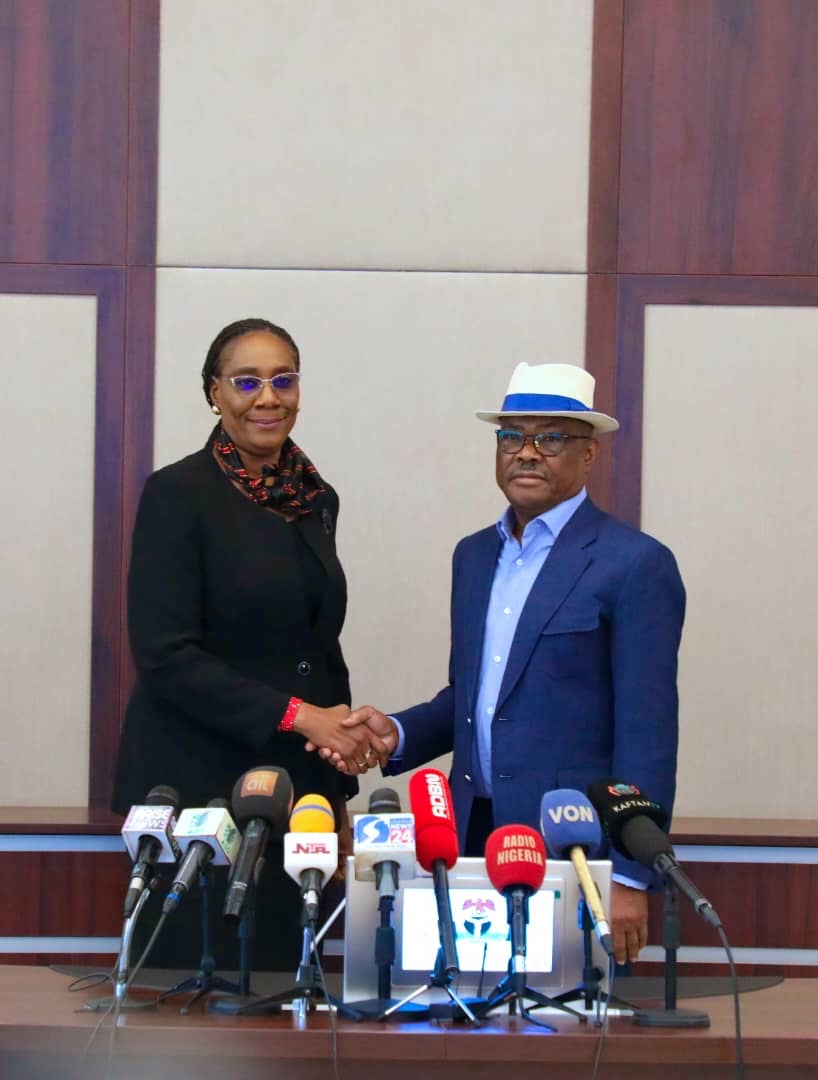
The Minister of the Federal Capital Territory (FCT), Nyesom Wike, has granted an immediate waiver of fees for the Certificate of Occupancy (C of O) for the Nigerian Law School’s Abuja campus in Bwari.
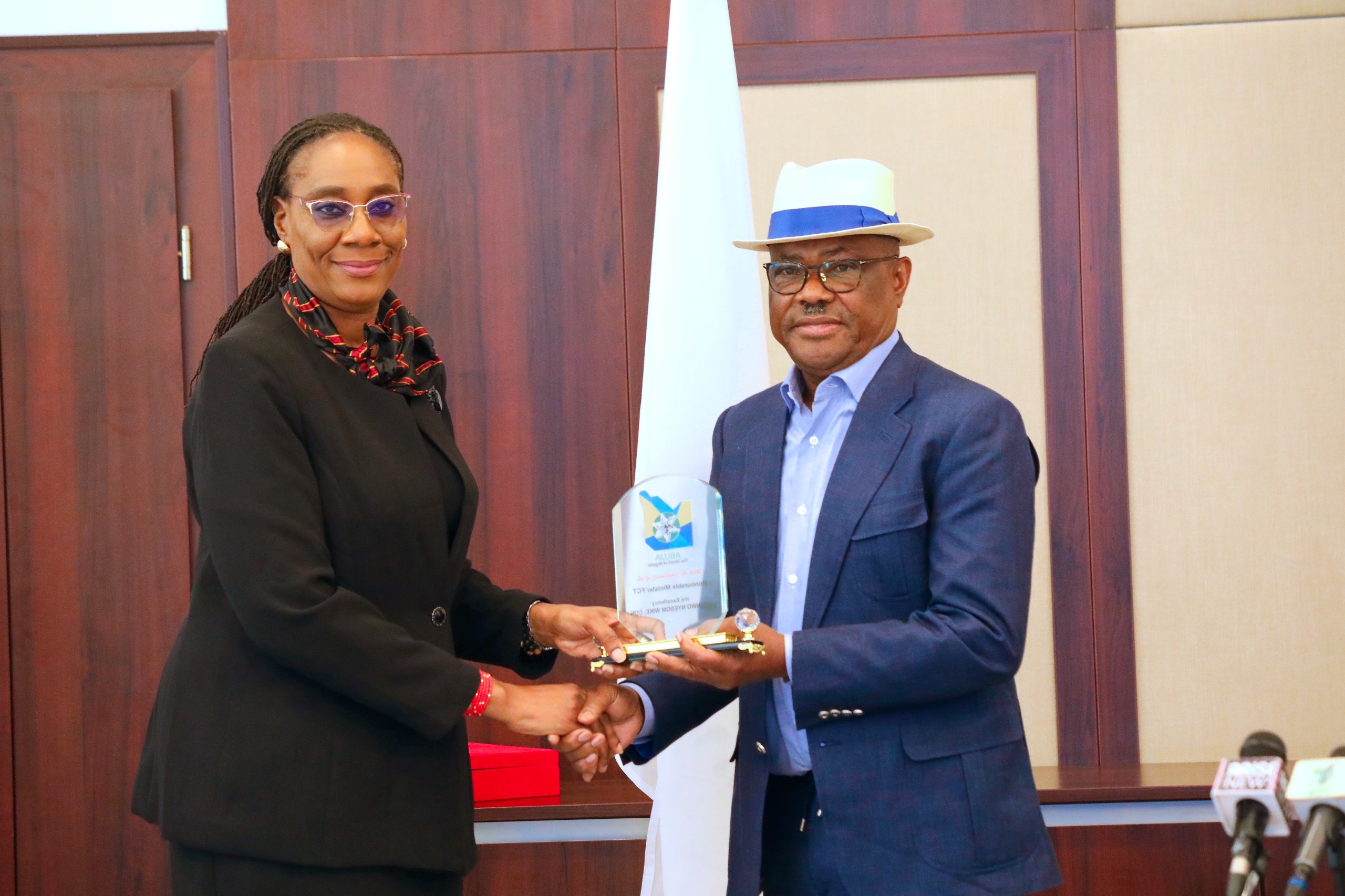
Speaking during a meeting with the school’s management in Abuja, Wike also declared an “emergency” on the construction of staff quarters and other critical infrastructure to enhance the institution’s learning environment.
Responding to an appeal from the Director-General of the Nigerian Law School, Dr. Olugbemisola Titilayo Odusote, Wike expressed surprise that the institution had operated without a C of O since moving to Bwari.
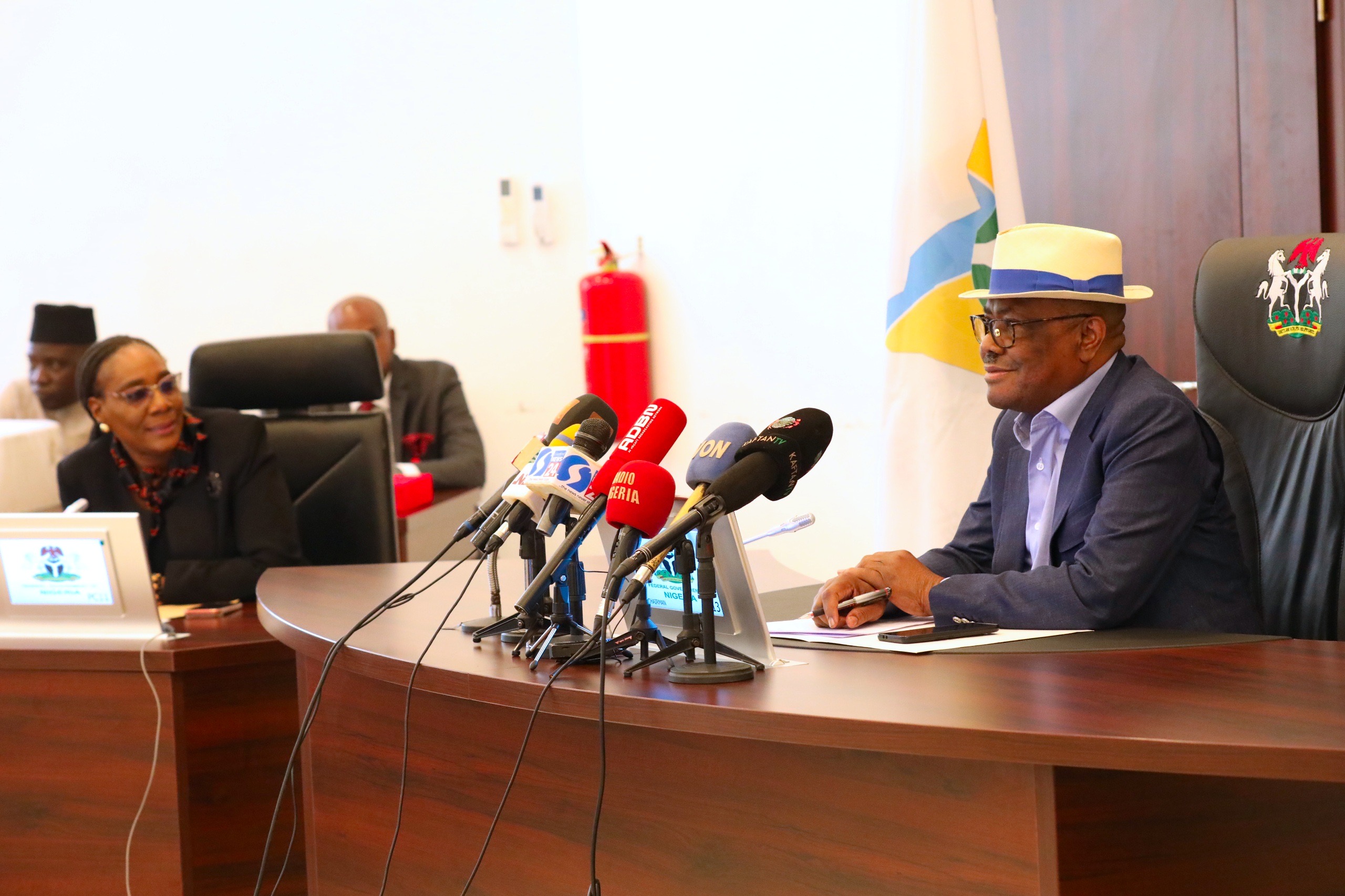
He described the lack of official documentation for government institutions as a trend that his administration is actively correcting.
The Minister directed the Director of Lands to waive all processing fees for the school’s C of O, and issued a firm directive to ensure the document is processed and ready within one week.
He noted that regularizing the land is essential to move the school from what he colloquially termed an “illegal session” to rightful ownership.
Beyond land matters, the Minister committed the FCT Administration (FCTA) to several high-priority projects aimed at resolving overcrowding and improving staff efficiency.
Wike announced that 10 staff quarters have already been completed and will be commissioned as part of the President’s third anniversary.
He further pledged to construct an additional 10 units using existing prototypes to save on design costs.
According to him, work is progressing on two new hostels—one for male students and one for female students—to alleviate overcrowding.
The Minister confirmed he has approved the budget for a new auditorium and questioned why the contractor had not yet moved to the site.
To modernize administrative functions, Wike directed the school to liaise with the FCTA General Counsel, to explore digitization solutions similar to ongoing efforts at the FCT High Court.
Wike emphasized that these interventions are part of President Bola Ahmed Tinubu’s broader agenda to support legal education and the judiciary.
He noted that the President is currently constructing “presidential apartments” for judges to ensure their security, welfare, and autonomy.
”Anything we can do to help our children, we are willing to do that,” Wike stated, adding that the staff quarters must be treated as an emergency project to ensure rapid delivery.
Earlier, Dr. Odusote congratulated the Minister on his appointment and praised the visible infrastructure developments across the FCT, while highlighting the specific challenges of disrepair and infrastructure deficits facing the Law School.
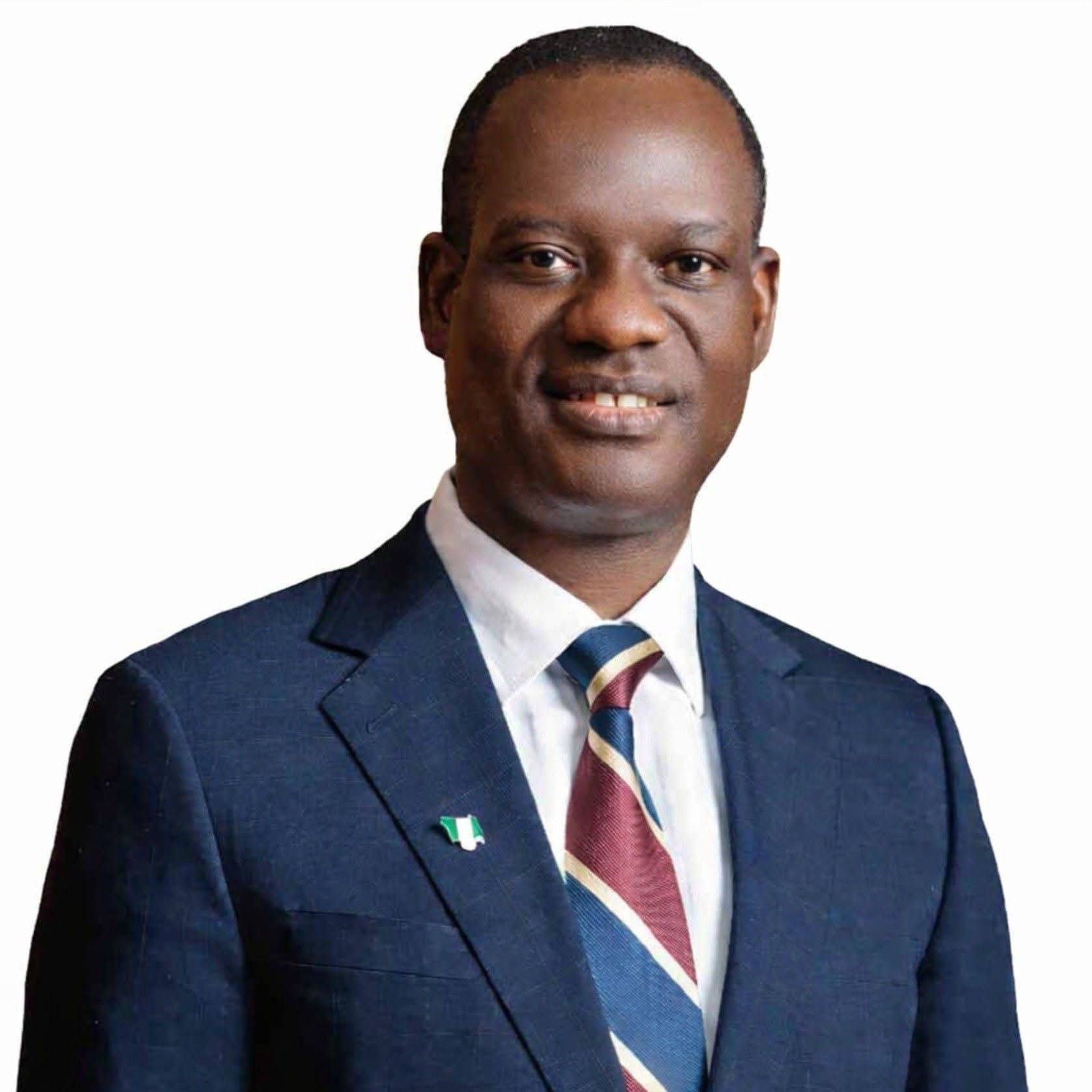
Nigeria’s Minister of Finance and Coordinating Minister of the Economy, Taiwo Oyedele, has assured investors that the government will stay the course on economic reforms, declaring that policy reversals will not define the current phase of the country’s economic management.
The Minister stated this while speaking at the launch of the Nigerian Economic Summit Group Private Sector Outlook 2026 in Lagos on Thursday.
Oyedele said the administration is shifting from stabilisation to measurable growth, where reforms will be judged by outcomes rather than intent.
His comments came barely 48 hours after he assumed office, following the exit of Wale Edun from the Federal Executive Council.
“We are not looking back,” Oyedele said, stressing that consistency in policy direction remains critical to investor confidence.
He warned that mixed signals or abrupt reversals could stall progress, noting that “businesses need to know that today’s decisions will still hold tomorrow.”
While pointing to early signs of macroeconomic stabilisation, including a more aligned exchange rate and improved revenue performance, the minister said these gains must translate into tangible outcomes such as job creation, productivity growth and better living standards.
He identified four priorities for driving investment in the next phase which includes, policy consistency, predictability across fiscal and regulatory frameworks, reduction in the cost of doing business, and improved access to capital.
On financing, Oyedele said the government is working to expand credit across the economy, from consumer lending to industrial financing, with support from institutions such as the Bank of Industry, to stimulate growth and unlock private sector participation.
He added that Nigeria must target stronger real GDP per capita growth to make a meaningful impact on poverty, noting that modest growth figures would not be sufficient given the country’s population dynamics.
The minister further described the current stage of reforms as decisive, where success will depend on execution. “Reforms on their own do not create growth. We need investment at scale,” he said, adding that investors respond to stable and predictable environments, not policy announcements.
On the area of productivity, Oyedele said Nigeria must move beyond consumption-driven expansion and focus on improving output and competitiveness in key sectors, including agriculture, manufacturing, energy and the digital economy.
He also called for deeper collaboration between government and the private sector, maintaining that economic growth cannot be delivered by public policy alone.
As the country enters what he termed a consolidation phase, Oyedele said the government would continue to deepen reforms, strengthen public financial management and improve coordination across all tiers of government.
He, however, acknowledged risks, including reform fatigue, inflationary pressures from global uncertainties, and political tensions ahead of the election cycle, but maintained that these challenges are surmountable with discipline and cooperation.
“Our task now is execution,” Oyedele said.
“This phase demands focus, consistency and accountability. That is the direction we are pursuing he added
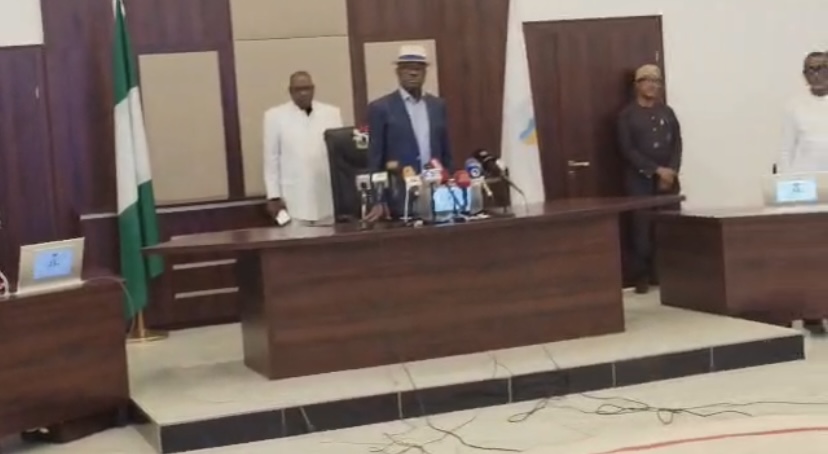
The Federal Capital Territory FCT minister Nyesom Wike is presently holding a meeting with primary school teachers in the Territory over ongoing strike.
Watch:

Wike waives C-of-O fees for Nigerian Law School, orders emergency staff housing(Photos)

We’re not going to reverse reforms, Finance Minister, Oyedele tells investors

FCT minister Wike engages teachers over strike(Video)




-

 News19 hours ago
BREAKING: Finally, Power Minister, Adelabu resigns from Tinubu’s cabinet
-
 News23 hours ago
Gumi wants Nigerian government to consider dialogue in tackling terrorism
-
 News23 hours ago
Kano Gov nominates Garo as deputy
-
 News23 hours ago
Iran Seizes Two Ships attempting to cross Strait of Hormuz
-

 News24 hours ago
“Nigeria Too Blessed to Be Poor” — Agro Firm Boss Pushes Value-Driven Farming Revolution
-

 Economy9 hours ago
FG, states, LGs share N2.036trn March revenue
-

 News10 hours ago
Adeleke inaugurates 52-member campaign council for August guber polls
-
 News20 hours ago
Reps Begin Review of Police Trust Fund Law, Tighten Timeline for Committee Work
You must be logged in to post a comment Login