
News
Read reaction of Nigerians to N30m fees in Lagos school



By Kayode Sanni-Arewa
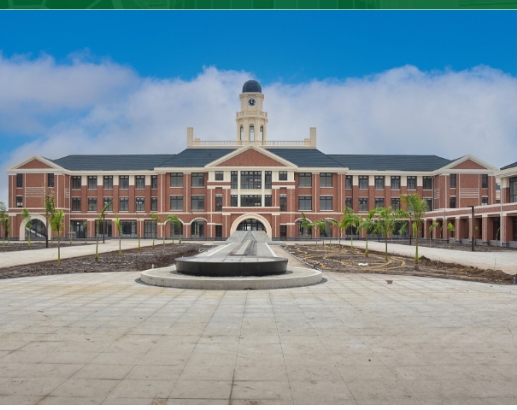
Charterhouse, a British independent school located in the Lekki area of Lagos State, has once again sparked controversy over its fees, drawing criticism from Nigerians on social media.
According to its website, the Charterhouse Family of Schools has been a leading name in British education for over 400 years. The Lagos campus, the first African branch of Charterhouse UK, admitted its first set of students in September 2024, catering to Year 1 through Year 6 pupils.
The school previously faced criticism in April 2024 for its tuition fees, which were reportedly as high as N42 million per year, alongside a N2 million non-refundable registration fee. This sparked widespread backlash, with many questioning the affordability of the institution for the average Nigerian family.
The debate resurfaced on Thursday following a video shared on X.com by user #itzbasito, captioned, “This is what the inside of the most expensive school in Lagos looks like. It costs N42 million per year.”
The video, attributed to Charterhouse, however, claimed that tuition and accommodation cost less than N30 million. The post has since garnered over 9,200 interactions on X.com, with many Nigerians criticising the costs, stating that even N30 million is excessively high.
One user, #TheWaleOrire, tweeted on Friday, “If the government can’t regulate school fees in primary and secondary schools, how can we achieve standardised universal basic education? There’s absolutely no reason why any secondary school in Nigeria should be charging N42 million per year.”
He added, “This only widens the gap between the lower, middle, and upper classes, turning education into a luxury for the rich instead of a right for every child. We need urgent reforms to bridge this inequality.”
Other users echoed similar sentiments, arguing that the fees primarily catered to the wealthy elite.
#OAAdeniji wrote, “There is no way anyone in Nigeria, earning in Naira, will be paying N42 million per year for a secondary school student, no matter what they are being taught. This is more than outrageous.”
Another user, #toofighting, remarked, “You’d find that the students are mostly children of expatriates, and those fees are paid by the companies their parents work for. Most Nigerian parents cannot pay that sum out of pocket.”
Similarly, #rusticfunmi commented, “N42 million per annum just so some people can feel superior that their children will be taught by whites… sorry, ‘expatriates.’”
In contrast, some users defended the school, arguing that it caters to a specific segment of society.
#Arsenicscot tweeted, “They don’t have the majority as their market target. All these una complain na for una pocket. When admission commences, the school will be filled; it won’t be scanty. The owners of the school know the segment of the population they are targeting. They won’t beg for students.”
Another user, #Treazyblaq, added, “If they can afford it, why not? These schools offer more than just education; they’re valuable for networking and building connections that can benefit the future. It’s an investment, not just in education but in opportunities and overall growth.”
The video also detailed the school’s boarding arrangements, stating that students would share rooms with three others, each having their own bed and private space. This sparked additional criticism, with some questioning the value provided.
#SandraAdaeze4 commented, “N30 million a year only to share a room with four other students.” Similarly, #citiii added, “For that amount, there is no reason why each student shouldn’t have their own room or, at worst, two per room.”
Charterhouse’s website details its tiered fee structure for founding students, with tuition ranging from N16.1 million for Years 1–2 to N24 million for Year 9. Weekly boarding costs an additional N5 million, while full boarding is N7 million per year.
PUNCH reported in August 2024 that the Founding Head and Director of Education at Charterhouse, John Todd, clarified misinformation regarding the school’s fees.
He said, “In April, there was an online reaction to our school fees, which sparked a lot of discussion, with some people reacting to the figure of N42m. I want to set the record straight: our fees are currently N26m, not N42m. We’ve never charged N42m.”
The Punch







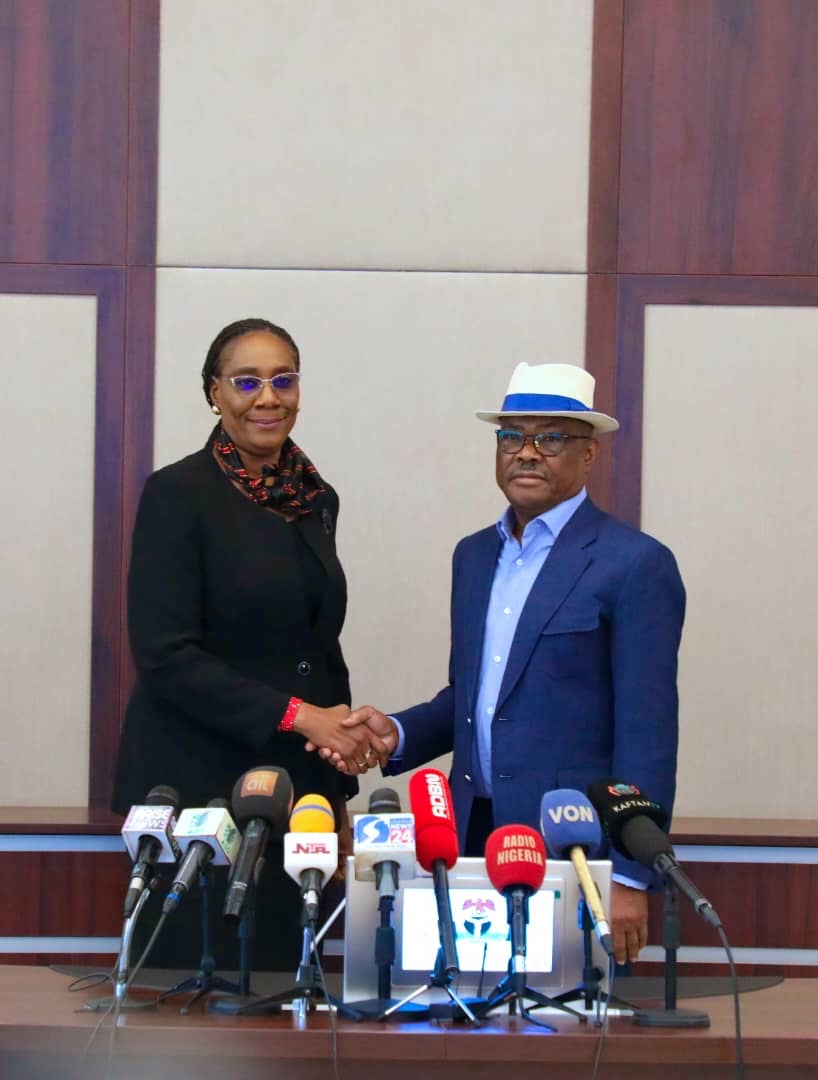
The Minister of the Federal Capital Territory (FCT), Nyesom Wike, has granted an immediate waiver of fees for the Certificate of Occupancy (C of O) for the Nigerian Law School’s Abuja campus in Bwari.
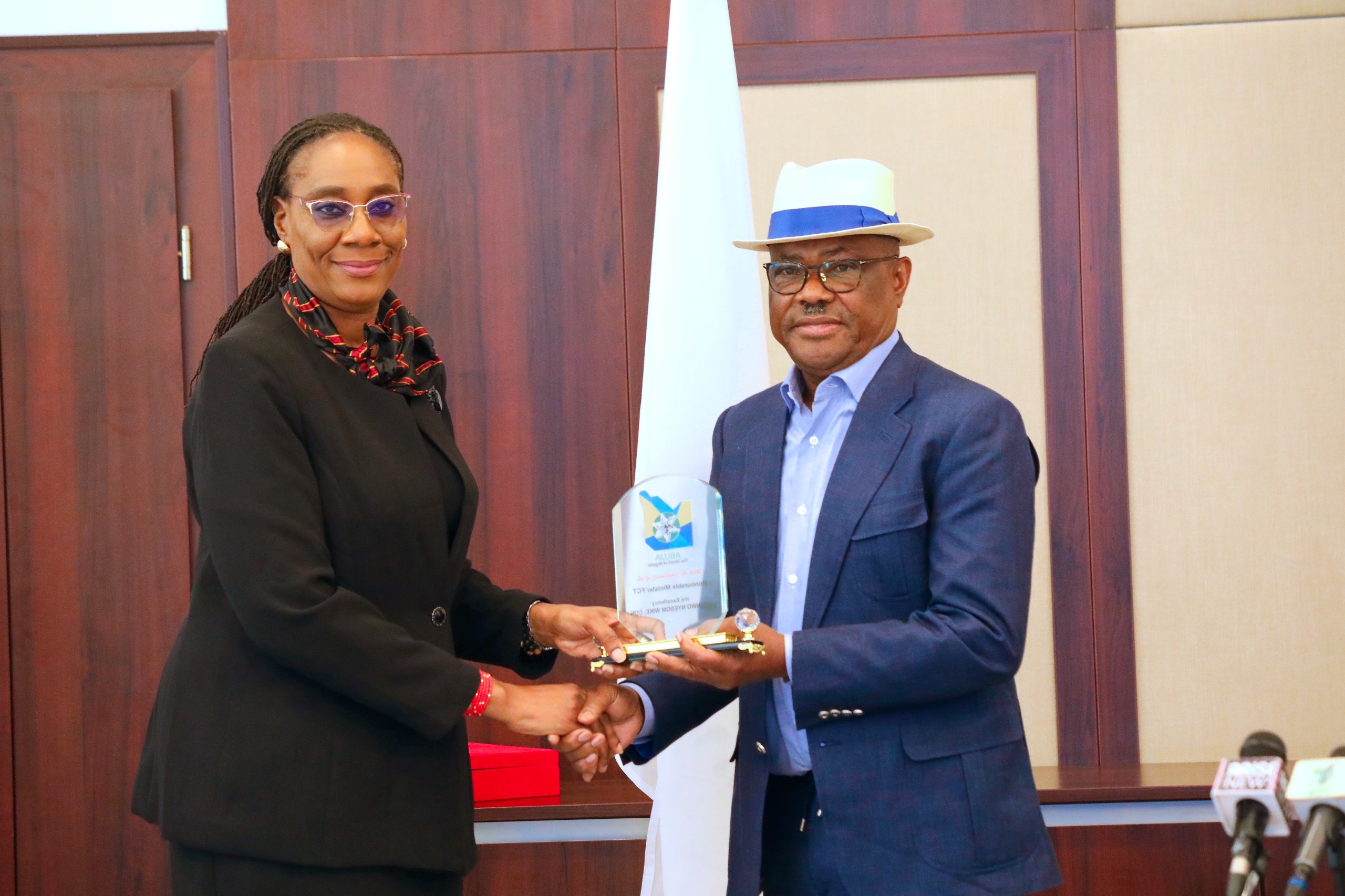
Speaking during a meeting with the school’s management in Abuja, Wike also declared an “emergency” on the construction of staff quarters and other critical infrastructure to enhance the institution’s learning environment.
Responding to an appeal from the Director-General of the Nigerian Law School, Dr. Olugbemisola Titilayo Odusote, Wike expressed surprise that the institution had operated without a C of O since moving to Bwari.
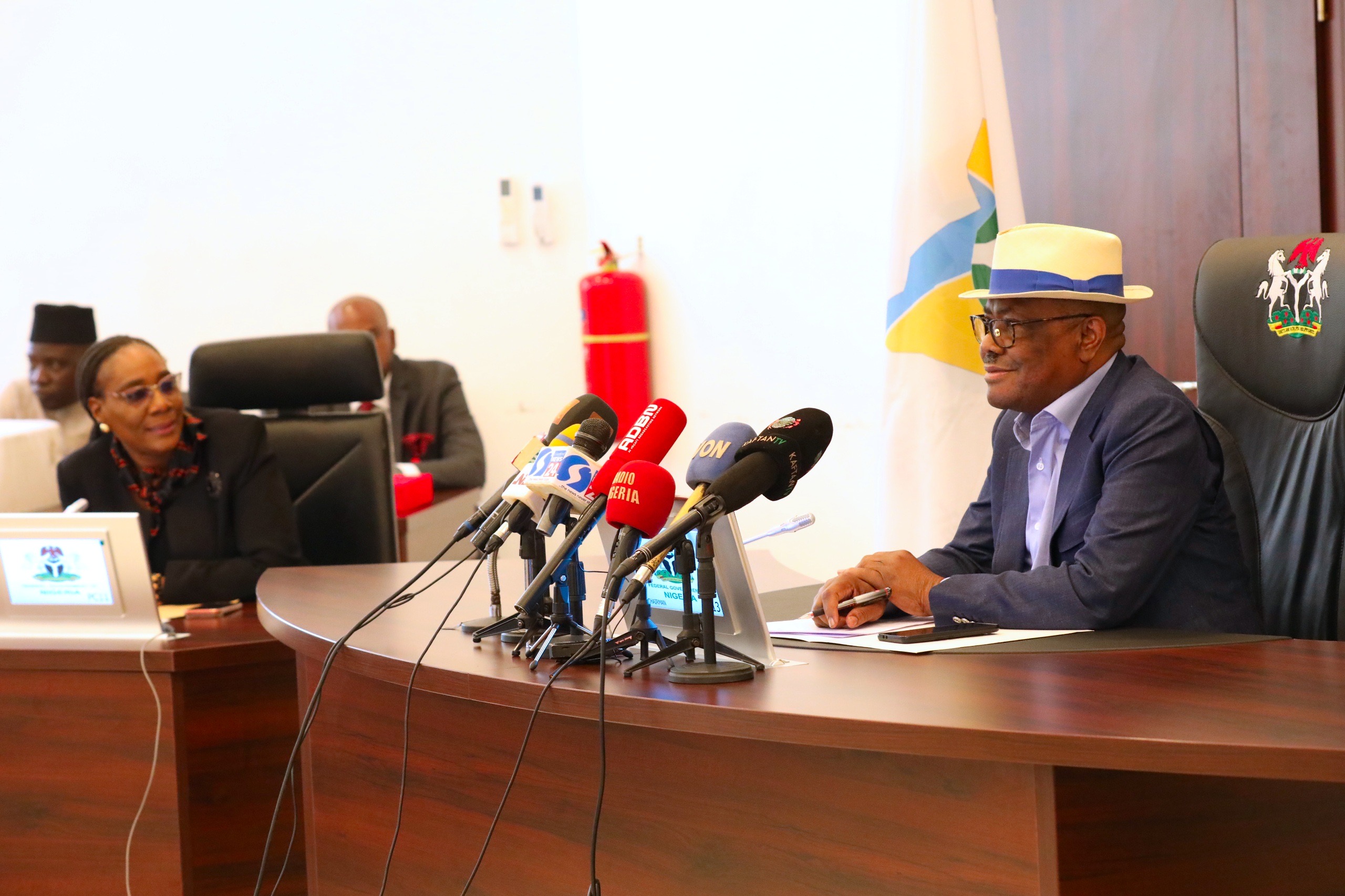
He described the lack of official documentation for government institutions as a trend that his administration is actively correcting.
The Minister directed the Director of Lands to waive all processing fees for the school’s C of O, and issued a firm directive to ensure the document is processed and ready within one week.
He noted that regularizing the land is essential to move the school from what he colloquially termed an “illegal session” to rightful ownership.
Beyond land matters, the Minister committed the FCT Administration (FCTA) to several high-priority projects aimed at resolving overcrowding and improving staff efficiency.
Wike announced that 10 staff quarters have already been completed and will be commissioned as part of the President’s third anniversary.
He further pledged to construct an additional 10 units using existing prototypes to save on design costs.
According to him, work is progressing on two new hostels—one for male students and one for female students—to alleviate overcrowding.
The Minister confirmed he has approved the budget for a new auditorium and questioned why the contractor had not yet moved to the site.
To modernize administrative functions, Wike directed the school to liaise with the FCTA General Counsel, to explore digitization solutions similar to ongoing efforts at the FCT High Court.
Wike emphasized that these interventions are part of President Bola Ahmed Tinubu’s broader agenda to support legal education and the judiciary.
He noted that the President is currently constructing “presidential apartments” for judges to ensure their security, welfare, and autonomy.
”Anything we can do to help our children, we are willing to do that,” Wike stated, adding that the staff quarters must be treated as an emergency project to ensure rapid delivery.
Earlier, Dr. Odusote congratulated the Minister on his appointment and praised the visible infrastructure developments across the FCT, while highlighting the specific challenges of disrepair and infrastructure deficits facing the Law School.
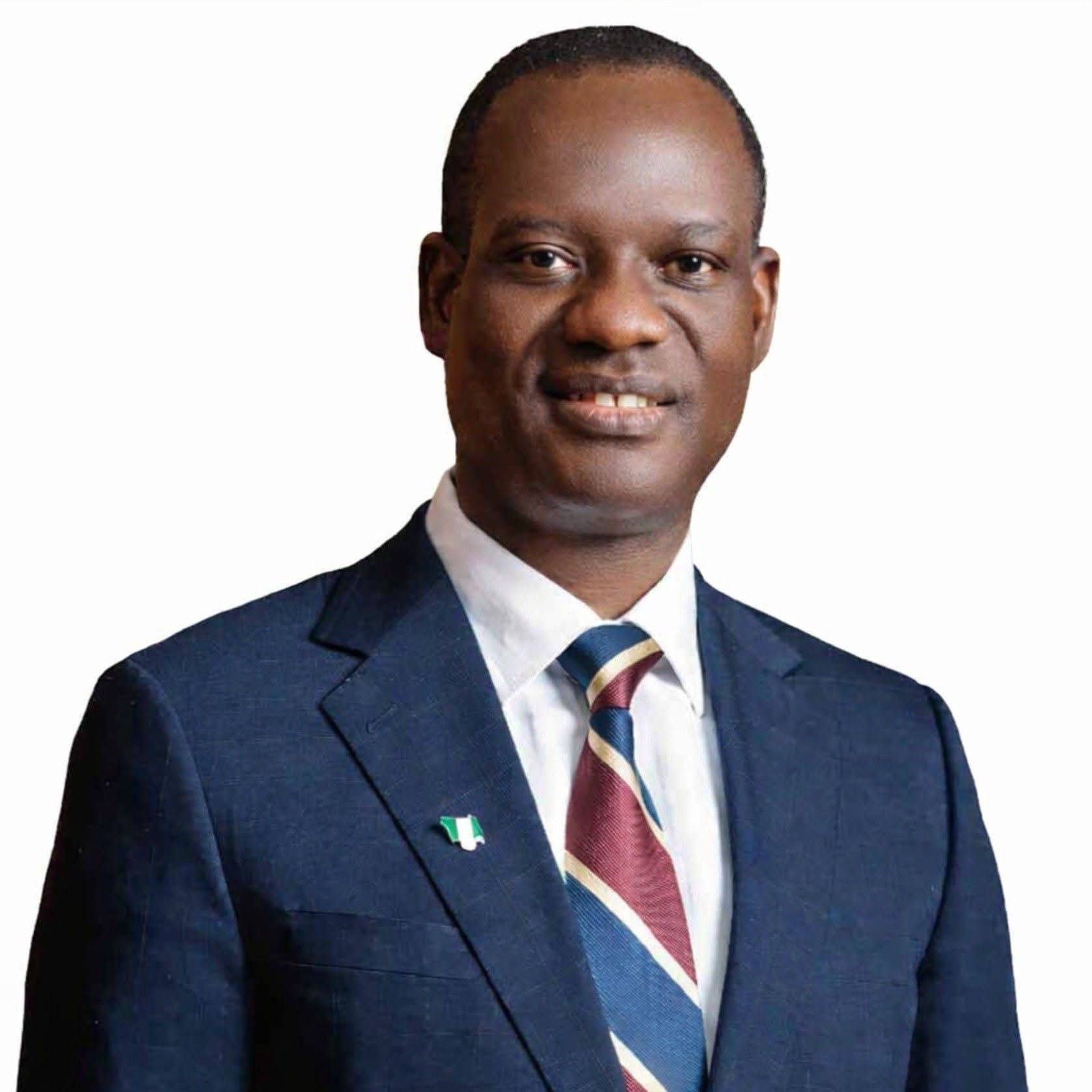
Nigeria’s Minister of Finance and Coordinating Minister of the Economy, Taiwo Oyedele, has assured investors that the government will stay the course on economic reforms, declaring that policy reversals will not define the current phase of the country’s economic management.
The Minister stated this while speaking at the launch of the Nigerian Economic Summit Group Private Sector Outlook 2026 in Lagos on Thursday.
Oyedele said the administration is shifting from stabilisation to measurable growth, where reforms will be judged by outcomes rather than intent.
His comments came barely 48 hours after he assumed office, following the exit of Wale Edun from the Federal Executive Council.
“We are not looking back,” Oyedele said, stressing that consistency in policy direction remains critical to investor confidence.
He warned that mixed signals or abrupt reversals could stall progress, noting that “businesses need to know that today’s decisions will still hold tomorrow.”
While pointing to early signs of macroeconomic stabilisation, including a more aligned exchange rate and improved revenue performance, the minister said these gains must translate into tangible outcomes such as job creation, productivity growth and better living standards.
He identified four priorities for driving investment in the next phase which includes, policy consistency, predictability across fiscal and regulatory frameworks, reduction in the cost of doing business, and improved access to capital.
On financing, Oyedele said the government is working to expand credit across the economy, from consumer lending to industrial financing, with support from institutions such as the Bank of Industry, to stimulate growth and unlock private sector participation.
He added that Nigeria must target stronger real GDP per capita growth to make a meaningful impact on poverty, noting that modest growth figures would not be sufficient given the country’s population dynamics.
The minister further described the current stage of reforms as decisive, where success will depend on execution. “Reforms on their own do not create growth. We need investment at scale,” he said, adding that investors respond to stable and predictable environments, not policy announcements.
On the area of productivity, Oyedele said Nigeria must move beyond consumption-driven expansion and focus on improving output and competitiveness in key sectors, including agriculture, manufacturing, energy and the digital economy.
He also called for deeper collaboration between government and the private sector, maintaining that economic growth cannot be delivered by public policy alone.
As the country enters what he termed a consolidation phase, Oyedele said the government would continue to deepen reforms, strengthen public financial management and improve coordination across all tiers of government.
He, however, acknowledged risks, including reform fatigue, inflationary pressures from global uncertainties, and political tensions ahead of the election cycle, but maintained that these challenges are surmountable with discipline and cooperation.
“Our task now is execution,” Oyedele said.
“This phase demands focus, consistency and accountability. That is the direction we are pursuing he added
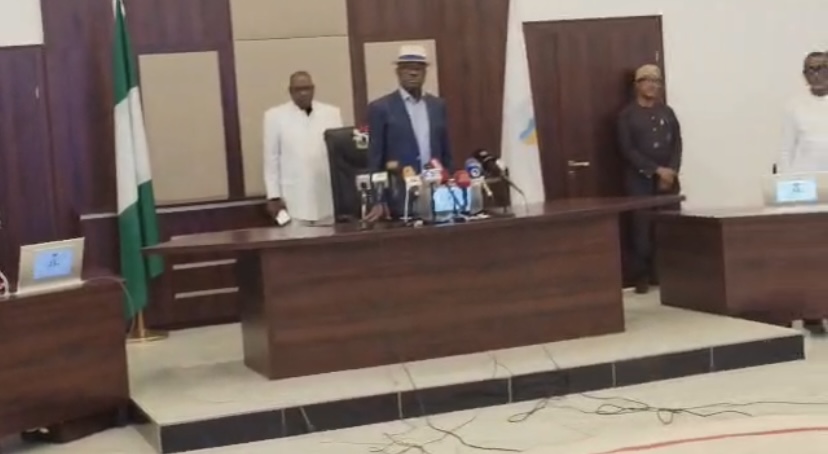
The Federal Capital Territory FCT minister Nyesom Wike is presently holding a meeting with primary school teachers in the Territory over ongoing strike.
Watch:

Wike waives C-of-O fees for Nigerian Law School, orders emergency staff housing(Photos)

We’re not going to reverse reforms, Finance Minister, Oyedele tells investors

FCT minister Wike engages teachers over strike(Video)




-

 News19 hours ago
BREAKING: Finally, Power Minister, Adelabu resigns from Tinubu’s cabinet
-
 News23 hours ago
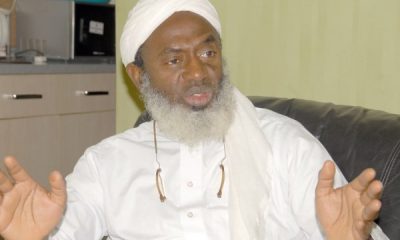
Gumi wants Nigerian government to consider dialogue in tackling terrorism
-
 News23 hours ago
Kano Gov nominates Garo as deputy
-

 News24 hours ago
“Nigeria Too Blessed to Be Poor” — Agro Firm Boss Pushes Value-Driven Farming Revolution
-

 News23 hours ago
Iran Seizes Two Ships attempting to cross Strait of Hormuz
-
 Economy9 hours ago
FG, states, LGs share N2.036trn March revenue
-
 News10 hours ago
Adeleke inaugurates 52-member campaign council for August guber polls
-
 News10 hours ago
Nigeria’s ambassador-designate to Algeria dies before resumption
You must be logged in to post a comment Login