By Kayode Sanni-Arewa


Latest data shows there were 5,000 patients with the virus being treated in hospital at the end of last week – almost 3.5 times higher than the same week in 2023, although not as high as in 2022.
The head of the Royal College of Emergency Medicine told the BBC that pressure on hospitals is “unacceptably awful” and flu is pushing them to breaking point. 
It comes as health officials warn about the impact of the very cold weather expected this weekend on vulnerable patients, and the health system.
Prof Julian Redhead, NHS national clinical director for urgent and emergency care, said the figures show “the pressure from flu was nowhere near letting up before we headed into the new year, skyrocketing to over 5,000 cases a day in hospital as of the end of last week and rising at a very concerning rate”.
“With what looks like an extreme cold snap expected right across England ahead of the weekend, we know the low temperatures can be dangerous for those who are vulnerable or have respiratory conditions,” he added.
Prof Redhead says people at risk should try to keep warm and make sure they are stocked up on any regular medication.
It is not unusual to see an increase in flu during winter. The UK Health Security Agency says “this was anticipated” and that is why it has been urging those eligible to have a free flu vaccine, particularly health and social care workers.
Some 33% of pregnant women, 37% of people in an at-risk group and 73% of over-65s have had the jab, according to the latest vaccination figures.
‘Lack of beds’
Hospitals have put extra beds in place this year to help deal with the pressure on admissions created by flu and other winter viruses, including Covid and norovirus (the winter vomiting bug).
NHS chiefs say they have also added more support for people who frequently need emergency services, with more care being delivered outside hospitals.
Matthew Taylor, chief executive of the NHS Confederation, said the NHS had done “all it could” in advance to reduce risk to patients, but the service remained in a position of “national vulnerability” with “intense pressures” starting to impact local services.
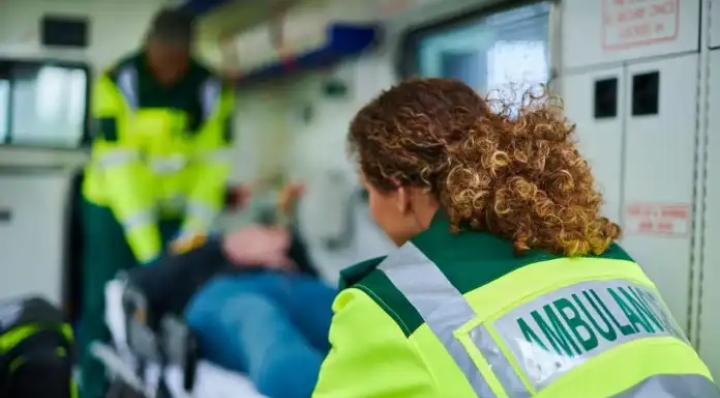
Figures for last week show some 12,200 patients were left waiting in ambulances for more than an hour before they could be cared for in hospital.
Dr Adrian Boyle, head of the Royal College of Emergency Medicine, told BBC Radio 4’s Today programme that it was a very difficult time for both patients and staff.
“What we are seeing is ambulances are frequently stuck outside emergency departments, and our emergency departments are full.”
He said there was “an enormous amount of avoidable harm – excess deaths that shouldn’t be happening”.
Flu is the straw that is breaking the camel’s back – because we have this chronic lack of beds within our hospitals, and we don’t use those beds properly because we haven’t reformed social care,” he added.
His criticism comes on the day the health and social care secretary set out plans for reforming adult social care in England, although they are unlikely to be delivered before 2028 at the earliest.
A number of hospitals across different regions in England have restricted visits and asked patients and visitors to wear face masks to prevent further spread of flu.
In Scotland, there has also been a large rise in the number of people in hospital with flu. Earlier this week, First Minister John Swinney said the NHS was under “very significant pressures”.
A Welsh government spokesperson said there were continued “high levels of demand” on urgent and emergency care services this winter, and an increase in flu cases had added further pressure during the Christmas period.
What are flu symptoms?
Flu symptoms can progress very quickly and include:
a sudden high temperature
an aching body
feeling tired or exhausted
a dry cough
a sore throat
a headache
feeling, and being, sick
Children and adults are affected in a similar way.
Who is eligible for a free flu jab?
A free flu vaccine is available to those considered at higher risk of becoming seriously ill from flu during late autumn and early winter, including people:
aged 65 or over
with certain long-term health conditions
who are pregnant
who live in a care home
are the main carer for an elderly or disabled person, or receive a carer’s allowance
live with someone who has a weakened immune system
are a front-line health and social care worker
Children aged 2-3 and school-aged children are also offered a vaccine.
Anyone in eligible groups in England can book their vaccination through their GP surgery or local pharmacy, where available, or contact their employer if they are an NHS front-line worker.
People can also pay for vaccines privately at some pharmacies.
Why is flu so bad this year?
Flu creates problems every winter, being the season when viruses spread with ease, and can cause some to become very ill.
The severity of seasonal flu varies from year to year, depending on many factors, including which strains of the flu virus are most dominant and how many people are vaccinated against flu.
Why are some flu outbreaks so much worse than others?
A surge of flu appears to have hit earlier this winter than anticipated – in December, instead of January or February – with more people unwell and off work over the Christmas and New Year period, and some in need of hospital treatment.
People socialising with friends and family during the Christmas festivities will likely have added to the spread of the virus.
Health officials saw the flu wave coming, and have been urging people to take up the offer of a free flu vaccine for some time.
However, the number of people who have been vaccinated is lower than officials had hoped – just over a third of higher-risk adults have had the jab to date.
Several different strains of flu tend to circulate each winter, and the vaccine was created in advance to combat the current, predicted wave. According to health officials, the vaccine is doing its job.
Vaccines are particularly important in protecting against severe disease. Most people will recover from flu within a few weeks, but it can be serious, particularly if you have a long-term health condition or lower immunity.
Thousands of people die from flu-related illnesses each year.