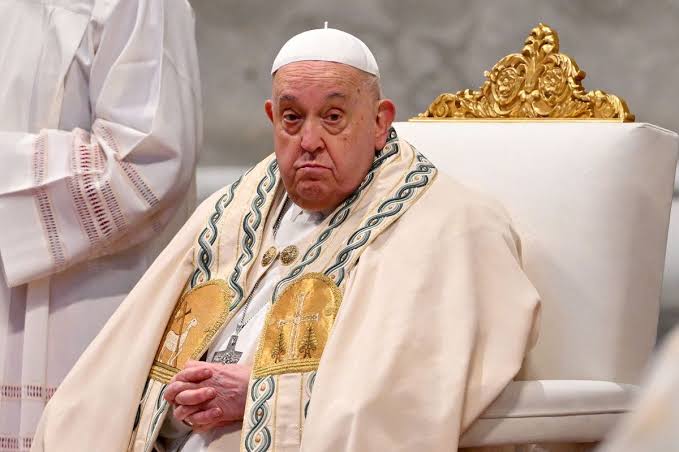
Pope Francis Biography: The Untold Story of the People’s Pope


Full Name: Jorge Mario Bergoglio
Date of Birth: December 17, 1936
Place of Birth: Buenos Aires, Argentina
Nationality: Argentine
Religious Affiliation: Roman Catholic
Current Title: His Holiness, Pope Francis
Position: 266th Pope of the Roman Catholic Church
Papacy Began: March 13, 2013
Death: April 21, 2025
Early Life and Background 
Jorge Mario Bergoglio was born in Flores, a working-class neighborhood of Buenos Aires, Argentina. He is the eldest of five children born to Italian immigrants — Mario José Bergoglio, a railway worker, and Regina María Sívori, a housewife. Raised in a devout Catholic household, Bergoglio grew up with strong values of humility, simplicity, and faith — traits that would later define his papacy.
During his youth, he studied chemistry and worked briefly as a chemical technician and a nightclub bouncer before joining the Society of Jesus (Jesuits) in 1958, beginning his journey into religious life.
Religious Formation and Rise in the Church
After entering the Jesuit novitiate, Bergoglio studied humanities in Chile and returned to Argentina for theological training at the Colegio Máximo de San José in San Miguel. He was ordained a priest on December 13, 1969, by Archbishop Ramón José Castellano.
His intellectual and spiritual depth quickly gained recognition within the Jesuit community. By 1973, he was appointed Provincial Superior of the Society of Jesus in Argentina — a post he held until 1979. He then served as rector of the Philosophical and Theological Faculty of San Miguel and was deeply involved in pastoral and educational roles.
In 1992, Pope John Paul II appointed him Auxiliary Bishop of Buenos Aires. By 1998, he became the Archbishop of Buenos Aires, following the death of Cardinal Antonio Quarracino. He was elevated to cardinal in 2001.
Cardinal Bergoglio: The People’s Pastor
As Archbishop and later Cardinal, Bergoglio was known for his austere lifestyle and unwavering commitment to the poor and marginalized. He shunned opulence, lived in a modest apartment, cooked his meals, and took public transport. His work centered around social justice, humility, and pastoral care. He became a vocal advocate for economic equity, anti-corruption, and social responsibility, earning him widespread admiration both within and outside the Catholic Church.
Election as Pope
Following the resignation of Pope Benedict XVI on February 28, 2013 — the first papal resignation in nearly 600 years — a conclave was convened. On March 13, 2013, Jorge Mario Bergoglio was elected pope on the fifth ballot. He chose the papal name “Francis” in honor of Saint Francis of Assisi, reflecting his vision of a humble and compassionate Church.
Pope Francis became the first Jesuit pope, the first pope from the Americas, and the first non-European pontiff in over 1,200 years.
Papacy and Leadership Style
Pope Francis ushered in a new era in the Vatican characterized by reform, inclusivity, and openness. His leadership style is pastoral rather than doctrinal, emphasizing mercy over judgment and focusing on the spiritual and material needs of ordinary people.
Some key themes of his papacy include:
Care for the Poor and Marginalized: He has persistently highlighted the plight of the homeless, refugees, and oppressed communities.
Environmental Advocacy: His 2015 encyclical Laudato si’ called for urgent action on climate change and environmental protection.
Church Reform: Francis has worked to address internal Church issues, including curial reform, financial transparency, and the global clergy sexual abuse scandal.
Interfaith Dialogue: He has engaged in constructive dialogue with leaders of other religions, promoting peace, tolerance, and cooperation.
Progressive Stances: Pope Francis has expressed more inclusive views on LGBTQ+ individuals, divorcees, and other marginalized groups, though he remains within the bounds of Church teaching.
Challenges and Controversies
Pope Francis has not been without criticism. His reformist approach has met resistance from conservative factions within the Church. His handling of clerical sexual abuse has drawn both praise and criticism — with some seeing him as a reformer and others accusing him of not doing enough.
Additionally, his stances on capitalism, migration, and environmentalism have invited political pushback, particularly from right-wing groups.
Personal Life and Characteristics
Pope Francis is multilingual, fluent in Spanish, Italian, German, and Latin, with a working knowledge of English and other languages. He is known for his humility, directness, and humor. He has a deep love for literature, classical music, and football, being a lifelong supporter of the San Lorenzo football club in Argentina.
Notably, he continues to live in the Domus Sanctae Marthae guesthouse rather than the traditional Apostolic Palace, reinforcing his commitment to simplicity.
Legacy and Impact
Pope Francis has redefined the papacy for the modern era. Through his emphasis on compassion, humility, and justice, he has endeared himself to millions of Catholics and non-Catholics alike. His papacy marks a significant shift toward a more pastoral, globally inclusive, and socially conscious Catholic Church.
Though he has not drastically changed Church doctrine, his tone and priorities have reshaped global perceptions of Catholicism. His outreach to atheists, LGBTQ+ individuals, and non-Christian faiths signifies a Church that seeks to unite rather than divide.
His Death
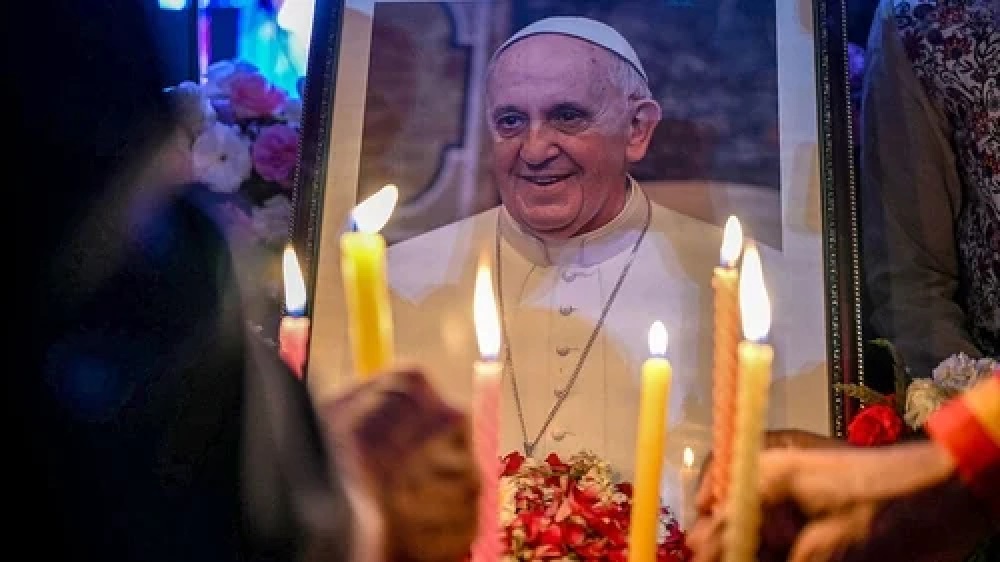
Pope Francis died on April 21, 2025, at the age of 88. His death marked the end of a transformative papacy that redefined the role of the Church in the modern world. Tributes poured in from religious leaders, heads of state, and millions of faithful across the globe, honoring a pontiff who stood as a symbol of compassion, humility, and reform. His passing leaves a significant legacy in both religious and global humanitarian history.
Pope Francis Biography: The Untold Story of the People’s Pope”
1. His Early Life & Near-Death Experience
Almost Died at 21: Before entering the priesthood, young Jorge Bergoglio (Pope Francis) suffered a severe lung infection. Doctors removed part of his right lung, and his survival was uncertain. This brush with death deepened his spirituality.
Worked as a Bouncer: During his seminary years, he reportedly took on odd jobs—including working as a nightclub bouncer—to support himself.
2. His Controversial Role During Argentina’s “Dirty War” (1976–1983)
Accused of Silence: Some critics claim he didn’t do enough to oppose Argentina’s military dictatorship, which kidnapped and killed dissidents, including priests.
Secretly Helped Victims: Declassified documents suggest he may have quietly sheltered persecuted Jesuits, though the full truth remains debated.
3. The Shocking Moment He Became Pope
He Never Wanted the Job: Bergoglio was so sure he wouldn’t be elected that he had already booked a return flight to Argentina. When he realized he’d been chosen, he was overcome with emotion and asked the cardinals to pray for him before accepting.
First Jesuit Pope, First from the Americas, First to Choose “Francis”: His election broke multiple traditions.
4. His Secret Meetings & Unconventional Diplomacy
Private Dinners with the Homeless: He has reportedly sneaked out of the Vatican at night (disguised in simple clothing) to feed the poor—claims confirmed by multiple sources.
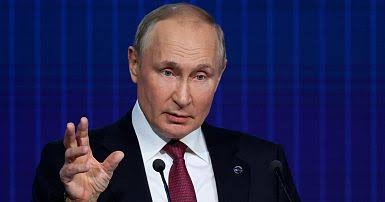
Backchannel Talks with Putin & World Leaders: He has personally intervened in global crises, including the conflict in Ukraine and the U.S.-Cuba thaw, often through discreet diplomacy.
5. His Feuds & Resistance Inside the Vatican
Opposed by Traditionalists: His push for financial reform and openness toward LGBTQ+ Catholics angered powerful conservatives. Some Vatican insiders allegedly leaked scandals in attempts to undermine him.
Health Battles & Hidden Pain: He suffered from chronic sciatica (nerve pain) but refused to slow down, often concealing his discomfort in public.
6. His Radical Views on Hell (That Few Know About)
“Hell Might Be Empty” Theory: In a private conversation (later leaked), he suggested that Hell might not be a literal place of eternal torment—a controversial stance in Catholic theology.
7. The Mystery of His Resignation Rumors
Would He Step Down? Like Benedict XVI, Francis hinted at the possibility of resignation due to health issues. However, he continued to pursue reforms despite growing opposition.
Awards and Recognition
Over the years, Pope Francis has received numerous accolades for his leadership and humanitarian work. He was named Time Magazine’s “Person of the Year” in 2013 and has topped Forbes lists of the world’s most powerful or influential people. He remains one of the most respected moral voices on the global stage.
Conclusion
Pope Francis’s papacy was a defining chapter in the history of the Catholic Church. As the first Latin American and Jesuit pope, he broke centuries-old traditions, championing a Church rooted in humility, service, and inclusivity. His efforts to reform Vatican governance, confront sexual abuse scandals, and bring the Church closer to the poor and marginalized earned him admiration and criticism alike.
He passed away on April 21, 2025, at the age of 88, leaving behind a legacy of compassion, dialogue, and progressive leadership. His death marked the end of a transformative era for the Catholic Church—one where faith was expressed through action, and leadership was defined by service. Pope Francis will be remembered as a shepherd of the people, a voice of conscience in turbulent times, and a pope who sought to bring the Church closer to humanity.