Connect with us

News

Teachers Strike: FCT minister, Wike summons Council Chairman

Published

on

ADVERTISEMENT
Zoom Ad
ADVERTISEMENT
Zoom Ad

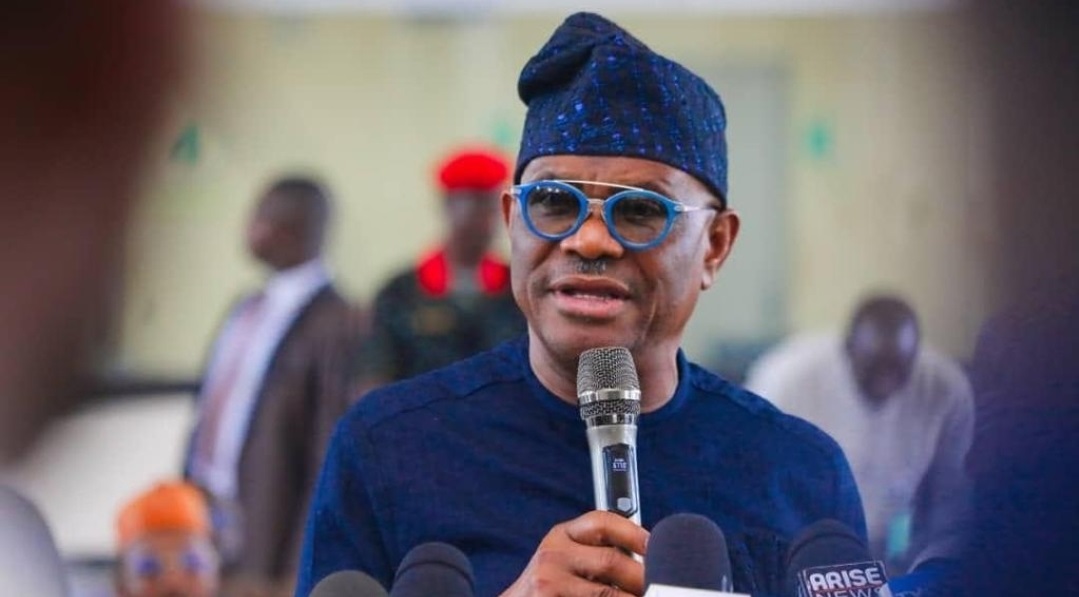
Apparently disappointed, Minister of the Federal Capital Territory, Nyesom Wike, has summoned the chairmen of the FCT area councils and the leadership of the Nigerian Union of Teachers, FCT Wing, for a meeting.


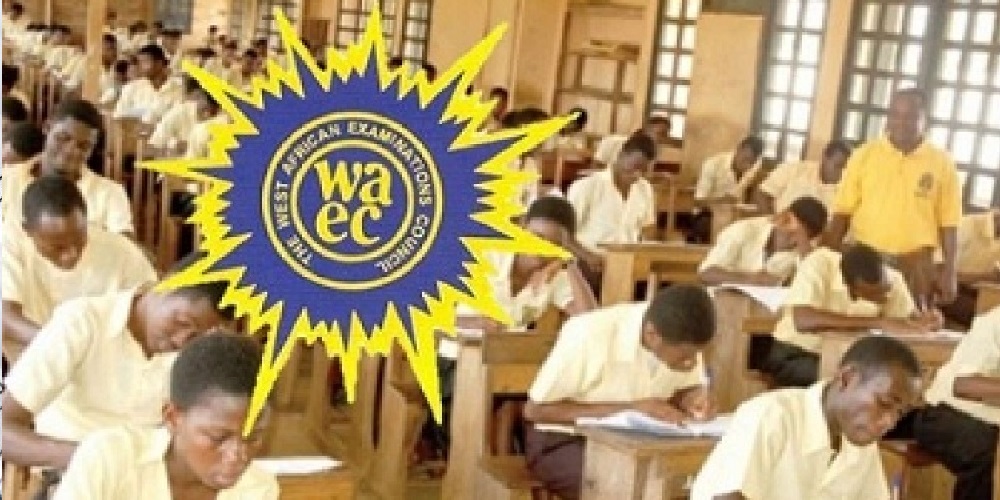
The meeting aims to find lasting solutions to the prolonged strike by primary school teachers over unresolved welfare issues.

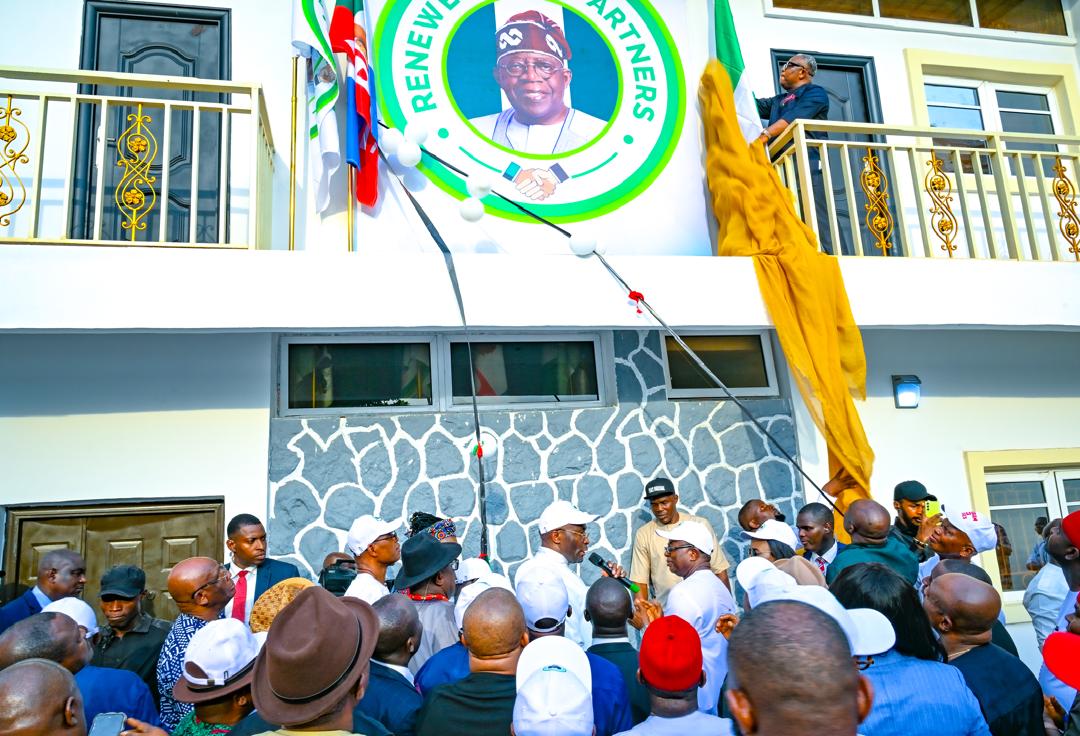
Wike disclosed this in Abuja on Thursday after inspecting ongoing projects ahead of their inauguration, planned to commemorate President Bola Tinubu’s second anniversary in office.

He made the statement in reaction to the protest by teachers that took place early Wednesday.

Advertisement

Describing the situation as “very unfortunate,” the minister questioned the integrity of the FCT area council chairmen.

He said the council chairmen had failed to pay the teachers their entitlements, despite receiving approved funds meant for that purpose.

“They were unable to pay them. In fact, I got the report yesterday and have summoned all of them for a meeting.

You see, that’s the problem we have in this country; by the time I apply the big stick, people will be saying all kinds of things.

Advertisement

“I don’t know why people don’t have a conscience that these are teachers who take care of our children, and you are happy that you are not paying them their salaries,” he said.

Wike clarified that primary schools fall under the jurisdiction of the area councils, not the FCT Administration, emphasising that the councils are responsible for managing primary schools.

He appealed to the NUT for patience, assuring them that the matter would be resolved soon.

Earlier, the NUT Chairman, Abdullahi Shafa, who led the protest, acknowledged Wike’s intervention in the ongoing strike. He noted the release of N4.1 billion to the area councils to pay the striking teachers.

Advertisement

However, he accused the area council chairmen of diverting the funds. He called on the National Assembly and the Economic and Financial Crimes Commission to step in and hold the chairmen accountable.

Primary school teachers have embarked on multiple strikes over the non-payment of minimum wage and a 40 per cent Peculiar Allowance.

Continue Reading
Advertisement
Click to comment

Warning: Undefined variable $user_ID in /home/naijuinz/public_html/wp-content/themes/zox-news/comments.php on line 49

You must be logged in to post a comment Login

Leave a Reply

News

Nigeria Risks Losing Out On Fresh $1.4bn US Aid Over ‘Christian Persecution’

Published

on

By

ADVERTISEMENT
Zoom Ad
ADVERTISEMENT
Zoom Ad

Nigeria may be excluded from a new $1.4 billion U.S health and humanitarian assistance package announced earlier this week if the Federal Government fails to take measurable actions to address violence against Christians, according to terms contained in a bilateral Memorandum of Understanding signed by both countries.

The MOU, signed on December 20, 2025 between the U.S Department of State and the Nigerian government under the America First Global Health Strategy, AFGHS, commits Washington to nearly $2.1 billion over five years to expand preventative and curative services for HIV, TB, malaria, maternal and child health and polio.

Under the MoU, Nigeria is also expected to increase its domestic health spending by nearly $3 billion during the term, an expenditure that has been described as the largest co-investment under AFGHS.

A significant portion of the U.S funding is earmarked for Nigeria’s 900 faith-based clinics and hospitals, which currently serve more than 30 percent of Nigerians.

Advertisement

However, the deal contains strict conditions. The MOU states that the agreement was “negotiated in connection with reforms the Nigerian government has made to prioritize protecting Christian populations from violence” and includes “significant dedicated funding” for Christian health facilities.

Crucially, it adds: “As with all foreign assistance, the President and Secretary of State retain the right to pause or terminate any programme which do not align with the national interest, and the Trump administration expects Nigeria to continue to make progress ensuring that it combats extremist religious violence against vulnerable Christian populations.”

The conditionality was reinforced by the U.S House of Representatives, which recently voted to tie Nigeria’s aid to verifiable steps on tackling Christian persecution.

The bill passed last month by the House of Rep tasked Abuja with taking concrete actions to ensure the return of internally displaced persons to their ancestral homes and ensuring protection for persecuted Christians in the Middle Belt region among others.

Advertisement

Meanwhile, in the fresh aid approved by Washington under its AFGHS, the U.S set aside $1.4 billion to support integrated health services through faith and community-based hospitals and clinics in more than 20 countries.

Out of it, $850 million will go through a Faith and Community Initiative Award to World Vision and local faith-based implementers to strengthen over 2,500 faith-based hospitals and clinics across 17 countries with more than 30,000 community health workers trained, paid, and equipped.
An additional $570 million will be channelled directly to faith-based and community hospitals through bilateral MOUs with governments, including Nigeria.

In humanitarian assistance, the State Department also announced $538 million for Samaritan’s Purse and a World Vision–Compassion International consortium to reach 7 million people across 16 humanitarian crises. Over $100 million will be made immediately available for disaster response in 23 disaster-prone countries.

The State Department said the combined $1.4 billion health announcement is the largest to faith-based organisations in over 20 years, with at least 80 percent of resources required to go directly to frontline services.

Advertisement

For Nigeria, the MOU specifically emphasised support for Christian faith-based health care providers, which are described in the agreement as “uniquely positioned” to complement public facilities.

With the U.S shifting more resources to faith-based delivery where such providers account for 40 per cent or more of health facilities in many aid-recipient countries, Nigeria’s access to the new funding will depend on how Abuja addresses concerns raised in Washington.

The State Department said partners like Samaritan’s Purse, World Vision and Compassion International were chosen for their record of rapid deployment in conflict zones and disaster areas without bureaucratic delay.

Advertisement
Continue Reading

News

How Lack Of Electricity Is Causing Nigeria’s Population To Double – Fayose

Published

on

By

ADVERTISEMENT
Zoom Ad
ADVERTISEMENT
Zoom Ad

The newly appointed Chairman of the Rural Electrification Agency (REA), Ayo Fayose, has linked Nigeria’s rising population to the country’s persistent electricity challenges.

Fayose made the remarks on Friday, August 7, 2026, while speaking after assuming office as chairman of the agency.

According to him, the lack of reliable electricity has significant effects on the way Nigerians spend their evenings, particularly in communities where power supply remains inadequate.

He argued that when electricity is unavailable and darkness sets in early, many people are forced to remain indoors, resulting in more people going to bed earlier.

Advertisement

Fayose said the situation could indirectly contribute to population growth, as people have fewer opportunities for entertainment, recreation and social activities outside their homes.

He explained that the lack of electricity means that by early evening, many Nigerians are already preparing to stay indoors because there are limited activities they can engage in outside their homes.

“When you don’t address the issue of electricity, by 7 o’clock it gets dark, and people start engaging with their wives, so the population doubles,” Fayose said.

He added that the issue was not simply about providing electricity for household use, but also about creating an environment where people could remain active beyond their homes after sunset.

Advertisement

Fayose said reliable electricity would help encourage nightlife, recreation and other social activities, thereby giving people more options for how to spend their evenings.

“The simple problem is that, because there is no electricity, people go to bed early. Their minds are already prepared for it. If this is the only option available, they simply stay at home,” he said.

The REA chairman further argued that addressing Nigeria’s electricity deficit could transform the daily lives of citizens, particularly in communities that experience prolonged power outages.

“But if we address the electricity problem, there will be nightlife. There will be recreation outside your wife,” he added.

Advertisement

Fayose’s comments come amid ongoing efforts by the Federal Government to expand electricity access across the country through the Rural Electrification Agency and other power-sector initiatives.

The REA is responsible for promoting and coordinating efforts to provide electricity to underserved and unserved communities, particularly in rural areas.

Access to reliable electricity remains a major challenge in many parts of Nigeria, with inadequate generation, transmission constraints, distribution challenges and limited access in rural communities continuing to affect economic and social activities.

Poor electricity supply has also been identified as a major obstacle to businesses, healthcare services, education and other essential activities, particularly in communities that depend heavily on alternative sources of power.

Advertisement

With Fayose now assuming leadership of the REA, attention is expected to focus on how the agency can accelerate the expansion of electricity access to communities that remain outside the national grid or receive inadequate power supply.

His remarks also highlight the broader social implications of Nigeria’s electricity crisis, which extends beyond households and businesses to affect recreation, social interaction and the general quality of life.

The new REA leadership will therefore face the task of helping to expand access to dependable electricity while supporting initiatives aimed at improving economic opportunities and living conditions in underserved communities.

Advertisement
Continue Reading

News

Peter Dunia, Chimamanda Adichie Emerge LEEX 2026 Man, Woman of the Year

Published

on

By

ADVERTISEMENT
Zoom Ad
ADVERTISEMENT
Zoom Ad

Chief Executive Officer of Oceanwave Group, Peter Dunia, and globally acclaimed author Chimamanda Ngozi Adichie have emerged as the 2026 Man of the Year and Woman of the Year, respectively, at the 8th Leadership Excellence Awards (LEEX) following the conclusion of a nationwide public voting exercise monitored by the News Agency of Nigeria (NAN).

The results released by the Local Organising Committee on Friday showed that Dunia secured a commanding victory in the Man of the Year category with 2,189,857 votes, defeating Chairman of Geregu Power Plc, Femi Otedola, who polled 1,083,683 votes, and Chief Executive Officer of Nepal Oil & Gas Services Ltd., Ekeoma Ekeoma, who garnered 485,308 votes.

In the Woman of the Year category, Chimamanda Adichie polled 826,097 votes to emerge winner, ahead of Prof. Folasade Ogunsola, Vice-Chancellor of the University of Lagos, who received 287,569 votes, while Dr. Amina Mohammed, Deputy Secretary-General of the United Nations, secured 152,853 votes.

The online voting exercise attracted millions of votes from across Nigeria and the diaspora, underscoring the growing credibility and popularity of the Leadership Excellence Awards as one of Africa’s foremost platforms for recognising transformational leadership.

Advertisement

Dunia’s emergence as LEEX Man of the Year reflects widespread public recognition of his remarkable contributions to Nigeria’s maritime and energy sectors, as well as his unwavering commitment to philanthropy and humanitarian service. Beyond building one of Africa’s leading indigenous offshore and marine logistics companies, he has consistently invested in initiatives that improve the lives of vulnerable communities through educational support, healthcare interventions, youth empowerment, community development projects, and assistance to victims of natural disasters and economic hardship. His commitment to creating opportunities, uplifting underserved communities, and promoting indigenous enterprise has earned him admiration far beyond the business community.

Adichie’s victory recognises her extraordinary contributions to literature, education and global advocacy. Through internationally acclaimed works such as Half of a Yellow Sun, Americanah and Purple Hibiscus, she has elevated African storytelling on the global stage while championing gender equality, social justice and human dignity. Her writings, lectures and advocacy have inspired millions across the world, making her one of Africa’s most influential contemporary intellectuals and cultural ambassadors.

Speaking on the outcome, the Local Organising Committee described both winners as exceptional leaders whose impact transcends their respective professions, noting that they exemplify the ideals of visionary leadership, excellence, integrity and service to humanity.

“Peter Dunia, Chimamanda Ngozi Adichie and over 20 other winners represent the very best of Africa—leaders who have not only excelled in their fields but have also used their platforms to uplift others and drive meaningful change,” the Committee stated.

Advertisement

The Leadership Excellence Awards (LEEX) is Africa’s premier online media awards, established to honour outstanding achievements in governance, business, innovation, entrepreneurship, public service, philanthropy, humanitarian service and sustainable development. The awards are proudly endorsed by the African Union–African Film Institute (AU-AFI), further affirming their growing reputation as one of the continent’s most respected platforms for celebrating transformational leadership.

Previous recipients of the prestigious LEEX Man of the Year Award include renowned entrepreneur and philanthropist Tony O. Elumelu, CFR, former Anambra State Governor Peter Obi, and industrialist Abdul Samad Rabiu, CFR. Previous Woman of the Year winners include Dr. Ngozi Okonjo-Iweala, Director-General of the World Trade Organization; Adaora Umeoji, Group Managing Director/Chief Executive Officer of Zenith Bank Plc; and Senator Natasha Akpoti-Uduaghan.

Peter Dunia and Chimamanda Adichie will be formally decorated at the 8th Leadership Excellence Awards Ceremony, scheduled for Thursday, 12 November 2026, at the Nigerian Air Force (NAF) Banquet Hall, Abuja alongside more than 20 distinguished recipients in other award categories.The event is expected to attract senior government officials, diplomats, business leaders, traditional rulers, development partners, academics, civil society leaders and other distinguished personalities from across Africa.

The Local Organising Committee congratulated all the finalists for their outstanding achievements and expressed appreciation to millions of Nigerians and members of the international community who participated in what it described as a transparent, credible and independently monitored voting process.

Advertisement
Continue Reading

Trending

Copyright © 2024 Naija Blitz News