
News
Chinese Modernization and Its African Connection





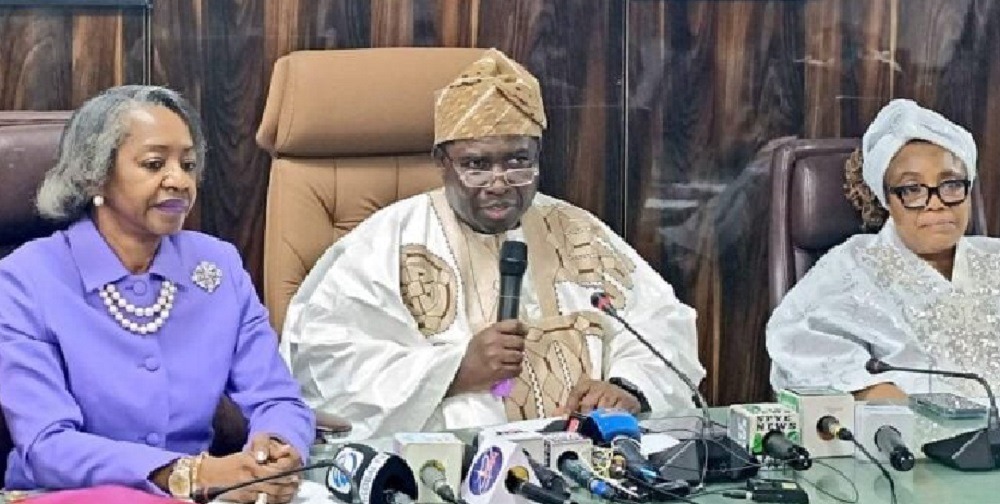
The Movement for Credible Elections (MCE) has called on the Chairman of the Independent National Electoral Commission (INEC), Professor Joash Ojo Amupitan, to resign immediately over allegations of partisanship, warning that he no longer commands the credibility required to oversee the 2027 general elections.
The group, which includes prominent figures such as Dr Usman Bugaje, Barrister Femi Falana (SAN), Dr Oby Ezekwesili, Comrade Ayuba Wabba, Professor Pat Utomi, Hadjia Dr Bilikisu Magoro and Ambassador Nkoyo Toyo, among others, said the integrity of the electoral body must not be compromised.
In a statement issued on Sunday by its Media Coordinator, Comrade James Ezema, the MCE urged Professor Amupitan to step aside to allow for an independent and transparent investigation into the allegations against him.
The group also called on the Federal Government to constitute an impartial panel comprising judicial officers, digital forensic experts and civil society representatives to ascertain the truth, while demanding an end to any form of intimidation or harassment of citizens raising concerns.
“The integrity of Nigeria’s electoral process is at stake,” the statement said. “At this critical juncture in the nation’s democratic evolution, the leadership of INEC must be beyond reproach.”
The MCE said recent developments, including alleged digital footprints linking the INEC Chairman to partisan expressions sympathetic to the ruling All Progressives Congress (APC), had triggered a crisis of confidence.
While noting that Professor Amupitan had denied the allegations, the group insisted that such denials do not resolve the matter in an era of advanced digital forensics, but rather heighten the need for thorough verification.
“In this digital age, denial is not a defence—it is an invitation to forensic scrutiny,” the statement added.
The group further warned that the controversy could escalate into a legal crisis, citing the traceability of digital identities through systems such as the Bank Verification Number (BVN) and National Identification Number (NIN), as well as device-level access logs maintained by digital platforms.
According to the MCE, attempts to frame public scrutiny as cybercrime or to threaten critics with arrest amount to a misuse of state apparatus and could further erode public trust.
Beyond the immediate allegations, the group expressed concern over what it described as a pattern of decisions by INEC that appear to undermine opposition participation, including alleged selective enforcement of electoral regulations.
It warned that such developments risk steering Nigeria towards a de facto one-party state, in violation of constitutional democracy.
The MCE also raised concerns about potential international repercussions, noting that aggrieved parties could seek redress at regional bodies such as the ECOWAS Court, exposing Nigeria to reputational damage and possible sanctions.
It maintained that the allegations, if proven, raise serious ethical questions about Professor Amupitan’s neutrality and fitness for office.
“The only honourable course is for the INEC Chairman to step aside and allow a transparent investigation,” the group stated.
“Nigeria stands at a democratic crossroads. The credibility of its electoral body is central to national stability and the legitimacy of governance.”
Nigeria’s economic reform programme under President Bola
Tinubu is steadily moving the country away from a cycle of economic vulnerability toward a more stable and growth driven path.
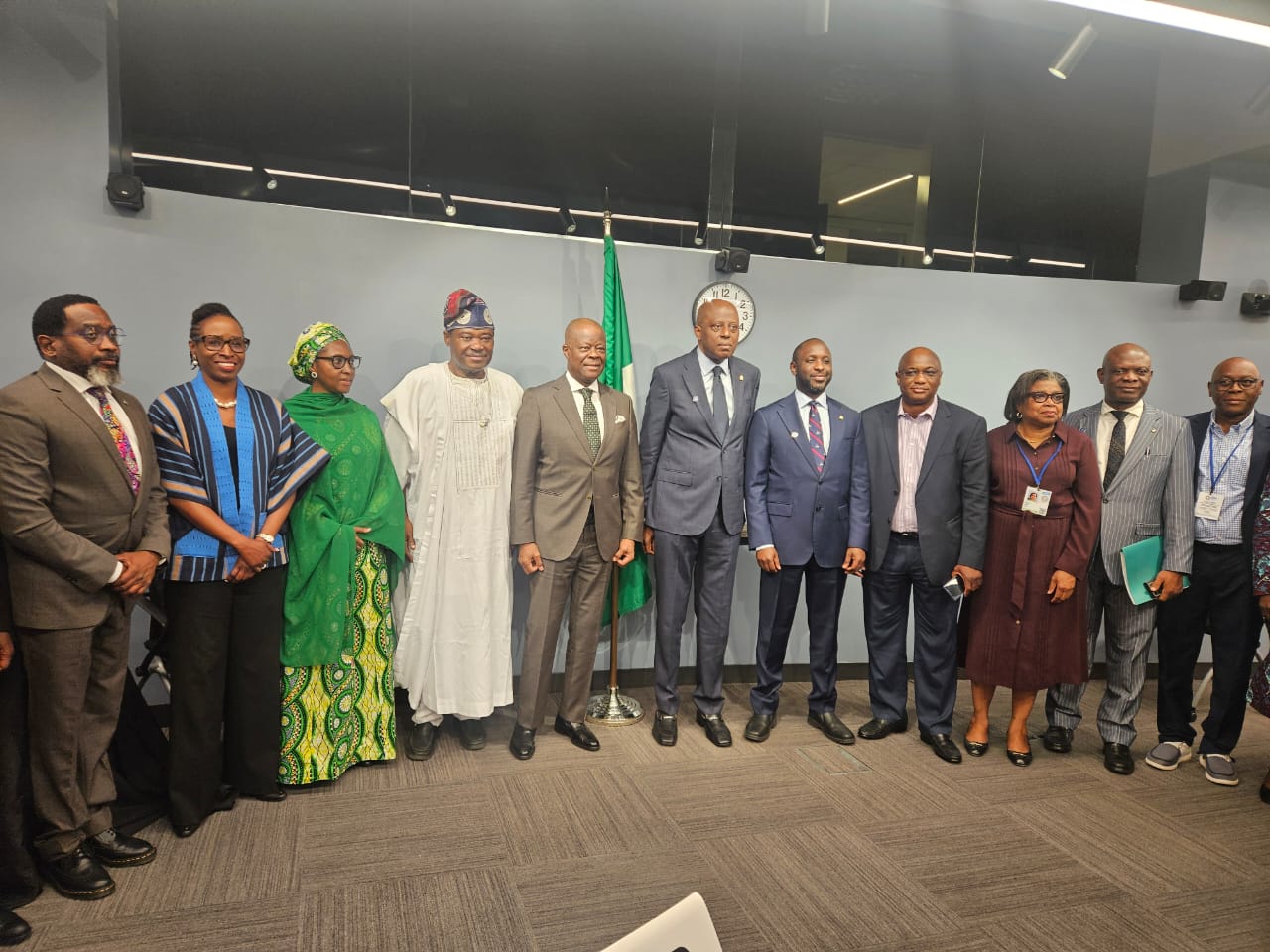
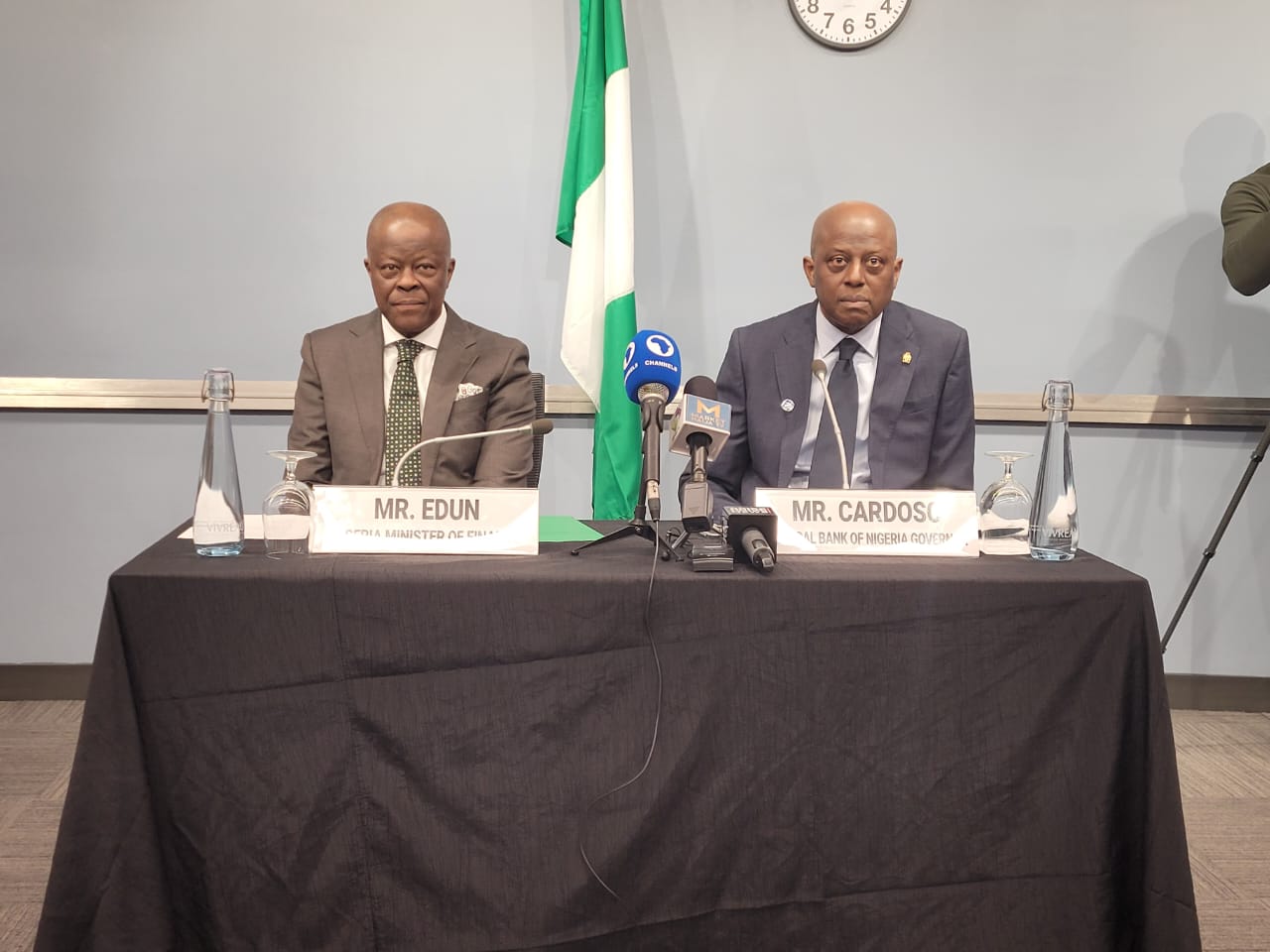
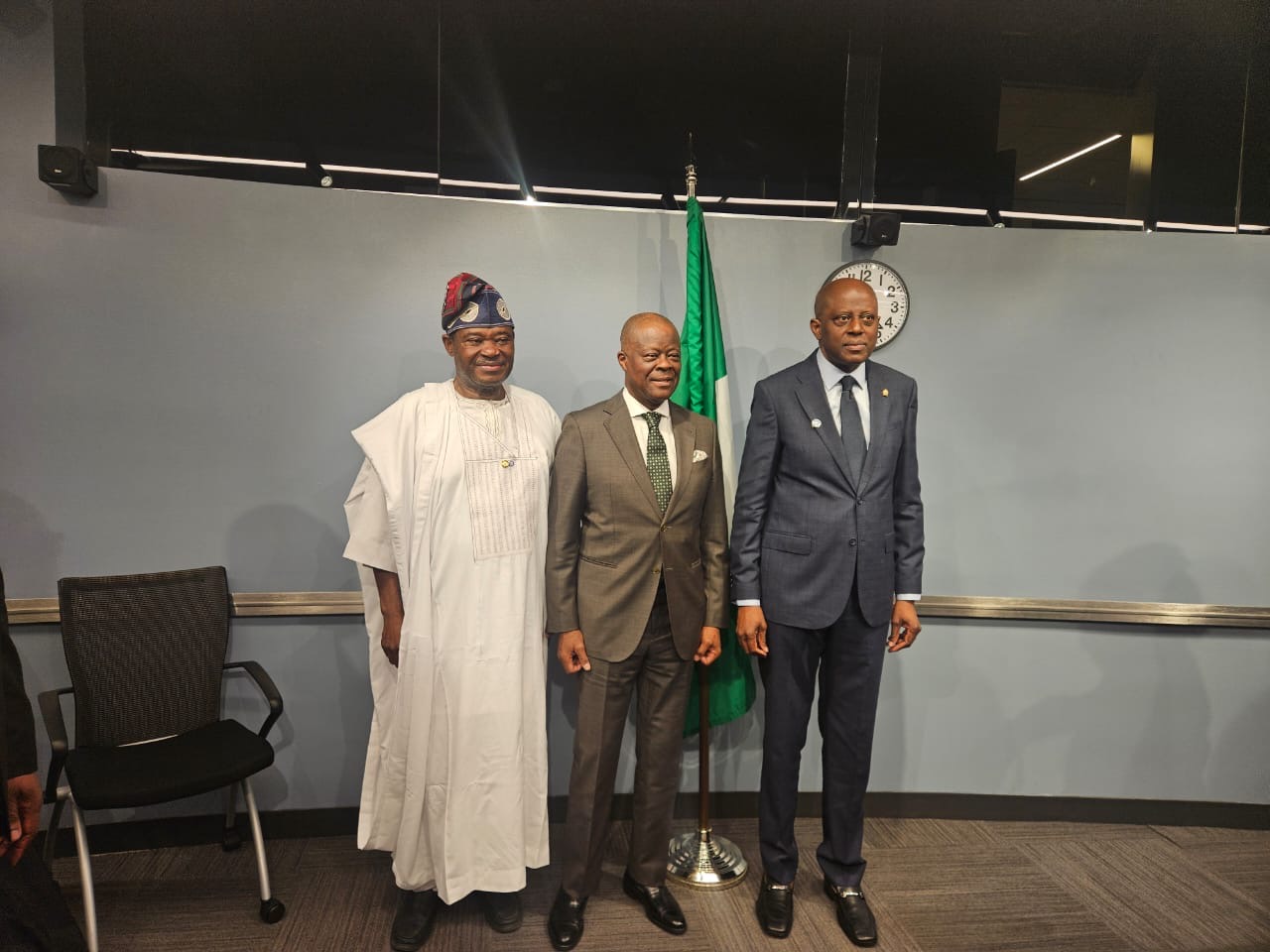
The Minister of Finance and Coordinating Minister of the Economy, Wale Edun, stated this during a press briefing at the Spring Meetings of the World Bank and the International Monetary Fund in Washington D.C.
He explained that the policy measures introduced since mid 2023 were designed not as temporary fixes but as structural changes that can sustain themselves over time while strengthening the economy against external shocks.
Edun noted that the global environment in which the meetings are taking place remains highly uncertain, with export tensions, trade disruptions and tightening financial conditions continuing to weigh on economies across the world.
Within this context, he said Nigeria’s approach is anchored on credible and disciplined macroeconomic management aimed at building lasting prosperity.
According to him, key reforms including the move to a market reflective foreign exchange system and the deregulation of fuel pricing are beginning to restore balance and reduce long standing distortions in the economy.
He added that these measures are already improving Nigeria’s capacity to absorb shocks that originate from outside its borders.
On inflation, Edun acknowledged that pressures remain, largely driven by energy costs, food prices and logistics challenges. However, he pointed out that government is responding through targeted social protection programmes and ongoing agricultural interventions to cushion the impact on citizens.
The Minister stressed that fiscal discipline remains central to the reform effort, with a clear departure from inefficient subsidy regimes and a renewed focus on prudent resource management.
Providing an update on key indicators, Edun said economic growth has exceeded four per cent, external reserves have risen to about 50 billion dollars and inflation is beginning to ease gradually. He added that public debt remains within sustainable limits.
Beyond the numbers, he said the reforms are unlocking domestic production and restoring confidence within the private sector.
The Minister cited major investments such as the Dangote Refinery as tangible evidence of renewed investor confidence, while noting that small and medium enterprises are benefiting from improved incentives.
He stated that Nigeria is now moving from stabilisation to a phase of accelerated growth and job creation, with power, agriculture, infrastructure and digital innovation expected to drive expansion.
Edun also disclosed that development partners at the meetings reaffirmed their support for Nigeria’s reform priorities, while investor interest continues to grow across energy, agribusiness and infrastructure sectors.
According to him, Nigeria is also pushing for reforms at the global level to reduce the cost of capital for developing countries, which remains a major constraint to growth.
The Minister expressed confidence that the country’s standing in the global economy is improving as its reform efforts gain recognition, adding that the policies will ultimately deliver sustainable growth and reduce poverty.
He further commended members of the Nigerian delegation and reaffirmed the Federal Government’s commitment to attracting investment and strengthening development partnerships.
In the same vein, the Governor of the Central Bank of Nigeria, Olayemi Cardoso, said the country remains firmly committed to sustaining reforms and preserving macroeconomic stability.
He explained that the meetings provided an opportunity to review Nigeria’s progress and reinforce institutional capacity needed to support long term economic resilience.
Cardoso noted that despite persistent global challenges, including geopolitical tensions and inflationary pressures, Nigeria has been able to contain external shocks through improved exchange rate stability and stronger reserves.
The Central Bank Governor emphasised that consistency in reform implementation is critical to building long term investor confidence.
Highlighting developments in the financial sector, he said the ongoing banking sector recapitalisation has mobilised 4.65 trillion naira in new capital.
As at the March 31 deadline, 33 banks had met the new capital requirements, significantly strengthening the resilience of the financial system and its ability to support economic growth.
He added that the exercise attracted strong participation from both domestic and international investors, reflecting sustained confidence in Nigeria’s banking sector.
Cardoso expressed optimism that continued reforms will reinforce stability, sustain growth and attract further investment into the economy.
News
Gov. Oborevwori, Prof. Osunbor, Sen. Dafinone, others to grace TheNewsGuru Editor’s book launch

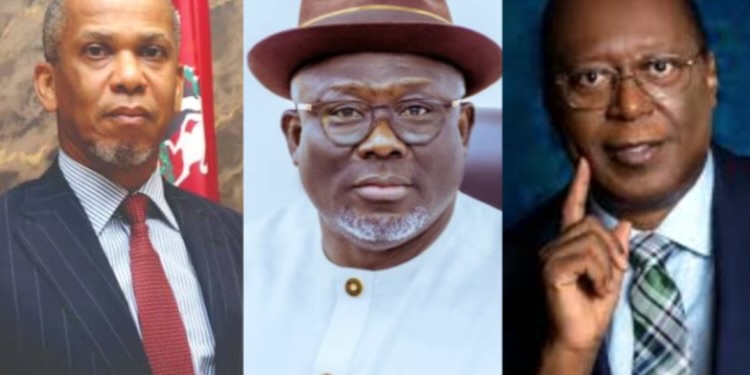
Abuja, Nigeria – Organisers of the forthcoming public presentation of “Journalism NeXt: A Comprehensive Guide to Modern Journalism” have announced a distinguished lineup of eminent personalities expected to grace the book launch.
The book, authored by Editor of TheNewsGuru (TNG), Ediri Oyibo, is scheduled for official unveiling on Thursday, April 30, 2026, at the Secretariat of the Nigeria Union of Journalists (NUJ), FCT Council, Utako, Abuja at 2:00 pm.
Leading the list of dignitaries is the Governor of Delta State, Rt. Hon. (Elder) Sheriff Oborevwori, who will attend as Special Guest of Honour, while former Governor of Edo State and two-term Senator, Prof. Oserheimen Osunbor, will serve as Chairman of the Occasion.
The book will be reviewed by Dr. Lemmy Ughegbe, Founder and Executive Director of the Make A Difference Initiative (MADI).
The event will also feature the presentation of research findings by the author on the state of journalism in Nigeria, with a focus on challenges faced by journalists in the Federal Capital Territory (FCT).
Other dignitaries expected at the event include Senator Ede Dafinone, Delta Central, Senator Joel-Onowakpo Thomas, Delta South; Senator Ned Nwoko, Delta North; Hon. Benedict Etanabene, Member representing Okpe/Sapele/Uvwie Federal Constituency, and Mr. Mideno Bayagbon, Publisher of TheNewsGuru (TNG).
Others are Dr. Dili Ezughah, Executive Secretary and CEO, Nigerian Press Council (NPC); Dr. Aminu Maida, Executive Vice Chairman, Nigerian Communications Commission (NCC), and Comr. Alhassan Yahya Abdul, National President of the Nigeria Union of Journalists (NUJ), among others.
“Journalism NeXt: A Comprehensive Guide to Modern Journalism” explores the transformation of journalism in the digital era, addressing issues such as media ethics, innovation, sustainability, and the evolving role of journalists in a rapidly changing information ecosystem.
Organisers say the event is expected to attract journalists, media entrepreneurs, academics, policymakers, students, and members of the public, providing a platform for robust engagement and networking.

Alleged support for APC: Utomi, Falana, Others Demand INEC Amupitan’s Resignation

Tinubu reforms shift Nigeria from fragility to growth as global pressures mount(Photos)

Gov. Oborevwori, Prof. Osunbor, Sen. Dafinone, others to grace TheNewsGuru Editor’s book launch




-

 News24 hours ago
Board cautions candidates after arrest of suspects over doctored UTME scores
-

 News16 hours ago
Rescued eight Benue bus kidnap victims identified as UTME candidates
-
 News7 hours ago
Full List: Items You can no longer Import into Nigeria
-

 News7 hours ago
SSANU plans indefinite strike as April 30 renegotiation deadline approaches
-
 News24 hours ago
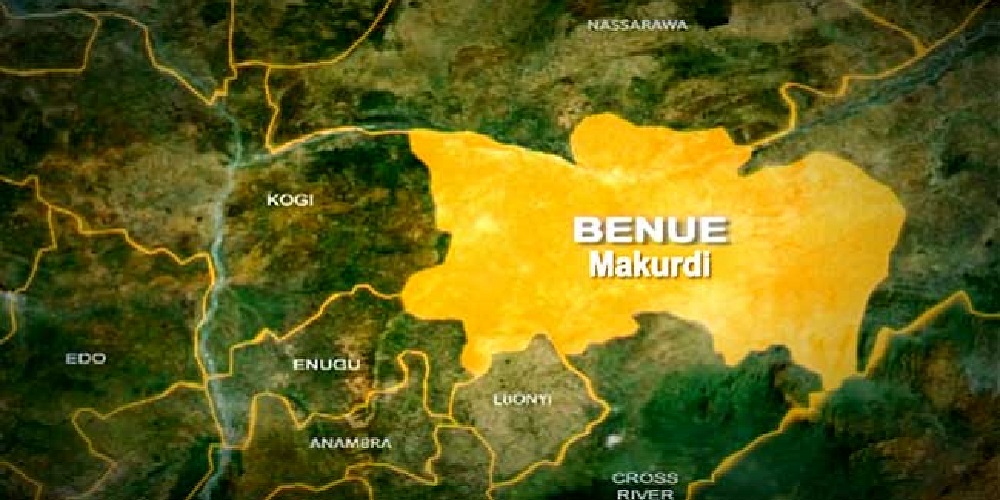
All 13 kidnapped Otukpo passengers, successfully rescued
-

 News7 hours ago
NCA demands arrest of Islamic cleric over alleged bounty on pastor
-

 News17 hours ago
Hardship Not a Licence for Broken Homes – Abejide Tells Couples
-
 News17 hours ago
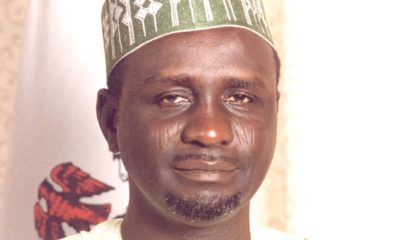
BREAKING: Ex-Kano gov, Ibrahim Shekarau goes back to APC
You must be logged in to post a comment Login