By Gloria Ikibah


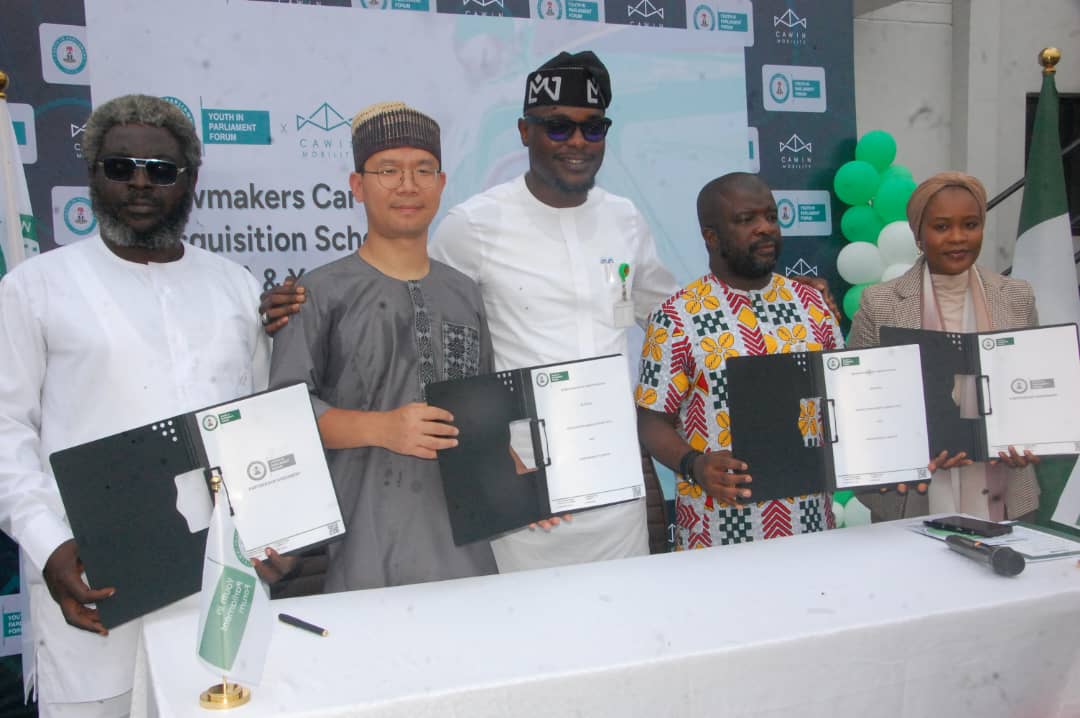
As part of efforts to build the capacity of youths in Nigeria, the Youth In Parliament Forum (YIPF) is set to train 2,000 Nigerian youths in Electric Vehicle (EV) maintenance and manufacturing under a new partnership programme with CAWIN Mobility Limited.
The Director General YIPF, Hon. Tony Nwulu, at the unveiling of the initial and signing of a Memorandum of Understanding on Thursday in Abuja, said this is part of a broader programme aimed at empowering young people with technical skills needed to prepare Nigeria for the growing adoption of renewable energy and green transportation. 
Hon. Nwulu, said the project was a “historic milestone” that would position Nigerian youths at the forefront of the global transition to sustainable mobility.
He said: “One of the biggest challenges in the coming years will be who services electric vehicles when they develop faults. Through this partnership, we are equipping 2,000 Nigerian youths with the skills to fill that critical gap”.
According to the YIPF DG, the Electric Vehicles is gradually making inroads into the Nigerian automobile market, and it was important to ensure the country was not left behind in terms of technical expertise and manpower.
Nwulu said the initiative, which commences on the 20th of this month, is designed to prepare young Nigerians to take advantage of the fast-emerging opportunities in the renewable energy and green transportation sector.
“This project is open to all Nigerian youths across the country. If you are interested in electric vehicle repairs, simply visit our website at www.yipf.org.ng, fill out the form, and you will be contacted. The programme is completely free. You are not paying one kobo to be trained”, he added.
He explained that the training will target 1,000 engineering students and another 1,000 mechanics drawn from across the country.
Nwulu further noted that the rise of EVs in Nigeria made it urgent to build local technical capacity for repairs and maintenance.
“Today, if you drive past 20 vehicles, you are likely to see at least one electric vehicle. Like every other car, it will require servicing at some point, and the critical question is: who will fix it when it develops faults?” he said.
He added that the YIPF’s partnership with CAWIN Mobility was not just about selling electric cars, but also about ensuring the manpower exists to support their use.
“After-sales support and servicing are very important to everyone who buys these vehicles. This programme ensures that the technical skills are available locally so that EVs do not end up abandoned after a few years. With this training, we are preparing Nigerian youths to lead Africa in this innovation,” Nwulu stressed.
Beyond the youth training programme, the partnership also introduced the Lawmakers Car Acquisition Scheme (LCAS), which will give federal lawmakers access to both electric and conventional vehicles at affordable prices, with flexible payment plans and after-sales services included.
Nwulu stressed that the scheme was designed to ease the challenges lawmakers face in carrying out their duties, while also promoting cleaner and more sustainable transportation options.
“This collaboration reflects our shared commitment to youth empowerment, sustainable mobility, and national development. It is a testament to what is possible when innovation meets purpose,” he added.
Nwulu commended CAWIN Mobility for believing in the vision and supporting an initiative that combines youth development with green energy advocacy. He also expressed appreciation to stakeholders and members of the media who witnessed the launch.
“With this partnership, we are driving a future where our youths are empowered, our lawmakers are equipped, and our nation is positioned as a leader in the green revolution,” he said.
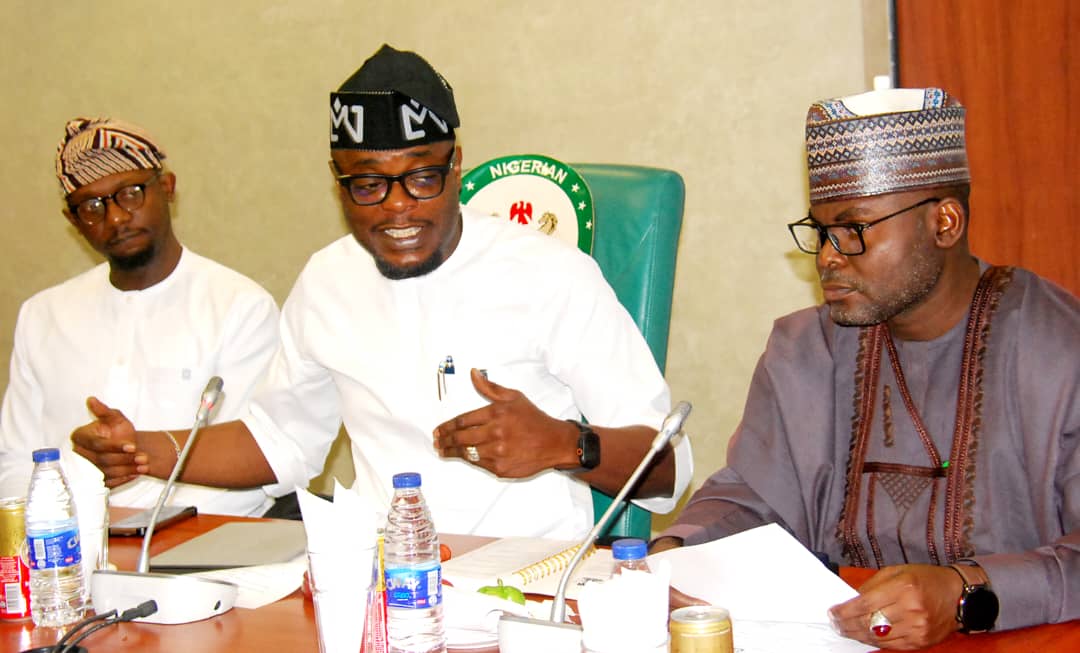
The Chairman House of Representatives Committee on Youth in Parliament, Rep. Olamijuwonlo Alao Akala, explained that the training is targeted at equipping young Nigerians with the technical skills needed to prepare for the global shift towards sustainable mobility.
“The world is moving into the electric era, and Nigeria cannot afford to be left behind. Through this programme, we are ensuring that when electric vehicles arrive in the Nigerian market, we will already have a prepared workforce and infrastructure to maintain and service them,” he said.
The lawmaker explained that the collaboration was not only about introducing electric cars into the Nigerian market but also about creating a sustainable support system for their use, stressing that the training will be free for all participants.
“The future is electric, and we must train the next generation to understand and lead in this transition. This training programme specifically targets the EV market, ensuring our youths are not caught unprepared but are ready to drive innovation.
“Two thousand youths will benefit from this programme without paying a kobo, and that is a historic opportunity for empowerment,” he said.
He commended the partner for bringing into Nigeria its expertise to train Nigerian youths, and his colleagues in the National Assembly for showing commitment by attending the event despite being on recess.
“This partnership is meaningful, purposeful, and designed for the future of our country. We are committed to ensuring Nigerian youths get it right,” Akala added.
Managing Director of CAWIN Mobility, Wayne Ji, said the initiative would prepare young Nigerians to play a central role in the country’s transition to green mobility.
“This ceremony is not just symbolic, it is a promise to our youth, our environment, and Nigeria’s economic growth.
“In China, electric vehicles drove a new wave of industrial revolution. We believe Nigeria can achieve the same transformation,” Wayne said.
“Under the partnership, 1,000 technicians will be trained to immediately serve in garages and service centers, while 1,000 engineers will undergo advanced training in partnership with Nigerian universities, focusing on EV research, design, and manufacturing.
“At CAWIN, we believe investing in young people is investing in the nation’s future. These 2,000 youths will be the backbone of Nigeria’s EV workforce, from the garage to the research lab”, he said.
He also highlighted the Lawmakers Car Acquisition Scheme, under which Nigerian lawmakers will have access to sustainable vehicles. He said this would “set an example for citizens and create a ripple effect that boosts confidence in electric mobility.”
Beyond training, Wayne explained that they will provide a complete EV ecosystem, including charging infrastructure, local assembly, supply chains, and after-sales support.
According to him, the programme is part of a broader vision to create jobs, diversify the economy, and make Nigeria a leader in West Africa’s electric vehicle revolution.
“We are laying the foundation for cleaner cities, safer transportation, and a diversified economy with new industries and jobs.
“To Nigerian youths: seize this opportunity. You are not just beneficiaries—you are the future owners of this industry”, he stated.