By Gloria Ikibah


The Chair of the Nigeria Union of Journalists (NUJ), Federal Capital Territory (FCT) Council, Comrade Grace Ike, has urged stronger cooperation between the media, civil society organisations, and parliament to improve the monitoring of public debt and promote greater accountability in Nigeria.
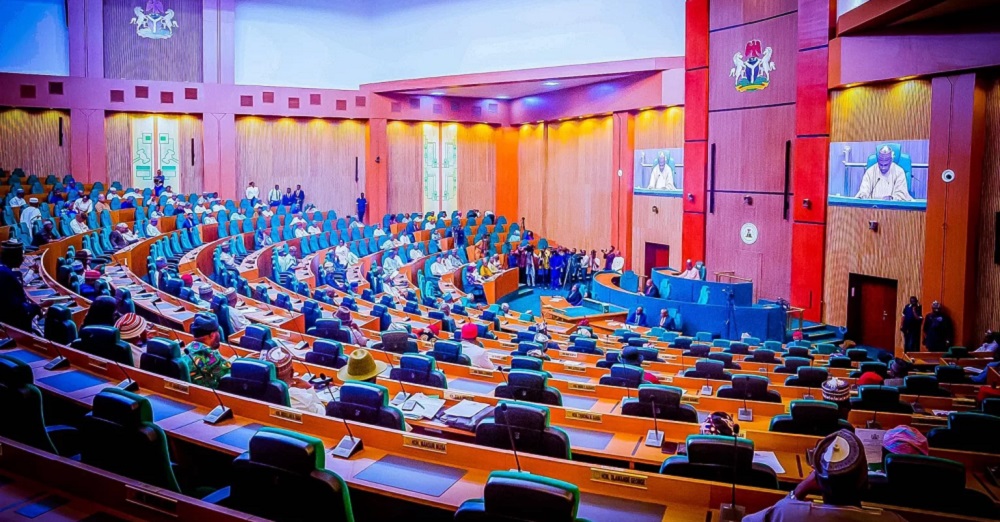
She made the call on Tuesday while speaking at the 11th Annual Conference and General Assembly of the West Africa Association of Public Accounts Committees (WAAPAC), organised by the House of Representatives Public Accounts Committee. 
Comrade Ike underscored the vital role the press plays in ensuring that public officials remain accountable. She noted that the efforts of parliamentary committees such as the Public Accounts Committee (PAC) would have little impact without the active involvement of journalists.
“The media serves as a bridge between parliament, government institutions and the public. Public awareness is critical, but it cannot be achieved without effective information sharing and capacity building,” she said.
She stressed the need for regular training and re-training of journalists to deepen their understanding of audit processes, public debt management, and the technical aspects of legislative oversight. Ike suggested workshops, roundtable discussions, and joint briefings with Supreme Audit Institutions (SAIs) and civil society groups as practical steps to enhance the quality of reporting in these areas.
She commended the Chairman of the Public Accounts Committee, Rep. Bamidele Salam, for maintaining a close working relationship with the media but added that further progress could still be made. Ike proposed that, before the close of the 10th Assembly, a comprehensive training programme be introduced for parliamentary correspondents, particularly on debt and oversight issues.
The NUJ Chair also highlighted the growing importance of investigative and undercover journalism, pointing out that reporters require adequate resources and specialist training to expose corruption and the mismanagement of public funds.
“Investigative journalism is resource-intensive. It demands time, funding, and considerable skill. Journalists must be well equipped to carry out undercover work on public accounts and debt management, to provide credible information rather than allowing misinformation to thrive, particularly in this age of social media,” she stressed.
Comrade Ike further appealed to SAIs and parliamentary committees to make audit reports and related documents more accessible. She explained that simplified, timely and publicly available data would significantly advance transparency and accountability.
She also called for joint campaigns by the media and civil society to raise public awareness of Nigeria’s debt profile and its implications, as well as to remind citizens of their right to demand accountability from government officials.
“Many citizens do not fully realise they have the right to demand accountability. It is the responsibility of the media to keep this in focus and to ensure office holders are held to their commitments,” she added.
Beyond training and access to information, Ike also pressed for legislative and policy reforms to strengthen the role of parliamentary committees in overseeing public debt. She observed that balanced reporting—highlighting both achievements and shortcomings—would stimulate civic engagement and pressure for reform.
She furthermore emphasised that effective debt oversight is a shared duty among parliament, civil society, and the media.
“Writing reports and passing resolutions is one step; implementing them is another. As the gatekeepers of information, the media is prepared to work with all stakeholders to empower citizens, protect public resources, and support sustainable development,” she said.
The NUJ FCT Chair expressed optimism that stronger collaboration between the Public Accounts Committee and the press would not only improve transparency but also ensure Nigerians are better informed about how the nation’s debt is being managed.