BY BOLAJI AFOLABI


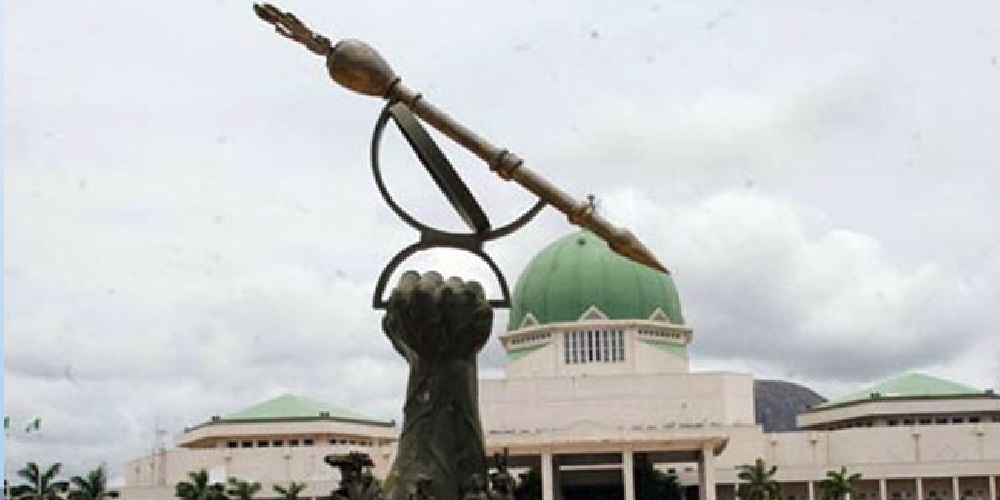
Nigeria’s legislators in the Senate and House of Representatives are expected to resume this week after over one month recess. Many people, in the past, and now have consistently criticized the practice; arguing against lawmakers proceeding on vacations amid the vagaries of challenges in the country. As plausible as this position is, the legislators and bureaucracy have different views. To them, the annual recess is in conformity with laid down procedures, which empowers the legislators to embark on annual vacation. They also argue that it is the standard practice in other countries where democracy is in place. A senior member of the National Assembly who pleaded anonymity disclosed that, “contrary to the general opinion, some of the lawmakers still carry out certain functions and activities during the period. Some others engage in various capacity building programmes with their colleagues in other parliaments.” Though these sound logical but it may be difficult to change the perceptions of the vast majority of people.
As the two chambers resume for legislative actions, they have many national issues of importance on their plate. It includes economic challenges; poverty, inflation, low productivity, unemployment, and hunger. Social problems include banditry and kidnapping, continued insurgency, criminal activities, and brigandage operations of felons. Some critics describe the 1999 constitution (as amended) as a “satanic verse” that is cloaked and clothed in deceits, deceptions, and vague lines which has continued to pauperize Nigerians, and stifled meaningful development. However, it is argued that despite these imperfections, certain things can be done, through the constitution to improve the living standards of Nigerians, and evolve national growth. Democracy can only be successful if it is used as a vehicle and process for realistic development of the citizenry, institutions, and structures within the polity. 
That is where the legislature comes in. Described, rightly, as the fulcrum of democracy, the lawmakers are expected to play strategic roles towards ensuring good governance, and realistic development of the country. Given the multi-sectoral development challenges pervading the country, many people look up to the lawmakers, particularly the opposition parties. At the inauguration of the National Assembly in June 2023, the APC emerged the dominant party in the two chambers.
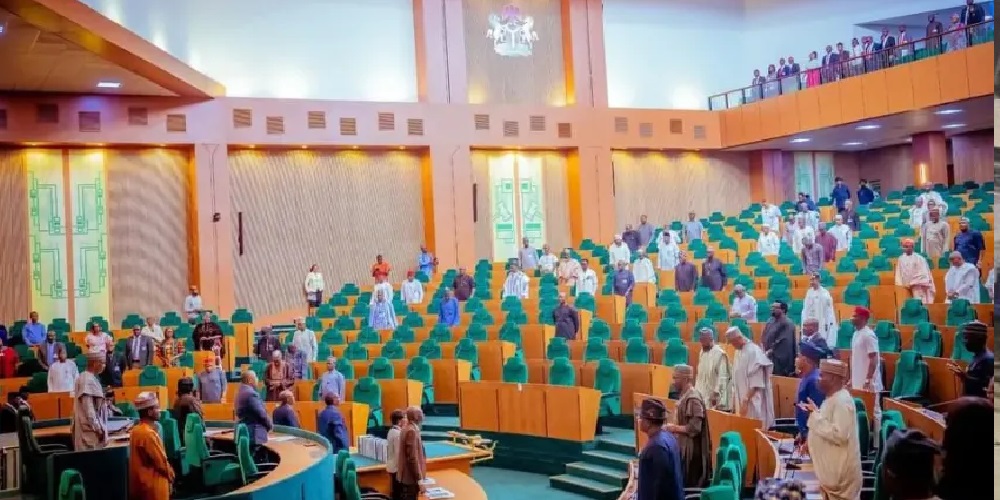
At the birth of the 10th House of Representatives, the opposition parties had about 179 members, which comprises the Peoples Democratic Party, (PDP); Labour Party, (LP); New Nigerian Political Party, (NNPP); All Progressives Grand Alliance, (APGA); Social Democratic Party, (SDP); Action Democratic Congress, (ADC); and Young Peoples Party, (YPP). As the “senior partner,” the PDP had 115, LP 35, NNPP 19, APGA 5, SDP 2, ADC 2, and YPP 1 member(s). A few days later, Kingsley Chinda, Ali Isa, Aliyu Madaki, and George Ozodinobi emerged as the Minority Leader, Minority Whip, Deputy Minority Leader, and Deputy Minority Whip respectively. The composition of the Caucus was uniquely different from the practice in past assemblies. As a clear departure from the norm, the PDP; despite being the senior party took two positions; Leader and Whip, and ensured that two of the other parties; NNPP, LP picked the other two – Deputy Leader, and Deputy Whip.
Further to this, the leadership of the opposition caucus resolved to make the Nigerian people the centrepiece of every legislative inquisition. The caucus resolved to be fair, open, and sincere on all issues bothering on good governance, national security, economic growth, and national development. To achieve these, the leadership evolved a new approach to legislation, opposition that is. In times past, the minority caucus in the House of Representatives was known for frontal attacks, consistent vilification, and outright condemnation of every policy and programmes of the party in power. They do this without recourse to the likely positive effects of these programmes on governance and the people.
The caucus emplaced a new, novel strategy which hinges on robust engagement, deliberate interventions, and result-driven interrogation of the executive arm of government, and the party in power. A ranking member of the caucus declared that, “since democracy is dynamic, there is the need to evolve new approaches that will usher good governance. Remember, even as opposition, we are also part of the government at the centre. Rather than engaging in rabidly blind and ineffective criticisms of the executive, we have chosen to constructively offer useful alternatives, where and when necessary geared towards the benefits of the people.” A first termer added that, “it is wrong to engage on needless vituperation of every idea from the ruling party in the name of opposition politics. Rather, it behoves on us to sincerely support any initiative that are favourable to all Nigerians.”
Perhaps, unknown to many people, in two years, members of the caucus have done appreciably in lawmaking; which is one of the three responsibilities of the legislature. From reports, about 100 motions have been moved by members. These motions, which are development-driven, good governance-centred, and accountabilty-focussed have emerged as necessary checks on the government, and MDAs. They include push for living wages; protection of citizens rights in the new tax regime; need for improved national security. Others are misappropriation of the COVID-19 intervention funds; non-remittances of over N2 trillion naira by the NNPC; lopsided management appointments and awards of fictitious contracts by some MDAs.
Members of the opposition caucus are credited to have pushed about 70 Bills, that have been passed by the House, or at different stages of legislative processes. These Bills, are expected to impact positively on governance, service delivery by MDAs, promotion of citizens rights, and national development. The National Youth Improvement Management Commission (Establishment); Borders Communities Development Agency; Constitution of the Federal Republic 1999 (Amendment); Constitution of the Federal Republic of Nigeria 1999 (Alteration); Agriculture Research Council of Nigeria (Amendment) are some of the Bills.
In its commitment to transparency and accountability; key requirements for national development the caucus have led the advocacy for legislative actions towards verifying the activities of MDAs, as well as sustaining the fight for justice, fairness, and equity. These include inquisition into the spending of bailouts and take-off grants by some MDAs; the removal of identified clauses in the Tax Reform Bill that are detrimental to public welfare. Others are consistent calls for fuel availability, and reduction of fuel pump prices; timely submission of budget estimates by the executive; restructuring of governance; reduction of the cost for “weight and means”; pursuit of better wages for workers; and improved national security.
Sadly, the present crop of legislators in the two chambers of the National Assembly have come under severe dress-down by some people. Festooned in unpleasant garbs and colourless epithet, they are constantly poo-poohed, serially ridiculed, and thrown under the bus by some angry citizens. Perhaps, some of these innuendos may be correct. Perhaps, some of these hard-hitting views may be right. Perhaps, some of the lawmakers may be victims of generalization. Perhaps, some may be victims of collateral damage. Though some people may detest the approach of the minority caucus to legislative actions; which is devoid of showmanship, bravado, and propaganda but it will be wrong to be painted as non-performers, and appendages of the executive. Many followers of events at the NASS, believe that such jejune categorization belongs to a different group, and a very senior lawmaker.
Dr. Rufus Manasseh, a legislative analyst opines that, “yes, the opposition parties in the House may not have done what some people expected, largely to their style of legislation, but it is wrong to mark them in the deficits. Considering the levels covered in the past two years, they need the unwavering support and understanding of every Nigerian towards ensuring that the ruling party meets the expectations of the people.” Fact is that, given the multi-sectoral challenges that have birth snail-speed national growth and development, the citizenry will not mind whatever strategy the opposition caucus deploys in turning the tide.
* BOLAJI AFOLABI, a Development Communications specialist was with the Office of Public Affairs, The Presidency, Abuja