News
New Tax Laws: Nine states top domestication drive
Nine state governments have domesticated the new tax laws aimed at ending the era of multiple taxation and uncoordinated levies.

They are Bayelsa, Anambra, Ekiti, Gombe, Kogi, Nasarawa, Plateau, Kwara and Zamfara.
The remaining 27 are likely to follow suit soon.

Sources said the domestication of the new tax laws by the state governments will complement the efforts of the Presidential Fiscal Policy and Tax Reforms Committee and the Joint Revenue Board (JRB) in creating a more efficient revenue system for the country.
The committee had developed a model Tax Harmonisation Law for adoption by states and local governments to address the challenges posed by uncoordinated collections, including those by non-state actors.
Chairman of the Presidential Committee, Mr. Taiwo Oyedele, said it was imperative for the states to enact their own tax harmonisation law to address multiple taxations at state and local government levels.
The Joint Revenue Board described the steps taken by the nine states as a key component of reforms designed to eliminate illegal tax collection and provide a clearer fiscal environment for businesses and citizens alike.
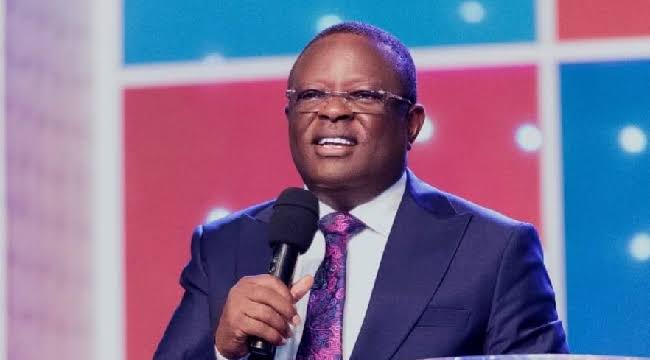
Kogi State Governor Ahmed Ododo signed the state’s domesticated tax bills into law on January 1.
They are the Kogi State Internal Revenue Service (Establishment) Law, 2025 and Kogi State Taxes and Levies (Approved List for Collection) Law, 2025.
According to him, the move is expected to boost the state’s revenue, enhance transparency and promote economic growth.
He said the laws exempt low-income earners – individuals earning below N800,000 annually – from tax payment and will also encourage increased investment, simplify tax processes and reduce compliance costs to attract businesses.
Other benefits are “technology-driven efficiency: Digitalised tax administration will reduce human interference and promote accountability.”
“The New Tax Laws aim to support structural reset, drive harmonisation and protect dignity rather than raise tax obligations,” Governor Ododo explained.
The Bayelsa State Joint Revenue Board said on its X handle that the domestication of the tax laws represents “a significant milestone in the modernisation of revenue administration in the state”.
It said the landmark law, which is the first to be signed by a state in the South-South Geopolitical Zone, has the objectives of eliminating multiple taxation by streamlining the pre-existing collectibles of nearly sixty to just nine collectible heads.
It said the law also outlaws roadblocks for the collection of taxes, levies and charges, de-emphasises cash collection and utilises technology to ensure transparency in tax administration, while plugging revenue leakages.
The harmonised framework is also expected to improve taxpayer compliance, boost investor confidence, and support the state’s economic development.
Read Also: Students rally support for Tax Laws, shelve protest plan
It acknowledged the collaborative efforts of the state government, the legislature, and the state Internal Revenue Service in driving the reform forward, which aligns with the national tax reform initiative of the Tinubu administration, underscoring the state’s commitment to transparency and good governance.
Chairman of the Anambra Internally Generated Revenue Services (AIRS), Dr Greg Ezeilo, told The Nation that the domestication of the tax laws in the state has ended the era of paying cash into government treasury.
Related News
‘New tax laws will enhance growth in manufacturing sector’
‘New tax laws to plug revenue leakages in oil, gas sector’
On the new tax laws
Ezeilo said the AIRS under his leadership will be intentional, firm and transparent in its enforcement approach, emphasising that there will be “no mercy for tax evaders” in the state.
Ezeilo also said the agency would, in the coming weeks, organise town hall meetings to deepen engagement with tax stakeholders across the state.
The Executive Chairman of the Delta State Internal Revenue Service (DSIRS), Mr. Solomon Igharakpata, said the state government was in the process of domesticating the new tax laws.
According to Igharakpata, the new tax legislation will be transmitted to the State House of Assembly before the end of this month.
“We are already in the process. I am confident that before the end of this month, it will reach the House of Assembly,” he declared.
The other states are working on passing and gazetting their own versions of the law. Officials believe this momentum signals a shift toward a more transparent and investor-friendly framework across Nigeria.
At a recent tax reform summit held in Lagos, Mr. Oyedele said sub-national tax transformation is central to Nigeria’s economic survival.
He said the goal of the new tax law was not to introduce new or higher tax rates but to focus on “harmonisation, efficiency and taxpayer value leveraging data and collaborating within the state and nationally.”
He said harmonisation does not mean centralisation.
“It means clarity and efficiency. The people pay less and the government collects more,” he said.
Tax committee, Ombud to protect taxpayers’ rights
The PFPTRC and the Office of the Tax Ombud have resolved to work together to enhance taxpayers’ trust and compliance through transparent mediation and accountability, following a meeting in Abuja between the Tax Ombud/CEO, Dr. John Nwabueze, and PFPTRC chairman Taiwo Oyedele.
The Chief Press Secretary to the Tax Ombud/CEO, Chukwudi Achife, said in a statement that the Office of the Tax Ombud will serve as a mediation safety net for small and medium enterprises as well as multinational companies to resolve issues related to taxes, levies, charges, customs duties and allied matters.
Achife quoted Dr. Nwabueze as saying “Nigerian taxpayers can now save the cost of arbitration while still obtaining justice by resolving their tax complaints through the office.”
Oyedele said of the meeting that it was part of ongoing efforts to support the effective implementation of tax reforms.
“The Office of the Tax Ombud is an independent and impartial body established under the new tax laws to protect taxpayer rights, resolve complaints quickly and fairly, and build trust in the tax system through mediation and advocacy,” he said.
He added: “Our engagement focused on collaboration with the Tax Ombud, given his critical role in ensuring that the reforms deliver not just better tax systems but a fairer and more responsive tax administration for taxpayers.”
Dr. Nwabueze was appointed last year under the Joint Revenue Board (Establishment) Act 2025 to provide a fair, independent channel for taxpayers to resolve disputes with revenue authorities, offering mediation for issues like unfair treatment, delays and abuse, aiming to boost transparency and trust in Nigeria’s tax system.
The four (4) Tax Reform laws comprehensively overhaul the Nigerian tax landscape to drive economic growth, increase revenue generation, improve the business environment and enhance effective tax administration across the different levels of government.
Nation
News
Primate Ayodele, set to commission Mosque on Saturday
The Leader of INRI Evangelical Spiritual Church, Primate Elijah Ayodele, has concluded plans to commission a mosque, which he single-handedly built, on Saturday, February 14, 2026.
The commissioning will also commemorate his 21-day annual thanksgiving programme, which began in January and will end on Sunday, February 15, 2026.
The mosque building, which the prophet announced plans for last year, is the first of its kind, as there has never been a prominent Christian leader reported to have built a mosque before now.
According to Primate Ayodele, his decision to build the mosque is not because he wants to change his religion, but rather a representation of a direction given to him by God many years ago.
He explained that his church has been home to Muslim faithful, and at different times, he has been invited to preach at Muslim gatherings. Therefore, building a mosque was not difficult, especially after receiving divine direction regarding it.
“My decision to build a mosque is not because I want to become a Muslim, but a direct representation of what God told me to do. I have Muslims attending my church, I attend Muslim programmes to preach when I am called upon, and I have several Muslim friends, so following the God-given instruction was not too hard for me.”
Primate Ayodele also noted that building a mosque as a Christian cleric sends a message of religious tolerance across the globe and further showcases his love for humanity, regardless of differences.
“Beyond being a divine instruction, this is a message of religious tolerance across the globe. If we can resolve the issue of religion in the world, it would definitely be a better place for all of us. I love everyone, regardless of their religion or tribe, and building a mosque further showcases that. God created everyone equally; we should not celebrate things that further divide us.”
Speaking on the operations of the mosque, Primate Ayodele explained that he would be handing it over to the Islamic community without any form of interference in its administration.
“By God’s grace, the mosque will be named after the late mother of President Tinubu, and we will be handing over its operations to the Islamic community without any interference.”
It is worth noting that Primate Ayodele has both privately and publicly supported other churches, especially financially. He has donated funds for church buildings, empowered individuals who are not members of his church, and raised funds for churches other than his own.
News
Scary: CRS records 1,459 cases in five years
Cross River State recorded 1,459 cancer cases between 2018 and 2022, with women accounting for over two-thirds of the total, data from the Calabar Cancer Registry have shown.
Director of the Registry, Prof. Ima-Obong Ekanem, disclosed this at a two-day capacity workshop for Cancer Registrars held at the University of Calabar Teaching Hospital, UCTH.
The training was organised by the National Institute for Cancer Research and Treatment, NICRAT, in collaboration with Linkwell Dynamic Concept.
Of the total cases, 984 (67.4 per cent) were females and 475 (32.6 per cent) males, giving a male-to-female ratio of 1:2. An average of 292 cases was recorded annually — a 51 per cent rise compared to 2009–2013.
Ekanem, also Chief Consultant Pathologist at UCTH, said the report covered only three of the state’s 18 local government areas and excluded benign tumours, in line with global standards.
Among men, prostate cancer led with 149 cases (33.4 per cent), followed by lymphoma, colorectal, breast, mouth and pharynx, larynx, lung, bladder, leukaemia and thyroid cancers.
For women, breast cancer topped the chart with 397 cases (40.3 per cent), followed by cervical cancer with 170 (17.3 per cent). Ovarian, uterine, colorectal and lymphoma cases were also recorded.
In children, 90 cases were documented, with retinoblastoma and lymphoma the most frequent.
Ekanem said over one-third of cancers are preventable through reduced exposure to risk factors and vaccination against Hepatitis B and Human Papilloma Virus, which are linked to liver and cervical cancers.
She urged healthy diets, regular exercise, avoidance of tobacco and excessive alcohol, and reduced sugar and salt intake. She also cautioned against harmful practices such as skin bleaching.
Men above 40, she advised, should undergo annual prostate checks, while women should carry out monthly breast self-examinations and periodic Pap smear and HPV DNA tests.
She noted that screening services remain unaffordable for many, stressing the need for a stronger health system to guarantee access to diagnosis and treatment.
Ekanem cited funding and logistics gaps as major challenges facing the registry and called for support.
NICRAT Director-General, Prof. Usman Malami Aliyu, represented by Bashir Mustapha, said accurate cancer data are vital for planning, budgeting and effective control programmes nationwide.
News
FG Suspends Sachet Alcohol Ban, Tells NAFDAC to Stand Down
The Federal Government has again reaffirmed the suspension of all enforcement actions relating to the proposed ban on sachet alcohol and 200ml PET bottle alcoholic products, warning the National Agency for Food and Drug Administration and Control (NAFDAC) to desist forthwith from further sealing of factories and warehouses.
This renewed directive follows a joint intervention by the Office of the Secretary to the Government of the Federation (OSGF) and the Office of the National Security Adviser (NSA), both of which have raised serious concerns over the security implications of continued enforcement actions in the absence of a fully implemented National Alcohol Policy.
According to OSGF and NSA, the National Alcohol Policy has now been signed by the Federal Ministry of Health in line with the directive of President Bola Ahmed Tinubu. However, they stressed that until the policy is fully implemented and further policy direction is issued by the Office of the SGF, NAFDAC must refrain from all enforcement measures, including factory shutdowns, warehouse sealing, and public emphasis on the sachet alcohol ban.
The SGF and NSA jointly warned that the continued sealing of warehouses and de facto banning of sachet alcohol products, without a harmonised policy framework, is already creating economic disruptions and poses a growing security threat, particularly given the impact on employment, supply chains, and informal distribution networks across the country.
This position reinforces an earlier directive issued by the Office of the Secretary to the Government of the Federation in December 2025, which formally suspended all actions relating to the proposed ban pending consultations and a final government decision.
In a statement issued by the Special Adviser on Public Affairs to the SGF, Terrence Kuanum, the OSGF disclosed that it had received an official correspondence from the House of Representatives Committee on Food and Drugs Administration and Control, dated November 13, 2025. The letter, referenced NASS/10/HR/CT.53/77 and signed by the committee’s Deputy Chairman, Hon. Uchenna Harris Okonkwo, raised concerns over NAFDAC’s proposed enforcement actions and drew attention to existing resolutions of the National Assembly on the matter.
The OSGF explained that, in line with its statutory role as Chairman of the Cabinet Secretariat, it is currently reviewing all legislative resolutions, public health considerations, economic implications, and national interest factors surrounding the issue.
“Accordingly, all actions, decisions, or enforcement measures relating to the ongoing ban on sachet alcohol are to be suspended pending the final consultations and implementation of the National Alcohol Policy and the issuance of a final directive,” the statement emphasized.
The Office further clarified that any enforcement action carried out by NAFDAC or any other agency without due clearance and resolution from the Office of the Secretary to the Government of the Federation is invalid and should be disregarded by the public until an official position is formally communicated.
With the latest intervention by the Office of the National Security Adviser, the Federal Government has now elevated the matter beyond regulatory concerns, stressing that premature enforcement without coordinated policy implementation could destabilize communities, worsen unemployment, and trigger avoidable security challenges.
The SGF and NSA reiterated that the warning stands, and that NAFDAC is expected to cease forthwith from further enforcement actions or public emphasis on the sachet alcohol ban until the National Alcohol Policy is fully operationalized and further directives are issued by the appropriate authorities.
The Federal Government assured Nigerians and industry stakeholders that a final, balanced, and lawful decision would be communicated in due course, following comprehensive consultations and inter-agency coordination in the overall interest of public health, economic stability, and national security.
-
News20 hours agoSenate rescinds earlier decision, amends Electoral Act to accommodate electronic transmission of results with conditions
-
News8 hours agoAtiku, Makinde Hold Closed-Door Meeting With IBB
-
Metro8 hours agoOwo Massacre: Amotekun Officer Identifies 2nd Defendant As Gunman
-
News20 hours agoFinally, Senate Rescinds Decision on Electoral Act Amendment Bill
-
News8 hours agoNRS targets ₦40.7trn revenue in 2026
-
News20 hours agoVideo/Photos: Wike confirms Tinubu’s intervention in Rivers crisis, fervently hope it’ll be the last
-
News23 hours agoMarwa mourns fallen officer as NDLEA nabs 6 suspects in bloody Bonny Island raid (Photos)
-
News8 hours agoNASS joint committee turns down proposed Nigerian Air Force budget, demands review