Connect with us

News

Education Is Nigeria’s Lifeline In A Fiercely Competitive World – Gbajabiamila

Published

on

ADVERTISEMENT
Zoom Ad
ADVERTISEMENT
Zoom Ad

…urge bold rethink as leaders gather to reshape the future of learning

By Gloria Ikibah

The Chief of Staff to the President and former Speaker 9th House of Representatives, Hon. Femi Gbajabiamila has said that education remains Nigeria’s surest path to survival and global relevance.

Addressing participants at a high-level stakeholder roundtable on the Future of Education in Nigeria, to commemorate the 2026 International Day for Education on Monday in Abuja, themed “Re-imagining the Future of Education in Nigeria: Collaborative Solutions for a Brighter Tomorrow”, Gbajabiamila stressed the urgent need to reposition the nation’s schools to meet the demands of a rapidly changing world.

Advertisement

The gathering, drew policymakers, educationists and development partners committed to reforming the sector.

He applauded the Speaker of the House of Representatives, Rt. Hon. Tajudeen Abbas, for spearheading the conference, describing the initiative as a clear demonstration of the legislature’s commitment to national progress through educational advancement.

Gbajabiamila maintained that education must be viewed as far more than just another arm of the economy. For a country with Nigeria’s size and ambitions, he argued, it represents the foundation of long-term stability, prosperity and international competitiveness.

“Education is the bridge between potential and productivity; between aspiration and achievement,” he said, stressing that no country can compete globally without sustained investment in learning.

Advertisement

Reflecting on his time as Speaker of the 9th House of Representatives, Gbajabiamila highlighted his role in championing the Students’ Loans Bill, an initiative designed to remove financial barriers that prevent capable young Nigerians from pursuing tertiary education.

The legislation, he noted, was driven by the principle that opportunity should rest on merit and ability rather than social standing or wealth.

He pointed out that within the first three months of the current administration, Bola Ahmed Tinubu gave assent to the bill, clearing the path for the creation of the Nigerian Education Loan Fund and signalling early intent to prioritise access to higher learning.

The development, he suggested, aligns squarely with the administration’s Renewed Hope Agenda, placing education at the heart of its broader reform strategy.

Advertisement

He also commended the 10th House of Representatives for intensifying oversight of tertiary education financing, backing measures to improve student welfare and advancing reforms aimed at strengthening transparency and accountability across the sector.

In his view, the legislature has demonstrated that its role extends beyond passing laws, positioning itself as a critical partner in steering Nigeria’s long-term development.

“As Chief of Staff to the President, you can always count on my support. Education will remain central to the Renewed Hope Agenda,” he said.

He urged participants to move beyond dialogue and generate actionable recommendations to improve funding efficiency, strengthen oversight, and ensure that existing laws reflect present realities.

Advertisement

“Nigeria’s brightest tomorrow will be built in the classrooms we strengthen today,” he added.

In her opening address, Special Adviser to the Speaker on International Cooperation and Educational Development, Abisoye Da Rocha-Afodu, traced the origins of the International Day of Education to its proclamation by the United Nations General Assembly in 2018, a move intended to affirm education as a basic human right.

She drew attention to the scale of Nigeria’s education crisis, noting that more than 20 million children remain out of school — the highest figure worldwide. Among the persistent obstacles, she listed inadequate infrastructure, low teacher morale and welfare, outdated curricula and limited access to digital tools, all of which continue to hamper progress.

The conference, she explained, was designed to convene legislators, policymakers, development agencies and key stakeholders to chart practical, lasting responses to these challenges. Stronger collaboration between government bodies, private enterprise and local communities was identified as critical to widening access to quality, inclusive learning, particularly for girls and people living with disabilities.

Advertisement

On safeguarding public resources, she indicated that the House is advancing legislative proposals aimed at ensuring regular scrutiny and transparent use of funds allocated to education programmes.

Also Chairman House Committee on Federal Polytechnic and Higher Technical Education, Rep. Fuad Laguda, said the conference offered an opportunity to assess Nigeria’s education system against international benchmarks.

He noted that funding remains one of the most pressing challenges confronting the sector, particularly polytechnics and higher technical institutions.

Laguda stressed that collaboration was essential to meaningful reform, pointing out that participants from diverse sectors gathered to build synergy and chart a common path forward.

Advertisement

He added that any nation seeking sustainable development must invest heavily in education, stressing that Nigeria must raise its ambitions if it hopes to compete effectively on the global stage.

Although the International Day of Education is marked globally on 24 January, the event was rescheduled for February owing to the National Assembly’s January recess. The adjusted timing was also intended to allow for deeper engagement ahead of Ramadan and to focus attention on pressing concerns around funding, security and accountability within the sector.

Continue Reading
Advertisement

News

‘Vote for My Husband in 2027’ — Remi Tinubu Appeals to South-East Voters

Published

on

ADVERTISEMENT
Zoom Ad
ADVERTISEMENT
Zoom Ad

Nigeria’s First Lady, Senator Oluremi Tinubu, has appealed to voters in the South-East to support President Bola Ahmed Tinubu’s bid for re-election in the 2027 presidential election.

The First Lady made the appeal in Owerri, Imo State, during an official visit to distribute empowerment items to women as part of the Federal Government’s efforts to promote women’s economic participation.

Addressing beneficiaries and residents, Oluremi Tinubu urged the people of the South-East to support her husband’s administration, promising that the government would continue working to improve the lives of Nigerians.

«“Make una vote for Mr President, we go work for una and Nigeria go better. I want to enjoy Nigeria at old age, so I will work for Nigeria, for my old age,” she said.»

Advertisement

The empowerment programme is being implemented through the Office of the Senior Special Assistant to the President on Sustainable Development Goals and is expected to reach 18,500 women across Nigeria.

Under the initiative, 500 women in each of the five South-East states are expected to receive business-support equipment, including generators, industrial grinding machines, gas cylinders and ovens.

In Imo State, Governor Hope Uzodimma expanded the programme by providing additional empowerment items for 2,000 women, bringing the total number of beneficiaries in the state to 2,500.

Following the governor’s intervention, the First Lady announced an additional ₦100,000 cash support for each beneficiary.

Advertisement

She said the initiative was consistent with President Tinubu’s economic development agenda, particularly efforts aimed at empowering women and promoting sustainable livelihoods.

“Recognising the typical role women play in nation building, this is in line with the agenda of Mr President, Bola Ahmed Tinubu, which prioritises economic growth and sustainable development for all Nigerians, particularly women,” she said.

Oluremi Tinubu urged the beneficiaries to invest the equipment and financial support wisely, stressing that the intervention was intended to help women expand their businesses, improve household income and build more secure futures for their families.

“Let it serve as a foundation for creating a better life for you and your family,” she added.

Advertisement

The appeal comes as political parties and major political figures begin positioning themselves ahead of the 2027 general elections, with the South-East expected to remain an important battleground in the presidential contest.

Continue Reading

News

Court Grants 67-Year-Old UK-Based Nigerian Woman N150m Bail Over Alleged 13kg Cocaine Shipment

Published

on

ADVERTISEMENT
Zoom Ad
ADVERTISEMENT
Zoom Ad

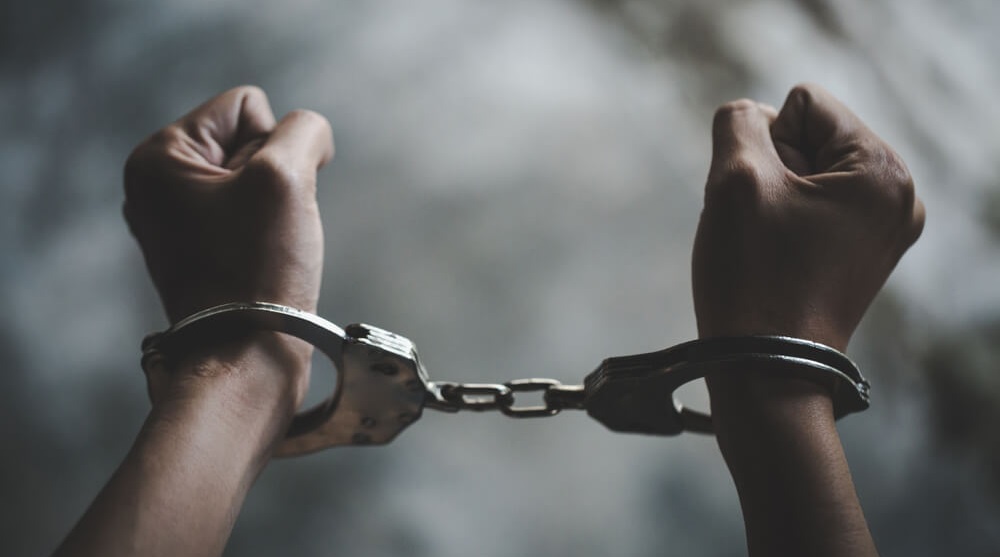
A Federal High Court sitting in Lagos has granted ₦150 million bail to 67-year-old UK-based Nigerian, Mrs Mary Yetunde Barek, who is standing trial over the alleged trafficking of 13 kilogrammes of cocaine to the United Kingdom.

Justice Friday Ogazi granted the defendant bail with two sureties in the same sum, subject to stringent conditions.

The court ordered that both sureties must reside within its jurisdiction and own landed property valued at not less than ₦150 million. They are also required to provide evidence of ownership of the properties and proof of tax payments for the past three years.

Barek, who ordinarily resides in the United Kingdom, was further directed to surrender her British international passport to the court and remain in Nigeria throughout the trial. She must also obtain the court’s permission before travelling outside the country.

Advertisement

The case stems from an alleged cocaine shipment intercepted at the Murtala Muhammed International Airport, Lagos, on June 28, 2026.

The National Drug Law Enforcement Agency (NDLEA) alleged that Barek was arrested during the outward clearance of passengers travelling on a Virgin Atlantic flight from Terminal 2 of the airport in Ikeja.

According to the prosecution, the 13kg consignment of cocaine was allegedly concealed and disguised as plantain in an attempt to facilitate its transportation to the UK.

The NDLEA further alleged that Barek transported the prohibited substance from her residence on Alhaji Azeez Ajanaku Street, Okota, Lagos, to the airport for onward export.

Advertisement

She was subsequently arraigned before the Federal High Court in August and pleaded not guilty to the charges.

The prosecution said the alleged offence contravened Section 11(b) of the National Drug Law Enforcement Agency Act, a provision dealing with unlawful dealing in and trafficking of controlled narcotic substances.

During the bail proceedings, the prosecution opposed the application, while Barek’s lawyer urged the court to consider her age and reported health condition in granting her temporary freedom pending trial.

After considering the arguments, Justice Ogazi granted bail but imposed strict conditions designed to ensure that the defendant remains available for trial.

Advertisement

The court specifically ordered that she must not leave Nigeria without its prior permission.

The allegations against Barek remain unproven, as she has pleaded not guilty and is presumed innocent until proven guilty by the court.

Continue Reading

News

NCC Moves to Block Unapproved Phones From Nigerian Networks — What Users Must Know

Published

on

ADVERTISEMENT
Zoom Ad
ADVERTISEMENT
Zoom Ad

The Nigerian Communications Commission (NCC) is moving to strengthen the identification of mobile phones and other SIM-enabled devices operating on Nigerian telecommunications networks, a development that could eventually see unapproved or illegally imported devices blocked from accessing local networks.

The initiative is aimed at establishing a central system for identifying and authenticating mobile devices in Nigeria, with the International Mobile Equipment Identity (IMEI) serving as a key identifier.

What does the NCC’s move mean for phone users?

In simple terms, the NCC wants to establish whether devices connected to Nigerian networks are genuine, properly approved and legally introduced into the Nigerian market.

Advertisement

Every mobile phone has a unique IMEI number — essentially a digital identity that distinguishes one device from another.

Under the proposed system, information linked to devices, including their IMEI numbers, can be used to identify, authenticate and manage phones and other SIM-enabled equipment operating on Nigerian networks.

Will your phone suddenly stop working?

Not necessarily.

Advertisement

The development does not mean that every existing phone in Nigeria will immediately be disconnected from mobile networks.

The initial focus is expected to involve manufacturers, importers, dealers and devices entering or already circulating in the Nigerian market.

However, as the device identification system becomes fully operational, phones that fail approval requirements or are found to have been illegally imported could potentially be restricted from accessing Nigerian mobile networks.

What about fairly used phones?

Advertisement

People who buy fairly used or imported phones will need to exercise greater caution.

A cheap price does not necessarily mean a good deal. A device with an invalid, altered or questionable IMEI, or one reported as stolen, could face connectivity problems if it is eventually identified and blocked.

Buyers are therefore advised to purchase devices from reputable sellers and check the phone’s identity and condition before completing a transaction.

Can the NCC access your WhatsApp messages and photos?

Advertisement

No.

The device identification system is designed to identify and authenticate mobile devices. It does not, by itself, give NCC officials access to a user’s WhatsApp conversations, photographs, videos, contacts or other personal content stored on the phone.

Could the system help fight phone theft?

Yes.

Advertisement

One potential benefit is improved identification and blocking of stolen devices.

Because an IMEI is tied to the device rather than the SIM card, changing the SIM in a stolen phone does not change its IMEI. If the device is reported and subsequently blocked, inserting another SIM card would not necessarily restore its access to Nigerian mobile networks.

What should phone buyers do now?

Consumers should:

Advertisement

– Buy phones from trusted and reputable dealers.
– Be cautious when purchasing unusually cheap imported devices.
– Check the device’s IMEI before buying.
– Avoid phones with signs of IMEI tampering.
– Keep purchase receipts and other proof of ownership where possible.
– Be particularly careful when buying fairly used phones from unknown sources.

Bottom line

The NCC’s device-management initiative is essentially about giving mobile devices a verifiable digital identity on Nigerian networks.

For ordinary phone users, there is no need for immediate panic. However, as the system develops, buying genuine, properly approved devices from reliable sources could become increasingly important.

Advertisement

The message is straightforward: know the phone you are buying, verify its identity and avoid questionable devices.

Continue Reading

Trending

Copyright © 2024 Naija Blitz News