By Gloria Ikibah


The House of Representatives has begun an investigation into the activities of the National Commission for Persons with Disabilities following allegations of procurement irregularities and questionable project implementation raised by stakeholders.
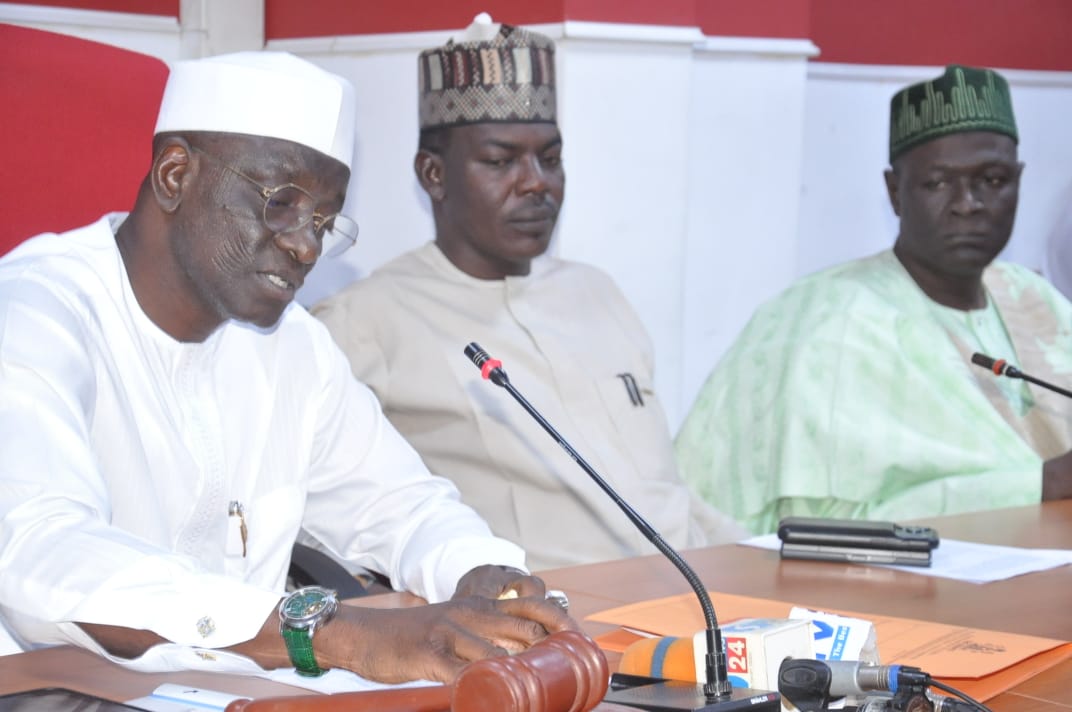
The decision was taken by the House Committee on Disability during its sitting in Abuja after receiving a number of complaints concerning contract awards, project execution and administrative conduct within the commission. 
Members of the committee, led by Chairman Bashiru Dawodu, said the probe would focus on the procurement processes adopted by the commission as well as how projects intended to support persons living with disabilities were executed.
Stakeholders who appeared before the committee raised concerns that several contracts and procurement activities carried out by the commission may have been significantly inflated. The claims have stirred unease within the disability community, particularly over the management of public funds meant to support vulnerable citizens.
One of the petitioners, Abdullahi Ibrahim, told the lawmakers that some projects and supply contracts linked to the commission appeared to have been awarded at costs running into tens of millions of naira, far above what stakeholders believe to be reasonable.
The committee indicated that its inquiry would seek to determine whether due process was followed and whether public resources allocated to programmes for persons with disabilities were properly utilised.
“It is worrisome that the National Disability Commission is becoming the headquarters of corruption in the disability community because of what has been happening there,” he alleged.
Ibrahim cited what he described as a questionable procurement involving Point-of-Sale (POS) machines, claiming the contract value was allegedly exaggerated.
“How can a disability commission pay about N97 million for 101 POS machines with starter packs when the actual cost is far lower?” he queried.
Further concerns were raised over some training programmes and equipment procurement exercises carried out by the commission, which stakeholders alleged were approved at costs far above reasonable estimates.
Members of the committee acknowledged the gravity of the claims but stressed that any allegation must be backed by credible and verifiable documentation. They urged those making submissions to provide detailed records and evidence that would enable the panel to conduct a thorough and objective investigation.

Earlier in his presentation, Executive Secretary of the National Commission for Persons with Disabilities (NCPWD), Ayuba Burki Gufwan, informed the lawmakers that steps had already been taken to address certain procurement concerns identified shortly after he assumed office.
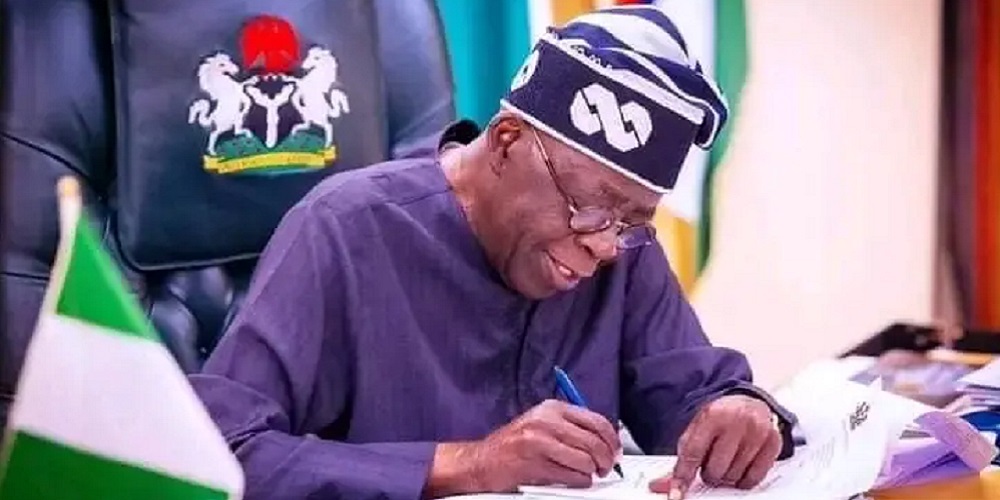
He explained that although he was appointed by Bola Ahmed Tinubu on 6 August 2024, he was unable to resume duties immediately due to hospitalisation following an accident. He eventually took up the position roughly two weeks later.
According to him, upon resuming office he discovered that several contracts had been awarded during the interim period under his predecessor, a situation he considered irregular and one that required administrative review.
“Upon resumption about two weeks afterwards, I was shocked to discover that my predecessor, who should have handed over on the 6th, took decisive decisions on behalf of the commission as a former executive secretary,” he told the committee.
He explained that the commission’s Procurement Tenders Board (PTB) subsequently reviewed the process and declared the contracts illegal.
“So we summoned the meeting of the PTB and the decision was reached that all of the procurements that the former ES presided over were illegal, null and void. Those contracts were revoked and a new process was initiated for the 2024 procurement,” he said.
The Executive Secretary assured lawmakers that detailed documentation regarding the procurement process would be formally submitted to the committee for scrutiny.
“I will document everything and formally present it to you,” he assured the lawmakers.
Beyond procurement concerns, the commission’s head also outlined ongoing reforms aimed at expanding the commission’s presence and services across the country.
He noted that when he assumed office, the commission had no operational zonal offices despite provisions in its enabling law mandating nationwide coverage.
“I didn’t inherit one single zonal office. As a person with disability, I understand the logistics of transportation and the challenges involved, which are often overwhelming,” he said.
He disclosed that the commission had since established regional offices in Plateau, Bauchi, Abia and Oyo states, covering the North-Central, North-East, South-East and South-West zones respectively, while plans were underway to open offices in the remaining regions.
“Our goal is to decentralize the operations of the commission and bring government services closer to persons with disabilities across the country,” he added.
The Executive Secretary also explained that limited funding had constrained the commission’s ability to host delegations of persons with disabilities who travel from different parts of the country to seek assistance.
“In most cases when people with disabilities come from far and near, they tell me they do not have accommodation or transport. The commission does not have those funds readily available, and it is for fear of embarrassment that we sometimes decline such visits,” he said.
Members of the committee signalled that further sessions may be organised to allow more stakeholders the opportunity to present their submissions and supporting evidence.
The lawmakers maintained that the exercise is intended to promote transparency, accountability and improved service delivery, noting that millions of Nigerians living with disabilities rely on the programmes and interventions provided by the commission.