
News
ECOWAS Parliament Pushes for Urgent Reform of West Africa’s Education System



By Gloria Ikibah
The Parliament of the Economic Community of West African States (ECOWAS) has called for a comprehensive overhaul of the education system across West Africa in order to better reflect the aspirations of the people and the evolving needs of the region’s economies.
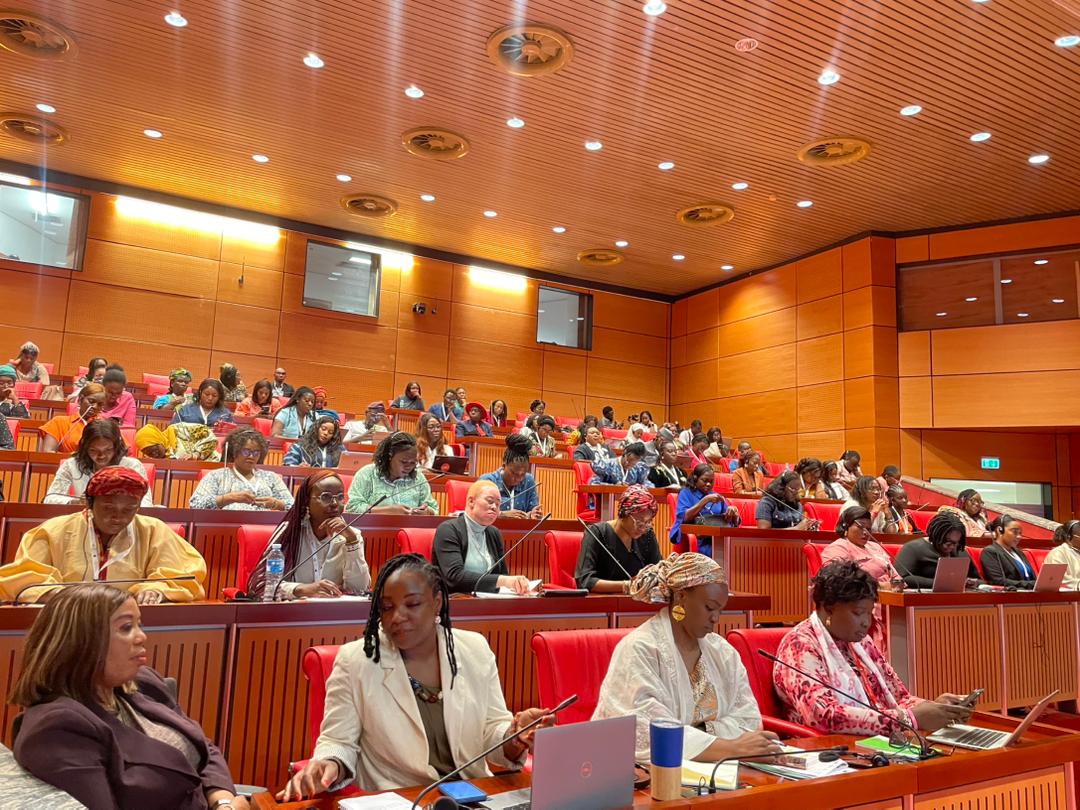
The call was made during the opening of a joint committee delocalised meeting held in Lomé, Togo, where lawmakers and stakeholders gathered to examine how education in the sub-region can be better aligned with socio-economic realities.
The meeting, which brought together committees on Education, Science and Culture, Health, and Telecommunications and Information Technology, is centred on the theme “Strengthening Curriculum Alignment with Socio-Economic Needs of the ECOWAS Region.”
President of the National Assembly of Togo, Komi Selom Klassou, highlighted the urgent need for reforms, warning that a failure to align education with labour market demands could create a widening gap between skills acquired in schools and the needs of modern industries.
Such a disconnect, he noted, could ultimately weaken productivity, reduce competitiveness and threaten stability within the region.
Klassou emphasised that education remains the cornerstone of national and regional development, playing a crucial role in shaping human capacity and preparing future generations to contribute meaningfully to society.
He also stressed that the theme of the Lomé meeting presents an opportunity for ECOWAS member states to rethink their educational systems in the face of rapid technological change, growing skills gaps in the labour market and the increasing need for industrial diversification.
Klassou who was represented by the Speaker of the ECOWAS Parliament, Rt. Hon. Mémounatou Ibrahima, reiterated the importance of strengthening education frameworks that are responsive to contemporary economic and technological realities across West Africa.
He said: “The theme of this meeting, ‘Strengthening the alignment of educational programs with the socio-economic needs of the ECOWAS region’, is extremely relevant. It invites us to rethink our educational systems in the face of technological developments, the mismatch of skills with the job market, and emerging industrial diversification.
“This theme is a call to action. It urges us to transform our demographic wealth, this dynamic youth, into a lever for building a prosperous future. This involves overhauling our educational programs so that they meet the aspirations of our people and the needs of our economies.
“This call requires us to reclaim our historical and intellectual narrative, revive pride in our cultural heritage, the foundation of our identity, and redefine our teaching programs so that they truly serve our own aspirations.
“Education is no longer just a tool for transmitting knowledge; it is the foundation of our intellectual, economic, and social sovereignty. Our nations cannot achieve sustainable emergence without a qualified human capital. Of course, education remains a right, but it is now a strategic lever for our intellectual, economic, and social sovereignty. Without a qualified human capital, our nations cannot achieve sustainable emergence.
“We must align our educational programs with socio-economic realities. This involves anticipating skills needs, promoting innovation and adaptability, and strengthening technical and vocational education. This is a priority to reduce youth unemployment and transform our demographic potential into a real economic dividend.
“Also, it becomes imperative to conceive education, beyond the citizen’s right it constitutes, as a strategic lever. The need to align our programs with the real needs of our economies, to reduce youth unemployment and transform our demographic potential into an economic dividend, is clear. Indeed, without a resolute alignment of curricula with socio-economic realities, whether it is emerging sectors, technological changes, or entrepreneurial skills needs, we risk perpetuating a cycle of disconnection that hinders productivity, competitiveness, and stability in our region.”
The President of the National Assembly of Togo, reminded members of the joint committee that their deliberations are firmly supported by an existing regional legal framework aimed at improving education across West Africa.
Klassou pointed out that the work of the committee aligns with Protocol A/P3/1/03, adopted by the Conference of Heads of State and Government of the Economic Community of West African States (ECOWAS) in 2003. The protocol provides a foundation for the harmonisation of educational policies across the region while promoting education that is accessible, relevant and of high quality.
He urged participants to remain focused on practical reforms that will help education systems respond to changing economic realities and labour market needs.
“It is in this spirit that we must rely on the identified pillars: better knowledge of the labour market and anticipation of future skills; a reform of programmes focused on practical skills, innovation, and adaptability; the strengthening of Technical and Vocational Education and Training; and a greater commitment of stakeholders through solid public-private partnerships,” he stressed.
He also highlighted ongoing education reforms in Togo, noting that the government is working to modernise the national education system to better prepare young people for the future.
Referring to the reforms being implemented under the leadership of Faure Essozimna Gnassingbé, he said the vision of the Togolese president has already begun laying a strong foundation for an education system designed to respond to modern challenges and opportunities.
“Thanks to his leadership, we have been able to rely on fruitful collaborations between educational institutions and the private sector, thus promoting education in entrepreneurship and increased investment in continuous training to meet the challenges of the job market.
“These efforts, driven by this strategic vision, fully meet the objectives of this meeting. It is about evaluating the relevance of study programs, from primary to higher education, while strengthening technical and vocational education to improve employability and encourage self-employment. These initiatives also support pedagogical approaches focused on problem-solving and critical thinking, with the aim of harmonizing certification standards within ECOWAS.
“It is clear that it is through this ambition that Togo is positioning itself today as a key player in the educational transformation of our region and in building a promising future for our youth.
“The presence of the Joint Committee on Health and Telecommunications underscores the interdependence of our challenges. Health is a fundamental right, and the training of health professionals must meet the specific needs of our region. Information technologies are a key catalyst for improving access to health and education, even in the most remote areas. We must also reduce the digital divide, ensure cybersecurity, and promote distance learning. These actions are essential for inclusive governance and sustainable development.
“Imagine an ECOWAS where youth, armed with digital and entrepreneurial skills, is a driver of growth and regional integration. This is the goal we share: reduce unemployment, harmonize qualifications, and transform education into a powerful lever for development.
“I therefore consider this meeting as both a space for discussion and the starting point for concrete actions. I call on all participants: governments, academic actors, the private sector, civil society, and development partners, to unite their positive energies to formulate strategic and realistic recommendations. Together, we can build educational systems capable of preparing our young people for the challenges and opportunities of tomorrow”, he stated.
In his remarks, Hon. Kweku George Hagan member of Parliament from Ghana and Chairman Committee on Education, Science and Culture said education remains the most strategic lever for sustainable development.
He however said that its transformative power depends not merely on access, but on relevance.
The Committee chairman therefore cautioned that the region’s educational system must adapt to a fast-evolving landscape characterised by rapid population growth, technological disruption, youth unemployment, and climate vulnerability.
“Currently, our labour markets are shifting faster than our curriculum. The widening gap between training and opportunity created a troubling paradox: vacancies without skilled disconnect between what we teach and what our economies demand,” he added.
To unlock the demographic dividends of the regional youth population, Hon. Hagan said there must be a shift from credential-oriented system to competency-driven framework.
“Curriculum alignment is not a theoretical exercise; it is a strategic necessity l. When education responds to the demands of agriculture, industry, and the digital economy, we do more than teach-we build a workforce that is adaptable and competitive.
“The task ahead requires evidence-based policymaking, investment in teacher capacity, and the integration of emerging technologies”, he stressed.
Listing things that must be done for the sub-region to turn the corner, the Ghanaian Parliamentarian said it must embed digital literacy, green skills, and entrepreneurial thinking at all educational levels; strengthen technical and vocational education and training and Institutionalise continuous curriculum review in partnership with the private sector.
“Education must not merely follow economic transformation; it must drive it. This requires a structured, continuous dialogue between ministries of education, labour, and industry, alongside private sector leaders and academic institutions”, he added.
Leader of the Togoless delegation to ECOWAS Parliament, , Hon. Soklingbé Senou in his remarks said the issue is very deep considering the challenges facing education in the sub-region.
He noted that time is changing with emerging new trends; and that matching education with job demand must be taken seriously.
He stressed that the issue at hand is deep and so the educational sector must not be about production of certificates.


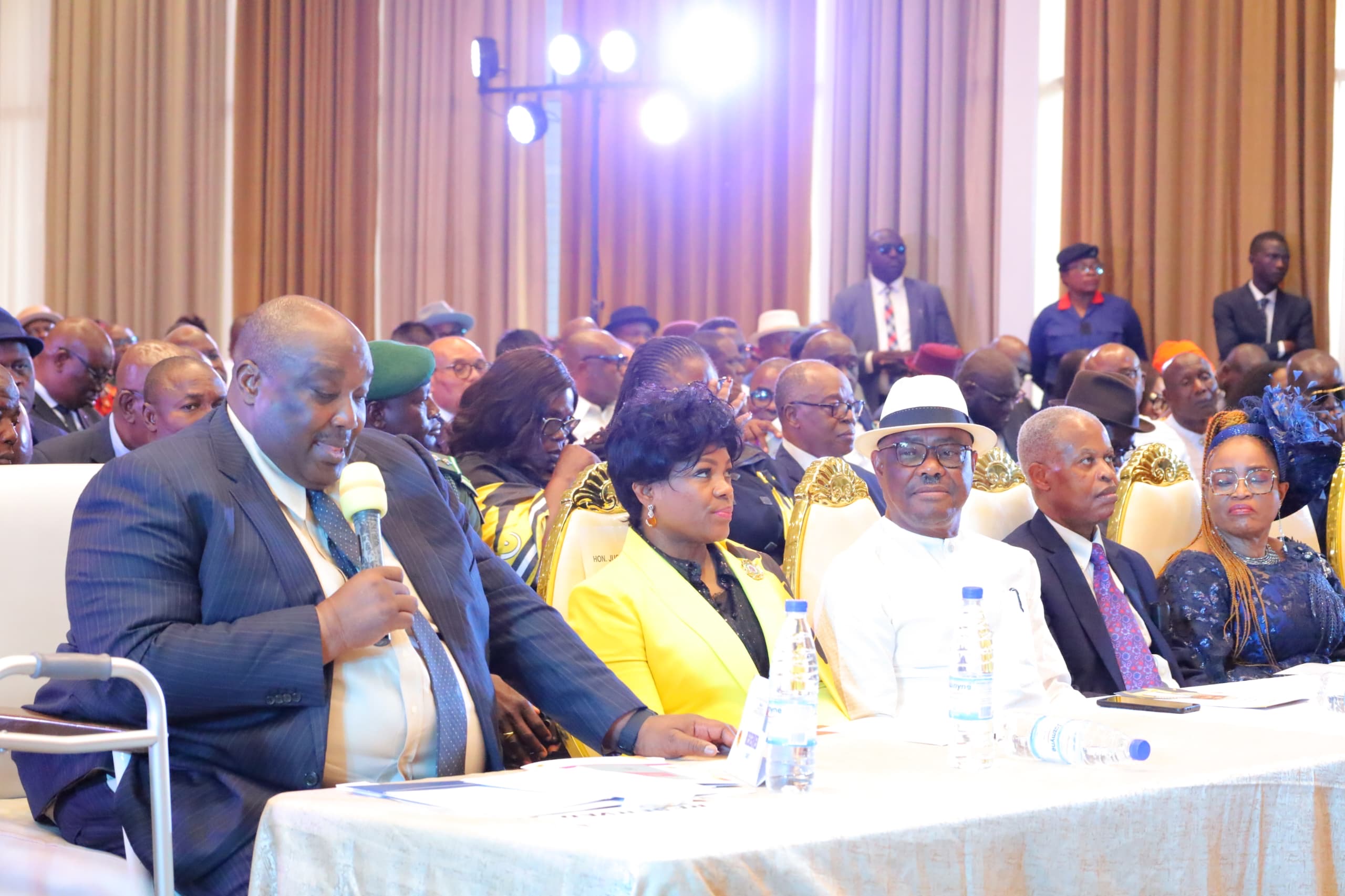
Minister of the Federal Capital Territory (FCT), Barr. Nyesom Wike, on Tuesday, stressed the need for discipline, precision and sound legal reasoning in appellate advocacy, describing appellate practice as a critical pillar for strengthening Nigeria’s justice system.
Wike stated this at the public presentation of the book, “Ukala’s Manual on Appellate Practice,” authored by Senior Advocate of Nigeria (SAN), Emmanuel C. Ukala, held at the Bola Ahmed Tinubu International Conference Centre, Abuja.
The former Rivers State governor described the publication as a timely and significant contribution to the legal profession, particularly for young lawyers seeking to develop competence in appellate litigation.
According to him, advocacy at the appellate level differs fundamentally from trial proceedings and requires a higher level of intellectual discipline and mastery of legal procedures.
“We are all aware that advocacy at the appellate level is of a fundamentally different character from proceedings at trial. It calls for a higher degree of discipline, clarity of thought, precision in expression, and a deep, assured command of both substantive law and procedural rules,” Wike said.
He noted that the manual would serve as a practical guide for lawyers and judges by bridging the gap between legal theory and courtroom practice.
“It serves as a vital bridge between legal theory and courtroom practice, offering guidance that is especially beneficial to younger members of the Bar as they develop the confidence and competence required to navigate the demands of appellate litigation,” he added.
Wike, who recalled his background in legal practice, said he personally appreciated the value of appellate adjudication, having prosecuted and defended several cases before appellate courts over the years.
“I myself am a direct beneficiary of the work done at the appellate level, having had the privilege, as a party in numerous disputes, to prosecute and defend many cases before appellate courts,” he stated.
The minister also revealed that he once worked briefly in Ukala’s law firm, noting that the experience shaped his professional values and appreciation for excellence in legal advocacy.
“I cut my teeth in the firm of Mr. Ukala, SAN, albeit for a relatively short time. The exposure and values I imbibed during that period discipline, attention to detail, respect for the craft of advocacy, and an unwavering commitment to excellence have continued to shape my professional outlook to this day,” he said.
Wike described the publication as a “legacy work” that would remain relevant to legal practitioners and judicial officers for years to come.
According to him, the book does not merely seek to impress readers academically but provides practical guidance on critical aspects of appellate litigation, including notices of appeal, compilation of records, interlocutory applications, briefs of argument, and oral advocacy.
“What I particularly appreciate about this manual is its practicality. It does not attempt to impress; it seeks to guide. It brings clarity to areas that many practitioners struggle with but rarely admit,” he said.
The FCT minister urged young lawyers to make effective use of the book in refining their professional skills and pursuit of excellence.
“To my colleagues, especially the younger lawyers, do not just celebrate this book, use it. Let it challenge you. Let it refine you. Let it remind you that excellence in this profession is a deliberate pursuit,” he added.
The event was attended by high-ranking judicial officers, including the President, National Industrial Court, Hon. Justice Benedict Bakwaph Kanyip, other heads of court, former Attorney General of the Federation and Minister of Justice, Chief Kanu Agabi, Justices of the Supreme Court, Justices of the Court of Appeal, Senior Advocates of Nigeria, members of the Body of Benchers, legal practitioners and other dignitaries from across the country, while Joseph B. Daudu (SAN) and Ferdinand O. Orbih (SAN), reviewed the book.
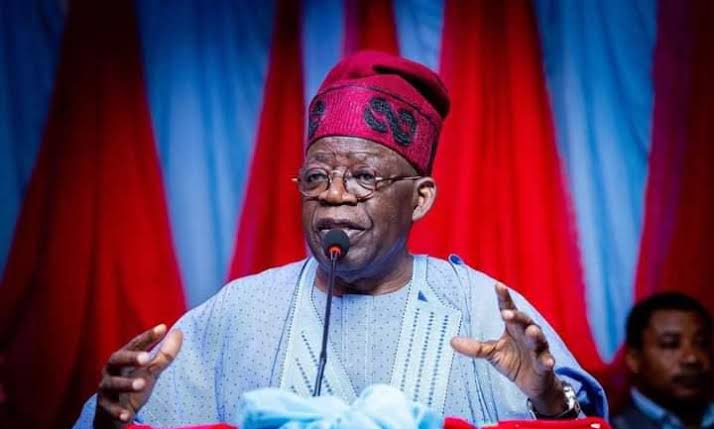
President Bola Tinubu has declared his intention to seek re-election in 2027, saying critics exploiting the country’s security challenges were doing the bidding of his political opponents.
Tinubu made the remarks while receiving Plateau State Governor Caleb Mutfwang and other stakeholders from the state, telling them that hostile forces were weaponising insecurity to undermine his administration.
“You are playing to the hand of agents, including my own enemies, who want to use insecurity to get rid of me,” he said, adding that he would not be deterred.
“I’m a very stubborn politician. I just refuse to go. And I will campaign for my second term.”
The declaration comes amid sustained pressure on the Federal Government over attacks by armed groups, kidnappings, and killings across several states, with opposition figures and civil society organisations demanding stronger federal action.
NDLEA raids 3 illicit drug warehouses, recovers N16.9bn worth of opioids
Tinubu has consistently defended his administration’s security record, maintaining that agencies are being adequately supported to restore stability.
The President took office in May 2023 and is constitutionally eligible to seek a second four-year term when Nigerians go to the polls in 2027.
…proposal aim to strengthen coordination and innovation across the Armed Forces
By Gloria Ikibah
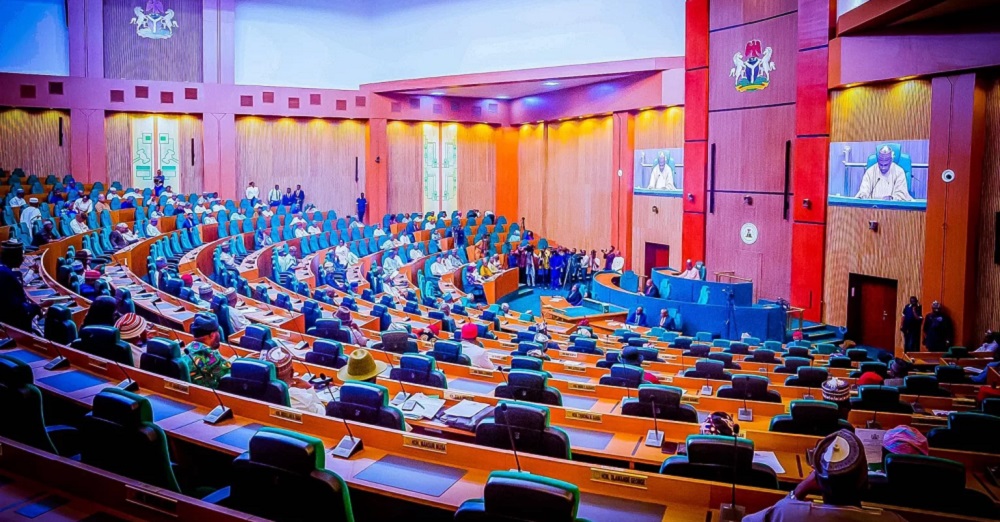
The House of Representatives has passed for second reading a proposal to set up a Joint Doctrine and Warfare Centre, envisioned as a high-level strategic hub to improve coordination, efficiency and overall performance within Nigeria’s Armed Forces.
The bill, sponsored by the Speaker, Tajudeen Abbas, is titled “A Bill for an Act to Establish the Joint Doctrine and Warfare Centre to Enhance the Coordination and Effectiveness of Military Operations of the Armed Forces of Nigeria by Integrating the Capabilities of Its Respective Services; and for Related Matters (HB 2741).”
It progressed to the next stage following debate by lawmakers on Wednesday during plenary.
The planned centre is intended to serve as a focal point for defence research, development of military doctrine, strategic planning and innovation in warfare, with particular attention on fostering closer collaboration among military and paramilitary bodies.
Commencing debate on the general principles of the legislation on behalf of the Speaker, Rep. Daniel Asama said, “the initiative is designed to bridge critical gaps in Nigeria’s defence framework, particularly the lack of a dedicated institution for developing and coordinating joint military doctrines.”
“The centre would establish a structured system for the formulation, validation and dissemination of joint doctrines, while also promoting interdisciplinary research on multi-domain operations”.
Asama further observed that Nigeria’s increasingly complex security landscape demands a more integrated and strategic military response.
“Nigeria faces complex security challenges, including terrorism, insurgency and cyber warfare, which require coordinated doctrinal responses among the Armed Forces.
“The absence of a dedicated institution for joint doctrine development has created operational gaps and limited interoperability among the services”, he said.
According to him, the proposed centre will serve as both a think-tank and a centre of excellence for doctrine formulation and warfare strategy.
“This bill provides the legal and institutional framework for the Joint Doctrine and Warfare Centre as a think-tank and centre of excellence for doctrine development and warfare strategy.
“It addresses the need for integrated doctrine development, unified command thinking and joint operational planning”, he added.
He described the bill as timely, the lawmaker said it would strengthen Nigeria’s capacity to respond to evolving threats while enhancing cooperation among the Army, Navy and Air Force.
He explained that the proposed centre would provide a standing platform for defence research, simulation exercises and policy coordination, with the aim of strengthening the long-term sustainability of the country’s security efforts.
The institution is expected to draw together major players in the security architecture, including the Ministers of Defence, service chiefs and specialists from the private sector.
Its responsibilities would cover aligning warfare strategies, monitoring emerging threats, reviewing operational requirements and offering strategic guidance for defence activities.
The centre would also work closely with defence institutions, universities, international allies and research organisations to advance joint doctrine development, simulation tools and contemporary warfare practices.
Among its core aims are improving Nigeria’s capacity to respond to hybrid and asymmetric threats, enhancing cooperation among the armed services, promoting defence research and expanding both regional and global security partnerships.
Asama expressed optimism that the proposal would markedly strengthen the nation’s military preparedness and strategic depth.
“The Joint Doctrine and Warfare Centre will serve as the intellectual and operational hub for defence coordination, doctrine formulation and integrated warfare planning,” he said.
Following its passage for second reading, the bill was referred to the House Committee on Defence for further legislative consideration.
When passed into law, the piece of legislation is expected to provide a solid institutional framework for advancing joint military operations and improving Nigeria’s response to current and emerging security challenges.

Photos: Appellate Court Advocacy Demands Precision, Discipline — Wike

2027: My opponents are arming terrorists against me — Tinubu

Lawmakers Move To Establish Military Strategy Hub




-
 News17 hours ago
Court bars INEC from recognising ADC congresses conducted by Mark-led C’ttee
-

 News17 hours ago
Unbelievable: Police say officer who publicly executed handcuffed Delta man was under “spiritual attack”
-
 News13 hours ago
Reps back digital overhaul of election petition procedures
-

 News11 hours ago
BREAKING: Supreme Court fixes date for verdict on ADC, PDP leadership tussles
-
 News17 hours ago
Tinubu Allocates Abuja Lands to Ambassadors Designate as Wike Charges Diplomats to Project Nigeria’s Image(Photos)
-

 News17 hours ago
Police nab suspects over alleged removal of 19-yr-old girl’s womb
-
 News12 hours ago
Senate confirms Yuguda as CBN deputy governor
-

 Economy11 hours ago
See Black Market Dollar To Naira Exchange Rate Today 29th April 2026